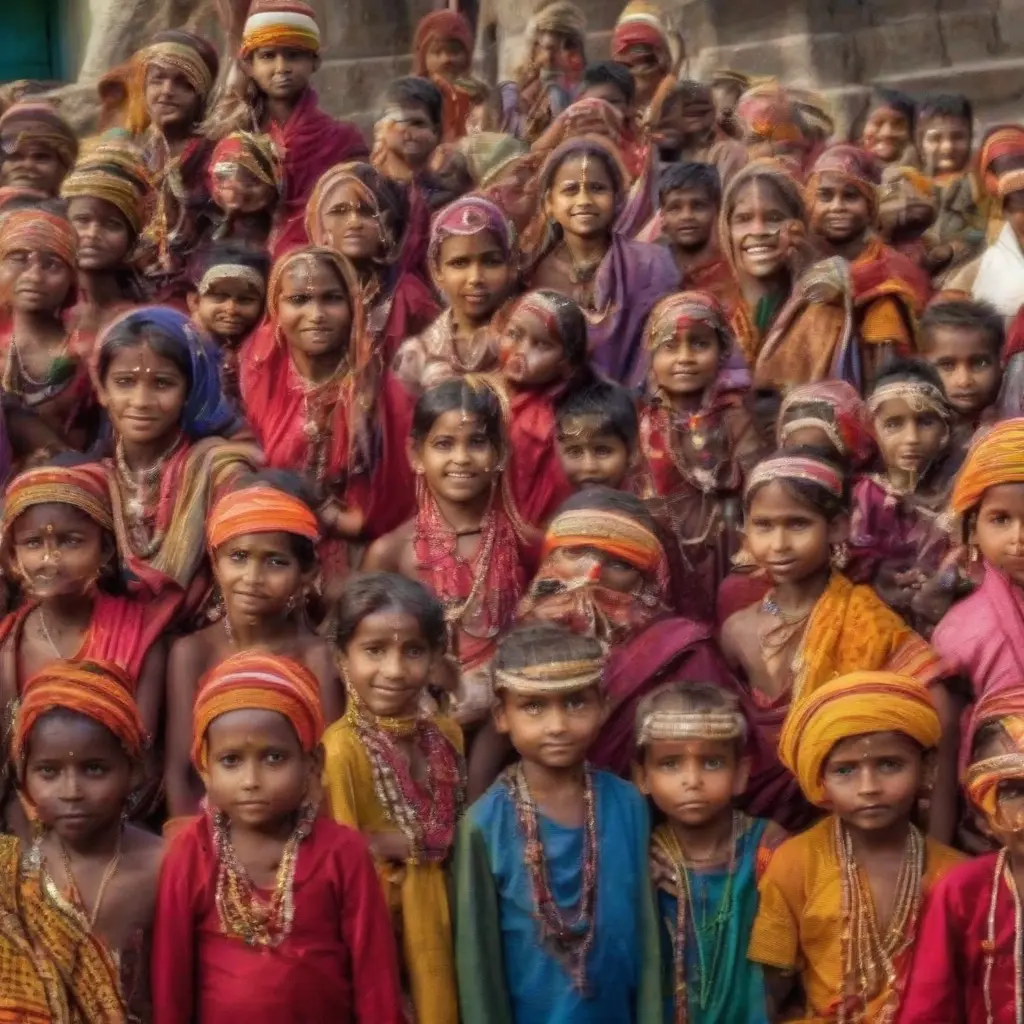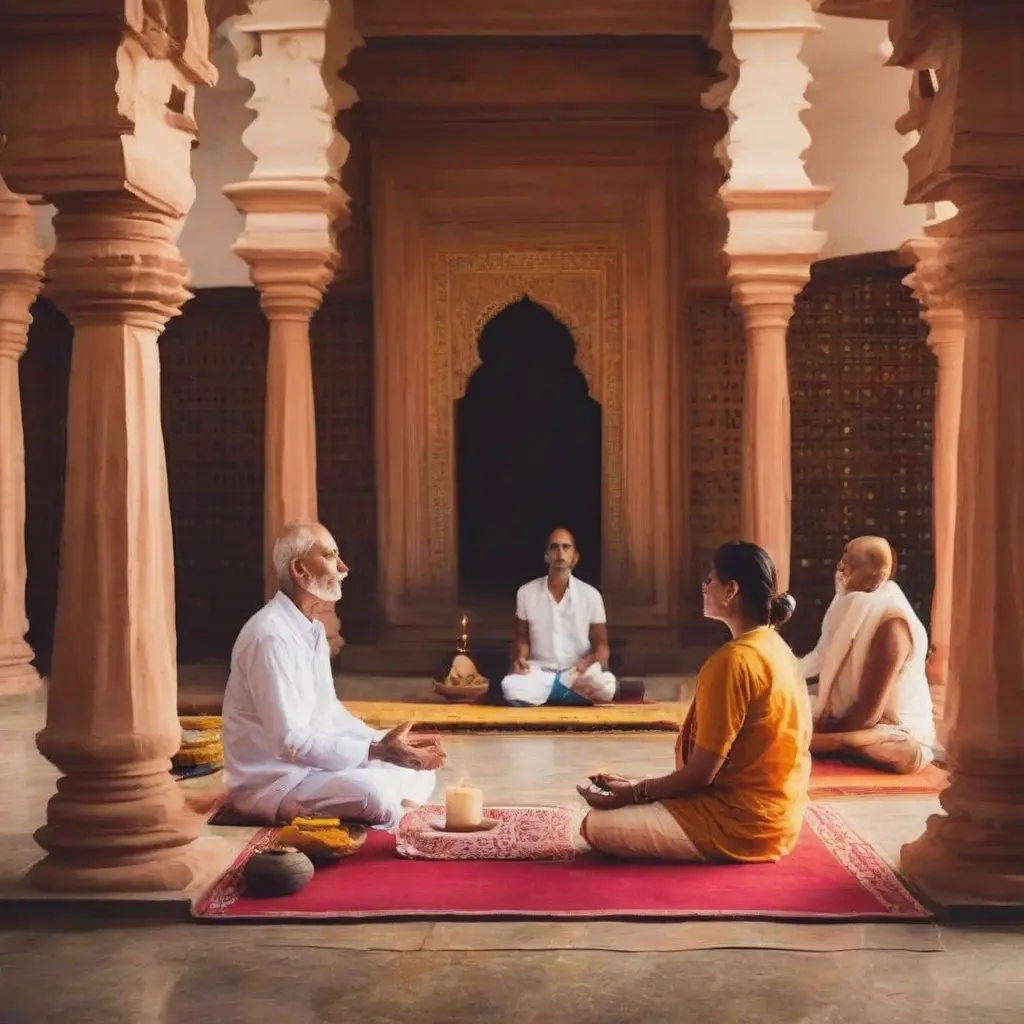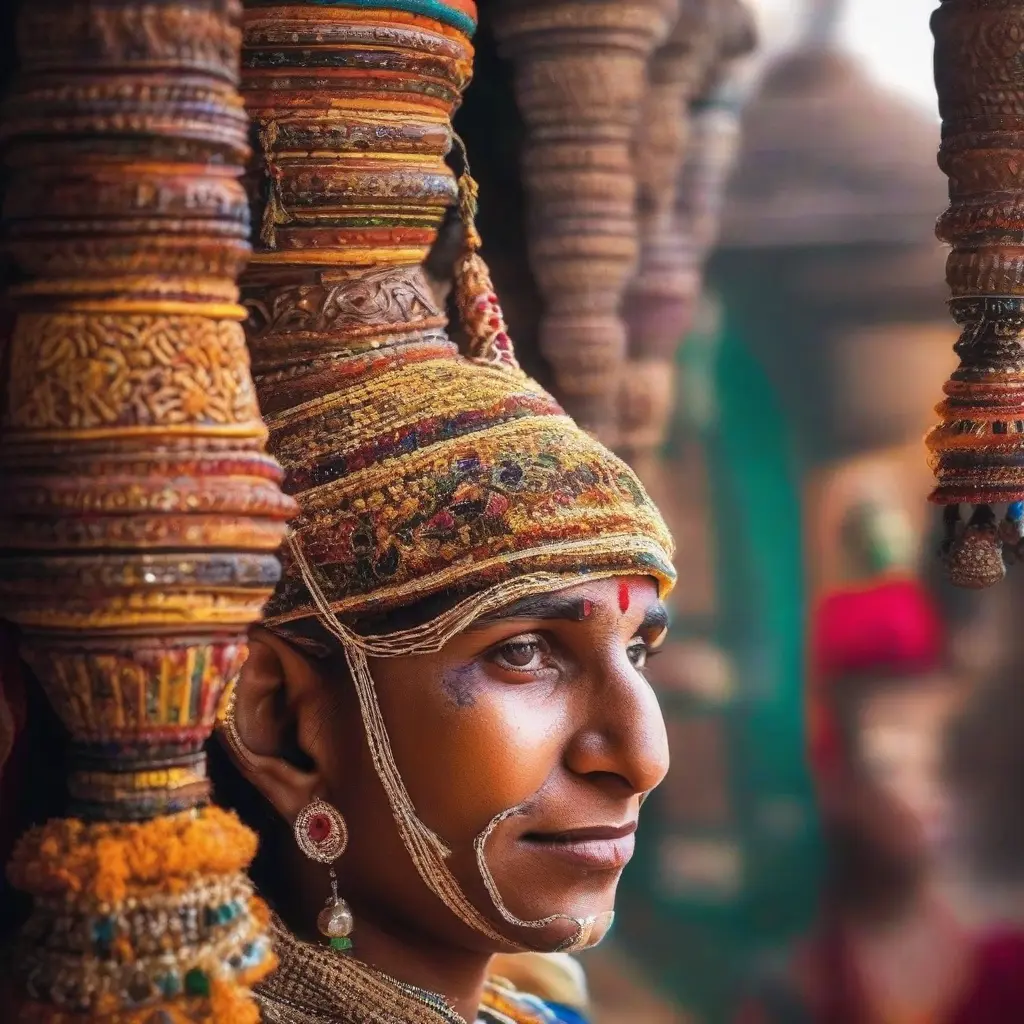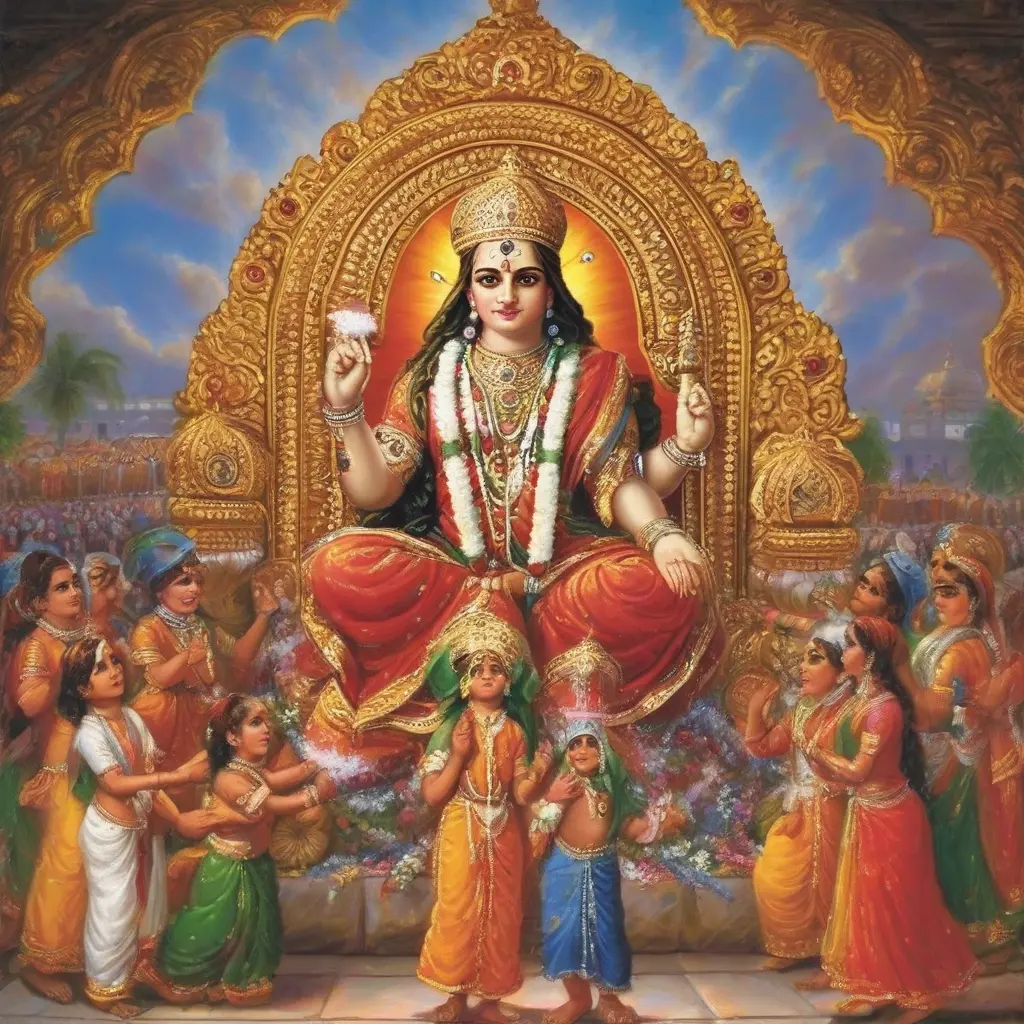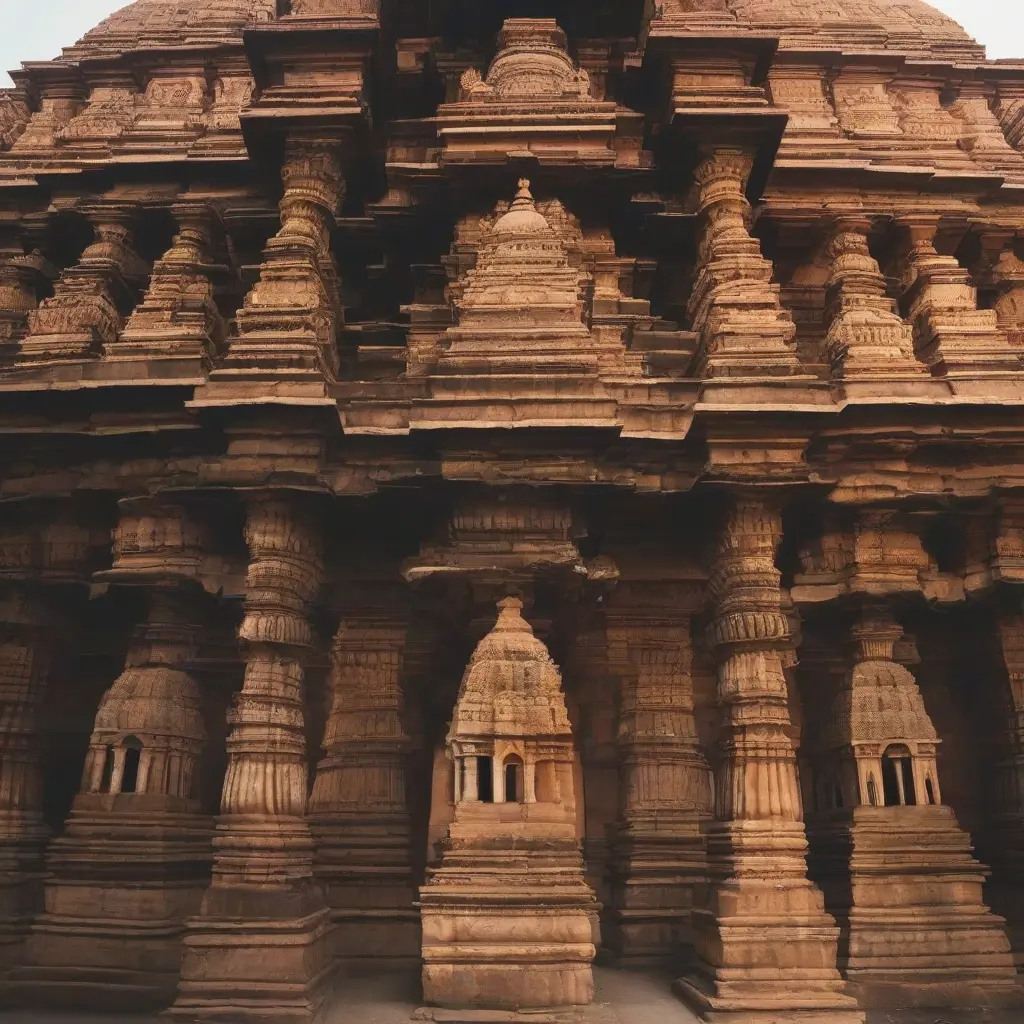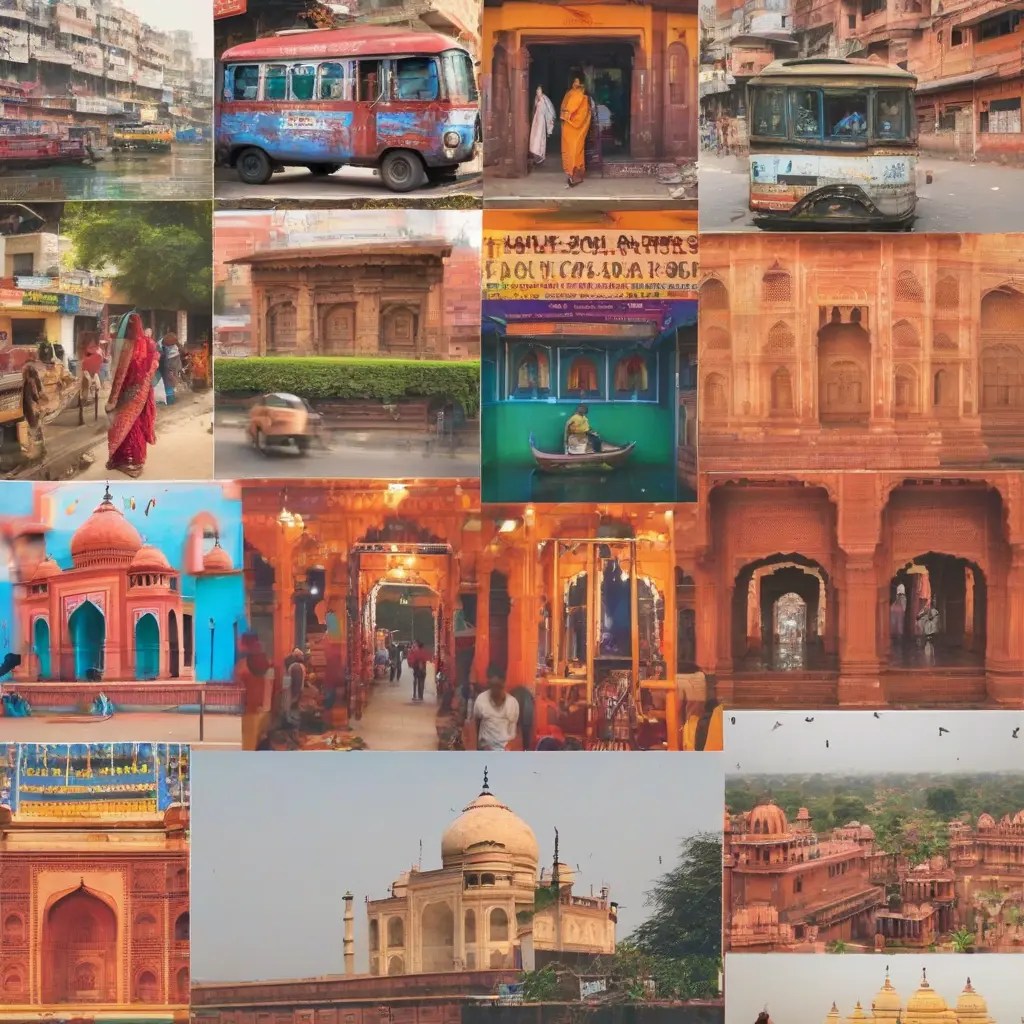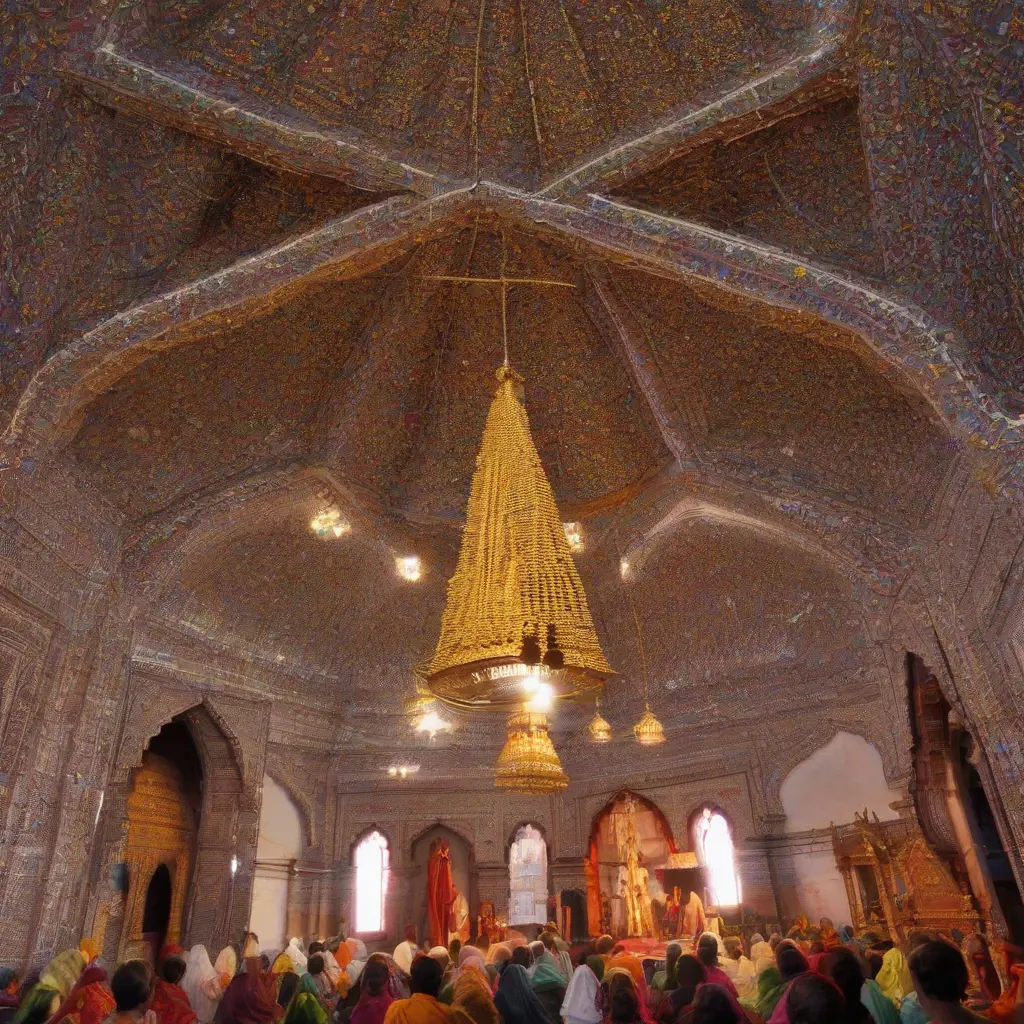
India is renowned for its rich tapestry of cultures and religions, making it a unique destination for pilgrimage and cultural travel. The country’s religious diversity, encompassing Hinduism, Islam, Christianity, Sikhism, Buddhism, and Jainism, presents a vibrant and harmonious coexistence of beliefs. Pilgrims and travelers alike find joy in exploring these sacred sites, which serve as not only places of worship but also as communities of shared values and traditions. This article highlights 25 diverse places of worship across India that exemplify religious tolerance and coexistence.
1. Golden Temple, Amritsar
The Golden Temple, or Harmandir Sahib, is the holiest gurdwara of Sikhism, located in Amritsar, Punjab. Known for its stunning architecture and golden dome, it attracts millions of visitors each year. This sacred site not only serves as a place of worship but also offers free meals to thousands daily through its langar service, embodying the principle of selfless service and equality among all visitors, regardless of their faith.
2. St. Basilica of Bom Jesus, Goa
The Basilica of Bom Jesus is a UNESCO World Heritage site located in Old Goa, famous for housing the remains of St. Francis Xavier. This 16th-century church is an excellent representation of Baroque architecture and is a significant pilgrimage site for Christians. Its peaceful atmosphere offers visitors a chance to reflect on spirituality, fostering an environment of mutual respect among diverse faiths.
3. Sidhivinayak Temple, Mumbai
Sidhivinayak Temple, dedicated to Lord Ganesha, is one of Mumbai’s most revered Hindu temples. With its ornate architecture and vibrant surroundings, it attracts thousands of devotees daily, who come to seek blessings and prosperity. The temple welcomes everyone, regardless of their background, exemplifying the spirit of inclusivity that is a cornerstone of Hindu practices.
4. Jama Masjid, Delhi
Jama Masjid in the heart of Old Delhi is one of the largest mosques in India, commissioned by Emperor Shah Jahan. Its majestic red sandstone and white marble structure stands as a symbol of India’s Islamic heritage. The mosque serves as a place for collective prayers, emphasizing community and solidarity among diverse groups while inviting visitors of all faiths to appreciate its historical significance.
5. Mahabodhi Temple, Bodh Gaya
The Mahabodhi Temple in Bodh Gaya is a UNESCO World Heritage site and a major pilgrimage destination for Buddhists worldwide. It marks the exact spot where Siddhartha Gautama attained enlightenment. With its serene environment and inspiring history, the temple promotes peace and understanding, welcoming individuals from various faiths to engage in meditation and reflection.
6. Kashi Vishwanath Temple, Varanasi
Kashi Vishwanath Temple, dedicated to Lord Shiva, is located in Varanasi, one of the oldest living cities in the world. This temple draws millions of Hindu pilgrims seeking spiritual connection. Despite its deep religious significance, the temple welcomes visitors from all backgrounds, encouraging a shared appreciation of its historical and cultural importance.
7. ISKCON Temple, Bangalore
The International Society for Krishna Consciousness (ISKCON) Temple in Bangalore is a vibrant hub for spiritual exploration and practice. It celebrates the teachings of Lord Krishna and is known for its impressive architecture, devotional activities, and community outreach programs. Visitors are encouraged to participate in various cultural events, promoting dialogue and respect among diverse faiths.
8. Ajmer Sharif Dargah, Ajmer
The Ajmer Sharif Dargah is the shrine of the revered Sufi saint Khwaja Moinuddin Chishti. Located in Ajmer, Rajasthan, the dargah draws thousands of visitors from different faiths who seek blessings and peace. The atmosphere here is filled with a palpable sense of love and devotion, exemplifying the essence of interfaith harmony.
9. Church of St. Thomas, Chennai
The Church of St. Thomas in Chennai is believed to be built over the tomb of St. Thomas the Apostle, making it a vital pilgrimage site for Christians. Its historical significance and beautiful architecture attract visitors from around the globe. The church’s welcoming environment is a testament to the diverse tapestry of faith in India, where people of all backgrounds come to appreciate its spirituality.
10. Lotus Temple, Delhi
The Lotus Temple, dedicated to the Bahá’í faith, is recognized for its unique flower-like architecture and serene environment. It promotes the oneness of humanity and the equality of all religions. Open to everyone, the temple encourages meditation and reflection, fostering a spirit of acceptance and unity among diverse religious groups.
11. Birla Mandir, Jaipur
Birla Mandir, also known as the Lakshmi Narayan Temple, is located in Jaipur and dedicated to Lord Vishnu and Goddess Lakshmi. Known for its stunning white marble, the temple attracts devotees and tourists alike. Its design embodies peace and spirituality, encouraging visitors of all religions to appreciate its beauty and significance.
12. St. Mary’s Church, Mumbai
St. Mary’s Church in Mumbai is one of the oldest churches in the city, renowned for its beautiful architecture and historical significance. The church serves not only as a spiritual haven for Catholics but also as a cultural landmark. Visitors from various faiths are welcomed to explore its rich history and participate in community events, promoting understanding among diverse communities.
13. Swaminarayan Akshardham, Gandhinagar
Swaminarayan Akshardham in Gandhinagar is a sprawling complex that showcases the essence of Hindu culture and spirituality. With its intricate carvings and exhibitions on Indian heritage, it welcomes individuals from all religions. The temple highlights the importance of service and devotion while promoting unity and respect among different faiths.
14. Gurudwara Bangla Sahib, Delhi
Gurudwara Bangla Sahib is a prominent Sikh temple in Delhi, famous for its golden dome and serene water tank. It serves as a place of worship and community service, exemplifying the Sikh tradition of ‘sewa’ (selfless service). The gurudwara opens its doors to all, regardless of their faith, promoting a message of charity and interconnectedness.
15. Kanyakumari Temple, Tamil Nadu
The Kanyakumari Temple, dedicated to the goddess Kanyakumari, is located at the southern tip of India. This sacred temple attracts both Hindu pilgrims and tourists who seek wisdom and protection. Its breathtaking views and tranquil surroundings encourage reflection, making it a universal symbol of spirituality and reverence.
16. Jama Masjid, Srinagar
The Jama Masjid in Srinagar is a beautiful mosque featuring Indo-Saracenic architecture. It is not only a significant religious site for Muslims but also a cultural landmark in Kashmir. The mosque’s peaceful garden invites people of all backgrounds to enjoy its beauty, encapsulating the essence of communal harmony and respect.
17. Mahavir Mandir, Patna
Mahavir Mandir, devoted to Lord Hanuman, is one of the most visited temples in Patna. Known for its vibrant atmosphere, the temple welcomes devotees from all walks of life. Its open-door policy encourages participation in rituals and celebrations, fostering unity and promoting understanding among diverse religious communities.
18. Shree Siddhivinayak Ganapati Mandir, Mumbai
The Shree Siddhivinayak Ganapati Mandir is a significant Hindu temple in Mumbai dedicated to Lord Ganesha. This iconic temple attracts pilgrims who believe in the power of divine blessings. Open to all, regardless of their faith, it emphasizes inclusivity and the shared human experience of seeking spiritual fulfillment.
19. Kali Mandir, Kolkata
Kali Mandir, also known as Dakshineswar Kali Temple, is a prominent Hindu temple in Kolkata dedicated to Goddess Kali. Its architectural beauty and historical significance make it a favorite among pilgrims and tourists. The temple’s openness to visitors from various backgrounds fosters an atmosphere of respect and understanding among different religious traditions.
20. Auroville, Tamil Nadu
Auroville is an intentional community near Pondicherry that embodies spiritual unity and universal brotherhood. Open to individuals of all beliefs, it aims to facilitate a shared experience of cultural exchange and community living. The Matrimandir at the center serves as a spiritual focal point, promoting values of peace, tolerance, and mutual respect.
21. Sri Parakala Mutt, Mysore
Sri Parakala Mutt is a significant institution of the Madhwa community in Mysore, serving as both a temple and a center for learning. Hosting various spiritual activities, it welcomes visitors from different backgrounds. Its emphasis on education and spiritual growth contributes to a culture of understanding and acceptance across faiths.
22. Baha’i House of Worship, Delhi
The Baha’i House of Worship in Delhi, famously known as the Lotus Temple, is dedicated to the oneness of God and humanity. This architectural marvel welcomes people of all faiths, offering a space for meditation and reflection. Its message of unity among diverse religious traditions fosters goodwill and understanding in a multicultural landscape.
23. The Church of the Holy Name, Mumbai
The Church of the Holy Name is a prominent Catholic church in Mumbai known for its Gothic architecture and community services. It provides a welcoming atmosphere for people of all backgrounds to attend services and engage in community activities. This open-minded approach encourages interfaith dialogue and showcases the beauty of diversity.
24. Tirupati Balaji Temple, Andhra Pradesh
The Tirupati Balaji Temple is one of the most revered Hindu pilgrimage destinations in India, attracting millions of worshippers annually. Its magnificent architecture and spiritual significance serve as a symbol of devotion. While primarily a Hindu site, it welcomes visitors from various backgrounds, reinforcing a message of inclusivity and reverence.
25. Shirdi Sai Baba Temple, Shirdi
The Shirdi Sai Baba Temple, dedicated to the spiritual leader Sai Baba, is a place of worship that attracts devotees from all religions. His teachings of love, compassion, and tolerance resonate widely. The temple stands as a testament to the power of spirituality in uniting different faiths, fostering an environment of mutual respect among diverse communities.
Conclusion
Exploring these 25 diverse places of worship in India offers travelers unique insights into the country’s rich cultural and spiritual heritage. Each site exemplifies the high value placed on religious tolerance and mutual respect among its people. By visiting these sacred places, individuals can gain a deeper understanding of various beliefs, fostering a sense of unity that transcends individual faiths.