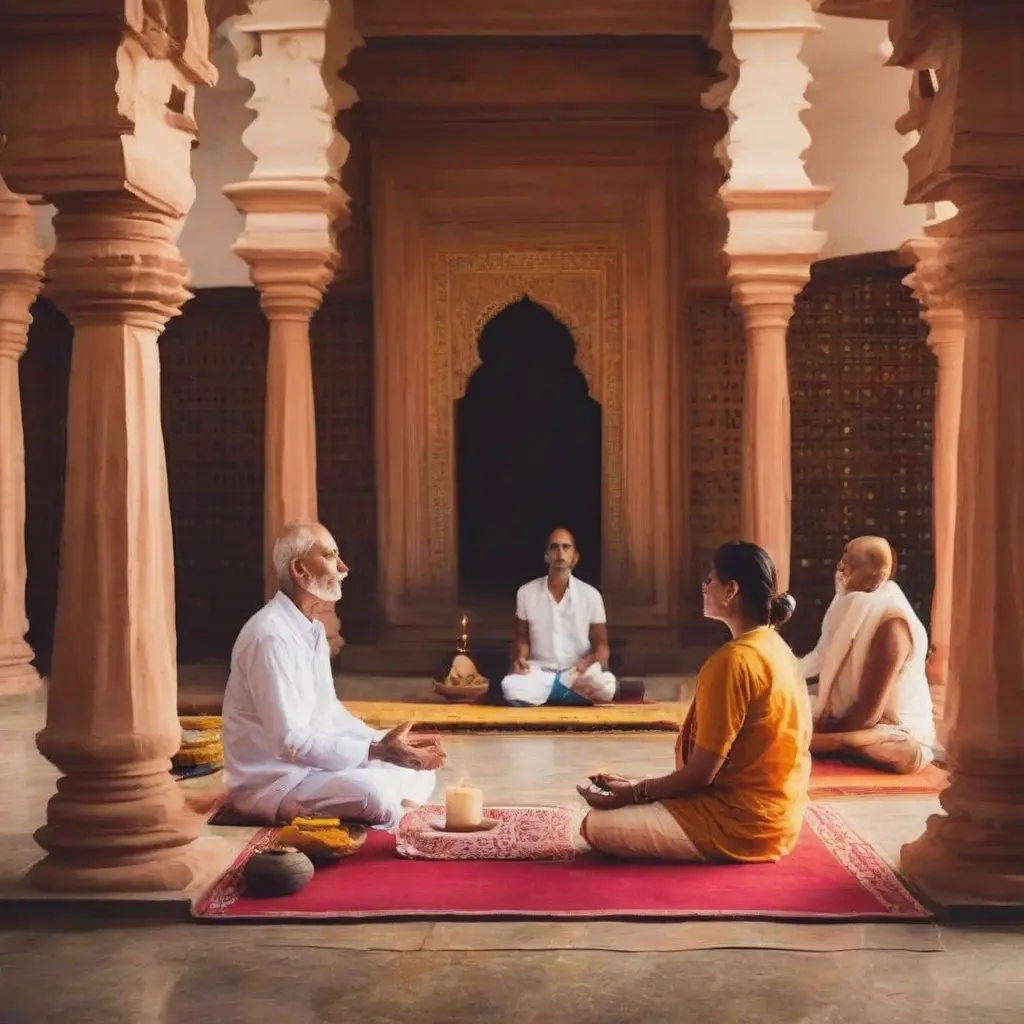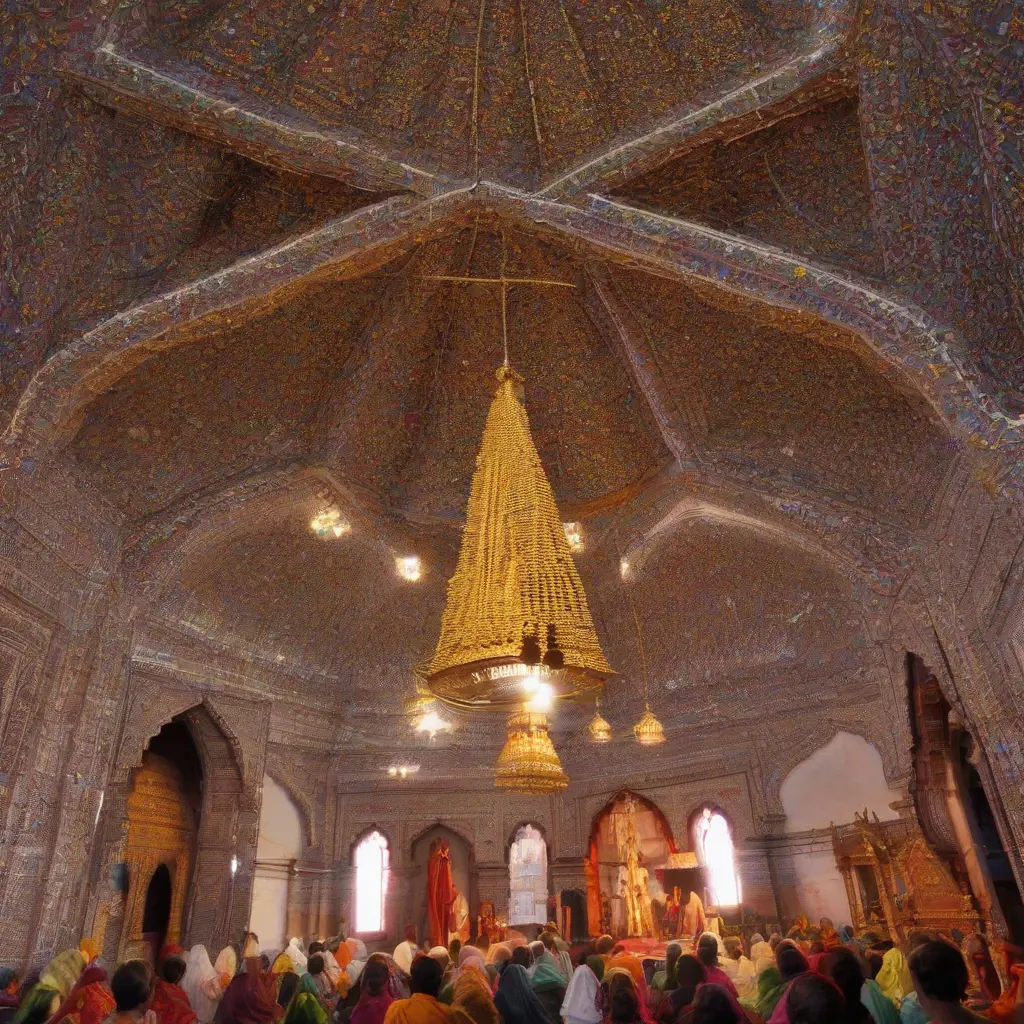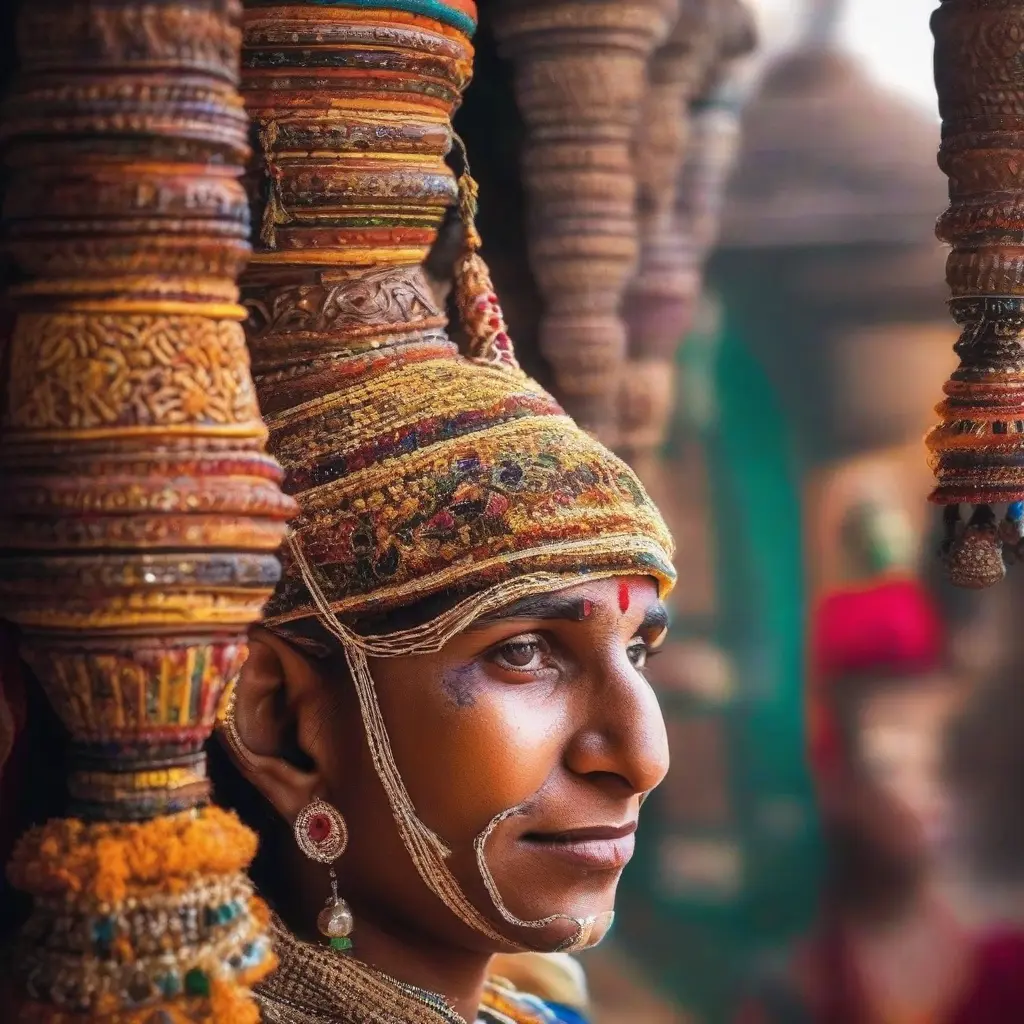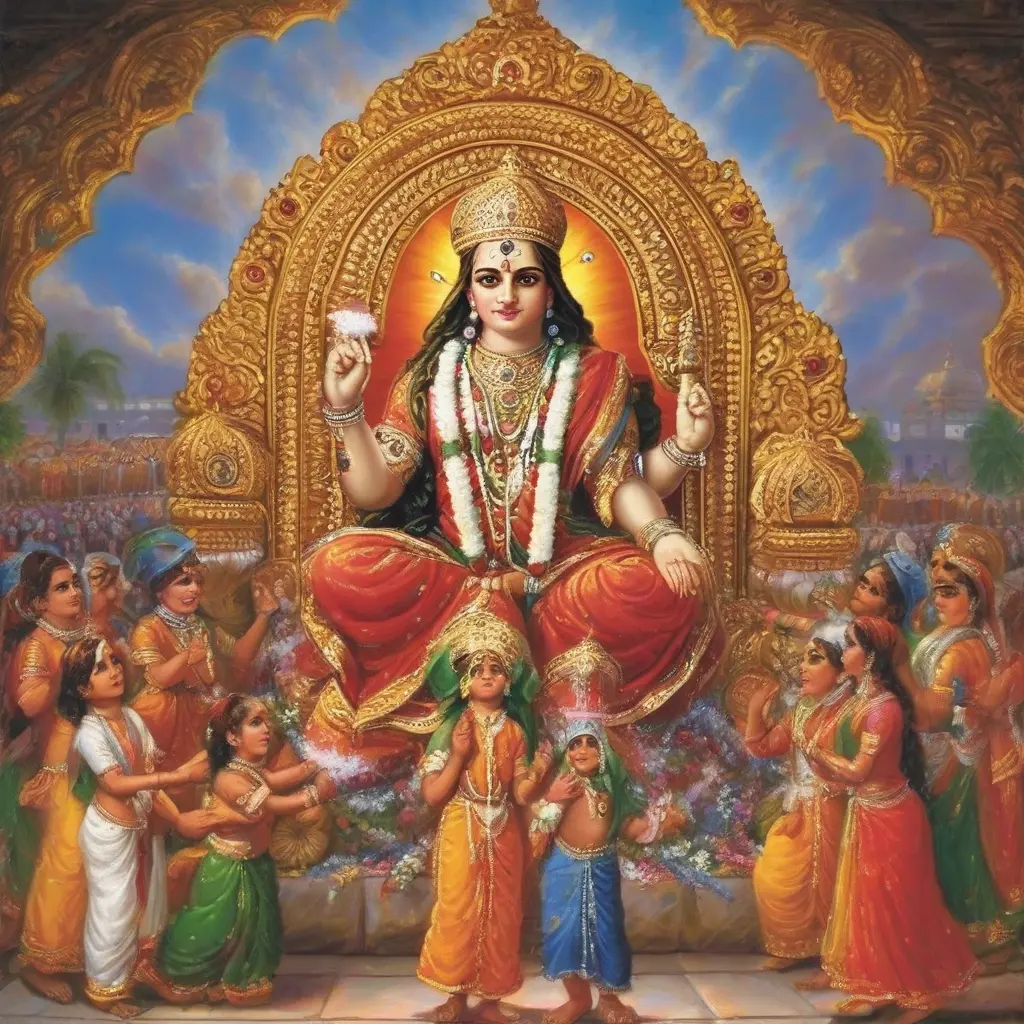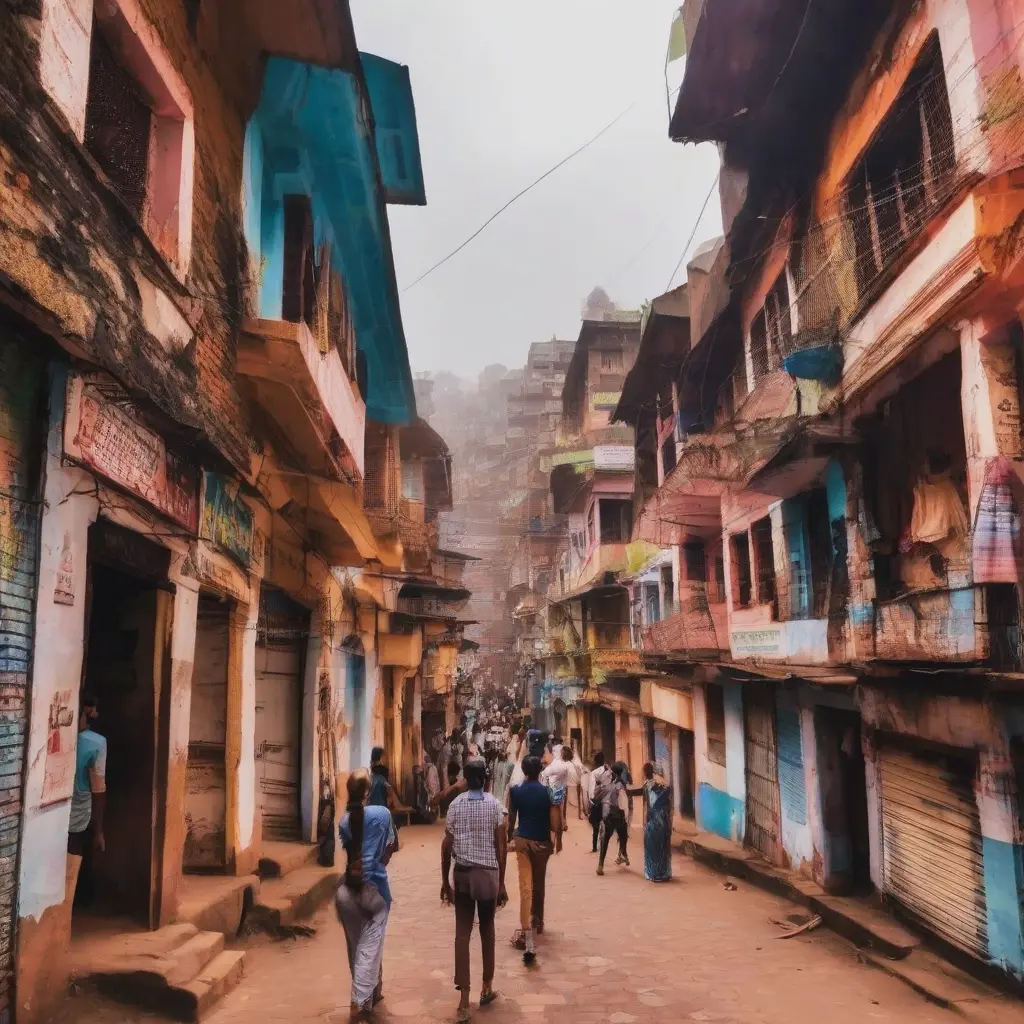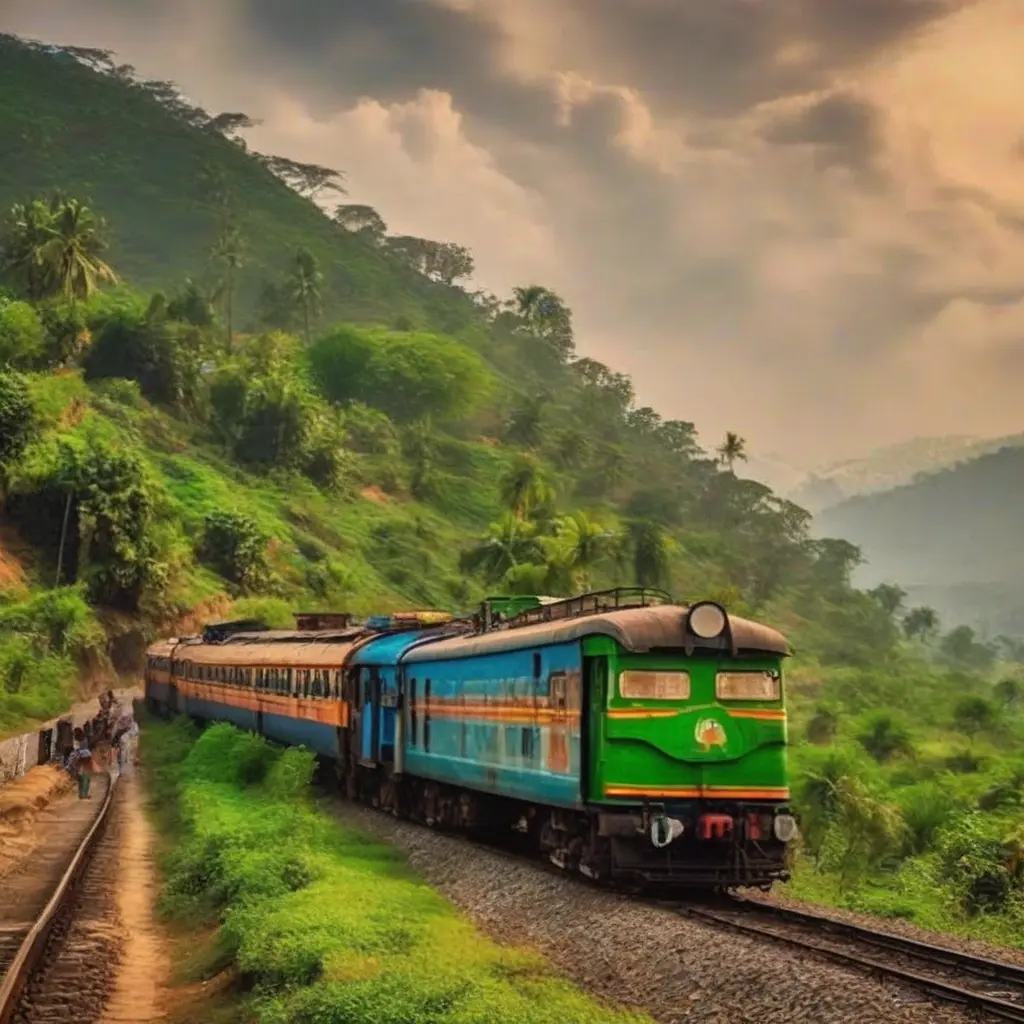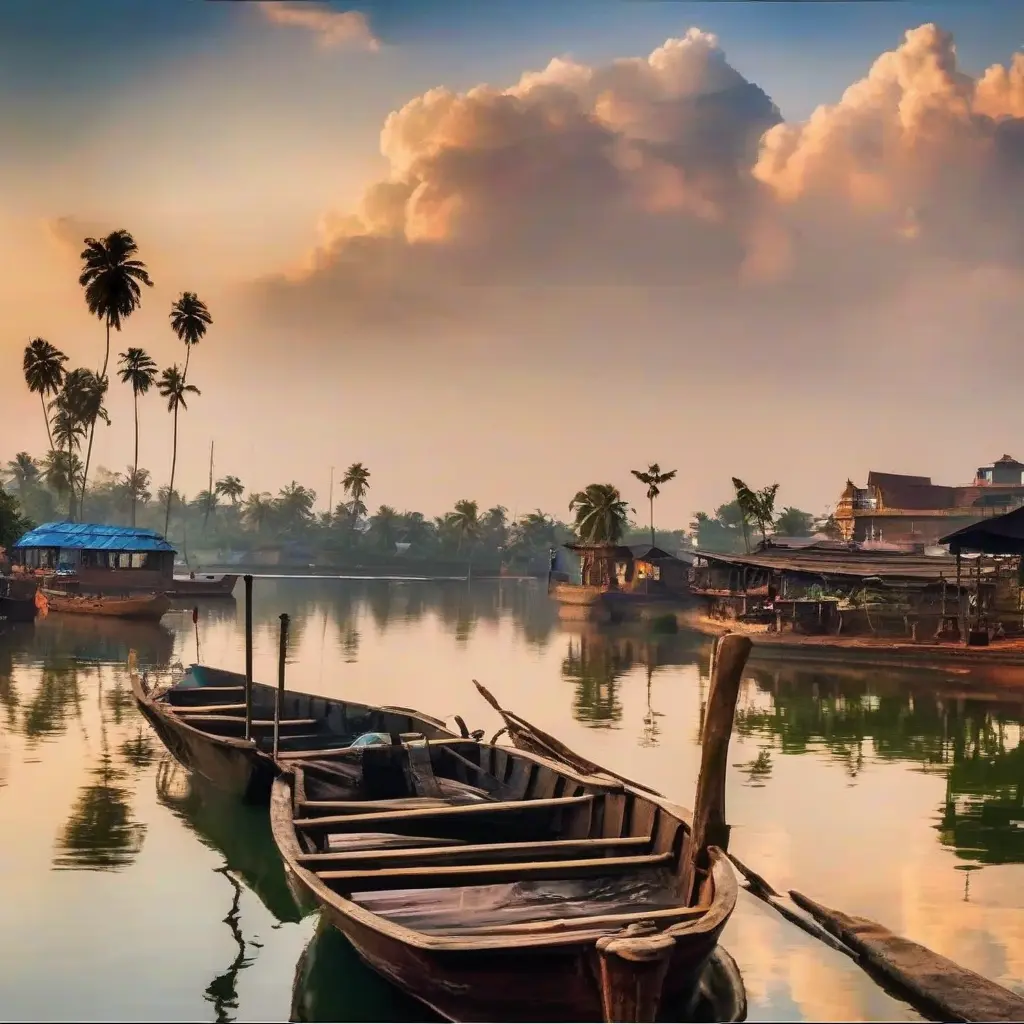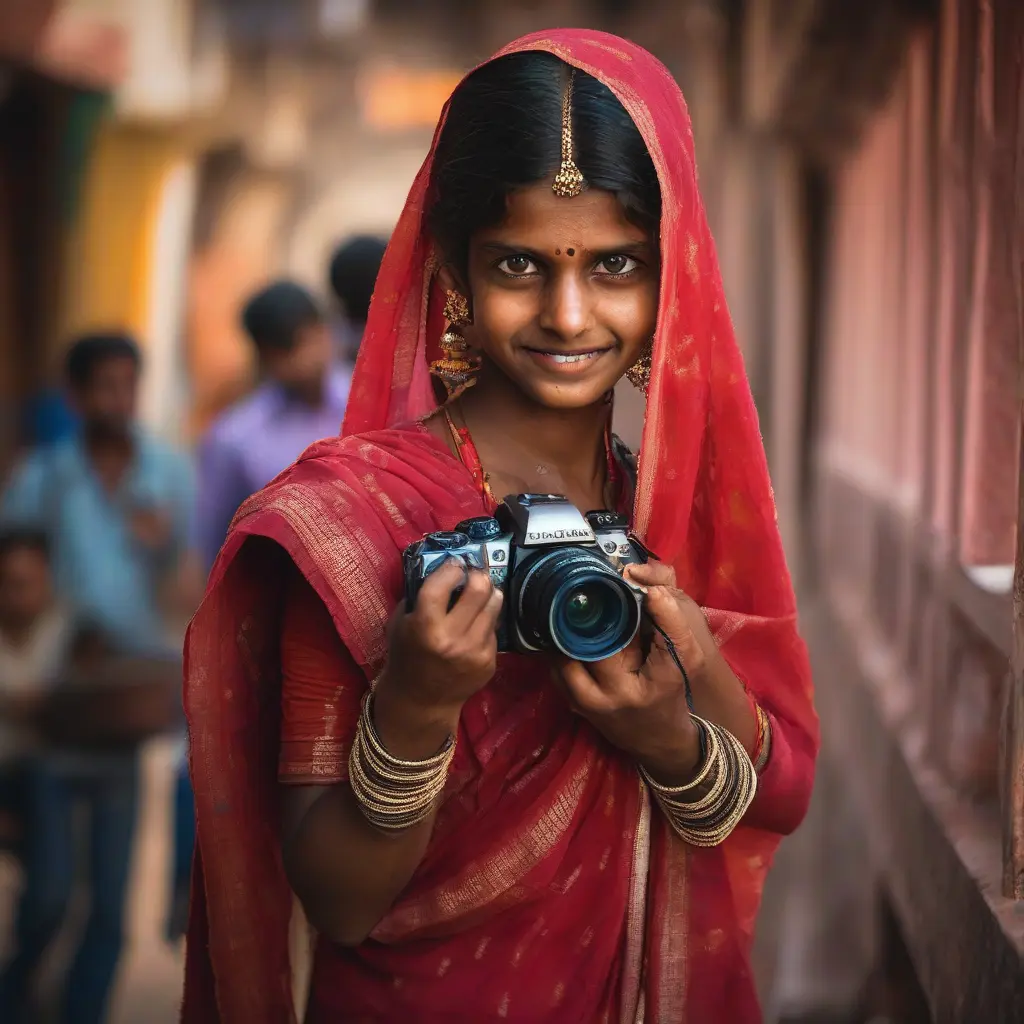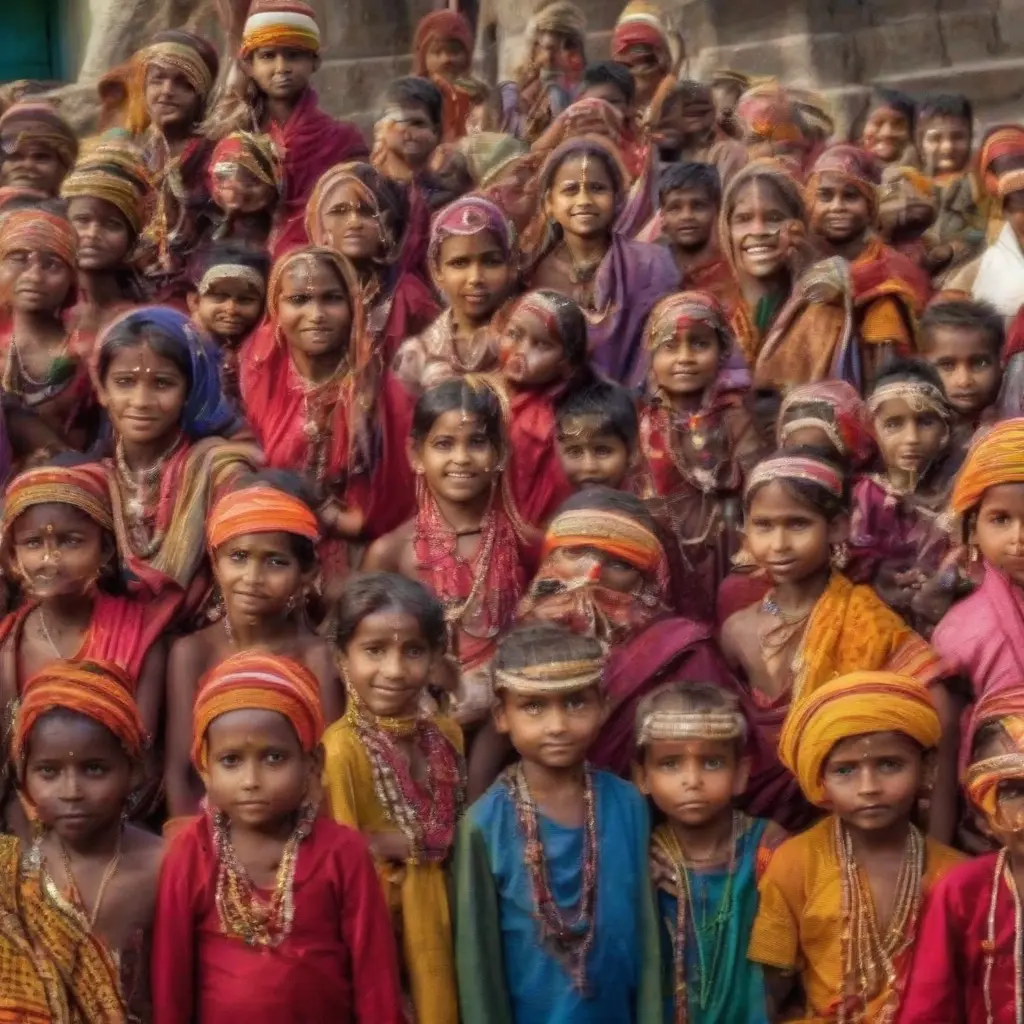
India is a vibrant tapestry of cultures, languages, and traditions, making it a fascinating destination for travelers. With over 2,000 distinct ethnic groups, the country offers a rich medley of experiences that allow visitors to dive deep into its diverse heritage. From the colorful attire of tribes in the Northeast to the spiritual practices in Rajasthan, each community presents a unique lifestyle, celebrating age-old rituals and crafts. This article highlights 25 exceptional ethnic communities in India, inviting cultural explorers to embark on a journey of discovery across this incredible land.
The Vibrant Khasi Tribe of Meghalaya
The Khasi tribe, indigenous to Meghalaya, offers travelers a chance to experience matrilineal society. Known for their rich musical heritage, the Khasi people celebrate various festivals with traditional songs and dances. The vibrant markets of Shillong, the state capital, are filled with local handicrafts and fresh produce. Tourists can explore the stunning landscapes of the region, including the living root bridges, which are a testament to the Khasi’s deep connection with nature. Engaging with the Khasi community provides insights into their unique customs, beautiful folklore, and way of life.
Exploring the Pahari Tribes of Himachal Pradesh
The Pahari tribes of Himachal Pradesh reside in the picturesque hills, boasting a rich cultural legacy and a deep bond with their environment. These communities celebrate several festivals, prominently featuring local deities and unique rituals. The Pahari people are well known for their intricate handicrafts, including woolen garments and wooden sculptures. Visitors can join in vibrant local events and experience the hospitality of the Pahari tribes, enriched by their love for music, dance, and traditional cuisine. The breathtaking vistas of the Himalayas further enhance the allure of exploring this vibrant cultural region.
The Colorful Bodo Community of Assam
The Bodo community is one of the largest ethnic groups in Assam, known for their vibrant culture and traditional festivals like Bwisagu. Their colorful attire, traditional music, and dance forms reflect the community’s rich heritage. The Bodo people are also skilled artisans, creating intricate bamboo and cane crafts. Visitors can immerse themselves in Bodo hospitality, enjoying traditional meals that highlight local flavors. A visit to Assam during the festive seasons offers a unique opportunity to engage with the community and witness lively celebrations that express their deep-rooted traditions.
The Enigmatic Santhal Tribe of Jharkhand
The Santhal tribe, one of India’s oldest communities, draws attention with its deep-rooted traditions and vibrant cultural expressions. Living primarily in Jharkhand, they have a rich history of agricultural practices and folk arts, including dance and music. Santhal dances are performed during festivals and harvest seasons, showcasing their connection to nature. Engaging with the Santhal community allows travelers to appreciate their unique lifestyle, cuisine, and crafts. The picturesque landscapes of Jharkhand further enrich the experience, making it an ideal destination for cultural exploration.
The Resilient Rajasthani Communities
Rajasthan is home to diverse ethnic communities, each with its unique customs and traditions. The Bhil, Kalbelia, and Gadol tribes, for instance, are known for their colorful attire, music, and dance. The Bhil community, often referred to as the original inhabitants of the region, practices traditional agricultural methods alongside vibrant art forms. Visitors can explore Rajasthan’s forts and palaces while engaging with locals and learning about their rich cultural heritage. Rajasthani cuisine, filled with rich flavors, further enhances the cultural experience, giving travelers an authentic taste of this majestic land.
The Diverse Communities of Gujarat
Gujarat is known for its multifaceted ethnic communities, each contributing to the state’s unique cultural tapestry. From the vibrant Garba dancers to the intricate handicrafts of the Kutch region, the communities offer a myriad of experiences. Influences from Jainism and Hinduism are visible in their festivals, art, and daily practices. The traditional foods, such as dhokla and khaman, showcase the region’s culinary diversity. Visitors can connect with various communities, learning about the harmonious coexistence of different religions and cultures in Gujarat, making it a colorful destination of cultural discovery.
The Unique Tribal Culture of the Nilgiri Hills
The Nilgiri Hills showcase a rich tapestry of tribal cultures, including the Todas, Kotas, and Kurumbas. These communities are known for their unique traditions, arts, and practices that have been preserved over centuries. The Todas, for example, are famous for their distinctive dairy farming methods and handicrafts. Tourists can explore the lush green landscapes while engaging with tribal community members to understand their way of life and traditional practices. The Nilgiris offer a tranquil environment that invites visitors to experience the rich heritage of these tribes, making it a captivating cultural exploration.
Understanding the Societies of the Andaman Islands
The Andaman Islands are home to several indigenous tribes, including the Jarawa and Sentinalese, who live in isolation and maintain traditional lifestyles. Visitors to these islands are encouraged to engage respectfully with local cultures. Understanding the customs, languages, and ways of life of these communities adds a unique layer to the Andaman experience. The islands themselves, with their pristine beaches and lush forests, provide the perfect backdrop for cultural exploration. Respectful interaction and awareness of local practices help preserve the delicate balance between tourism and indigenous cultures.
The Exquisite Handicrafts of Uttarakhand
Uttarakhand is distinguished by its rich tradition of handicrafts, stemming from various ethnic communities native to the region. The local artisans create beautiful products, from woolen shawls to intricate wood carvings. Communities like the Bhotiyas and Jaunsaris are celebrated for their craftsmanship and traditional lifestyles. Visitors can explore local markets and observe artisans at work, offering a glimpse into their cultural heritage. Festivals celebrated here often highlight traditional crafts, allowing travelers to connect deeply with the local way of life and appreciate the artistic expressions of these mountain communities.
The Spiritual Practices of the Adivasi
The Adivasi or indigenous communities across India, such as the Gond and Munda tribes, encompass a vast array of spiritual beliefs and practices intricately tied to nature. Their sacred rituals often celebrate the elements and natural surroundings, showcasing an enriching worldview. The Adivasi are also known for their artwork, particularly murals and paintings that depict their traditions and stories. Visitors have the opportunity to participate in rituals and festivities while gaining insights into the Adivasi lifestyle, promoting a greater appreciation for their connection to the land and spirituality that defines their identity.
The Kakchori: A Culinary Journey Through Chhattisgarh
The Kakchori community in Chhattisgarh presents a diverse culinary heritage influenced by various ethnic traditions. Their cuisine often uses locally sourced ingredients, creating profound flavor profiles rooted in nature. Engaging with the Kakchori people offers travelers a chance to learn cooking techniques and food preparation rituals. Traditional festivals often revolve around food, allowing visitors to experience cultural practices intimately. The culinary journey through Chhattisgarh not only satisfies the palate but also nurtures connections with the community, offering a deeper understanding of their lifestyle and traditions.
Celebrating the Mizo Culture of Mizoram
The Mizo community in Mizoram is celebrated for its distinct musical heritage and vibrant festivals. Events like Chapchar Kut and Pawl Kut showcase traditional dance forms and songs that reflect their rich culture. The Mizo people are skilled in weaving and handicrafts, with traditional attire often made from handwoven textiles. Engaging with Mizo communities provides visitors insights into their culture, customs, and sustainable lifestyles. The breathtaking landscapes of Mizoram complement the vibrant community celebrations, making it a perfect destination for cultural travelers in India.
The Resilient Ladakhi Communities
The communities in Ladakh stand resilient against extreme weather conditions, preserving unique cultural identities. The traditional lifestyle is centered around Buddhism and agriculture, with festivals like Hemis and Losar drawing visitors from around the globe. Ladakhi cuisine, characterized by flavorsome dishes such as thukpa and momos, offers a delightful culinary experience. Engaging with local monasteries and participating in spiritual practices allows travelers to gain deeper insights into Ladakhi culture. The stunning landscapes of the Himalayas further enhance the allure of visiting this mountainous region, making it a must-experience cultural hub.
The Breathtaking Culture of the Dogri People
The Dogri community, primarily located in Jammu, showcases a rich cultural heritage intertwined with folk music and dance. Their traditional celebrations and festivals reflect age-old customs and community bonding, attracting visitors year-round. Dogri cuisine, renowned for its robust flavors, offers a unique culinary journey within regional traditions. The artisans of this community are known for their craftsmanship, particularly in woodwork and pottery. Exploring Dogri culture allows travelers to appreciate their artistic expressions and closely knit community relationships, providing a unique insight into the diverse cultures of India.
The Unique Lifestyle of the Nicobarese Tribe
The Nicobarese tribe is one of the largest indigenous communities in the Nicobar Islands, known for their distinct lifestyle and practices. Their everyday life is closely tied to the oceans, relying on fishing and agriculture for sustenance. The Nicobarese culture is characterized by unique customs, vibrant clothing, and traditional festivals, often revolving around the seasons. Visitors to the Nicobar Islands can engage with the community to learn about their practices and beliefs, while experiencing the stunning natural beauty of the islands. This cultural exchange fosters appreciation and respect for their way of life.
The Cultural Tapestry of the Korku Tribe
The Korku tribe of Madhya Pradesh is known for its rich cultural practices and connection to nature. Their traditions include diverse agricultural methods and various unique local customs that define their community life. Celebrated for their expressive folk songs and dances, the Korku people often engage deeply with their environment, which is reflected in their art and lifestyle. Visitors can participate in local festivities to experience the joy and harmony of community celebrations. Engaging with the Korku tribe allows travelers to understand their ecosystem and traditions, fostering meaningful cultural exchanges.
Discovering the Gaddi Community of Himachal Pradesh
The Gaddi community in Himachal Pradesh leads a pastoral life, characterized by sheep herding and traditional customs that reflect their connection to the region’s rugged terrain. Known for their beautiful woolen garments and vibrant festivals, the Gaddi people offer travelers a glimpse into a unique way of life. Their vibrant fairs and celebrations showcase rich traditions and folk music, providing an authentic cultural experience. Visitors can trek through the stunning landscapes accompanied by local guides, exploring the rich heritage and warm hospitality of the Gaddi community along the way.
Connecting with the Jarawa Tribe in Andaman
The Jarawa tribe, one of the indigenous groups of the Andaman Islands, lives in harmony with their surroundings and showcases a unique way of life. This semi-nomadic community relies heavily on hunting and gathering, reflecting a profound relationship with nature. While interaction with the Jarawa people is limited to ensure their privacy and safety, visiting areas near their habitat provides a glimpse of their distinct lifestyle. Efforts towards sustainable tourism ensure that the tribe remains protected while fostering awareness around their cultural significance, allowing travelers to appreciate their unique heritage.
Experiencing the Local Cultures of Arunachal Pradesh
Arunachal Pradesh is renowned for its ethnic diversity, hosting numerous tribal communities, each with unique customs. The Apatani, Nyishi, and Monpa tribes, for example, exhibit distinct cultural practices, languages, and attire. Festivals such as Losar and Dree reflect the rich spiritual and agricultural traditions of these communities. Visitors can experience traditional crafts, music, and dance while interacting with local people, gaining insights into their vibrant lifestyles. Exploring Arunachal Pradesh allows travelers to understand the complex tapestry of cultures, fostering appreciation for the region’s heritage and spiritual richness.
The Cultural Richness of the Banjara Community
The Banjara community, often called the gypsies of India, is renowned for their vibrant clothing and artistic traditions. This nomadic tribe has a rich history of trade and cultural exchange, celebrated through their folk songs and dances. The Banjara artisans are particularly known for their elaborate embroidery and craftsmanship. Visiting their community during festivals and fairs offers travelers a unique opportunity to engage with their rich cultural practices. Understanding Banjara traditions enriches the travel experience by connecting visitors to India’s colorful nomadic heritage.
Conclusion
Embarking on a journey through India’s diverse ethnic communities offers a profound experience that transcends mere sightseeing. Engaging with the cultures, traditions, and histories of these communities fosters mutual respect and understanding. Each community has its unique narrative, shaped by centuries of heritage, making India a captivating destination for cultural explorers. As travelers connect with indigenous peoples, their enriching experiences significantly contribute to the preservation and appreciation of these vibrant cultures, often leading to lasting memories and insights.