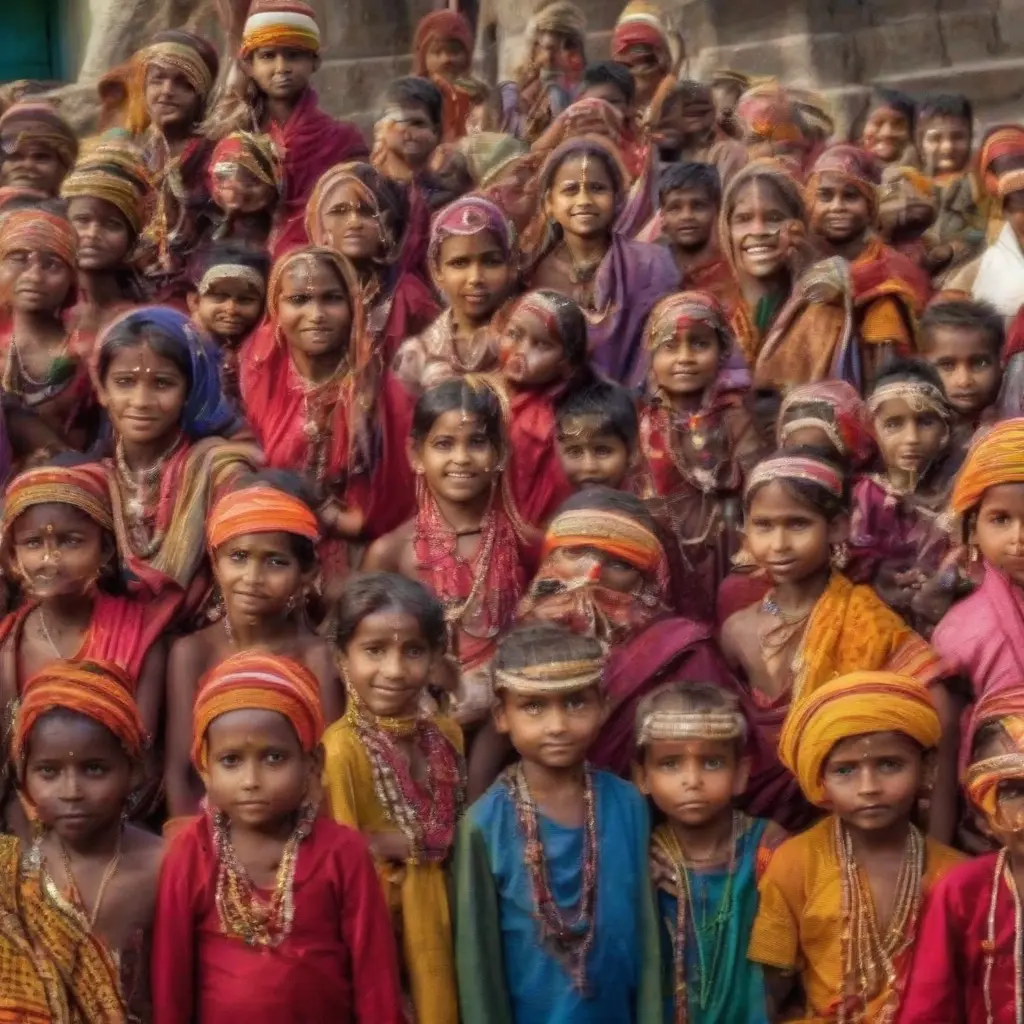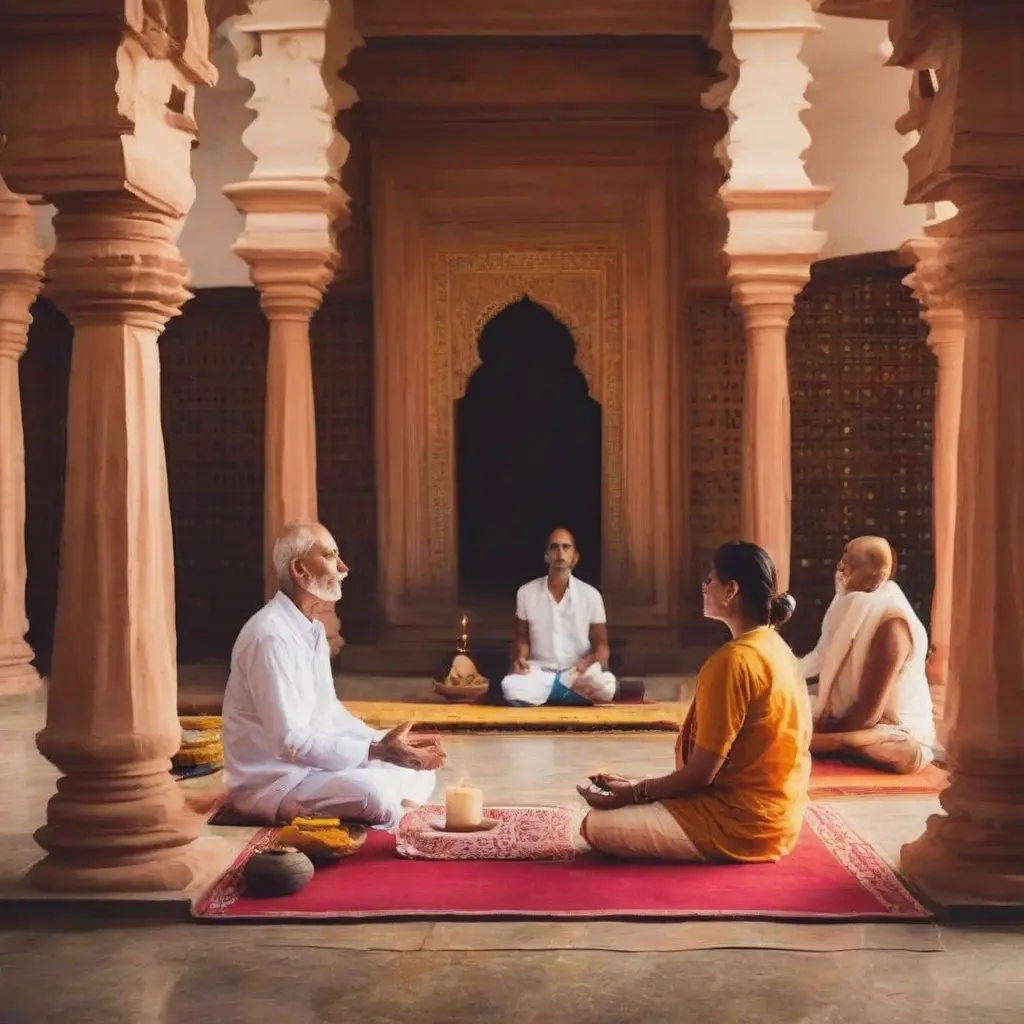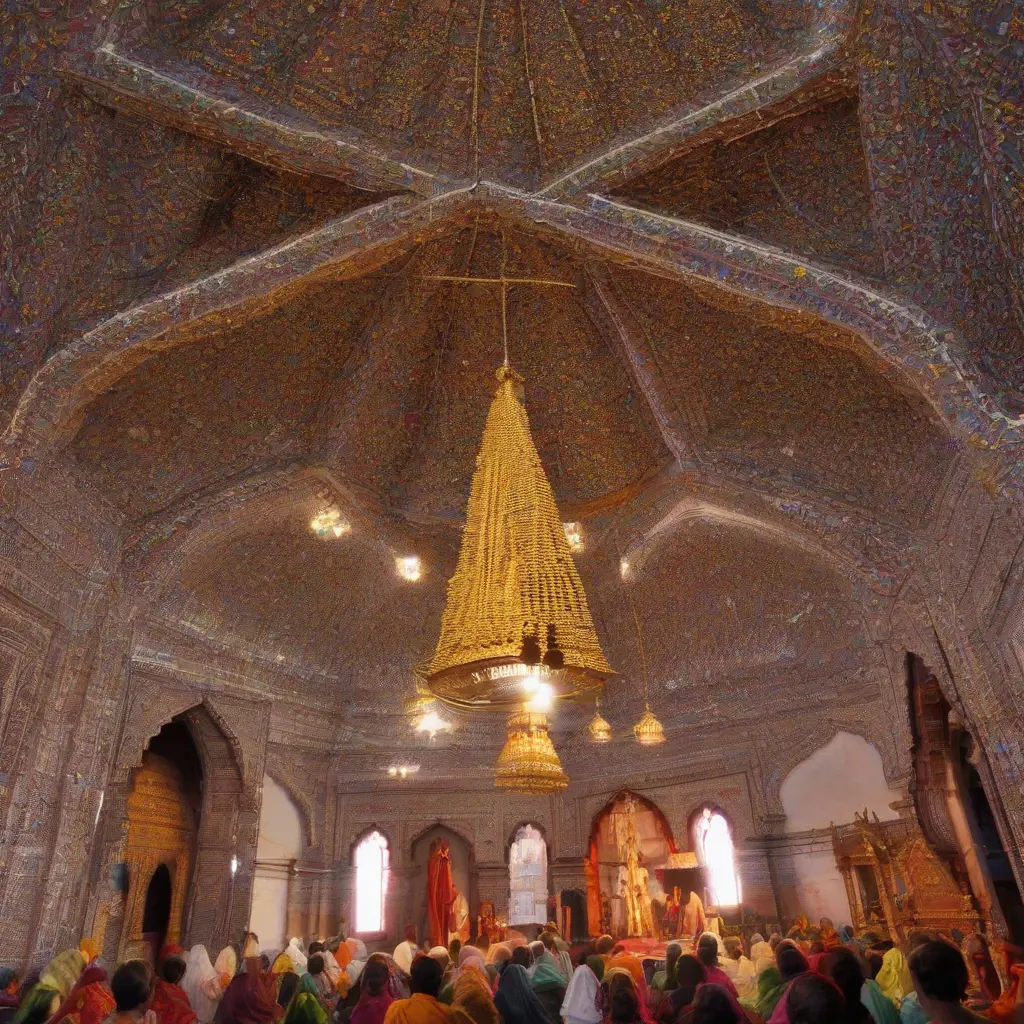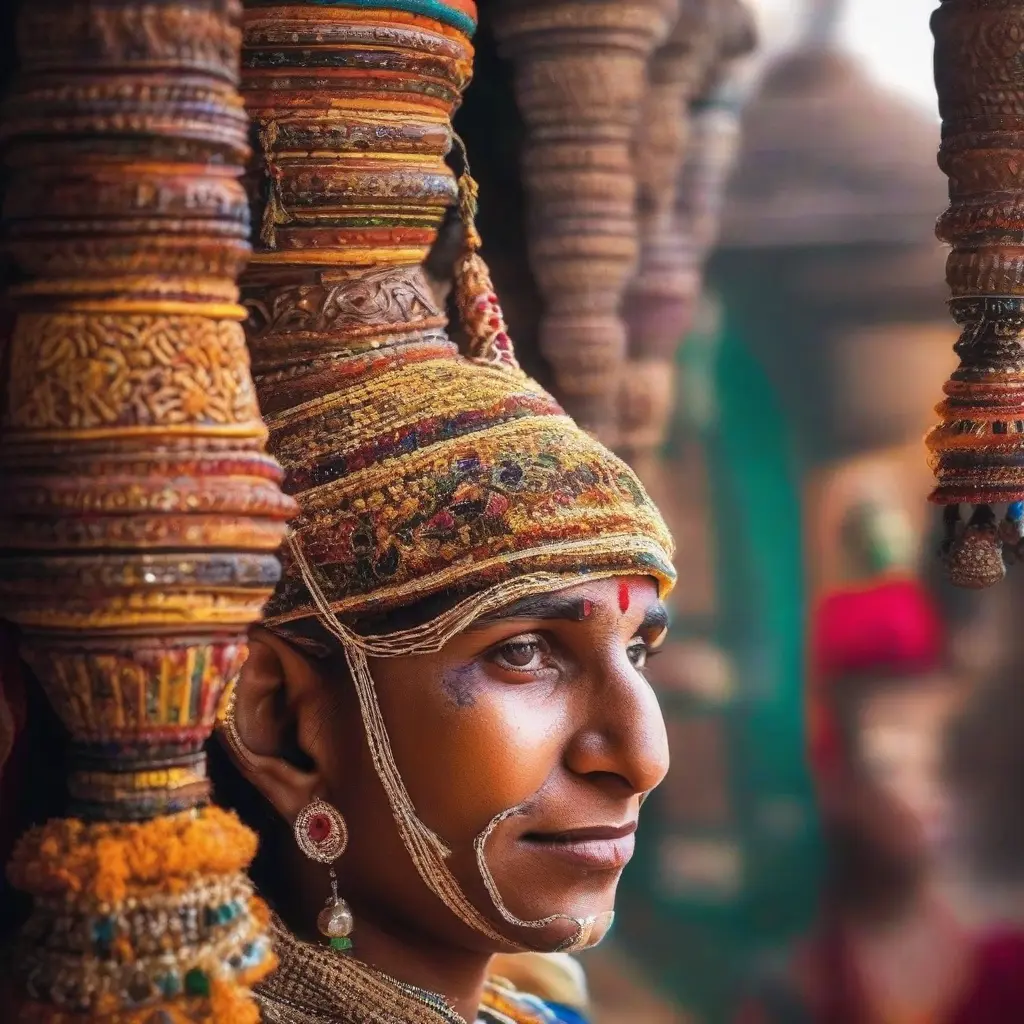
India’s rich tapestry of cultures is woven with vibrant arts and crafts that reflect its diverse heritage. Participating in cultural workshops offers visitors a unique opportunity to immerse themselves in local traditions, meet artisans, and create handmade items. From intricate pottery to traditional textile painting, these workshops not only educate but also empower local communities. This article highlights ten distinctive cultural workshops across India, where travelers can learn, engage, and appreciate the artistry that defines various regions.
1. Pottery Workshops in Jaipur
Jaipur, the Pink City, is renowned for its exquisite pottery and blue pottery techniques. In local workshops, participants can explore the intricacies of this craft under the guidance of skilled artisans. From kneading clay to shaping pots and vibrant glazing, each step is a hands-on experience. Visitors can create their own pottery pieces while learning about the rich traditions that have passed down through generations, making it a memorable aspect of their journey.
2. Textile Painting in Gujarat
Gujarat is famous for its colorful textiles and traditional embellishments. Workshops focused on textile painting allow participants to explore the art of block printing and tie-dye techniques. Guided by local artists, visitors can paint their own fabrics, learn about historical designs, and understand the cultural significance of textile art in Gujarat. This experience not only supports local artisans but also enables travelers to take home a piece of unique craftsmanship.
3. Kathakali Dance Workshops in Kerala
Kathakali, a classical dance form of Kerala, is known for its elaborate costumes and expressive gestures. Workshops in this art form offer participants the chance to learn basic movements and storytelling techniques. Professional dancers teach the intricate footwork and facial expressions that define Kathakali. This immersive experience helps travelers appreciate the significance of this art in Kerala’s cultural narrative while gaining new insights into complex storytelling through dance.
4. Wood Carving in Khajuraho
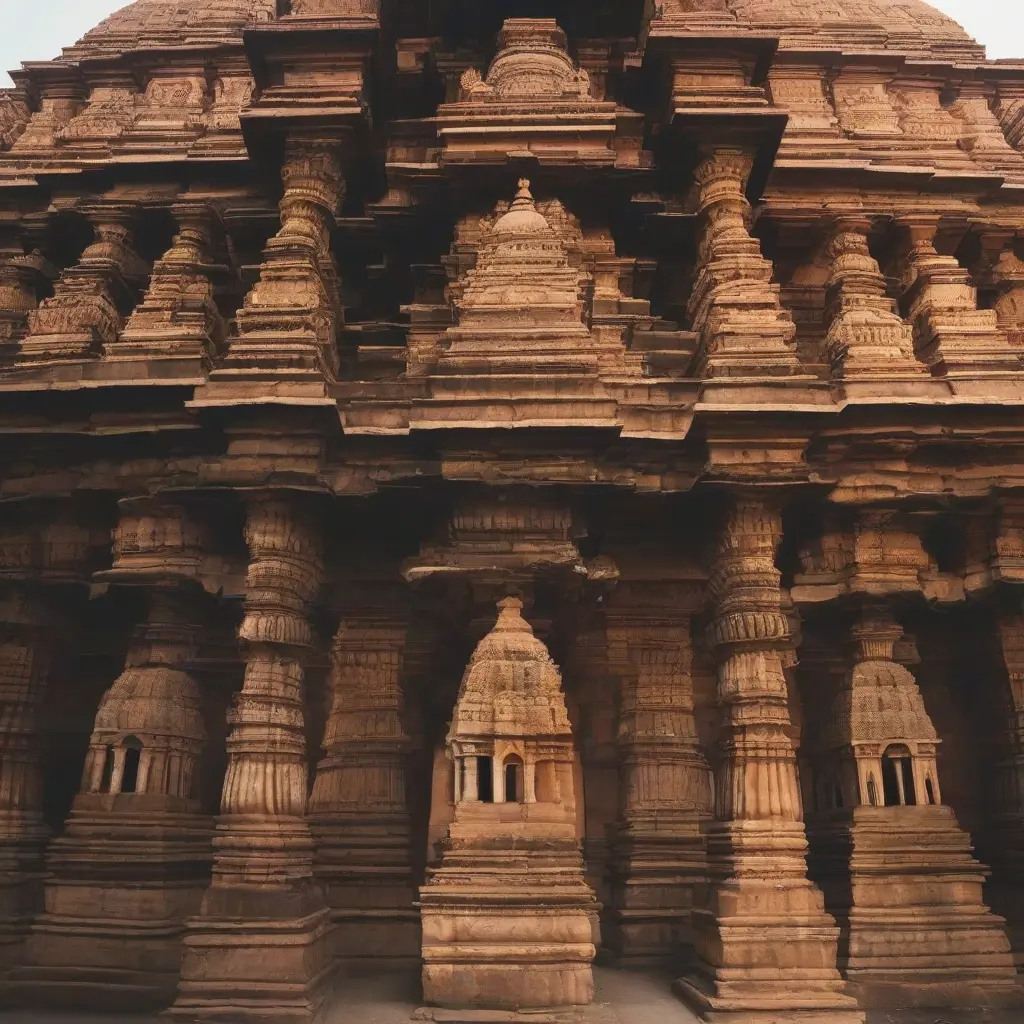
Khajuraho, famous for its temples adorned with intricate sculptures, offers wood carving workshops that delve into this ancient art form. Participants engage with local artisans who guide them through selecting suitable woods and carving techniques. This workshop emphasizes the importance of patience and meticulousness in creating aesthetic pieces. Travelers can produce their carved artworks, embodying a memorable connection to the cultural richness of Khajuraho’s artistic heritage.
5. Madhubani Painting in Bihar
Madhubani painting, originating from Bihar, is characterized by its vibrant colors and intricate designs inspired by nature and mythology. Workshops allow participants to learn the traditional methods of this folk art, guided by skilled local artists. Participants explore the use of natural dyes and brushes made from twigs, gaining insight into the cultural history behind this art form. The experience of creating unique pieces boosts appreciation for this ancient practice and the artists who keep it alive.
6. Pottery and Ceramics in Puducherry
In Puducherry, visitors can immerse themselves in workshops focused on pottery and ceramics, where they learn traditional techniques from local potters. The sessions emphasize hand-building techniques and wheel work, allowing participants to create functional or decorative pieces. This hands-on experience offers insights into the community’s lifestyle and pottery’s role in everyday life. By the end of the workshop, participants not only gain skills but also create memorable pieces reflective of their artistic journey.
7. Bamboo Craft in Assam
Assam’s bamboo craftsmanship is an integral part of its cultural heritage. Workshops dedicated to bamboo weaving provide participants with the skills to create functional items like baskets and mats. Under the guidance of skilled artisans, attendees learn the significance of bamboo in Assamese culture and the sustainable practices involved in this craft. This workshop fosters a deeper understanding of eco-friendly crafting while enabling travelers to craft unique items to take home.
8. Stone Sculpture in Hampi
Hampi, a UNESCO World Heritage Site, is known for its ancient temples and stone sculptures. Workshops in stone sculpting allow participants to learn the basics of working with granite and other rocks. Skilled sculptors teach techniques that include hammering, chiseling, and polishing. This hands-on experience provides insights into the painstaking work involved in creating Hampi’s monumental structures, enriching visitors’ appreciation for stone artistry and its historical importance.
9. Weaving in Varanasi
Varanasi, famous for its silk weaving, offers workshops where participants can engage with the craft of weaving traditional sarees. Local artisans guide attendees through the process of using a handloom, teaching them to create intricate patterns. This immersive experience highlights the significance of silk weaving in Varanasi and its lasting legacy. Participants not only gain the skills to create their pieces but also form a personal connection to a traditional craft that has persisted through generations.
10. Hand Knotted Carpets in Rajasthan
Rajasthan is well-known for its vibrant hand-knotted carpets, showcasing intricate patterns and colors. Workshops provide participants with the chance to learn this meticulous craft from experienced artisans. Attendees are introduced to the different types of knots and the process of designing a carpet, combining art and craftsmanship. This unique experience fosters an appreciation for the effort and creativity involved in carpet making, allowing participants to create samples that reflect their artistic vision.
Conclusion
Engaging in local cultural workshops across India presents a remarkable opportunity to experience the country’s diverse arts and crafts firsthand. Each workshop offers a unique blend of learning, creativity, and cultural exchange. By participating in these hands-on activities, travelers not only support local artisans but also gain a deeper understanding of India’s rich cultural heritage, enhancing their journey through this vibrant nation.