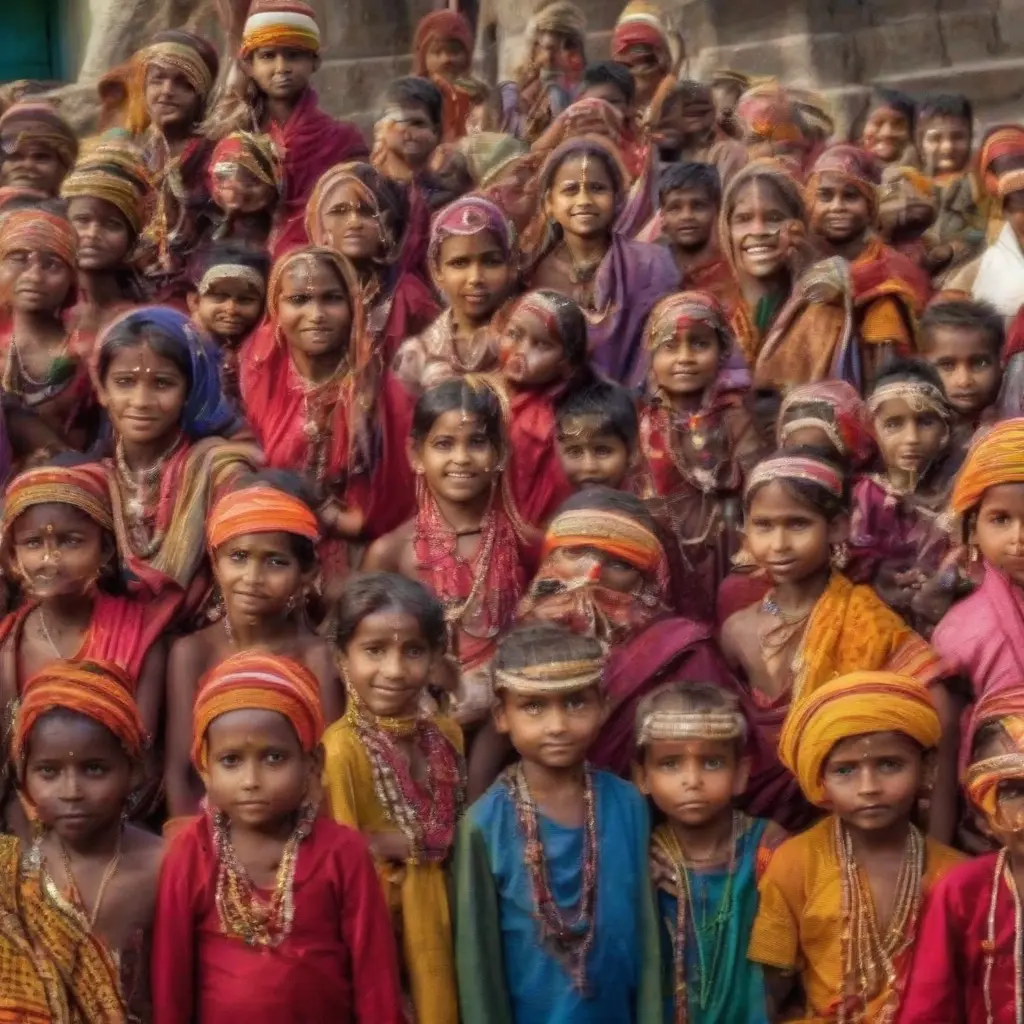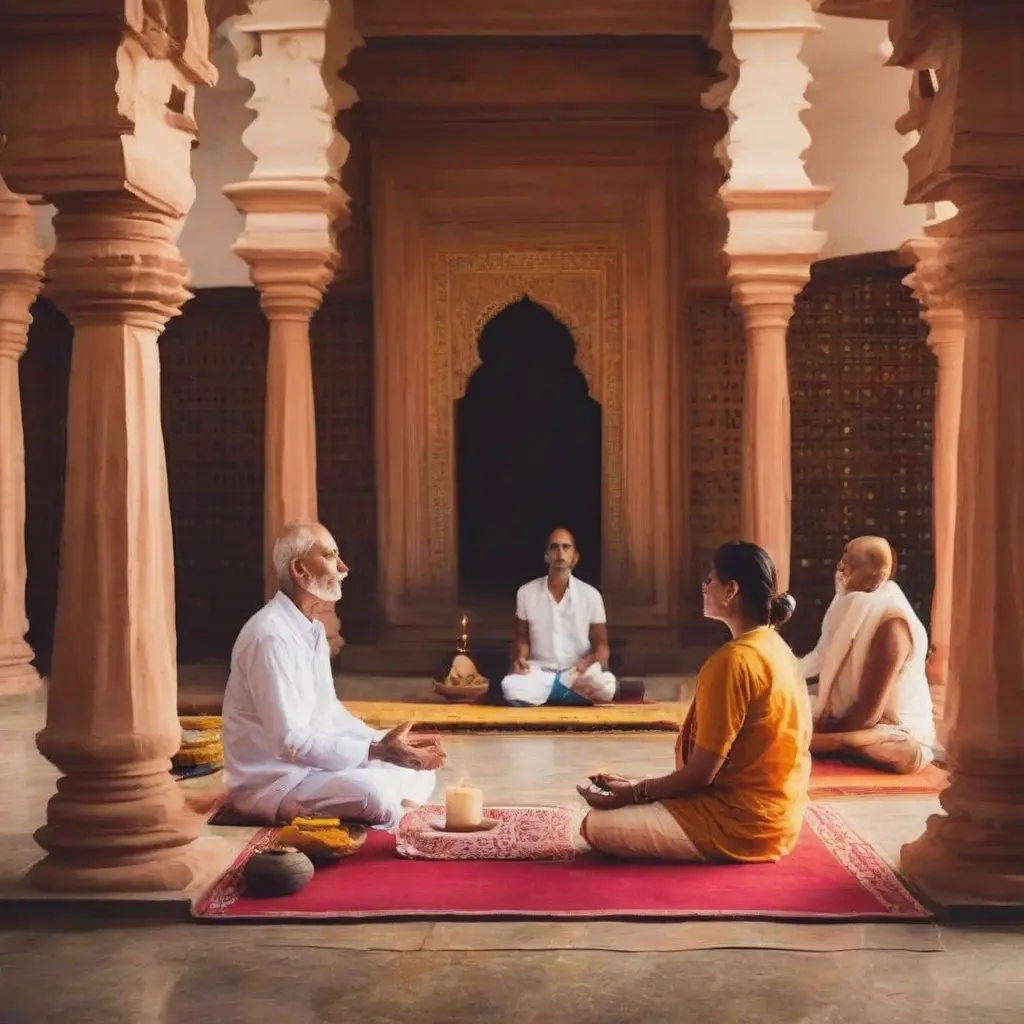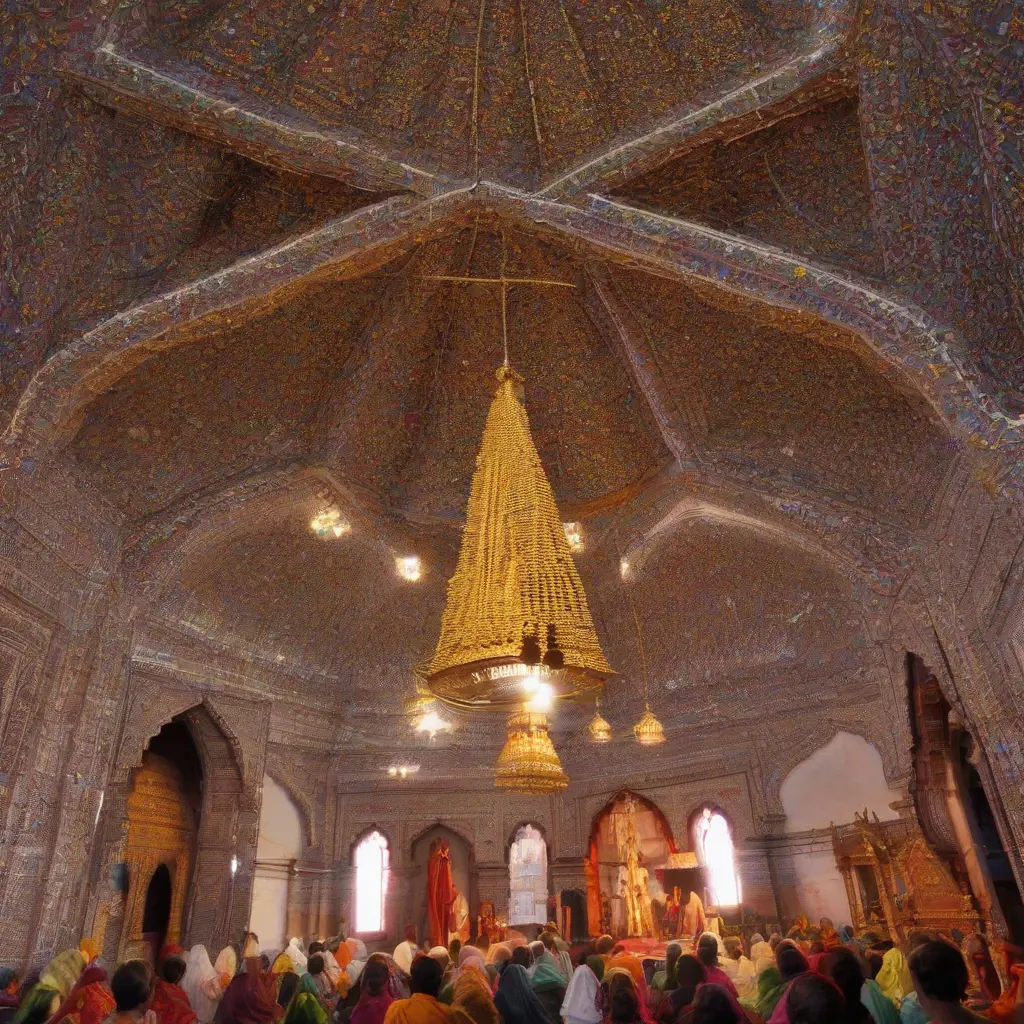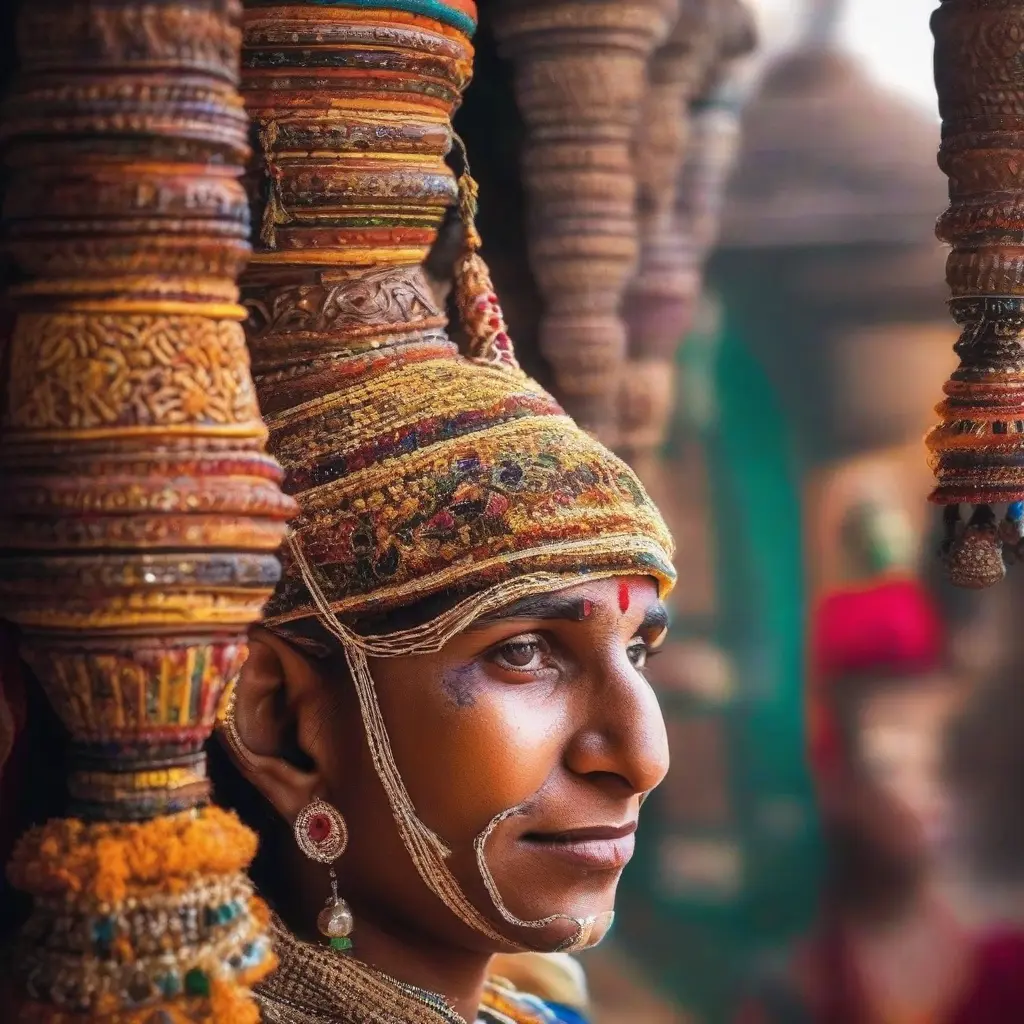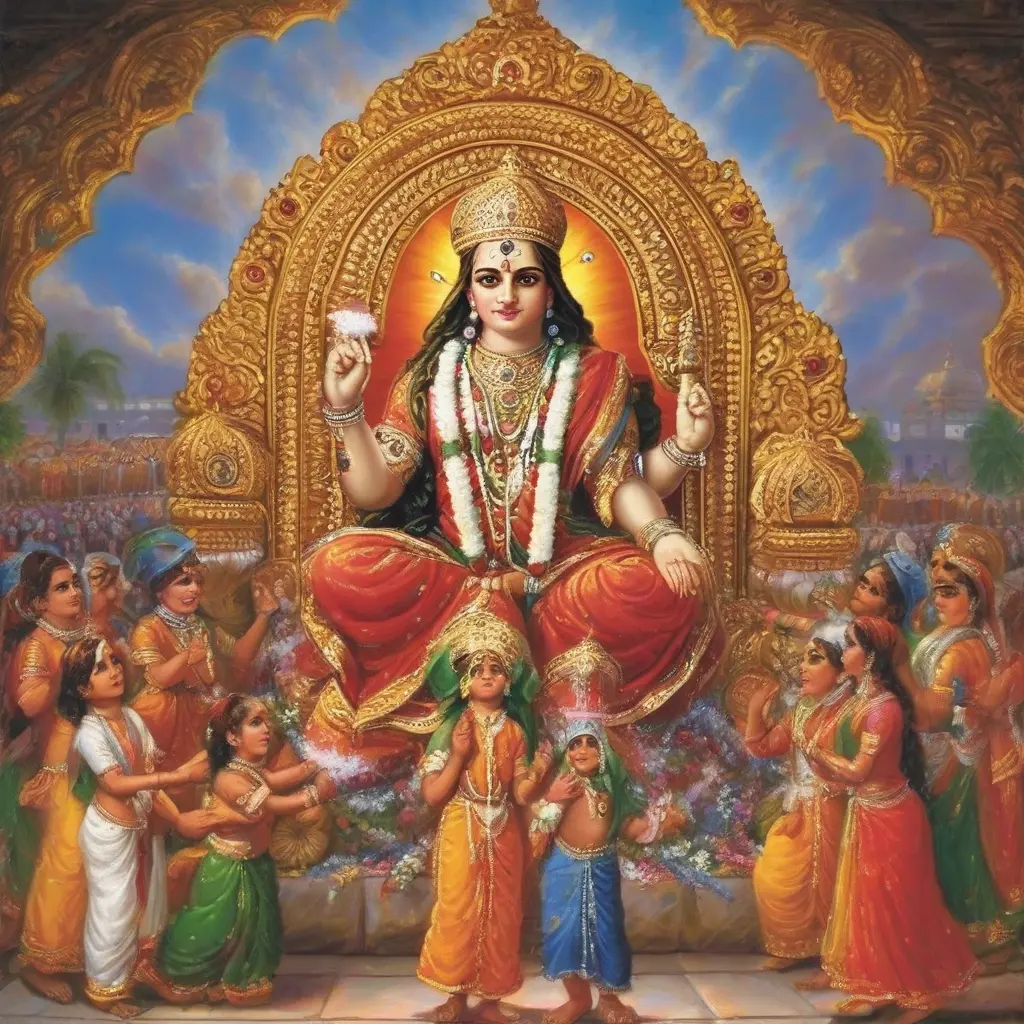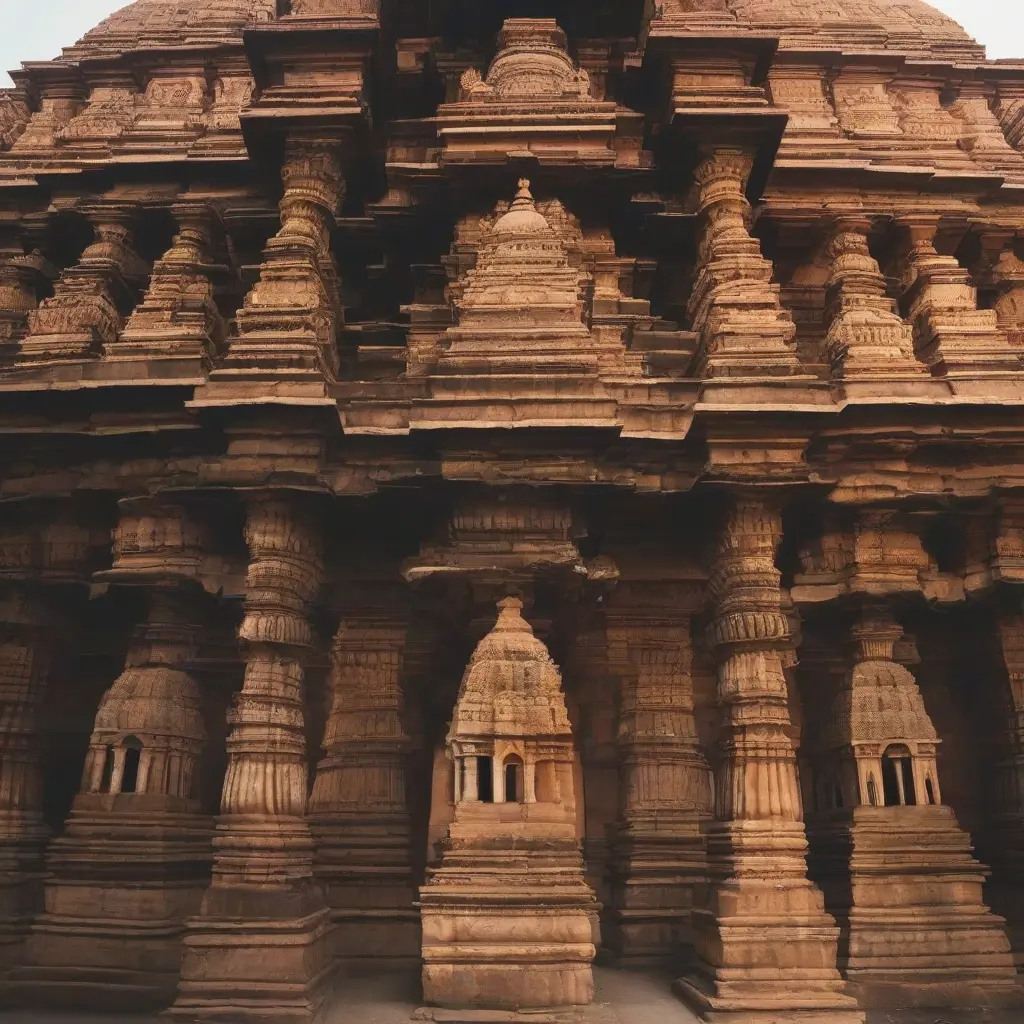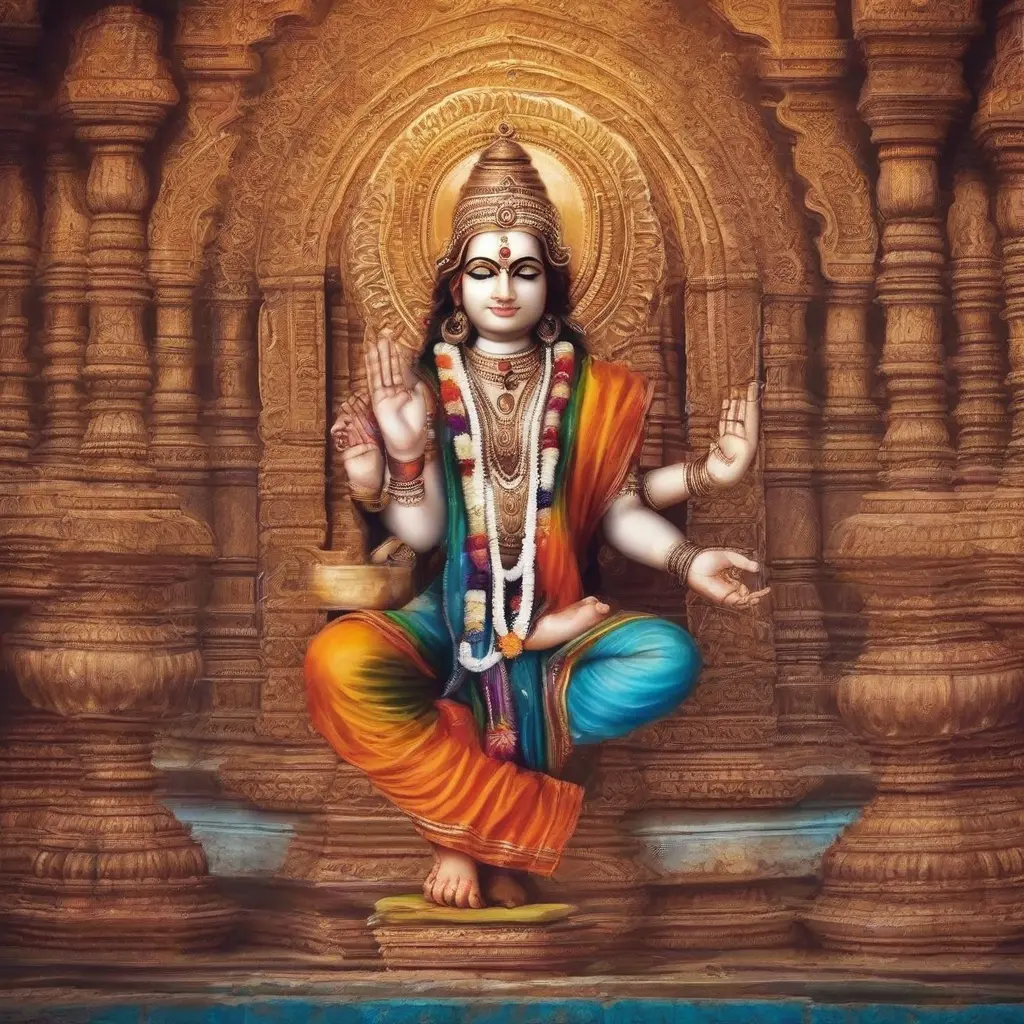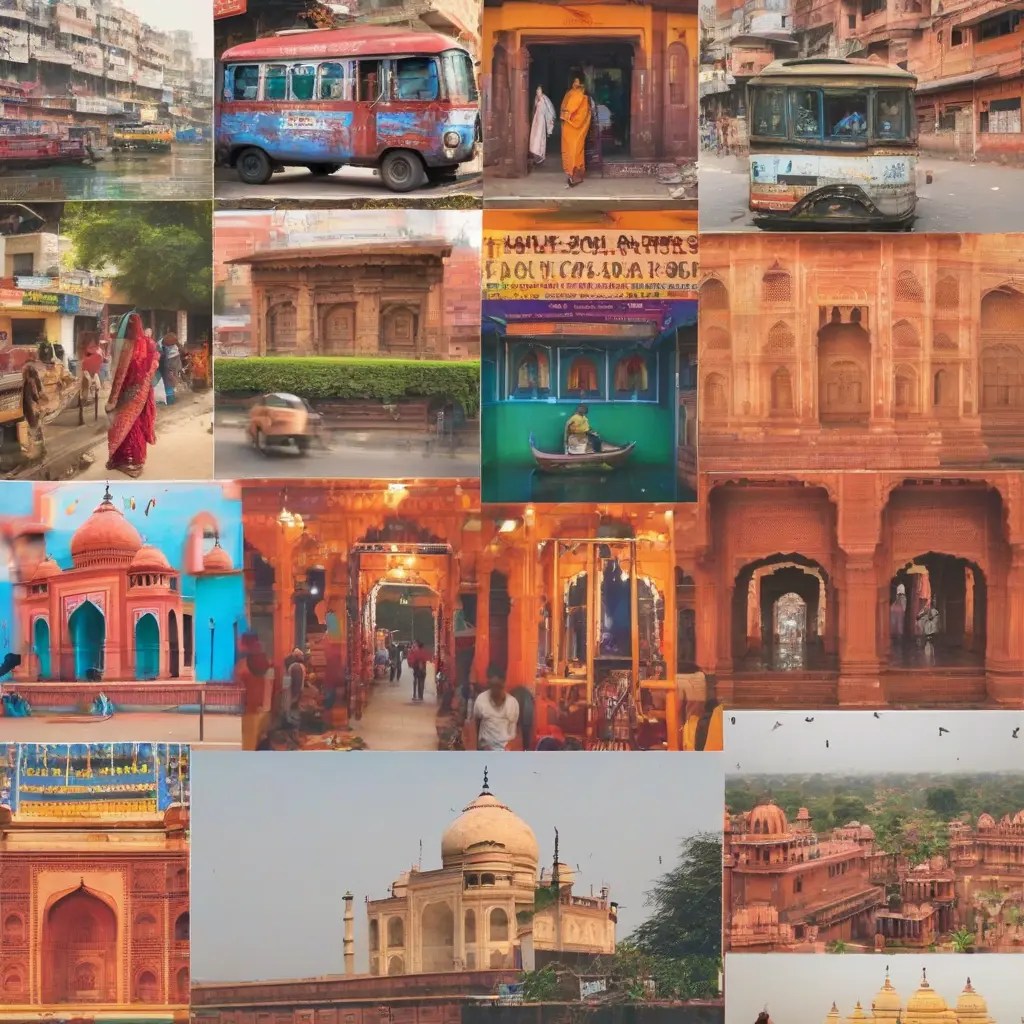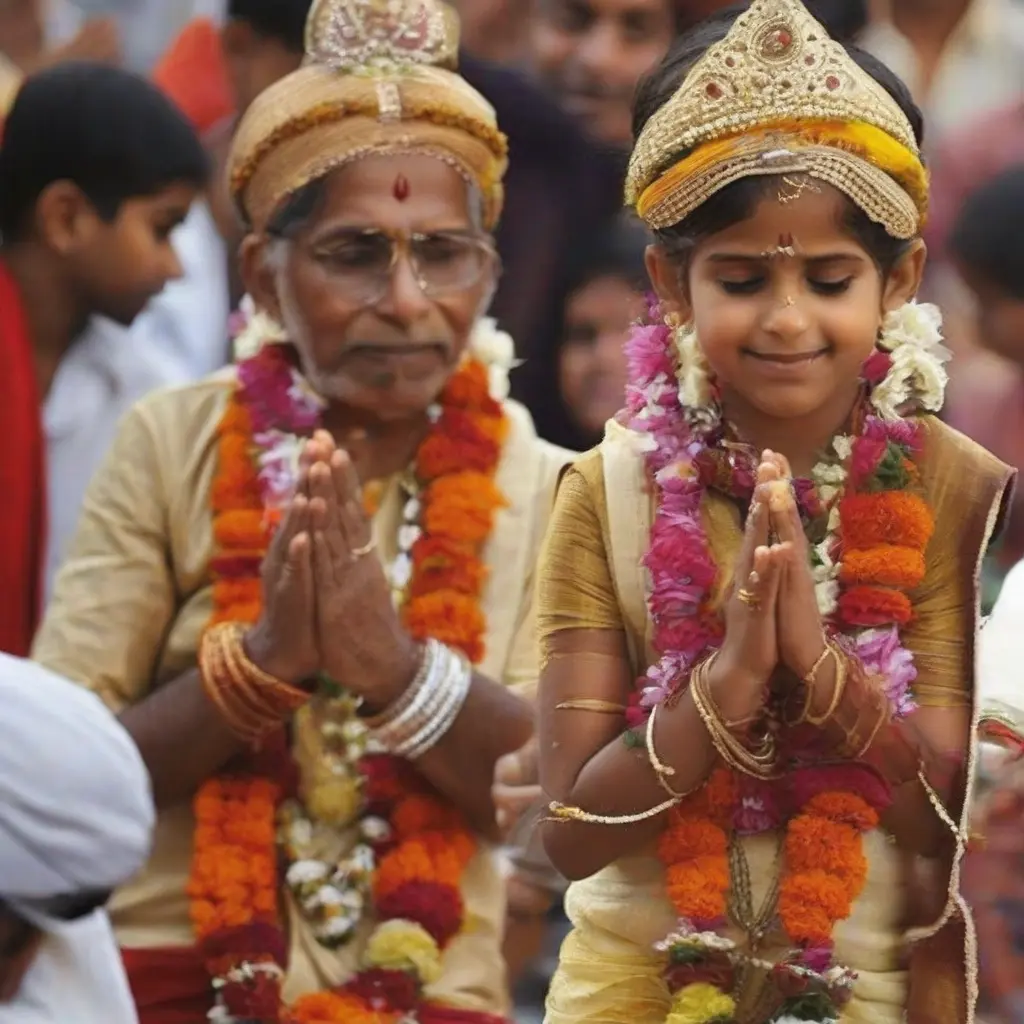
India is renowned for its diverse pilgrimage sites that attract millions of devotees and travelers seeking spiritual enrichment. From the sacred rivers to ancient temples, each site is steeped in cultural practices and unique rituals. This article explores 15 popular rituals at Indian pilgrimage destinations, shedding light on their significance and traditions. These practices not only reflect the spiritual ethos of the region but also provide insights into the rich tapestry of Indian culture.
Ganga Snan (Bathing in the Ganges)
One of the most revered rituals in India, Ganga Snan involves bathing in the holy waters of the Ganges River. This practice is believed to purify the soul and wash away sins. Millions flock to the banks of the Ganges during festivals like Kumbh Mela to perform this sacred ablution. The act symbolizes spiritual renewal and is often accompanied by prayers and offerings to deities, making it an integral part of Hindu worship and cultural heritage.
Aarti (Ceremonial Worship)
Aarti is a ceremonial worship ritual involving the offering of light to deities, usually performed in temples. During Aarti, devotees sing hymns and chant mantras while waving lamps or candles before the idol of the deity. This practice not only showcases devotion but also fosters a sense of community as participants join in unison. Aarti rituals are especially profound at sites like Varanasi and Haridwar, enhancing the spiritual ambiance and attracting both pilgrims and tourists alike.
Pradakshina (Circumambulation)
Pradakshina, or circumambulation, is a ritual where devotees walk around a sacred object or area, such as a temple or a holy tree, in a clockwise direction. This act is believed to honor deities and signify respect and devotion. It is commonly observed at temples throughout India, with the ritual often accompanied by prayers and mantras. The practice of Pradakshina not only reinforces spiritual discipline but also symbolizes the cyclical nature of life and devotion.
Jal Abhishek (Water Offering)
Jal Abhishek, or water offering, is a significant ritual where devotees pour water over the idol of a deity. This act is done with great reverence, often using holy water from rivers or wells. The ritual signifies purification and the nurturing aspect of water in spiritual practices. Many devotees believe that performing Jal Abhishek brings blessings, prosperity, and spiritual peace. This ritual is particularly common in temples dedicated to Lord Shiva, enhancing the spiritual atmosphere around such sites.
Kirtan (Devotional Singing)
Kirtan is a form of devotional singing, where participants chant hymns and verses dedicated to various deities, primarily in a group setting. This interactive practice often involves call-and-response formats, creating a vibrant and uplifting environment. Kirtan serves as a means to connect with the divine through music and is commonly performed at pilgrimage sites. The therapeutic benefits of Kirtan foster spiritual bonding among participants and create a profound sense of devotion and community.
Sankalp (Vow Making)
Sankalp is a ritual often performed by devotees before undertaking a pilgrimage or a significant religious act. In this practice, individuals make a vow to complete a certain spiritual task, like fasting or performing specific rituals, in exchange for divine blessings. This commitment is typically stated aloud, invoking the deity’s presence and support. Sankalp connects personal aspirations with divine intervention, marking a pivotal moment in one’s spiritual journey at pilgrimage sites.
Hawan (Fire Ritual)
Hawan is a sacred fire ritual where offerings, including grains and herbs, are made into the fire while chanting mantras. This practice is believed to generate positive energy and purify the surroundings. Conducted in various pilgrimage sites, Hawan ceremonies are often performed during auspicious occasions or festivals. The sacred fire symbolizes divine presence, and the ritual fosters a sense of community as participants gather to invoke blessings together.
Vrat (Fasting)
Vrat, or fasting, is a common ritual observed by devotees seeking to attain spiritual goals or seek divine favor. It involves abstaining from certain foods or practices for a specified period, often leading up to festivals or personal milestones. This practice is seen as a test of devotion and self-discipline. Fasting rituals, prevalent at several pilgrimage sites, help devotees focus their thoughts and energy on spiritual pursuits while enhancing their connection with deities.
Tirtha Pradakshina (Pilgrimage Circulation)
Tirtha Pradakshina is a unique pilgrimage practice where devotees walk to specific sacred water bodies or sites in a circular route. This ritual symbolizes the path of life and connects pilgrims with the spiritual significance of various locations. It promotes reflection and self-discovery as pilgrims engage in prayer and contemplation during the journey. The practice is often seen at sites like Rishikesh and Haridwar, attracting devotees seeking spiritual rejuvenation and clarity.
Puja (Worship Ritual)
Puja, a fundamental aspect of Hindu worship, involves offering items like flowers, incense, and food to deities. This ritual can vary in complexity, ranging from simple home prayers to elaborate temple ceremonies. At pilgrimage sites, Puja serves as a medium for expressing gratitude, devotion, and connection with the divine. Participants often engage in personal prayers, adapting the ritual to their specific needs and making it a deeply personal experience within a communal setting.
Daan (Charity Giving)
Daan, referring to the act of charity or giving, is a significant practice associated with many pilgrimage rituals. Devotees often donate food or money at pilgrimage sites as an expression of compassion and to seek divine blessings. This altruistic act promotes communal harmony and fosters positive karma. Daan rituals can vary in form, and many temples have dedicated programs encouraging visitors to contribute to the welfare of the community, weaving spirituality with social responsibility.
Kumbh Mela (Grand Pilgrimage Festival)
Kumbh Mela is one of the world’s largest religious gatherings, held every 12 years at four designated locations. The event features a range of rituals, including Ganga Snan, Akhara processions, and spiritual discourses. This grand festival draws millions of devotees from across the globe who seek spiritual cleansing and blessings. The Kumbh Mela embodies the essence of collective faith, showcasing the unity and diversity of various spiritual practices in India, transforming the pilgrimage experience into a historic celebration.
Chatt Puja (Sun Worship)
Chatt Puja is a festival dedicated to the Sun God, celebrated predominantly in Bihar, Uttar Pradesh, and Jharkhand. Devotees carry out various rituals, including offering fruits, sweets, and water to the sun during dawn and dusk. This festival emphasizes gratitude towards nature and the sun for sustaining life. Chatt Puja rituals resonate with themes of purification and renewal, attracting thousands of devotees to riverbanks where they perform the ceremony, reinforcing cultural traditions and communal bonds.
Rath Yatra (Chariot Festival)
Rath Yatra, the chariot festival, is a grand celebration held in various parts of India, prominently in Puri. During this event, deities are paraded through the streets on massive chariots, allowing devotees to participate closely in the celebration. This unique ritual symbolizes the accessibility of divinity to all, emphasizing community involvement and faith. The vibrant atmosphere, filled with music and dance, reflects the joy of devotion, making it a significant pilgrimage event that draws visitors from all over.
Conclusion
The rituals and practices at Indian pilgrimage sites offer deep insights into the cultural and spiritual fabric of the nation. Each practice holds mystical significance and reflects the devotion of countless individuals who travel far and wide to partake in these traditions. Understanding these rituals enhances the pilgrimage experience, fostering a connection to India’s rich heritage and spiritual diversity, making these sites vital for personal reflection and communal bonding.