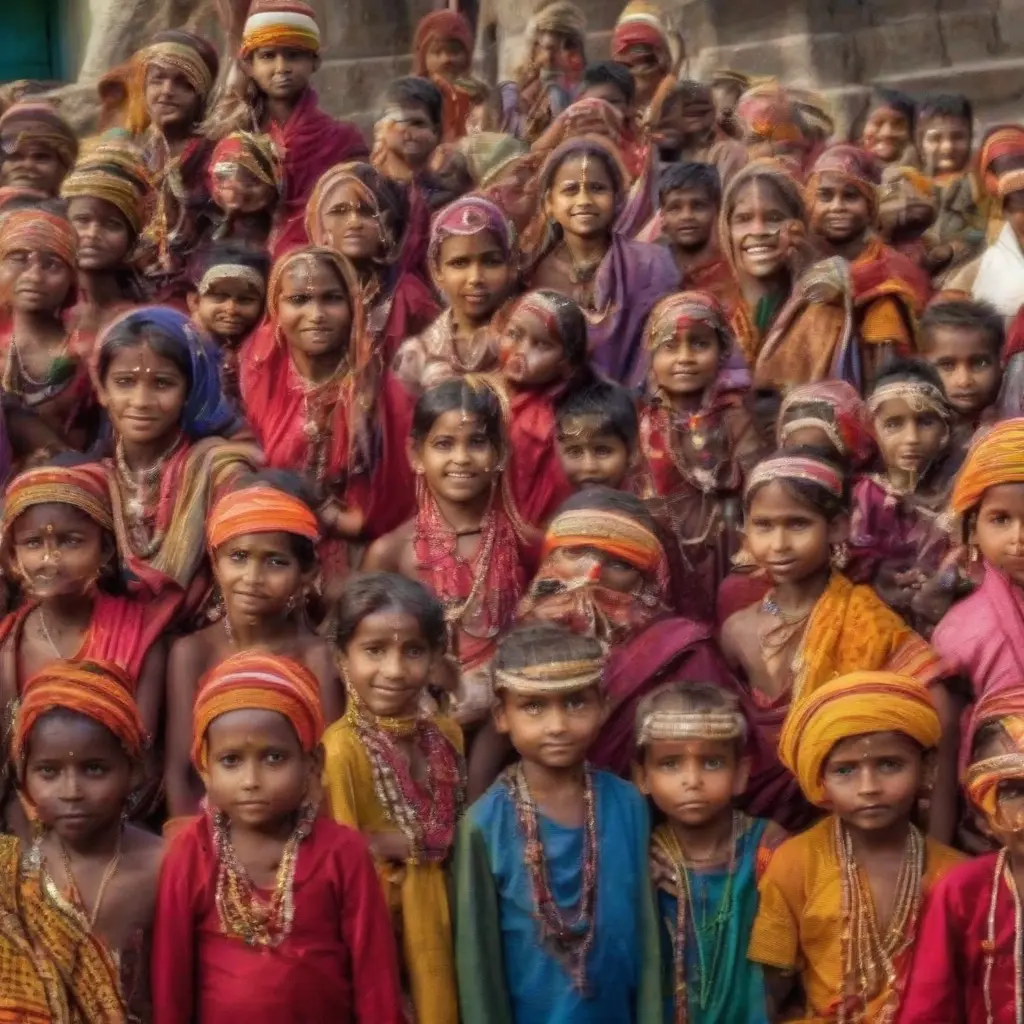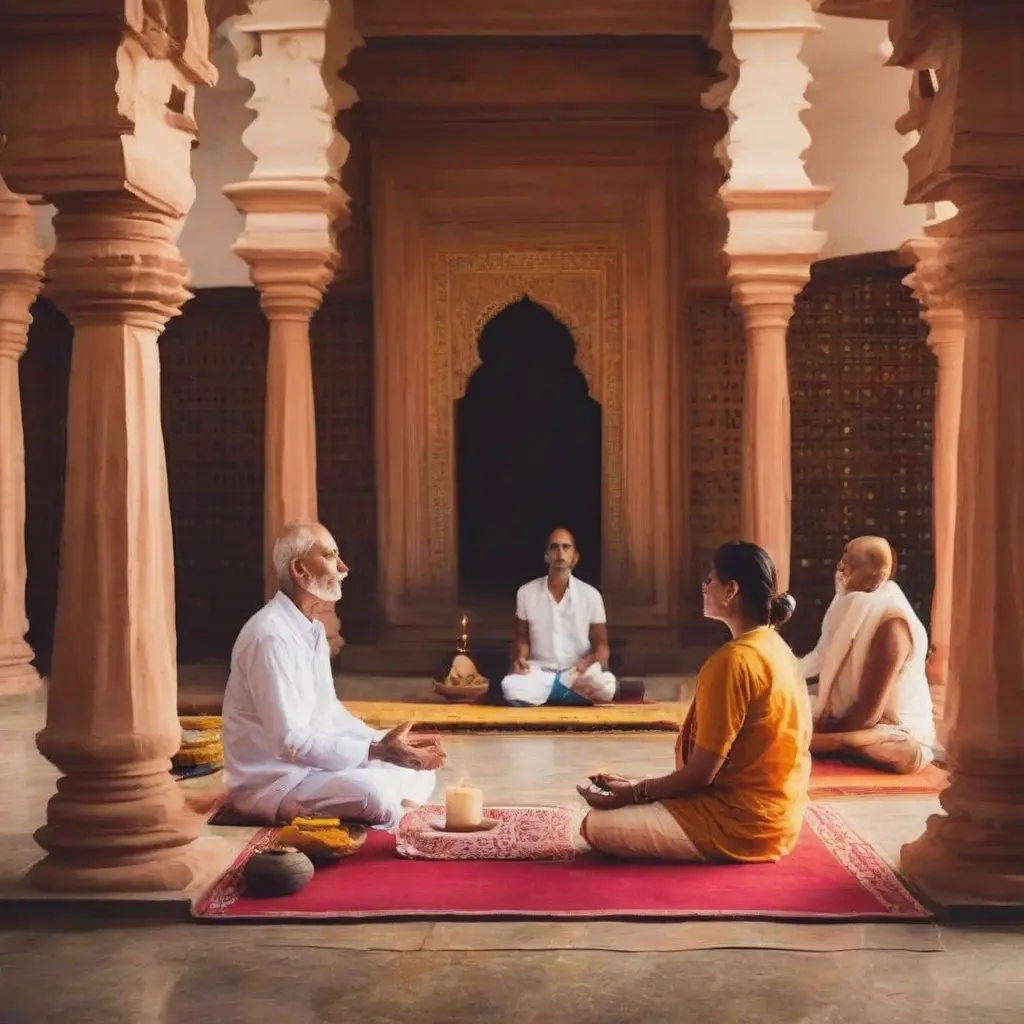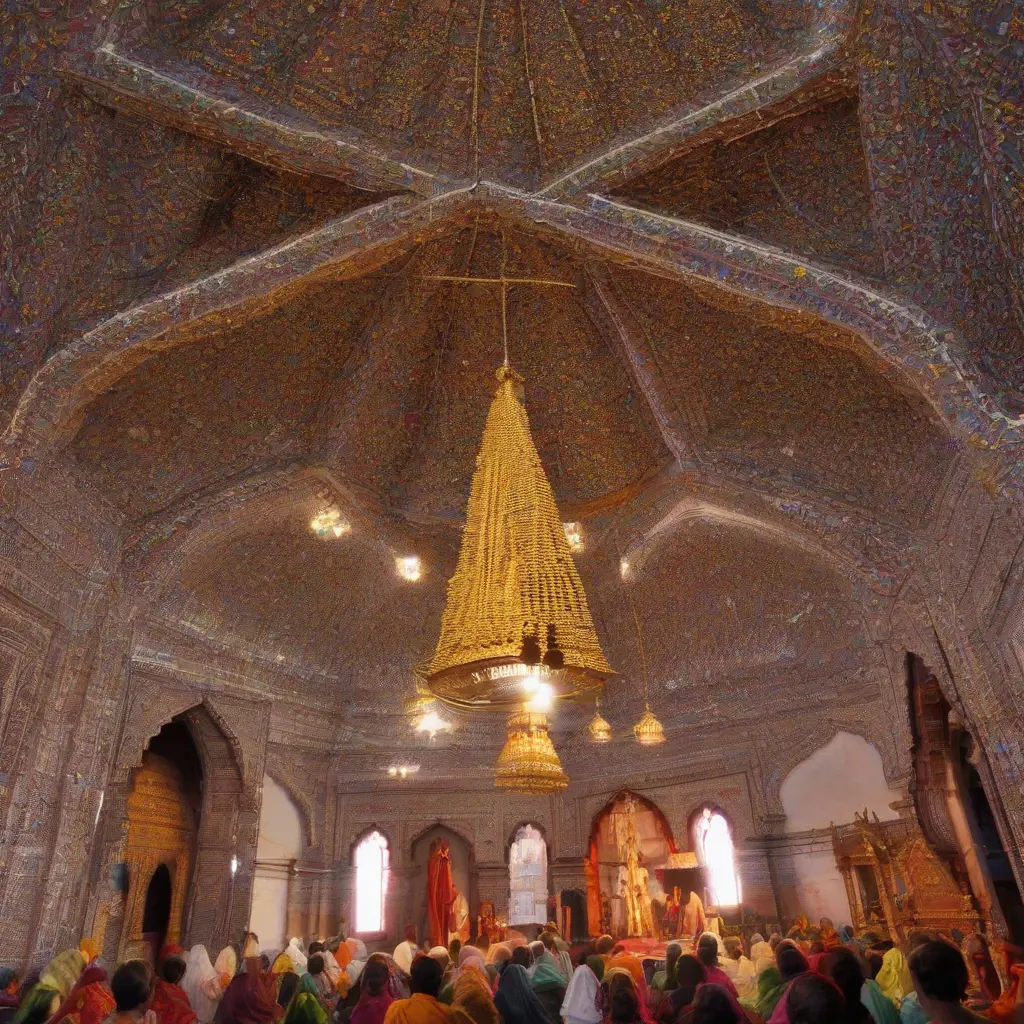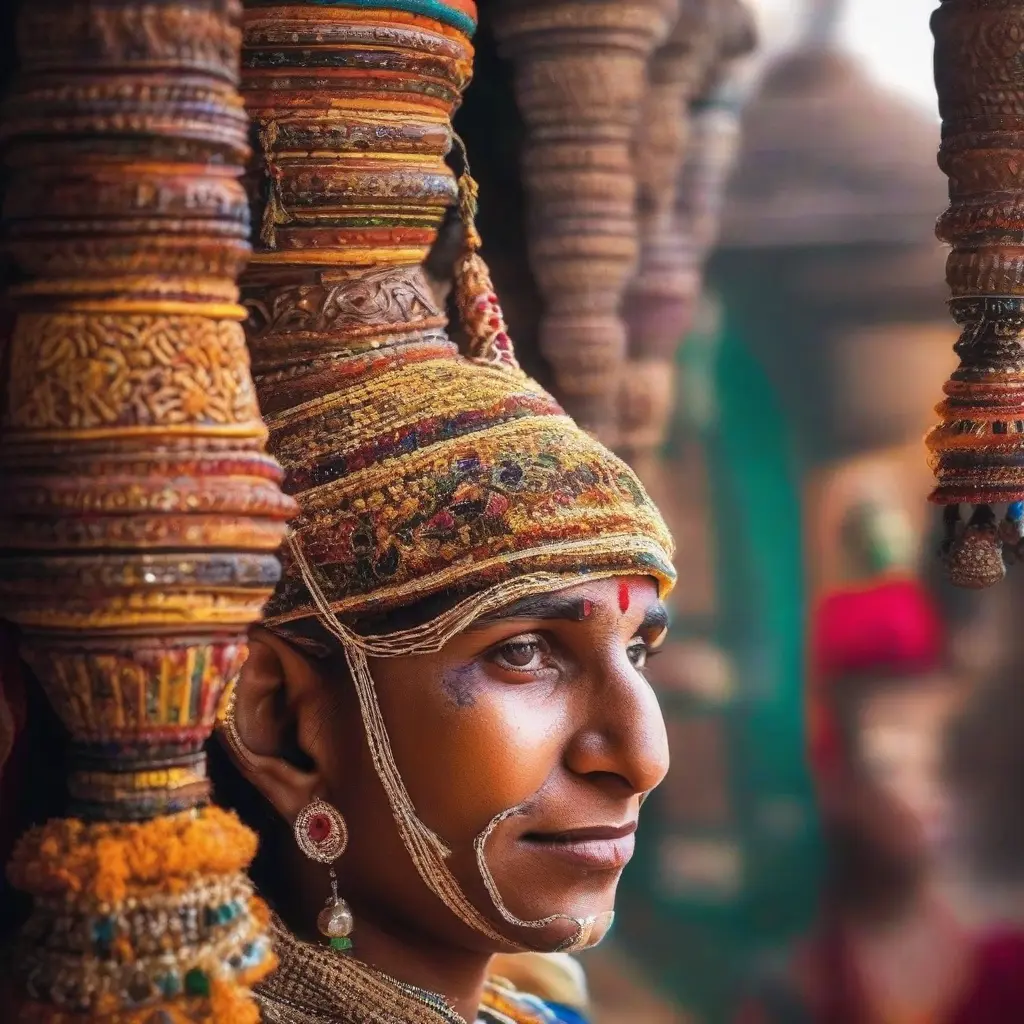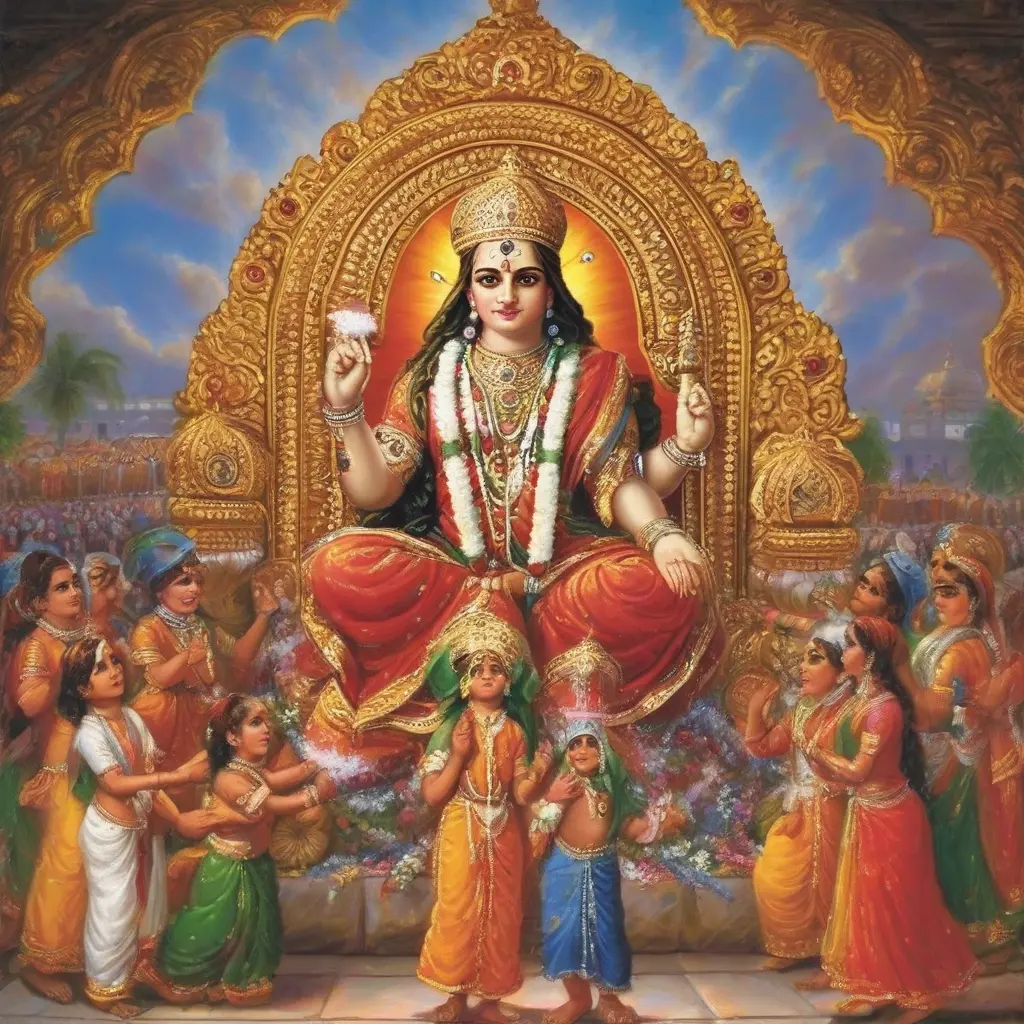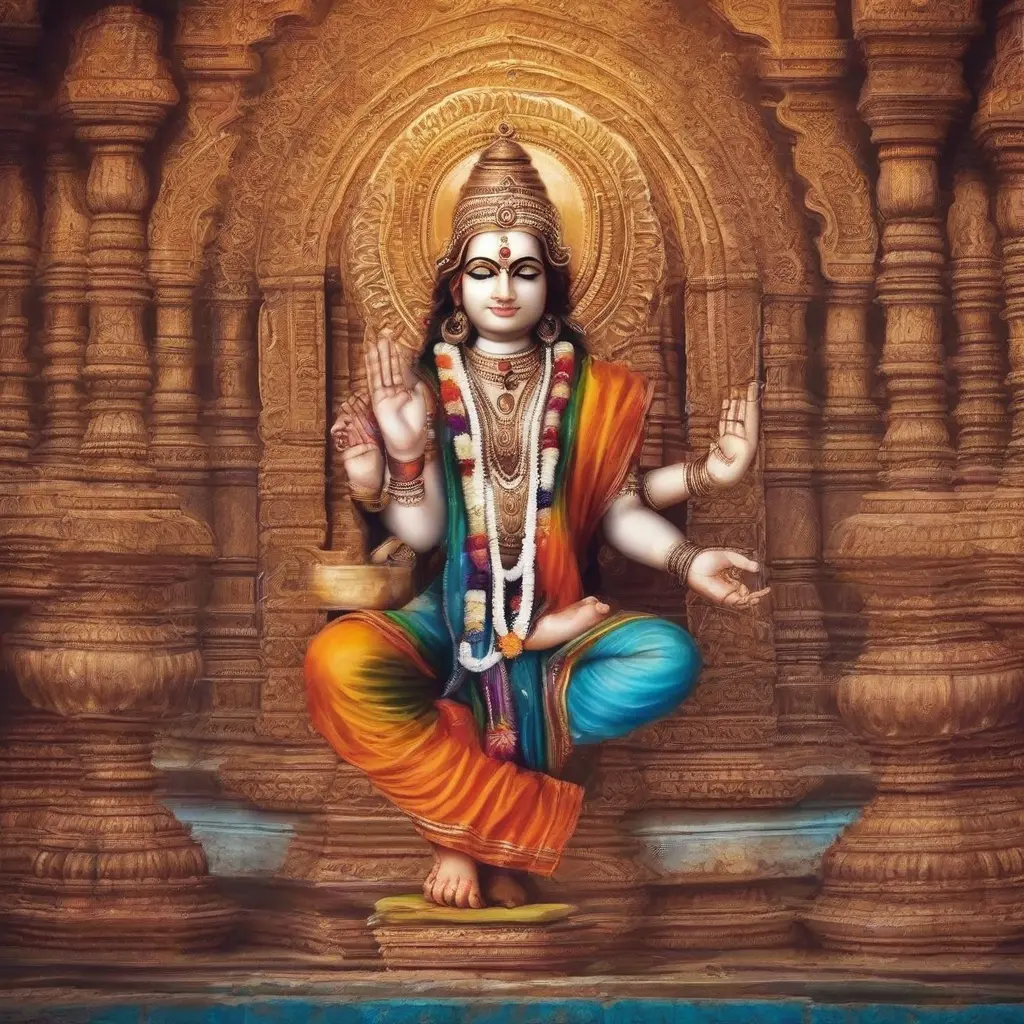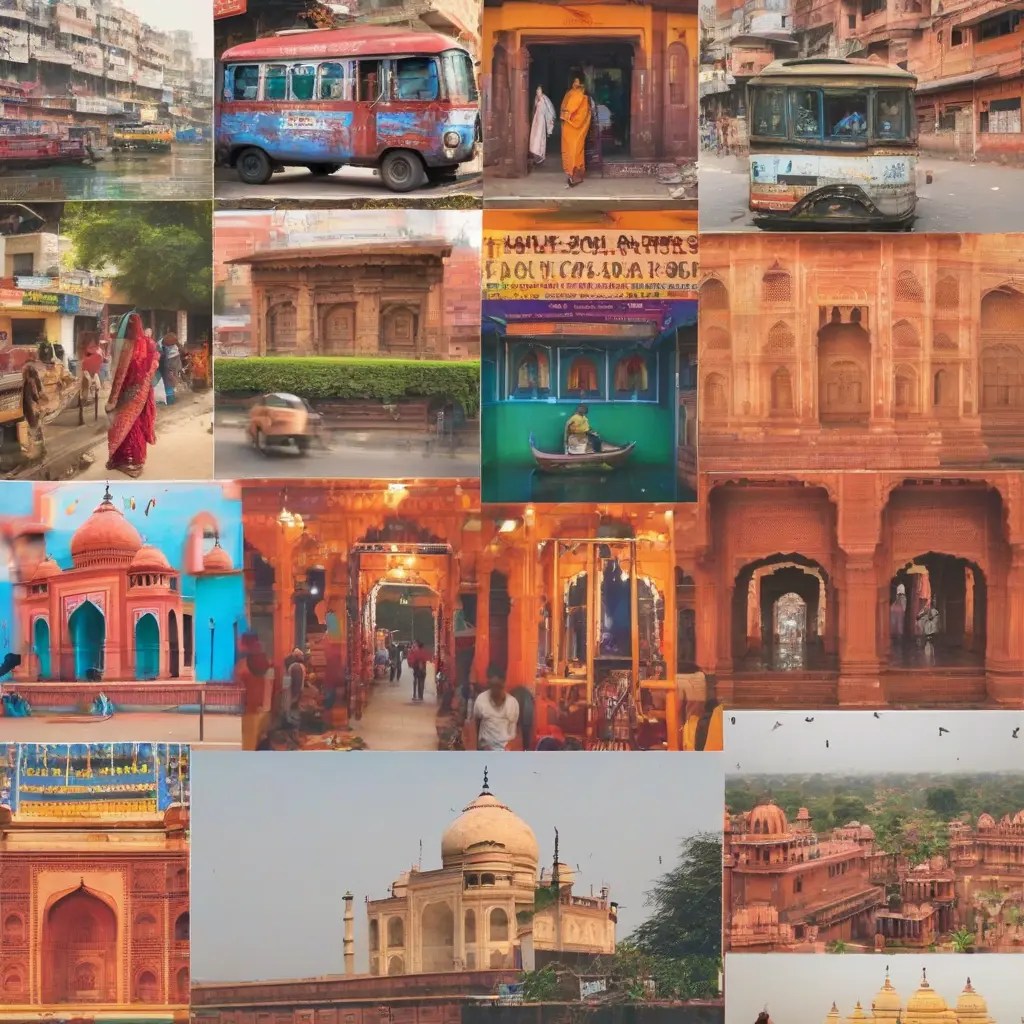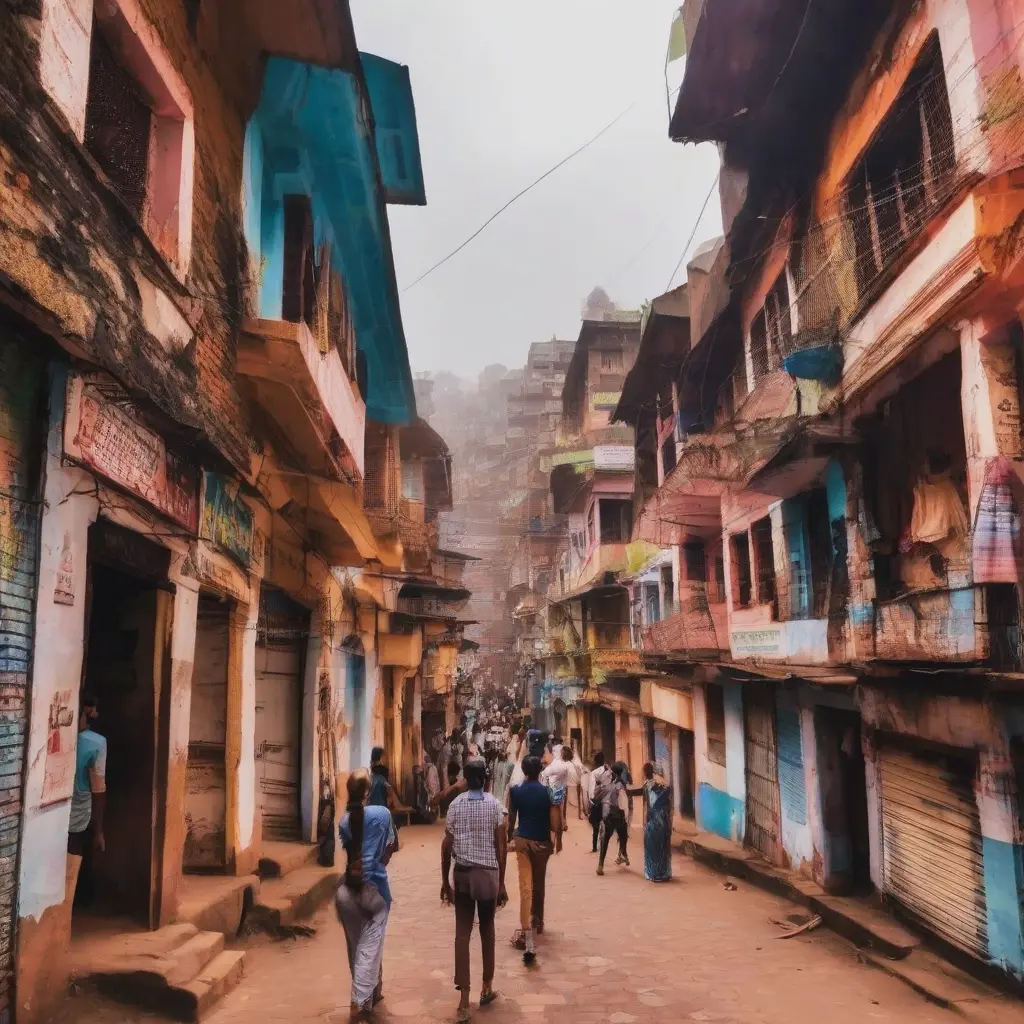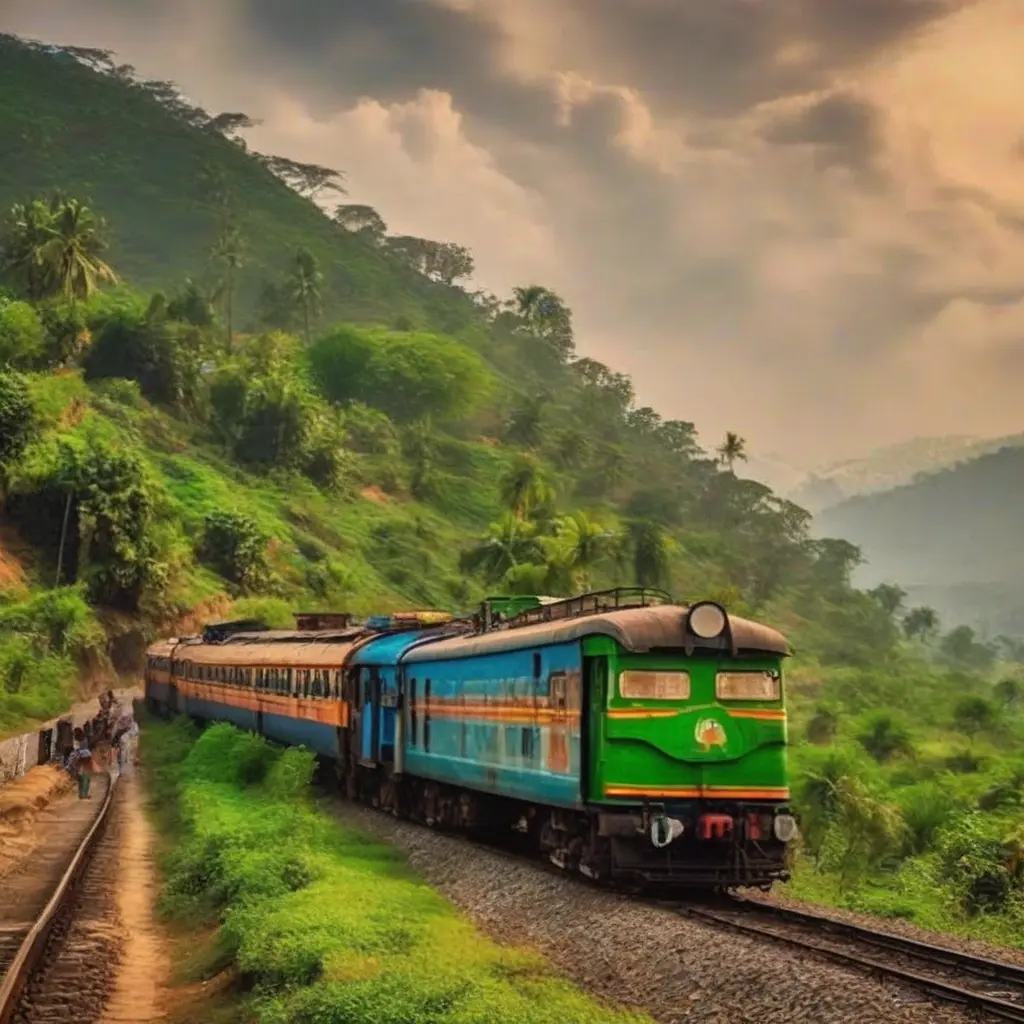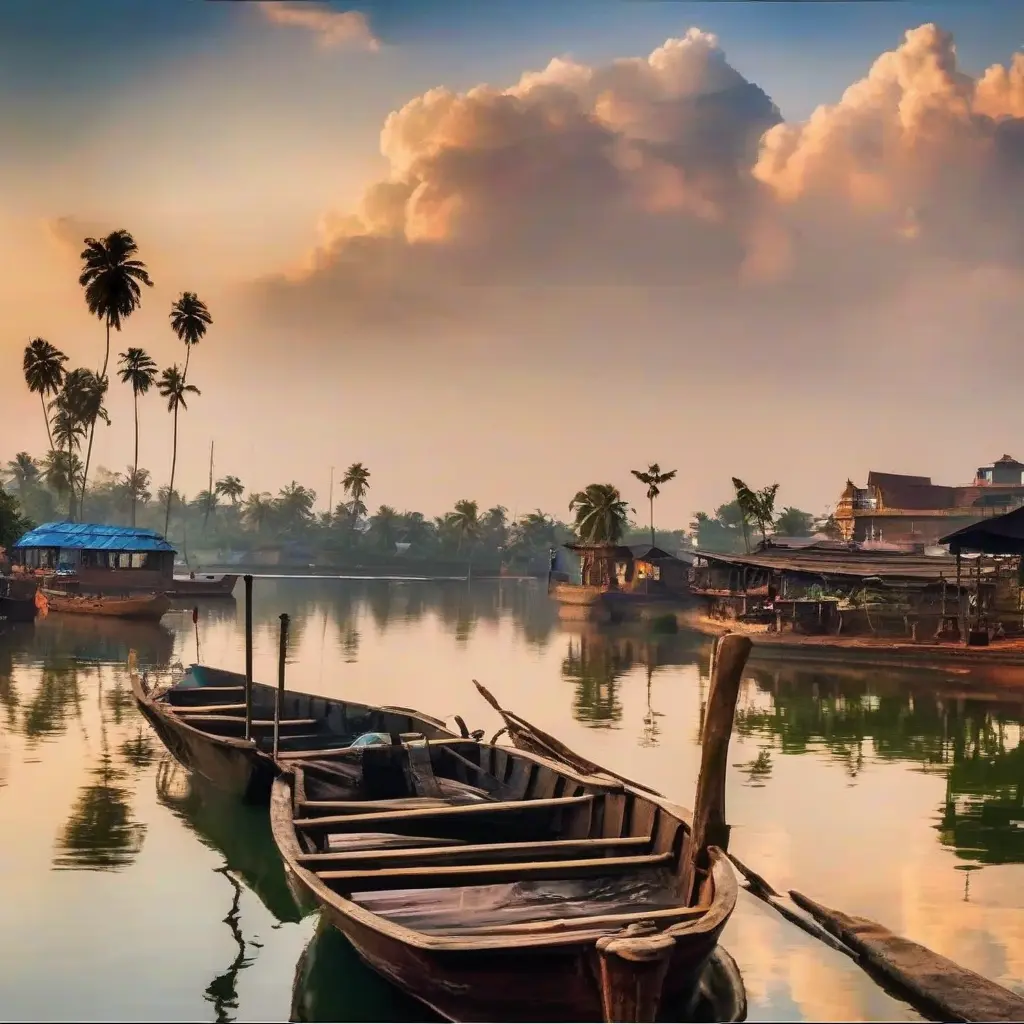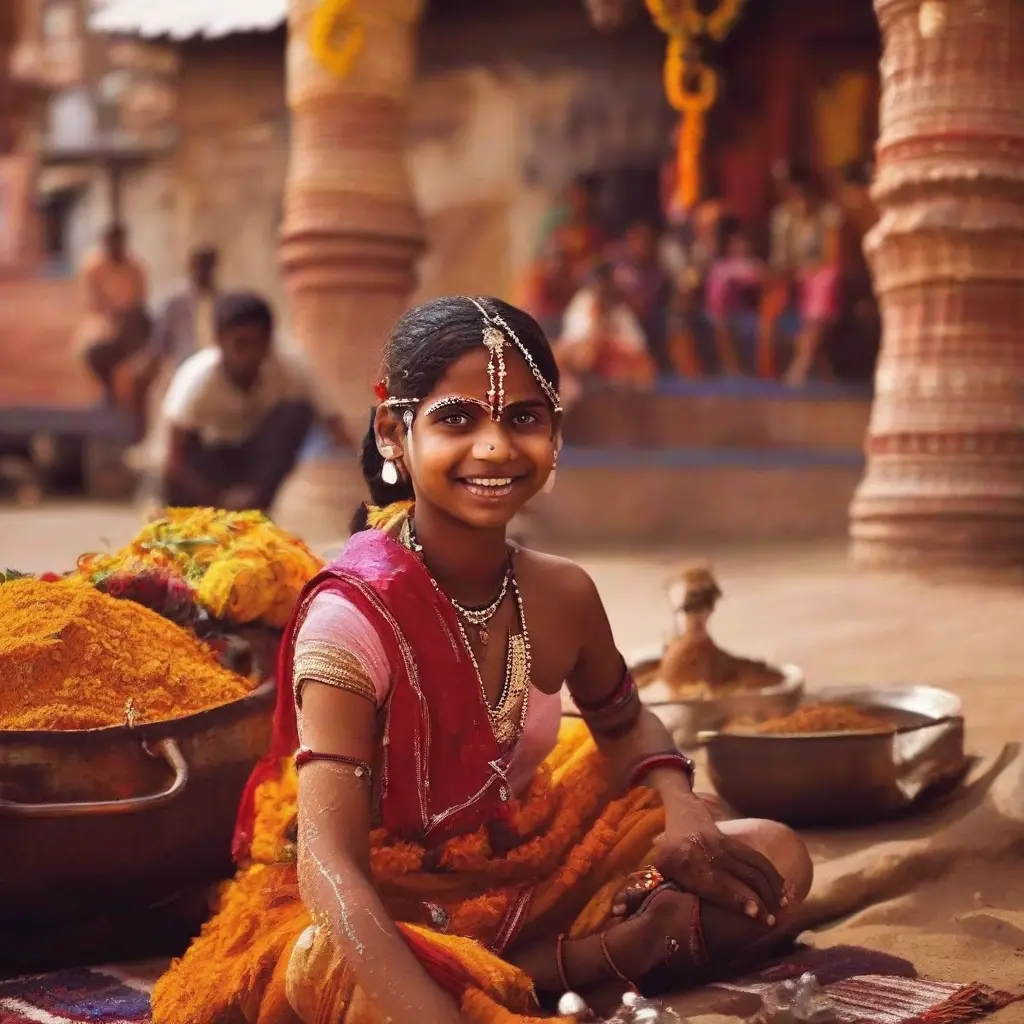
Traveling in India unveils a tapestry of cultural experiences deeply rooted in its diverse traditions. From vibrant festivals to unique local customs, each region offers distinct rituals and practices that reflect its history and values. Engaging with these local traditions enhances your travel experience and provides insight into the lives of Indian people. As you explore this fascinating country, immerse yourself in these 25 cultural traditions that showcase the spirit and essence of India.
Celebrating Diwali: The Festival of Lights
Diwali, known as the Festival of Lights, is one of India’s most significant celebrations. Usually occurring in October or November, this festival symbolizes the victory of light over darkness and good over evil. Families decorate their homes with oil lamps, colorful rangoli, and fairy lights, while exchanging sweets and gifts. Participating in these festivities offers a glimpse into the community’s joyful spirit, along with traditional prayers that can be both humbling and enlightening.
Holi: The Colorful Festival of Spring
Holi, celebrated in March, marks the arrival of spring and the victory of good over evil. This exuberant festival is characterized by throwing colorful powders and water at one another, creating a lively atmosphere filled with music and dance. The essence of Holi lies in its celebration of love, friendship, and unity. Engaging in this joyous event allows travelers to connect with locals and experience a unique form of cultural expression while enjoying festive delicacies.
Pongal: A Harvest Festival in South India
Pongal is a traditional harvest festival celebrated predominantly in Tamil Nadu, typically in January. This four-day event involves cooking a special dish made of newly harvested rice, milk, and jaggery, symbolizing abundance and prosperity. The festivities include colorful kolams (designs made with rice flour) and various religious rituals. Exploring Pongal fosters an appreciation for agricultural practices and showcases the rich heritage of Tamil culture.
Onam: Kerala’s Grand Harvest Festival
Onam is a vibrant harvest festival celebrated in Kerala, usually in August or September. This festival lasts for ten days and includes cultural events like dance, music, and boat races. The highlight is the Onam Sadhya, a traditional feast served on a banana leaf. Participating in Onam allows travelers to witness the beauty of this region’s unity and hospitality, showcasing the spirit of communal harmony and joy among its people.
Navratri: The Nine Nights of Worship
Navratri, lasting for nine nights, is a festival dedicated to the worship of the goddess Durga. Each night features vibrant dance forms like Garba and Dandiya Raas, primarily in Gujarat. The festival culminates in Dussehra, celebrating the victory of Rama over Ravana. Participating in Navratri offers travelers an immersive experience into the rich tapestry of Hindu rituals, arts, and community celebrations, reflecting the diversity of Indian culture.
Rath Yatra: The Chariot Festival of Puri
Rath Yatra, or the Chariot Festival, held in Puri, Odisha, attracts thousands of devotees each year. This event involves pulling massive chariots of deities Jagannath, Balabhadra, and Subhadra through the streets. The spectacle combines spirituality, devotion, and community involvement, as people from various backgrounds come together. Attending Rath Yatra provides a deeper understanding of the religious fervor and communal harmony that thrive in Indian society.
Baisakhi: A Vibrant Punjabi Harvest Festival
Baisakhi is primarily celebrated in Punjab to mark the harvest season, usually in April. This cheerful festival features lively folk dances like Bhangra and Gidda, along with shared meals in community settings. Traditionally, it is also a time for Sikhs to celebrate the formation of the Khalsa. Joining the Baisakhi festivities offers travelers an opportunity to experience the rich agricultural culture and the strong bonds within Punjabi communities.
Kumbh Mela: The World’s Largest Pilgrimage
Kumbh Mela, held every 12 years in four locations, is the largest religious gathering in the world. Millions flock to the banks of sacred rivers to take part in prayers and rituals believed to cleanse sins. The event offers a unique opportunity to witness Hindu spirituality and meet diverse cultures united by faith. Attending Kumbh Mela can profoundly impact one’s understanding of faith, devotion, and the significance of water in Hinduism.
Gudi Padwa: The Maharashtrian New Year
Gudi Padwa marks the New Year for Maharashtrians, typically occurring in March or April. Celebrated with enthusiasm, households decorate their homes with colorful rangoli and hoist a Gudi (a decorated pole) to symbolize prosperity. Traditional dishes are prepared, and the day is filled with music and dance. Experiencing Gudi Padwa provides travelers with a glimpse into Maharashtrian culture, emphasizing the importance of new beginnings and familial bonds.
Makar Sankranti: A Festival of Harvest and Kite Flying
Makar Sankranti signifies the transition of the sun into the zodiac sign of Capricorn and is celebrated with harvest festivities across India, particularly in Gujarat and Maharashtra. Renowned for kite flying, this festival sees vibrant skies filled with colorful kites. Events include preparing traditional sweets made of sesame and jaggery. Engaging in Makar Sankranti festivities allows travelers to connect with locals while enjoying the fun of kite battles.
Vaisakhi: The Punjabi New Year and Harvest Festival
Vaisakhi, celebrated primarily in Punjab, marks the beginning of the harvest season in April. It holds religious significance for Sikhs, commemorating the formation of the Khalsa. The festive celebrations include sharing meals, folk dances, and music. Traveling to Punjab for Vaisakhi offers an opportunity to witness the joyous spirit of the locals, experience traditional Punjabi culture, and savor delicious food that is central to this celebration.
Chhath Puja: The Festival of the Sun Goddess
Chhath Puja is a significant festival in Bihar and among the Bhojpuri community, dedicated to the Sun God, Surya. Celebrated over four days, devotees offer prayers and fasts, culminating in rituals at rivers or ponds during sunrise and sunset. The festival emphasizes gratitude for the sun’s energy and the sustenance it provides. Participating in Chhath Puja immerses travelers in the rich cultural and spiritual values of the region, showcasing deep respect for nature.
Karva Chauth: A Day of Fasting and Devotion
Karva Chauth is a traditional festival observed by married Hindu women, who fast from dawn until moonrise for the long life of their husbands. Celebrated with prayers, rituals, and wearing ornate traditional attire, it highlights the significance of marital bonds. Witnessing the devotion and cultural practices associated with Karva Chauth allows travelers to comprehend the intricate dynamics of family and relationships in Indian society.
Bihu: The Assamese Festival of Prosperity
Bihu, celebrated in Assam, is an agricultural festival marking the Assamese New Year. This lively celebration includes traditional dances, songs, and feasting, emphasizing themes of fertility and prosperity. The three Bihu festivals occur at different times, each representing various agricultural stages. Experiencing Bihu provides travelers an insight into Assamese culture, its deep connection to agriculture, and the joy of community celebrations.
Janmashtami: Celebrating the Birth of Lord Krishna
Janmashtami celebrates the birth of Lord Krishna, usually in August or September. Devotees observe fasts and participate in colorful reenactments of Krishna’s life. In various regions, processions and traditional dances, such as Dahi Handi, take place, where clay pots filled with yogurt are broken. The festival’s energy and fervor capture the devotion of millions. Experiencing Janmashtami allows travelers to delve into the rich mythology and cultural heritage of India.
Eid al-Fitr: A Celebration of Community and Sharing
Eid al-Fitr, celebrated at the end of Ramadan, emphasizes community, sharing, and forgiveness. Muslims gather for communal prayers, followed by feasting and exchanging gifts. Delicious dishes such as biryani and sweets are prepared, reflecting the joy of the occasion. Engaging in Eid celebrations gives travelers an opportunity to witness the values of generosity and familial love, fostering greater understanding among diverse cultural backgrounds.
Christmas in India: A Unique Celebration
Christmas is celebrated with great enthusiasm in India, particularly in states with sizeable Christian populations like Kerala and Goa. The festivities include decorating Christmas trees, midnight masses, and preparing traditional foods. Local customs blend seamlessly with traditional Western practices, creating a unique multicultural environment. Participating in Christmas celebrations allows travelers to experience the diverse expressions of joy and festive spirit that characterize Indian culture during this season.
Buddha Purnima: Celebrating the Birth of Lord Buddha
Buddha Purnima is a significant festival for Buddhists, marking the birth, enlightenment, and death of Siddhartha Gautama, the Buddha. Celebrated in April or May, devotees engage in prayers, meditation, and visits to temples. Monastic communities often organize public events highlighting Buddha’s teachings of compassion and peace. Experiencing Buddha Purnima connects travelers with Buddhist culture and its emphasis on mindfulness and harmony.
Jain Paryushana: A Time of Reflection
Paryushana is a significant time for Jains, a festival focused on reflection and self-discipline. Celebrated in August or September, adherents observe fasting and increased spiritual activities. The festivity emphasizes forgiveness, community service, and spiritual growth. Participation in Paryushana allows travelers to witness the dedication of the Jain community towards non-violence and truthfulness, enriching their cultural understanding.
Trimurti: Celebrating the Three Deities
Trimurti festivals honor the three principal deities of Hinduism—Brahma, Vishnu, and Shiva. Different regions hold unique celebrations to respect each deity’s significance. Activities range from prayers to elaborate processions. Attending these festivals provides insight into the spiritual beliefs and practices surrounding the Trimurti, enhancing travelers’ understanding of the interconnectedness in Hindu traditions.
Conclusion
Engaging with India’s myriad cultural experiences is a profound way to enhance your understanding of this diverse nation. From vibrant festivals to unique local traditions, each event provides insight into the rich tapestry of Indian life. Embracing these traditions can deepen your travel experience, making every journey through India not only memorable but also transformative.