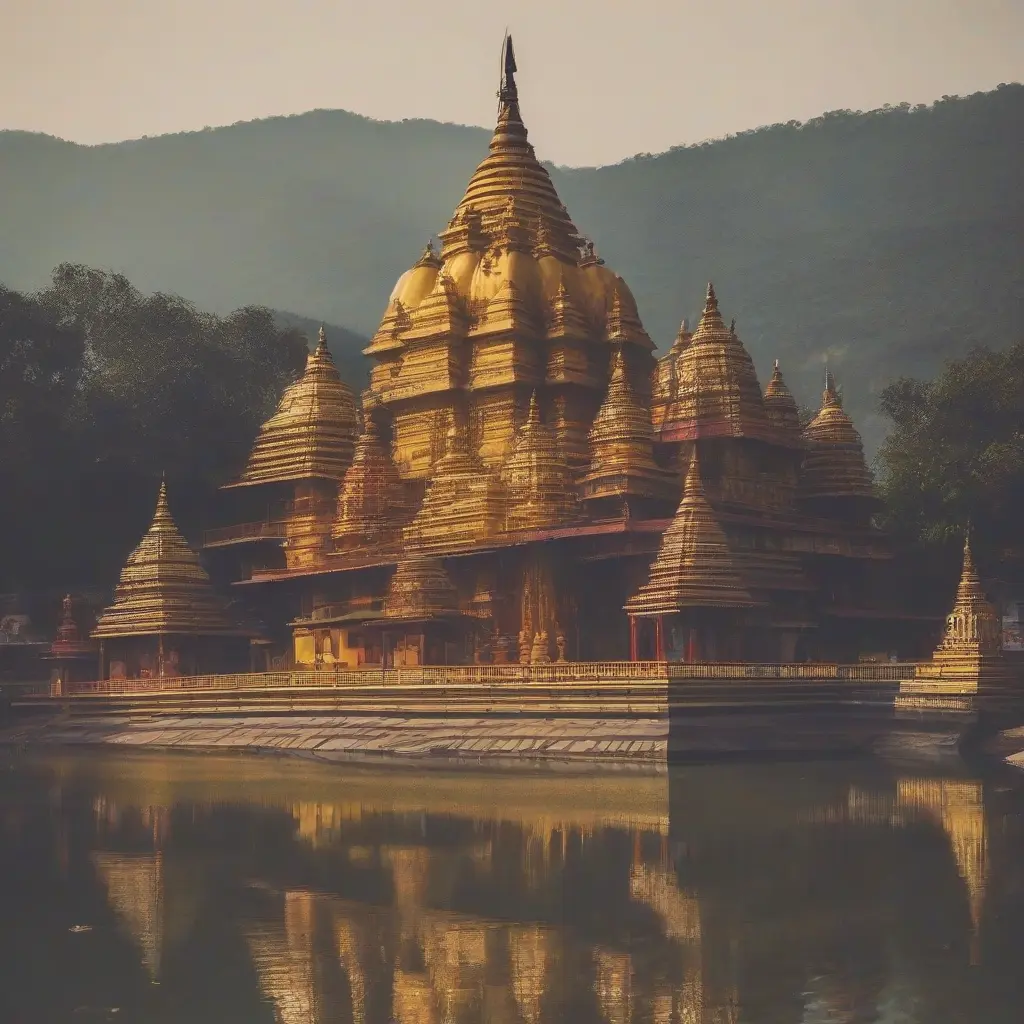
India, the birthplace of Buddhism, is home to many important pilgrimage sites that attract millions of devotees and travelers every year. These sites not only hold significant religious value but also offer a glimpse into the rich cultural heritage of Buddhism. From ancient stupas to serene monasteries, each location is steeped in history and spirituality. Discovering these sacred places can provide insights into the life and teachings of Buddha, making them essential destinations for anyone interested in spirituality or culture.
Bodh Gaya: The Enlightenment Site
Bodh Gaya is perhaps the most significant Buddhist pilgrimage site, renowned for being the place where Siddhartha Gautama attained enlightenment. The Mahabodhi Temple, a UNESCO World Heritage Site, marks the spot beneath the Bodhi Tree where Buddha meditated for 49 days. Visitors can explore the intricate architectural details of the temple and surrounding stupas, as well as attend meditation sessions. Pilgrims often find a deep spiritual connection here, making Bodh Gaya a must-visit for those on a spiritual journey.
Lumbini: The Birthplace of Buddha
Located in present-day Nepal, Lumbini holds immense significance as the birthplace of Siddhartha Gautama. This UNESCO World Heritage Site features the sacred garden, Maya Devi Temple, and various ancient monasteries built by different Buddhist cultures. Pilgrims flock to Lumbini to witness the site of Buddha’s birth and to meditate in the tranquil environment. The tranquility and beauty of Lumbini make it a vital part of any pilgrimage itinerary focused on the life of Buddha.
Sarnath: The First Sermon
Sarnath is notable as the site where Buddha delivered his first sermon after attaining enlightenment. The Dhamek Stupa, an impressive structure commemorating this event, is surrounded by lush gardens. Pilgrims can explore various archaeological sites, including ancient ruins and monasteries. Sarnath offers a serene environment, perfect for reflection and meditation, making it a pivotal spot for those wishing to understand Buddha’s teachings and their impact on Buddhism.
Kushinagar: The Mahaparinirvana
Kushinagar is revered as the place where Buddha attained Mahaparinirvana, shedding his mortal body in ultimate peace. The site features the Parinirvana Stupa and various temples and monasteries, providing a reflective atmosphere for visitors. Here, pilgrims can witness the reclining Buddha statue, a symbol of his final moments. The tranquil environment and significant historical context of Kushinagar make it a vital destination for many Buddhist travelers seeking spiritual solace.
Nalanda: An Ancient Learning Center
Nalanda was one of the earliest residential universities in the world and played a crucial role in Buddhist education. The ruins of ancient monasteries and temples offer insights into the rich intellectual tradition of Buddhism. Pilgrims can explore the remnants of this great center of learning, which attracted students and scholars from across Asia. Nalanda’s historical significance and its connection to Buddhist philosophy make it an important pilgrimage site for those interested in the intellectual heritage of Buddhism.
Rajgir: The Site of Spiritual Teachings
Rajgir, a significant location in Buddha’s life, is where he delivered many teachings and sermons. The Vulture Peak, a prominent site in Rajgir, is believed to be where the Buddha taught the Lotus Sutra. Pilgrims can take a cable car ride to the peak, enjoying breathtaking views along with the spiritual ambience. Rajgir’s historical depth and natural beauty make it an essential stop for anyone following the path of Buddhism.
Ajanta Caves: Artistic Pilgrimage
The Ajanta Caves are famous for their stunning rock-cut sculptures and paintings that depict scenes from Buddha’s life and teachings. These caves, also a UNESCO World Heritage Site, date back to the 2nd century BCE and provide valuable insights into ancient Buddhist art. Pilgrims visiting Ajanta can appreciate the intricate murals while reflecting on the teachings that inspired them. The combination of spirituality and artistry offers a unique experience for travelers seeking a deeper understanding of Buddhism.
Ellora Caves: Integration of Cultures
The Ellora Caves, another UNESCO World Heritage Site, showcase a remarkable blend of Hindu, Buddhist, and Jain architecture. This site features over 30 caves carved from volcanic rock, with many dedicated to Buddhist monastic life. Pilgrims can explore these caves and appreciate the artistry and the religious harmony they represent. The Ellora Caves are not only significant for Buddhist history but also an exquisite representation of India’s diverse cultural landscape.
Tawang: The Land of Monasteries
Tawang, located in Arunachal Pradesh, is known for its serene environment and a plethora of Buddhist monasteries. The Tawang Monastery, one of the largest in India, plays a crucial role in the spread of Buddhism in the region. Pilgrims visiting Tawang can participate in local rituals and immerse themselves in the spiritual atmosphere. The rugged landscapes and vibrant Buddhist culture make Tawang a compelling destination for those looking to deepen their understanding of Buddhist traditions.
Conclusion
Exploring these important Buddhist pilgrimage sites in India provides a deeper understanding of Buddha’s teachings and their historical context. Each location offers unique insights into spirituality, culture, and art, making them valuable not just for pilgrims but also for anyone interested in the rich tapestry of Buddhism. Whether you’re seeking spiritual growth or cultural appreciation, these sites promise enlightening experiences for travelers.