India is a land of immense cultural diversity, boasting a rich tapestry of history, art, and traditions. With a plethora of UNESCO World Heritage Sites, the country offers numerous opportunities for travelers to dive deep into its cultural heritage. From ancient temples to majestic forts and palaces, each site tells stories of the past, reflecting the unique architectural styles and cultural practices that have shaped Indian society. This article highlights the top 15 cultural heritage sites in India that every traveler should consider visiting for an enriching experience.
Taj Mahal, Agra
The Taj Mahal, an iconic symbol of love, is a stunning mausoleum located in Agra, built by Emperor Shah Jahan in memory of his wife, Mumtaz Mahal. This UNESCO World Heritage Site is renowned for its exquisite white marble architecture and intricate inlay work. Visitors can marvel at its beauty during sunset when the Taj radiates a pinkish hue. The lush gardens surrounding the monument and the reflective pool enhance its picturesque appeal, making it a must-visit for anyone exploring India’s cultural richness.
Jaipur City, Rajasthan
Jaipur, often referred to as the Pink City, is known for its enchanting palaces and fortified structures. The City Palace, Hawa Mahal, and Amber Fort exemplify the royal legacy of the Rajputs. The unique blend of Mughal and Rajput architecture, characterized by intricate carvings and brilliant colors, provides a glimpse into the region’s regal past. As a UNESCO World Heritage Site, Jaipur offers an immersive experience for travelers eager to explore its history and vibrant culture.
Varanasi, Uttar Pradesh
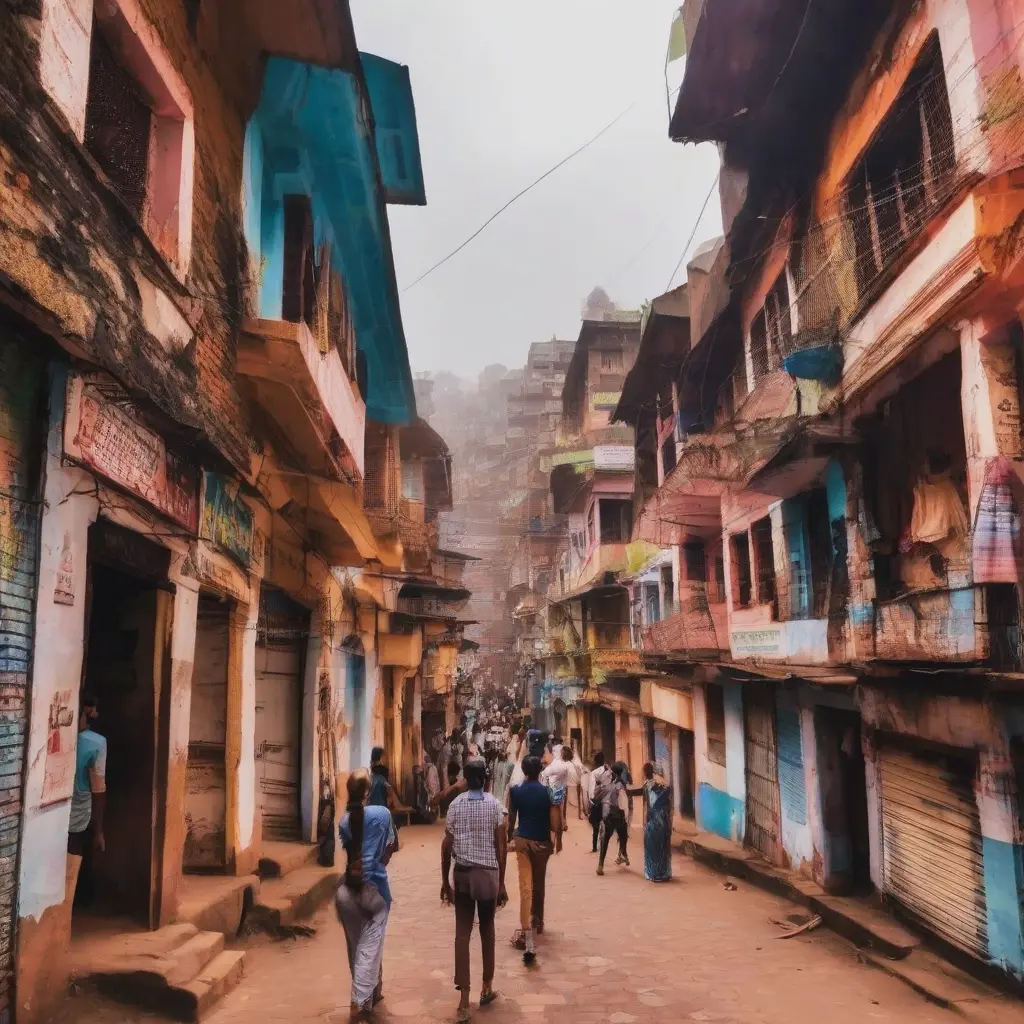
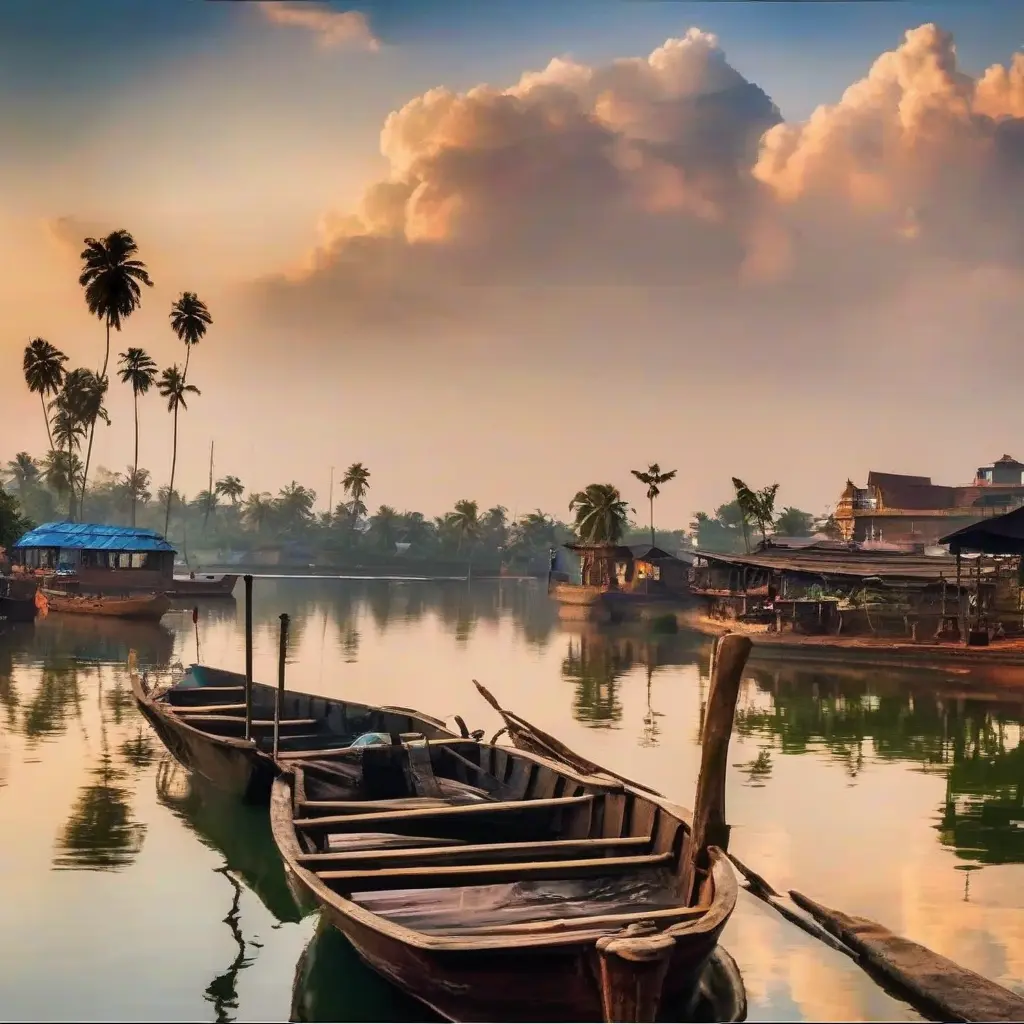
Varanasi is one of the oldest inhabited cities in the world and holds great spiritual significance in Hinduism. The ghats along the Ganges River are a focal point for rituals and ceremonies, making it a pilgrimage destination for millions. Visitors can witness mesmerizing Ganga Aarti ceremonies while immersing themselves in the serene atmosphere. The narrow alleyways filled with spiritual shops, temples, and historical sites reflect the city’s rich cultural heritage and traditional practices.
Khajuraho Group of Monuments, Madhya Pradesh
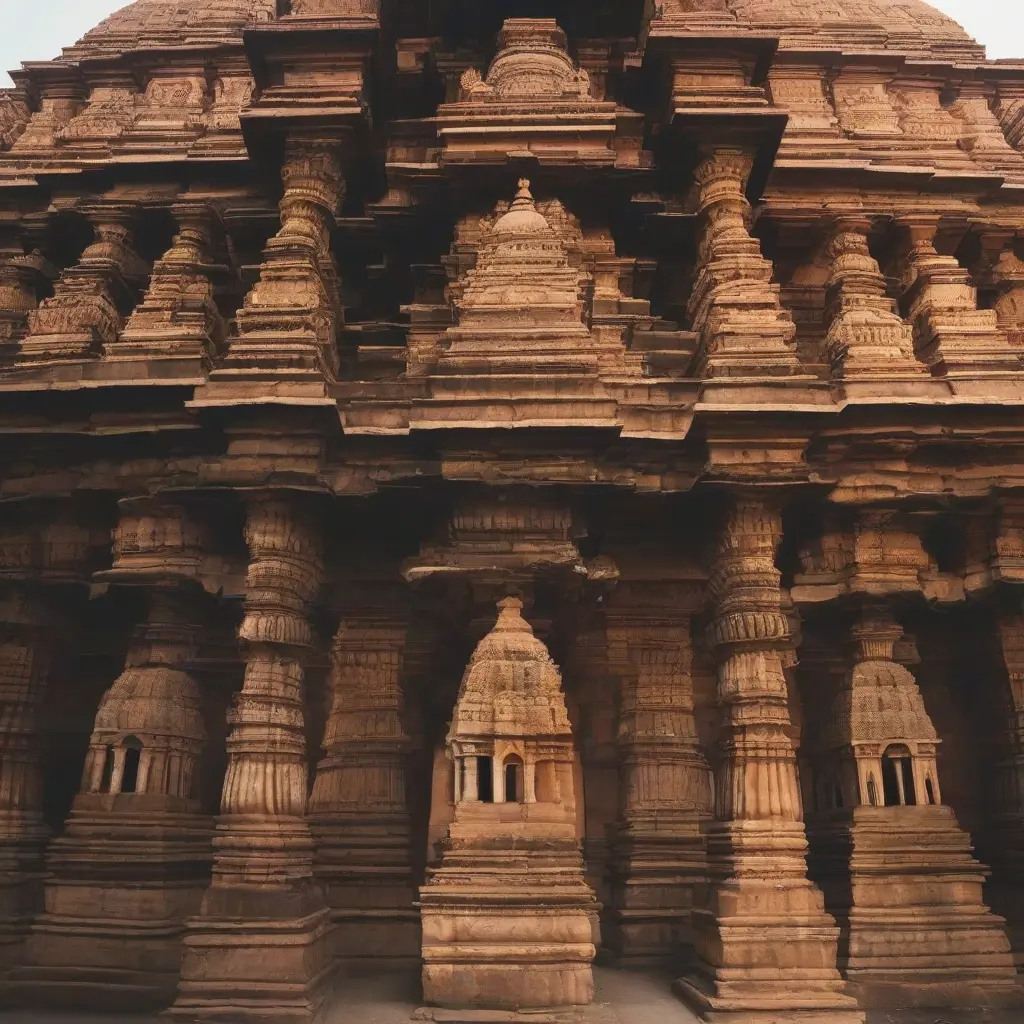
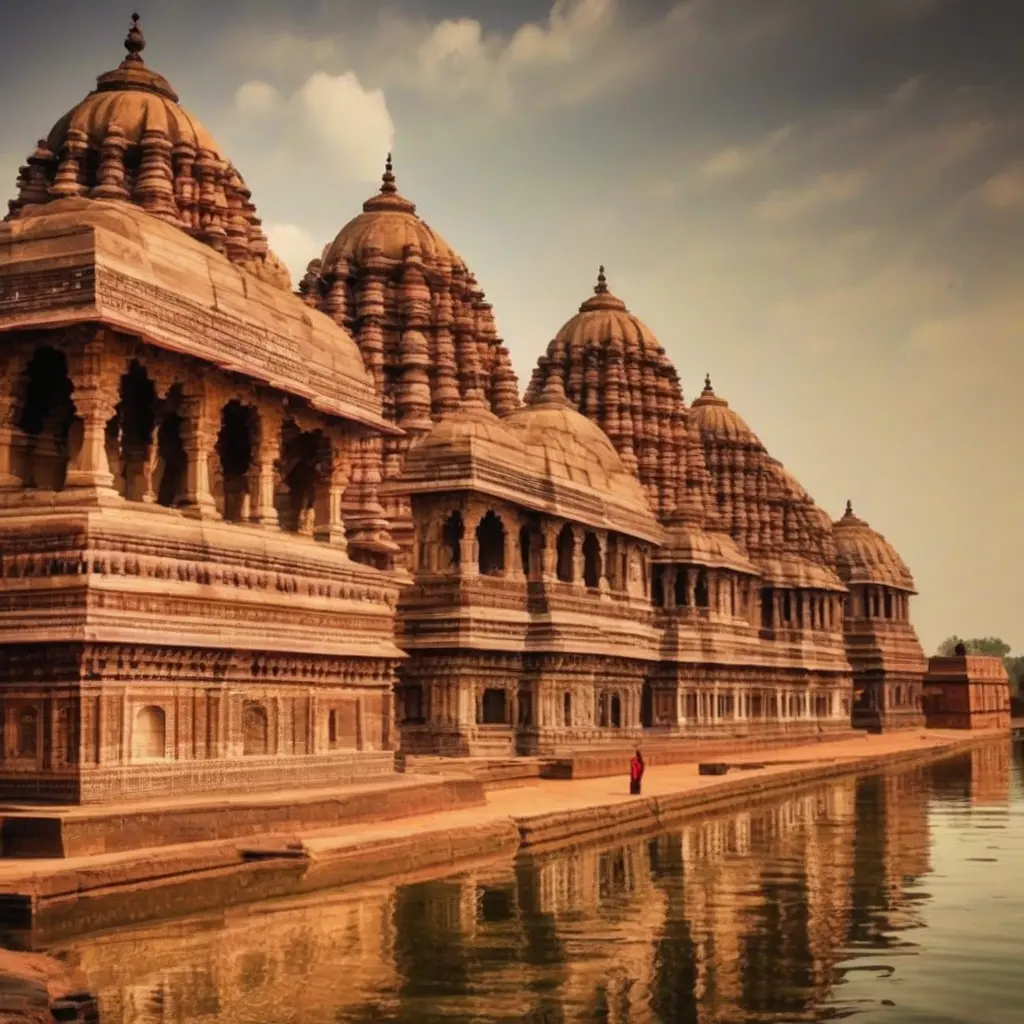
The Khajuraho Group of Monuments is celebrated for its stunning temple architecture adorned with intricate carvings depicting various aspects of life, including sexuality, love, and spirituality. Built during the Chandela dynasty, these temples date back to the 10th and 11th centuries and feature a unique blend of western and eastern architectural styles. As a UNESCO World Heritage Site, Khajuraho offers visitors a captivating insight into the artistic and cultural ethos of ancient India.
Hampi, Karnataka
Hampi, a UNESCO World Heritage Site, is a mesmerizing ancient city that was once the capital of the Vijayanagara Empire. The site is renowned for its remarkable ruins, including temples, palaces, and marketplaces that showcase the grandeur of its past. Unique rock formations and boulder-strewn landscapes add to Hampi’s charm. Exploring landmarks like the Vittala Temple and Virupaksha Temple provides an understanding of the history and architectural brilliance that defined this vibrant empire.
Ajanta and Ellora Caves, Maharashtra
The Ajanta and Ellora Caves, a UNESCO World Heritage Site, are famous for their remarkable rock-cut architecture and exquisite carvings. The Ajanta Caves date back to the 2nd century BCE and feature beautiful Buddhist paintings and sculptures, while the Ellora Caves depict a blend of Hindu, Buddhist, and Jain monuments. These caves not only showcase the artistic prowess of ancient artisans but also serve as important religious sites, making them a unique cultural pilgrimage destination.
Red Fort, Delhi
The Red Fort, a UNESCO World Heritage Site, stands as a testament to the grandeur of Mughal architecture in India’s capital, Delhi. Built by Emperor Shah Jahan in the 17th century, the fort features massive red sandstone walls and intricate carvings, reflecting the artistic styles of its time. The fort’s fascinating history and role in India’s struggle for independence make it a significant cultural site. Visitors can explore its museums and attend the nightly sound and light show that narrates the fort’s rich history.
Sun Temple, Konark, Odisha
The Sun Temple at Konark, a UNESCO World Heritage Site, is an architectural marvel dedicated to the sun god, Surya. Constructed in the 13th century, this temple is designed in the shape of a giant chariot, with intricately carved wheels and horses. The artistry displayed in the stone carvings vividly depicts various aspects of life and mythology. Visitors are often mesmerized by the spectacular sculptures and the stunning backdrop of the Bay of Bengal, making it a captivating cultural and spiritual site.
Sanchi Stupa, Madhya Pradesh
The Sanchi Stupa, a UNESCO World Heritage Site, is one of the oldest stone structures in India and an important Buddhist monument. Constructed during the reign of Emperor Ashoka in the 3rd century BCE, the stupa is renowned for its architectural brilliance and intricate carvings that illustrate Buddhist teachings. The serene surroundings and the site’s historical significance make it a popular destination for both pilgrims and travelers interested in exploring India’s rich spiritual heritage.
Rani Ki Vav, Gujarat
Rani Ki Vav, a stepwell in Patan, Gujarat, is an exquisite example of ancient Indian hydraulic engineering and architecture. Constructed in the 11th century, this UNESCO World Heritage Site is adorned with intricate sculptures and inscriptions that depict various deities and celestial figures. The stepwell served not just as a water reservoir but also as a social gathering space. Its unique design and historical significance make it a fascinating place for those interested in India’s architectural heritage.
Group of Monuments at Mahabalipuram, Tamil Nadu
The Group of Monuments at Mahabalipuram, a UNESCO World Heritage Site, is famous for its rock-cut temples and exquisite stone carvings dating back to the 7th and 8th centuries. This coastal town showcases the architectural brilliance of the Pallava dynasty, with major highlights including the Shore Temple and the Pancha Rathas. The intricate sculptures depict Hindu mythology and exemplify the ancient artisans’ remarkable skills. Mahabalipuram offers a blend of history, art, and spirituality for all who visit.
Western Ghats
The Western Ghats, recognized as a UNESCO World Heritage Site, is a mountain range known for its rich biodiversity and scenic beauty. Stretching over six Indian states, this region hosts countless endemic species of flora and fauna, making it an important ecological zone. Travelers can explore lush rainforests, waterfalls, and rolling hills, which offer numerous trekking options for nature enthusiasts. The cultural significance of the Western Ghats is also reflected in the myriad of traditional practices and lifestyles of the local communities.
Chichen Itza of India: The Archaeological Site of Dholavira
Dholavira, an archaeological site in Gujarat, showcases the brilliance of the Harappan civilization. Recognized as a UNESCO World Heritage Site, it features advanced urban planning, including water conservation systems and intricate drainage. Visitors can explore the remains of fortifications, reservoirs, and unique water management systems that highlight the ingenuity of ancient engineers. Dholavira offers a rare glimpse into one of the earliest urban settlements in the Indian subcontinent, making it a significant cultural heritage site.
Nalanda University, Bihar
Nalanda University, an ancient center for learning in Bihar, was one of the first residential universities in the world. Declared a UNESCO World Heritage Site, it attracted scholars from various parts of the globe during its peak centuries. The ruins of the university complex exhibit remarkable architectural planning with stupas, temples, and classrooms that reflect the rich intellectual heritage of India. Visiting Nalanda allows travelers to connect with the historical significance of education and knowledge in ancient civilizations.
Conclusion
India’s cultural heritage sites offer a rich journey through the country’s history, art, and spirituality, making them essential destinations for travelers. Each site holds unique stories and showcases architectural brilliance, reflecting the diverse traditions and practices of Indian society. As you explore these top 15 cultural heritage sites, you will not only witness India’s incredible history but also gain a deeper understanding of its cultural identity.