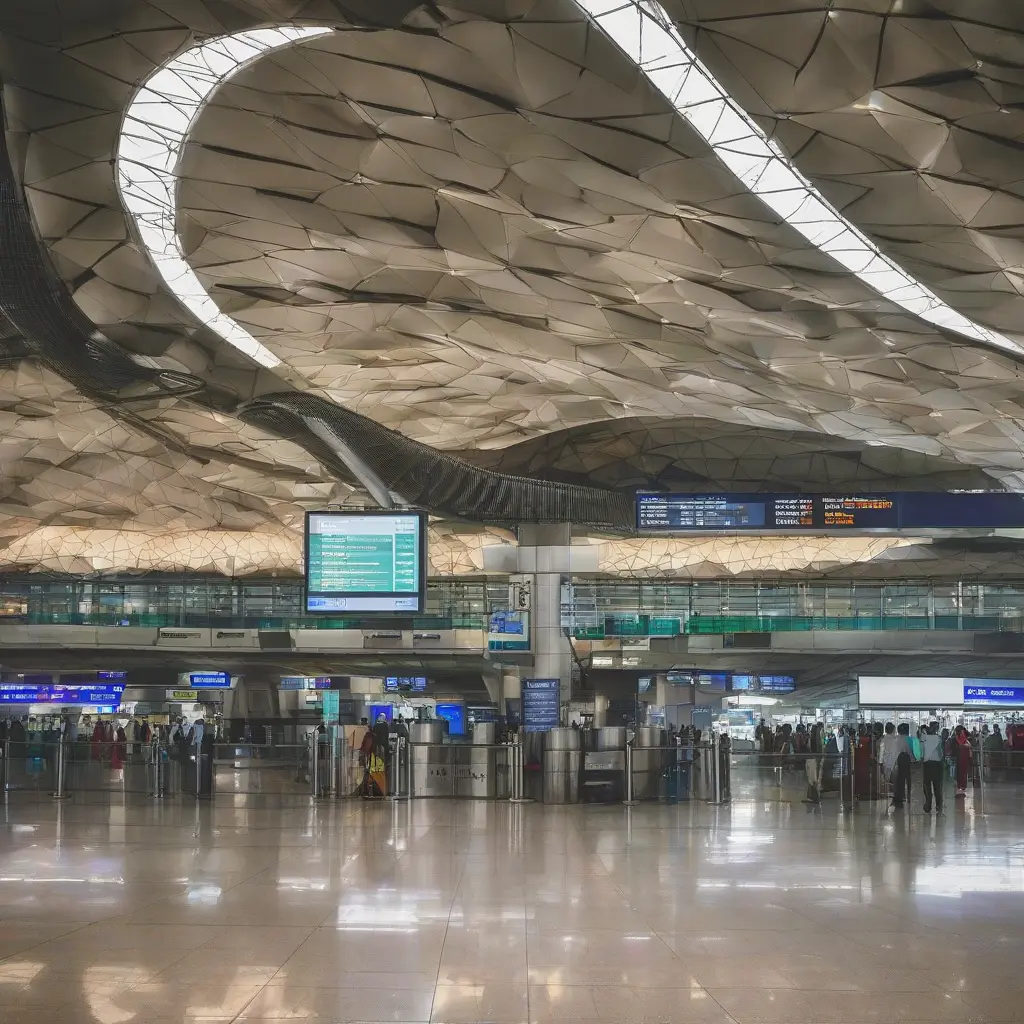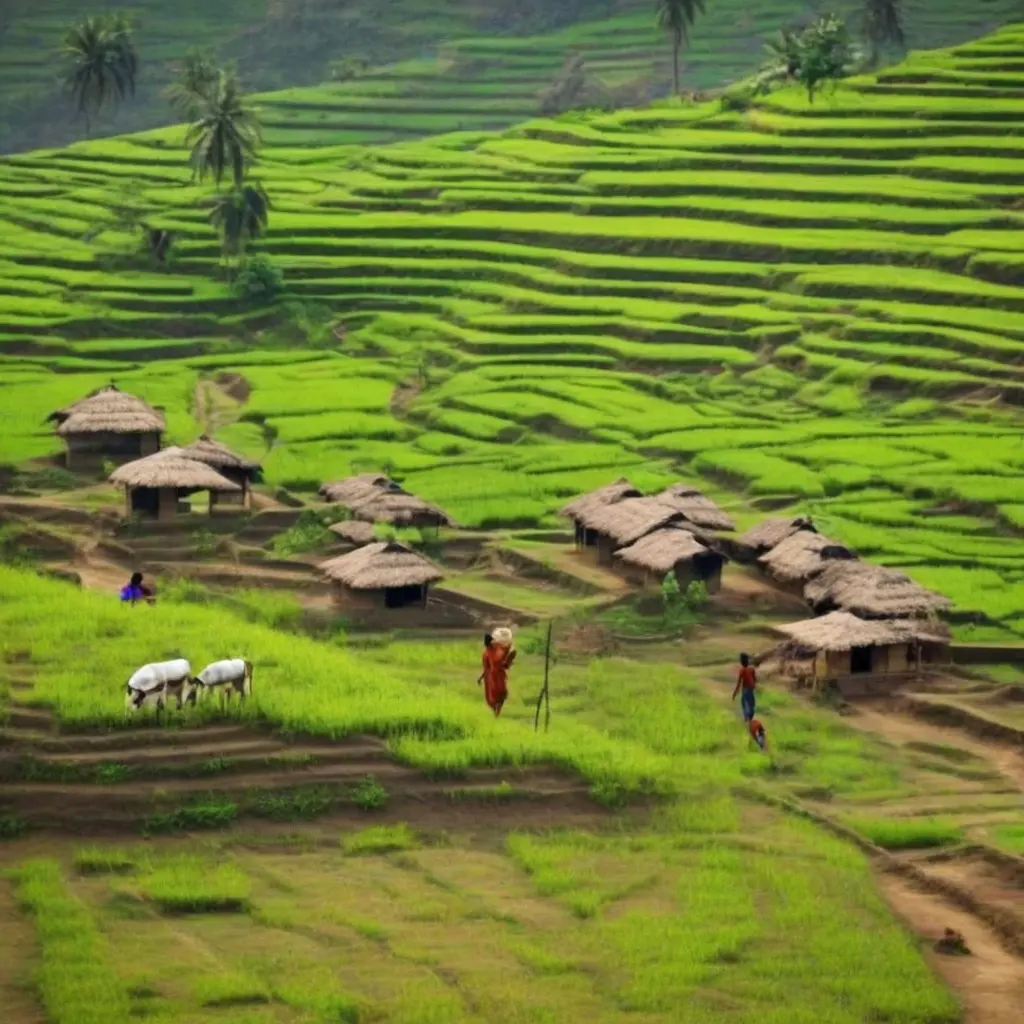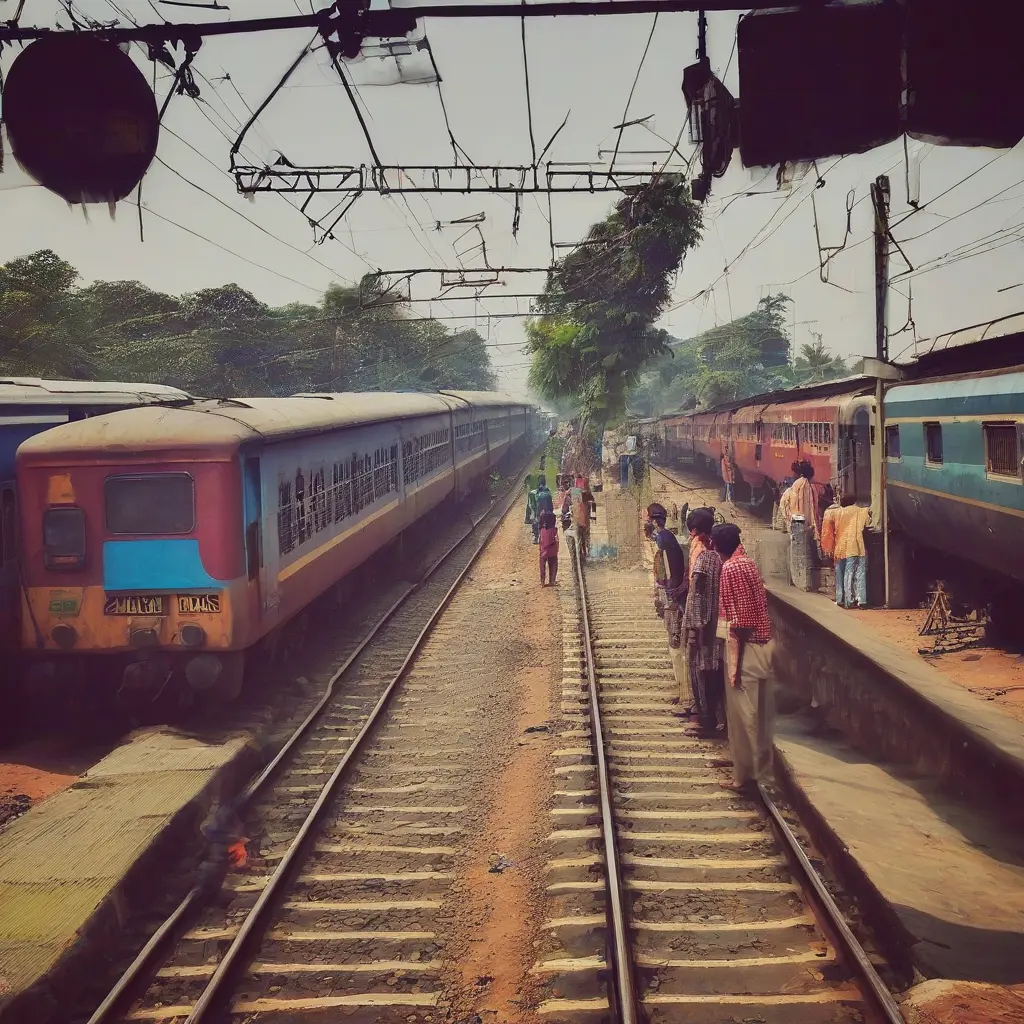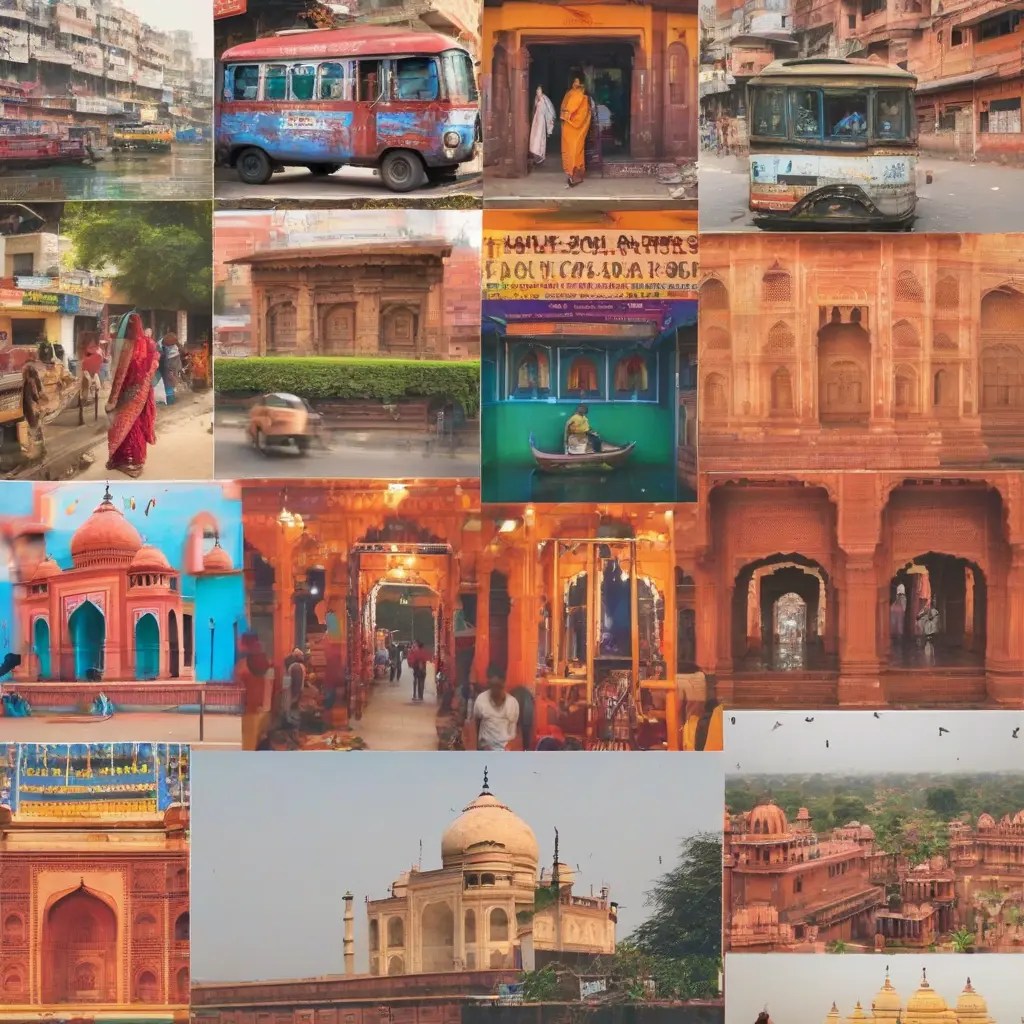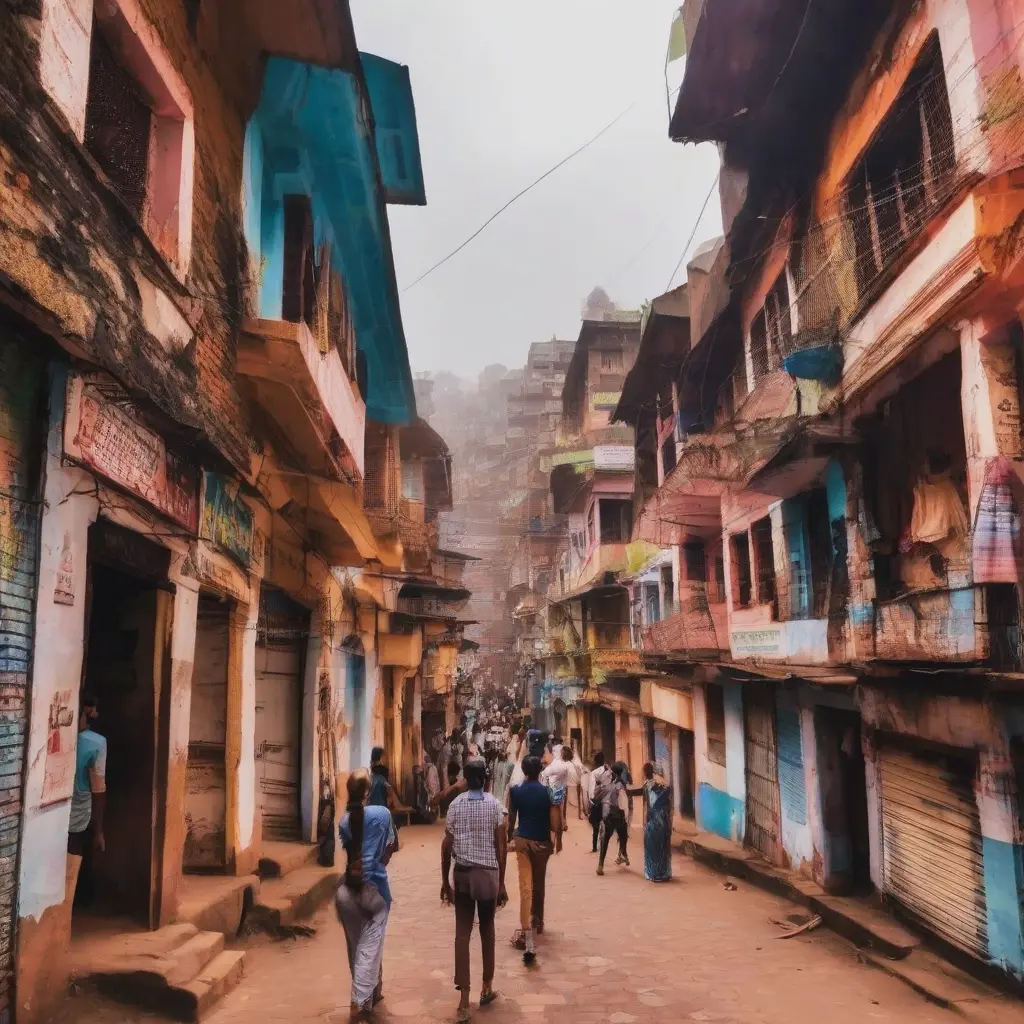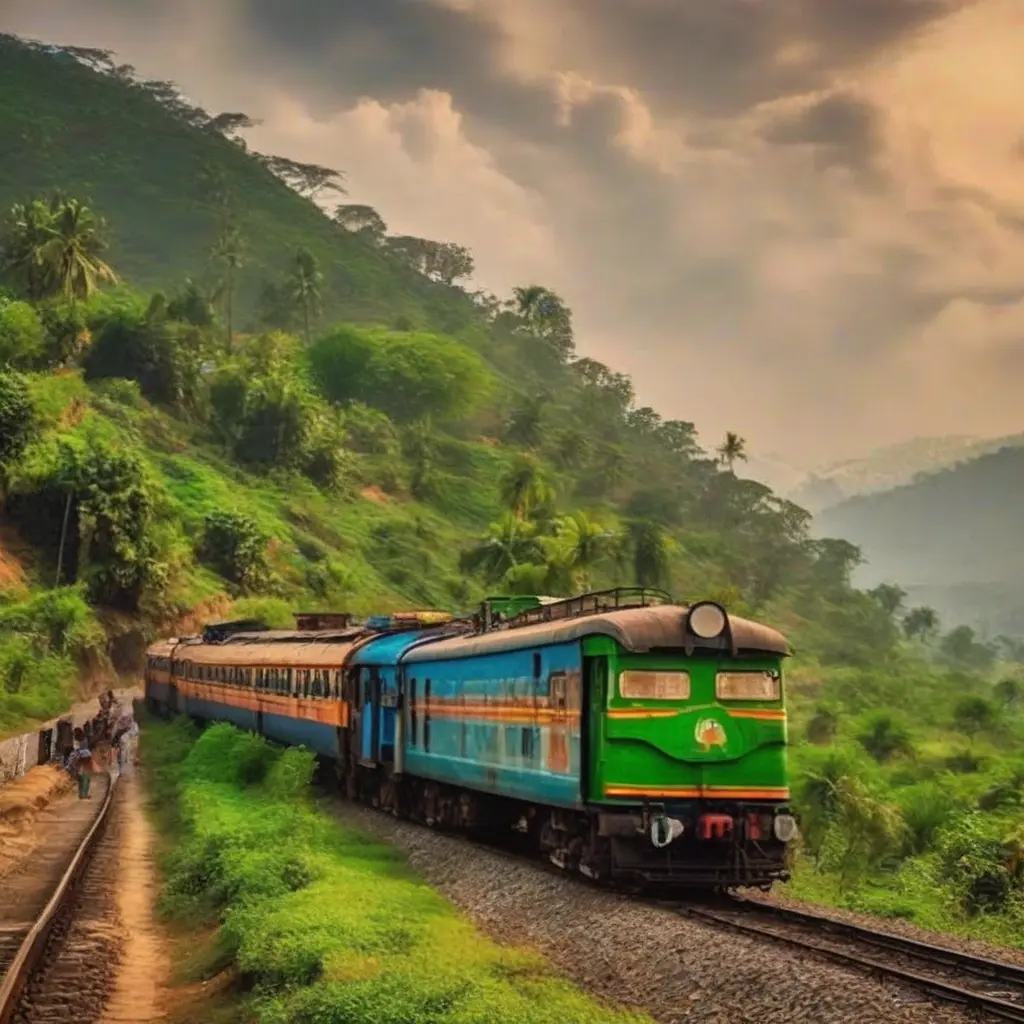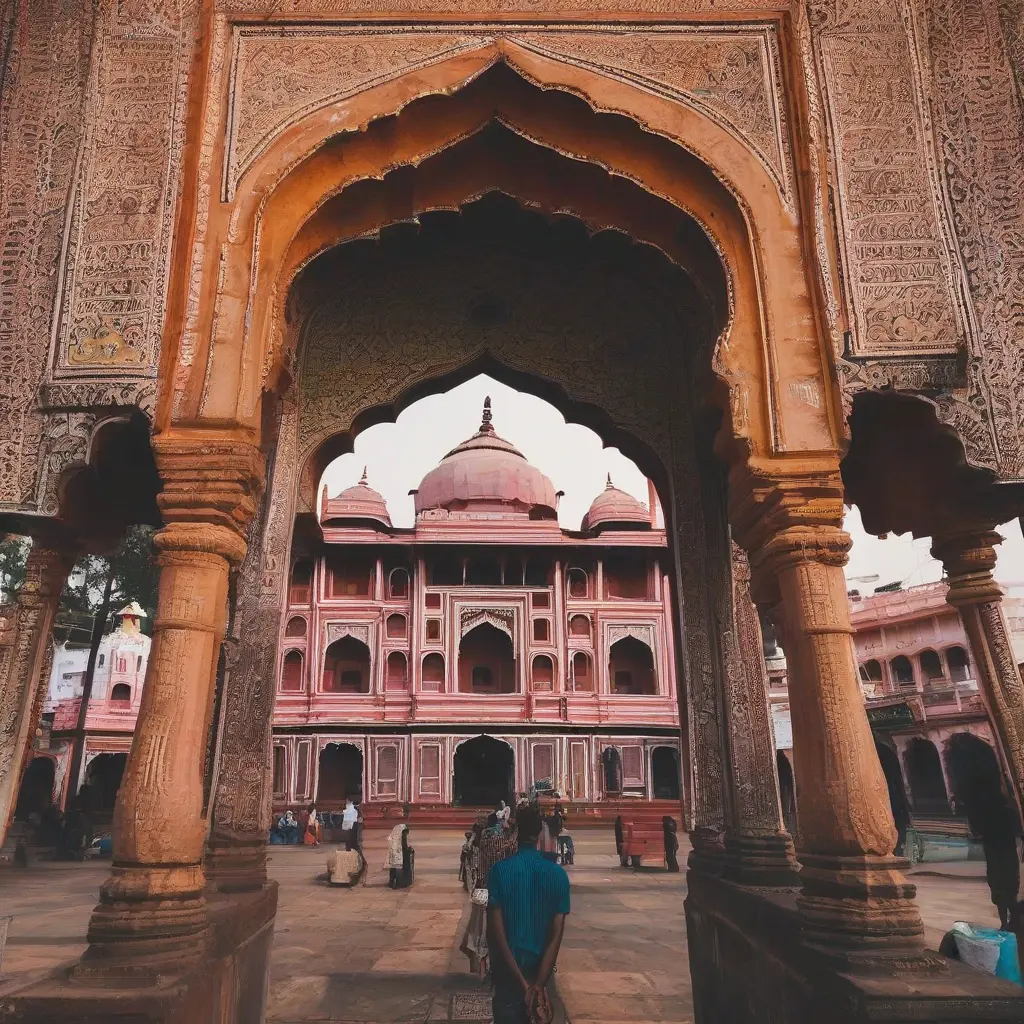
Traveling in India can be a rewarding experience, yet managing expenses can be challenging. Budgeting for your trip is essential to enjoy the rich culture and diverse landscapes without overspending. By employing strategic money-saving tips, travelers can explore India’s beauty and immerse themselves in local experiences while keeping costs manageable. This article presents 25 valuable tips designed for various budgets, helping you make informed financial decisions during your journey.
Set a Realistic Budget
Before you embark on your Indian adventure, it’s crucial to set a realistic budget. Consider all potential expenses, including accommodation, food, transportation, and activities. Research the typical costs in each destination you plan to visit, as expenses can vary widely from one city to another. Additionally, account for unexpected costs, such as medical emergencies or unplanned excursions, by setting aside a small contingency fund. A well-planned budget allows for enjoyable experiences without the stress of overspending.
Travel Off-Peak
Traveling during off-peak seasons can significantly reduce your overall travel expenses. In India, the peak tourist season typically falls between October and March. By planning your trip during the monsoon or summer months, you can benefit from lower accommodations and flight prices. Additionally, popular attractions may be less crowded, allowing for a more pleasant travel experience while also saving on costs associated with tourist-heavy periods.
Choose Budget Accommodations
India offers a wide range of accommodation options, from luxury hotels to budget hostels. Opting for budget accommodations like guesthouses, hostels, or homestays can help you save money. Many budget options still provide essential amenities and a comfortable stay. Websites such as Booking.com and Hostelworld can assist in finding affordable options. Additionally, consider negotiating prices, especially for extended stays, which can lead to further discounts.
Use Public Transportation
Utilizing public transportation is one of the most cost-effective ways to navigate India’s urban landscapes. Metro systems, local buses, and trains offer affordable travel options when visiting cities. While public transportation may feel overwhelming at first, it provides an authentic glimpse into daily life while significantly cutting down transportation costs. Ensure you familiarize yourself with schedules and routes to enhance your travel experience and budget effectively.
Eat Like a Local
Sampling local cuisine is an integral part of the travel experience, and eating like a local can help save money on food. Street food stalls and small, family-run restaurants usually offer delicious meals at a fraction of the price of tourist-oriented dining establishments. Research popular local dishes and try to indulge in regional specialties. Additionally, by eating at local establishments, you simultaneously support the community and enhance your cultural experience.
Plan Your Itinerary Wisely
Creating a well-thought-out itinerary can save both time and money during your travels in India. By grouping attractions according to proximity, you can minimize transportation costs and maximize your sightseeing opportunities. Prioritize free or low-cost activities, such as exploring local markets, parks, or monuments. A carefully planned itinerary allows for a balance of exploration and relaxation, ultimately saving money while enhancing experiences.
Leverage Travel Passes
Many cities in India offer travel passes that provide unlimited access to public transport or discounts on popular attractions. These passes can be a great way to economize your travel expenses while exploring major sites. Research different types of travel passes available in cities like Delhi, Mumbai, and Jaipur. In addition to cost savings, these passes often grant access to lesser-known attractions, providing a more enriching travel experience.
Utilize Travel Apps
In the digital age, utilizing travel apps can greatly enhance your travel experience while helping save money. Apps like Google Maps for navigation, Zomato for restaurant recommendations, and IRCTC for train bookings streamline travel logistics and budgeting. These resources facilitate informed decision-making by comparing prices and options. Moreover, many travel apps include filters for budget-friendly options, allowing for strategic planning throughout your journey.
Avoid Tourist Traps
Tourist traps often come with inflated prices and subpar experiences, making it essential to be aware of them during your trip. Research popular attractions ahead of time and seek reviews from previous visitors to identify genuine experiences. Instead of following the typical tourist itinerary, consider exploring off-the-beaten-path destinations and activities that showcase local culture without the tourist markup. This approach not only saves money but also enriches your travel narrative.
Negotiate Prices
Bargaining is a common practice in many regions of India, especially in local markets and shops. Don’t hesitate to negotiate prices on souvenirs, clothing, or even accommodations. Understanding the local customs surrounding bargaining can yield significant savings and improve your overall shopping experience. Always approach negotiations with a friendly attitude, as building rapport with sellers can lead to better deals.
Carry a Water Bottle
Staying hydrated is crucial during your travels, and carrying a reusable water bottle can help save money while reducing plastic waste. Purchasing bottled water can quickly add up in costs, especially in hot climates. Refillable water bottles can be filled at safe water stations or hotels, promoting both environmental responsibility and budget management. Ensure the quality of water accessible for refills by researching safe sources during your trip.
Book in Advance
Booking accommodations, flights, and train tickets in advance can lead to substantial savings. Many airlines and booking websites offer early bird discounts that can lower your overall costs. Additionally, securing train tickets well ahead of time, especially for popular routes, ensures availability and affordability. By planning ahead, you not only save money but also reduce last-minute stress, allowing for a more enjoyable travel experience.
Choose Free Attractions
Many destinations in India host a variety of free attractions that allow visitors to enjoy unique experiences without spending money. Parks, markets, temples, and museums often have no entry fee, providing opportunities to immerse oneself in the local culture. Research your destination for its free offerings and consider allocating more time to these sites. Engaging with the local culture through free attractions can lead to memorable experiences that don’t strain your budget.
Use Forex for Currency Exchange
Exchanging currency can often involve high fees and poor rates if done at airports or tourist zones. It is advisable to use forex services that offer competitive exchange rates. Research different providers and consider withdrawing cash from ATMs that accept international cards for the best rates. This practice minimizes extra fees, allowing you to manage your finances more effectively while traveling in India.
Limit Expensive Activities
While adventurous activities like guided tours, safaris, or expensive dining can enhance your experience, they can also strain your budget. Limit the number of pricey activities you indulge in and focus on experiences that offer the best value for money. Consider alternatives that allow for self-guided exploration or local experiences that don’t require heavy spending. This balance between splurging and saving will help maintain a healthy budget throughout your trip.
Take Advantage of Deals and Discounts
Many tourism websites and travel agencies frequently offer deals and discounts for various attractions, accommodations, or dining experiences. Sign up for newsletters and follow social media channels to stay updated on ongoing promotions. Utilizing these offers can significantly reduce costs while allowing for experiences that might otherwise be out of reach. Additionally, make use of loyalty programs to earn rewards for future travel discounts.
Utilize Local Guides
Engaging local guides can provide in-depth insights while being budget-friendly compared to large tour companies. Many local individuals offer guiding services at competitive rates and may even tailor the experience to your interests. Research recommendations from fellow travelers or local tourism offices to find reputable guides. By opting for local expertise, you not only support the community but also enjoy a richer, more personalized travel experience.
Stay Connected Wisely
Having internet access can be vital for travel, but using international roaming plans may incur high costs. Instead, consider purchasing a local SIM card or using pocket Wi-Fi devices, which are often more economical for long-term stays. Ensure you research the best providers for your needs, as many affordable options come with extensive data plans. Staying connected economically allows for easier navigation, communication, and access to travel resources.
Inquire About Student Discounts
If you are a student, take advantage of student discounts available for accommodations, transportation, and attractions throughout India. Many sites offer special rates for students who present valid identification at the time of purchase. To maximize your budget, research available discounts online before arriving, ensuring you can fully utilize every opportunity to save. This little effort can significantly ease financial pressure during your travels.
Pack Smart
Packing efficiently can save you both money and hassle during your travels. By bringing essential items like medications, toiletries, and clothing suitable for the climate, you minimize the risk of needing to purchase overpriced items abroad. Consider investing in versatile clothing and multifunctional gear that can adapt to different situations. A well-thought-out packing strategy ensures comfort and reduces additional expenses on unnecessary purchases.
Participate in Free Walking Tours
Many cities in India offer free walking tours, providing a unique way to learn about the culture and history without a hefty price tag. These tours are usually conducted by knowledgeable locals, who often work on a tip-based system. Engaging in free walking tours not only grants insight into the destination but also fosters connections with other travelers. Be sure to tip guides according to your experience, as this supports their efforts while still keeping costs affordable.
Stay Flexible with Plans
Maintaining flexibility in your travel plans can open up opportunities for savings and spontaneous adventures. Prices fluctuate, and extra cash may be saved when opting for last-minute deals or alternate routes. By remaining adaptable and open to changes, you can discover hidden gems and experiences that might otherwise be missed. Embracing flexibility while traveling often leads to memorable moments without overspending.
Seek Out Local Events
Participating in local events can enhance your travel experience while often being free or low-cost. Festivals, markets, and community gatherings provide rich cultural insights and opportunities for interaction with locals. Research local calendars before your trip to ensure you don’t miss exciting events. Engaging with the community through these activities allows for authentic experiences without breaking the bank.
Take Care of Health Needs
Prioritizing health during your travels can prevent unexpected medical expenses. Ensure you have adequate travel insurance that covers medical emergencies. Carry necessary medications and a basic first-aid kit to address common travel ailments. Awareness of local health and safety practices also plays a crucial role. Protecting your health allows for uninterrupted travel experiences and eliminates additional spending on unforeseen medical costs.
Conclusion
Budgeting for your trip to India can enhance your traveling experience when approached strategically. By implementing these 25 money-saving tips, you can explore the diverse culture, delectable cuisine, and breathtaking landscapes while managing your expenses effectively. With careful planning and informed decisions, you can create memorable experiences that won’t strain your budget, making your Indian adventure both enjoyable and financially feasible.