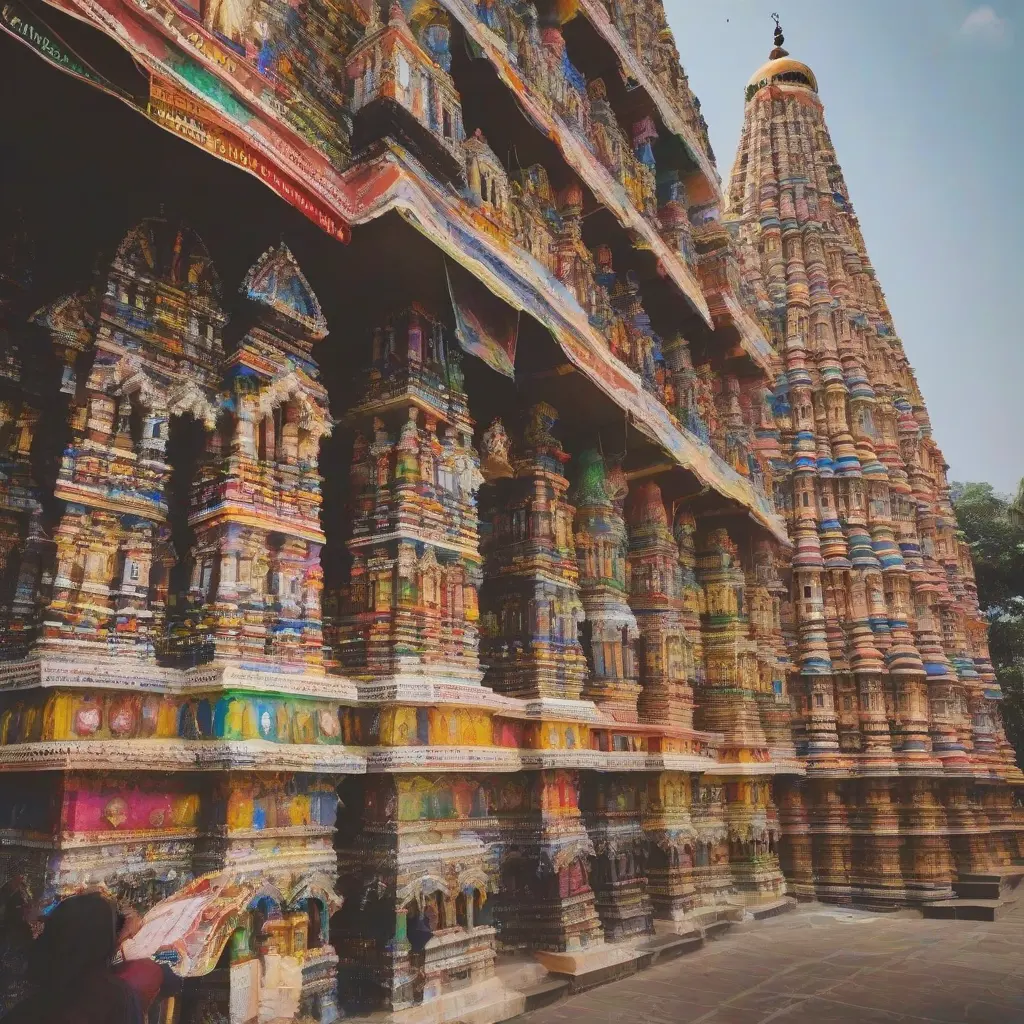
India, a land rich in spirituality and culture, offers a multitude of destinations that provide profound experiences for those on a quest for faith. From ancient temples to serene monasteries, each location is steeped in history and devotion, attracting pilgrims and tourists alike. This article explores 25 notable spiritual destinations in India, highlighting their unique significance and the transformative experiences they offer. Whether you seek solace, spirituality, or cultural enrichment, these sites promise a journey that resonates with the heart and soul.
Varanasi: The City of Light
Varanasi, often referred to as Kashi, is one of the oldest living cities in the world and holds immense spiritual significance for Hindus. Situated on the banks of the Ganges River, its ghats are renowned for rituals and ceremonies that symbolize the cycle of life and death. Pilgrims visit Varanasi to immerse themselves in its vibrant culture, to offer prayers, and to perform rituals for departed souls. The mesmerizing Ganga Aarti, a daily ceremony, illuminates the spiritual atmosphere and draws both locals and visitors, making it a must-visit destination.
Rishikesh: The Yoga Capital of the World
Rishikesh, nestled in the foothills of the Himalayas, is revered as the ‘Yoga Capital of the World.’ This serene town offers numerous ashrams and yoga schools that attract spiritual seekers from around the globe. Rishikesh is also famous for its sacred banks of the Ganges, where pilgrims come for purification rituals. The Beatles made this town famous in the 1960s during their visit for transcendental meditation. Today, visitors can partake in various yoga retreats, meditation sessions, and river rafting, enveloping themselves in both adventure and spirituality.
Haridwar: The Gateway to the Gods
Haridwar, located at the point where the Ganges leaves the mountains and enters the plains, is one of the seven holiest places in Hinduism. Known as ‘Gateway to the Gods,’ it hosts the Kumbh Mela, one of the largest religious gatherings in the world. Every evening, the Ganga Aarti ceremony captivates thousands as lamps are floated downstream, creating a magical ambiance. Pilgrims visit Haridwar to cleanse their souls and seek blessings, making it an essential stop for anyone on a spiritual journey in India.
Bodh Gaya: The Enlightenment Site
Bodh Gaya is the serene location where Gautama Buddha attained enlightenment under the Bodhi tree. This UNESCO World Heritage Site attracts Buddhists from around the world seeking spiritual awakening and tranquility. The Mahabodhi Temple, adorned with intricate carvings, is a focal point for meditation and reflection. Visitors can explore various monasteries representing different Buddhist cultures and engage in meditation practices that promote inner peace. Bodh Gaya serves as a reminder of the significance of mindfulness and spiritual attainment.
Ajmer Sharif Dargah: A Sanctuary of Faith
Ajmer Sharif Dargah is a revered shrine dedicated to the Sufi saint Khwaja Moinuddin Chishti, attracting devotees across faiths seeking solace and blessings. The dargah’s architecture is captivating, featuring intricate details that reflect Mughal influence. Visitors often participate in rituals, light candles, and make offerings as acts of devotion. The annual Urs festival, celebrating the saint’s life, draws thousands and fosters a sense of unity and spiritual upliftment among diverse attendees, making it a standout spiritual destination in India.
Amritsar: The Golden Temple Experience
Amritsar is home to the Golden Temple, known as Harmandir Sahib, the holiest site for Sikhs. The temple’s stunning architecture, adorned with gold leaf and marble, is set in a serene lake that reflects its beauty. Visitors are welcomed with open arms to experience the langar, a community kitchen serving free meals to thousands daily. The spiritual atmosphere, coupled with the poignant history surrounding the temple, provides a profound experience for both devotees and tourists, highlighting the Sikh values of equality and service.
Haridwar’s Kumbh Mela: A Pilgrimage of Millions
The Kumbh Mela, held every twelve years in Haridwar, is one of the largest religious gatherings globally, attracting millions of devotees from various faiths. Pilgrims come to take a holy dip in the Ganges River, seeking spiritual purification and forgiveness. The festival features various spiritual discourses, cultural programs, and rituals that showcase India’s diverse religious tapestry. Witnessing this grand event offers not only a chance for personal reflection but also an opportunity to connect with thousands of others on a spiritual quest, making it a unique pilgrimage experience.
Ramgarh: A Hidden Gem in Spiritual Tourism
Ramgarh, a lesser-known destination, offers a peaceful retreat that is perfect for spiritual seekers looking to escape the hustle and bustle of popular tourist spots. This quaint town is surrounded by picturesque hills and is known for its tranquil environment conducive to meditation. Ramgarh possesses several quaint temples and ashrams that provide yoga and spiritual workshops. Those seeking solitude and reflection will find Ramgarh an ideal destination for personal growth and spiritual exploration amid natural beauty.
Shirdi: The Home of Sai Baba
Shirdi, the final resting place of Sai Baba, has become a significant pilgrimage center for devotees who seek spiritual guidance and healing. The Sai Baba Temple, one of the largest and most visited in India, attracts millions annually. The temple’s architecture and serene atmosphere create a perfect environment for prayer and reflection. Devotees often bring offerings, and the daily rituals performed by priests add to the sanctity of the place. Visiting Shirdi provides an opportunity to experience the message of love, compassion, and acceptance advocated by Sai Baba.
Kanha National Park: A Spiritual Connection to Nature
Kanha National Park is not just a paradise for wildlife enthusiasts; it also holds spiritual significance for many travelers. The natural beauty and tranquility of the park offer a unique opportunity for meditation and connection with nature. The indigenous tribes of the region have deep-rooted spiritual beliefs associated with the land and its wildlife. Visitors can engage in nature walks or meditation sessions, allowing them to appreciate the spiritual aspects of life interconnected with nature, making Kanha a destination for spiritual rejuvenation.
Tirupati: The Rich Heritage of Lord Venkateswara
Tirupati is home to the Tirumala Venkateswara Temple, one of the most visited pilgrimage sites in the world. Dedicated to Lord Venkateswara, this temple is famous for its religious rituals and the rich heritage that surrounds it. Pilgrims from all over India come here to offer their prayers and fulfill vows, often waiting hours for a glimpse of the deity. The temple’s architecture, coupled with its continuous tradition of charitable offerings, makes it an integral part of India’s spiritual landscape, emphasizing devotion and surrender.
Kolkata: The Spirit of Mother Kali
Kolkata, known for its cultural vibrancy, is steeped in spirituality, especially with the renowned Dakshineswar Kali Temple dedicated to Goddess Kali. This temple complex draws devotees who come to seek blessings and engage in practices that honor the goddess. The atmosphere is filled with energy during festivals like Durga Puja, showcasing the city’s spiritual heritage. Kolkata’s rich history and diverse spiritual practices offer a unique experience for travelers wishing to explore various religious traditions in India.
Gangtok: Spirituality in the Hills
Gangtok, the capital of Sikkim, offers a calm spiritual atmosphere amidst the stunning Himalayan backdrop. The Enchey Monastery is a highlight, attracting Buddhists and tourists with its beautiful architecture and tranquil surroundings. Gangtok serves as a base for trips to other spiritual sites in Sikkim, including the famous Rumtek Monastery. Visitors can experience Tibetan culture and spirituality, engaging in meditation and prayer practices that emphasize inner peace and mindfulness, making Gangtok a unique spiritual destination.
Udaipur: The City of Lakes and Temples
Udaipur, often celebrated for its picturesque lakes, is home to several significant temples that resonate with spirituality. The Jagdish Temple, an architectural gem, is dedicated to Lord Vishnu and draws many visitors for worship and reflection. Udaipur’s serene environment fosters a peaceful atmosphere for spiritual seekers, making it an ideal place for meditation. The city also showcases a blend of Rajasthani culture and spirituality, allowing visitors to explore rich traditions while connecting with their inner selves amidst stunning landscapes.
Kumarakom: Serenity by the Backwaters
Kumarakom is a serene destination situated along the backwaters of Kerala and offers a unique spiritual experience. Visitors can explore its tranquil settings, engage in meditation, and participate in traditional Ayurvedic treatments that nourish the body and soul. The region’s numerous temples, such as the Vaikom Mahadeva Temple, are celebrated for their historical significance and beautiful architecture. Kumarakom’s calming environment provides an excellent backdrop for nurturing spirituality and self-reflection, making it a perfect sanctuary for wellness travelers.
Khajuraho: Temples of Love and Devotion
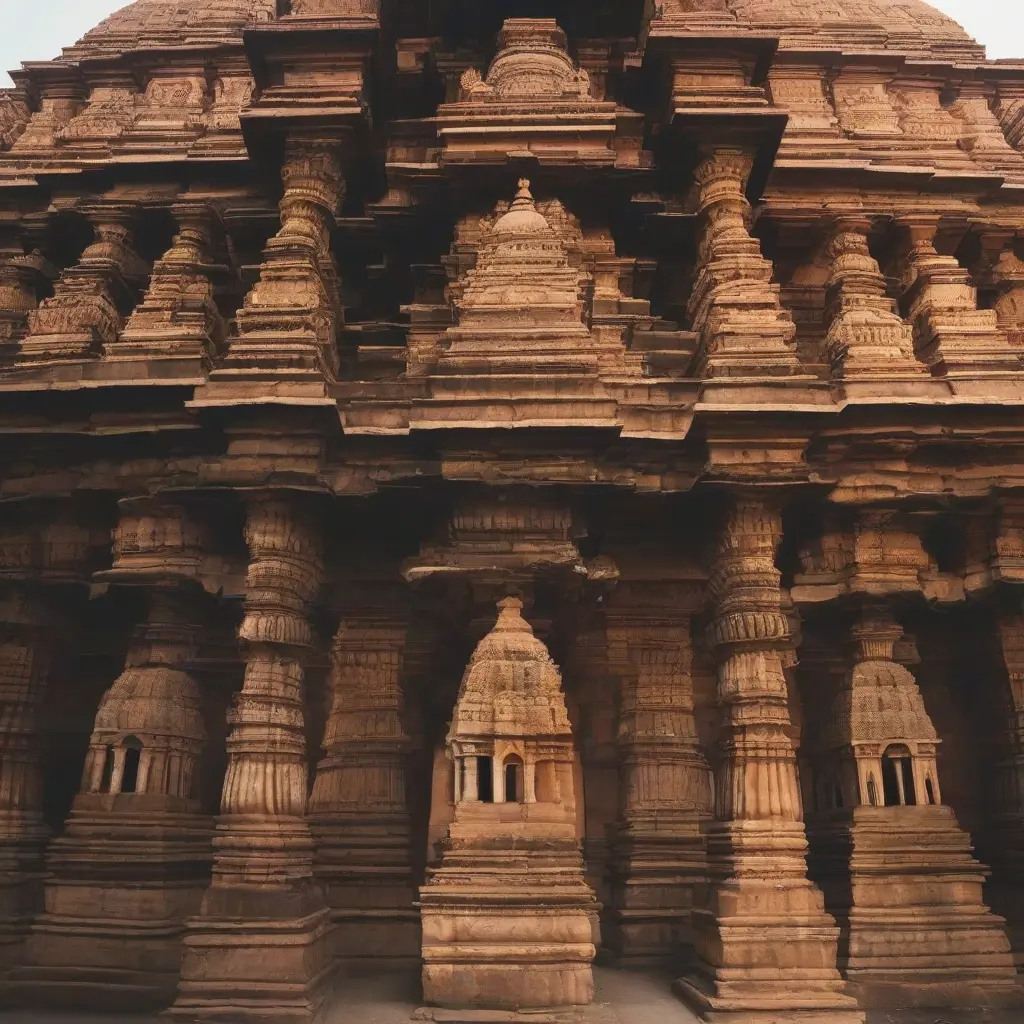
Khajuraho is famed for its intricate temples adorned with erotic sculptures that celebrate love and devotion through art. These UNESCO World Heritage-listed sites showcase a unique blend of spirituality and sexuality, inviting visitors to explore the deeper meanings behind the carvings. The temples, built during the Chandela dynasty, highlight the artistic and spiritual sensibilities of ancient India. Visitors gain insights into the philosophy of life, love, and devotion through the evocative imagery that makes Khajuraho a must-visit for cultural and spiritual exploration.
Nashik: The Wine Capital with a Spiritual Heart
Nashik, known as the ‘Wine Capital of India,’ is also a significant pilgrimage site, especially famous for the Kumbh Mela. The Panchavati area features temples like Kalaram Mandir that attract numerous devotees. Nashik’s vineyards offer a unique juxtaposition of spirituality paired with relaxation, where visitors can explore wine tours alongside divine experiences. This blend of culture and spirituality makes Nashik a fascinating destination, allowing travelers to enjoy both the serene and celebratory aspects of Indian culture.
Shimla: The Queen of Mountains
Shimla, the capital of Himachal Pradesh, combines natural beauty with spiritual significance. The Jakhoo Temple, located on Jakhoo Hill, is dedicated to Lord Hanuman and offers stunning panoramic views along with spiritual solace. The temple attracts tourists and locals alike, particularly during festivals when it becomes a vibrant hub of devotion. Shimla’s serene environment, tucked away in the Himalayas, creates an atmosphere conducive to reflection and personal growth, making it a perfect destination for those seeking spiritual rejuvenation amidst stunning landscapes.
Puri: The Land of Lord Jagannath
Puri is essential for devotees of Lord Jagannath, one of the forms of Lord Krishna. The Jagannath Temple, a significant pilgrimage site, is known for the annual Rath Yatra, where gigantic chariots are pulled through the streets by thousands of devotees. The spiritual significance of Puri is enhanced by its beautiful beaches, making it a popular destination for both religious and leisure travelers. Visitors can immerse themselves in the city’s vibrant culture and partake in rituals that celebrate the bond between the divine and the devotees, creating a deeply enriching experience.
Kumarapatnam: The Untold Spiritual Journey
Kumarapatnam is an overlooked destination that holds spiritual significance for those seeking solace from the crowded pilgrimage sites. With its landscapes characterized by serene temples and peaceful surroundings, it provides an ideal setting for introspection. Visitors can engage in local rituals and discover the rich cultural traditions that define this region, offering insights into lesser-known spiritual practices. Experiencing Kumarapatnam allows travelers to connect deeply with the spiritual landscape of India, standing as a testament to lesser-explored routes of faith and devotion.
Conclusion
India’s spiritual destinations offer a diverse tapestry woven with history, culture, and deep-rooted faith. Each place provides a unique experience, inviting individuals to explore their spirituality through diverse rituals, philosophies, and interactions with the local culture. Whether you are drawn to the bustling ghats of Varanasi or the tranquil shores of Kumarakom, these spiritual sites enrich one’s understanding of life and faith. Embarking on a journey to these destinations is not just about visiting places; it is about discovering oneself amidst the rich spiritual heritage that India has to offer.