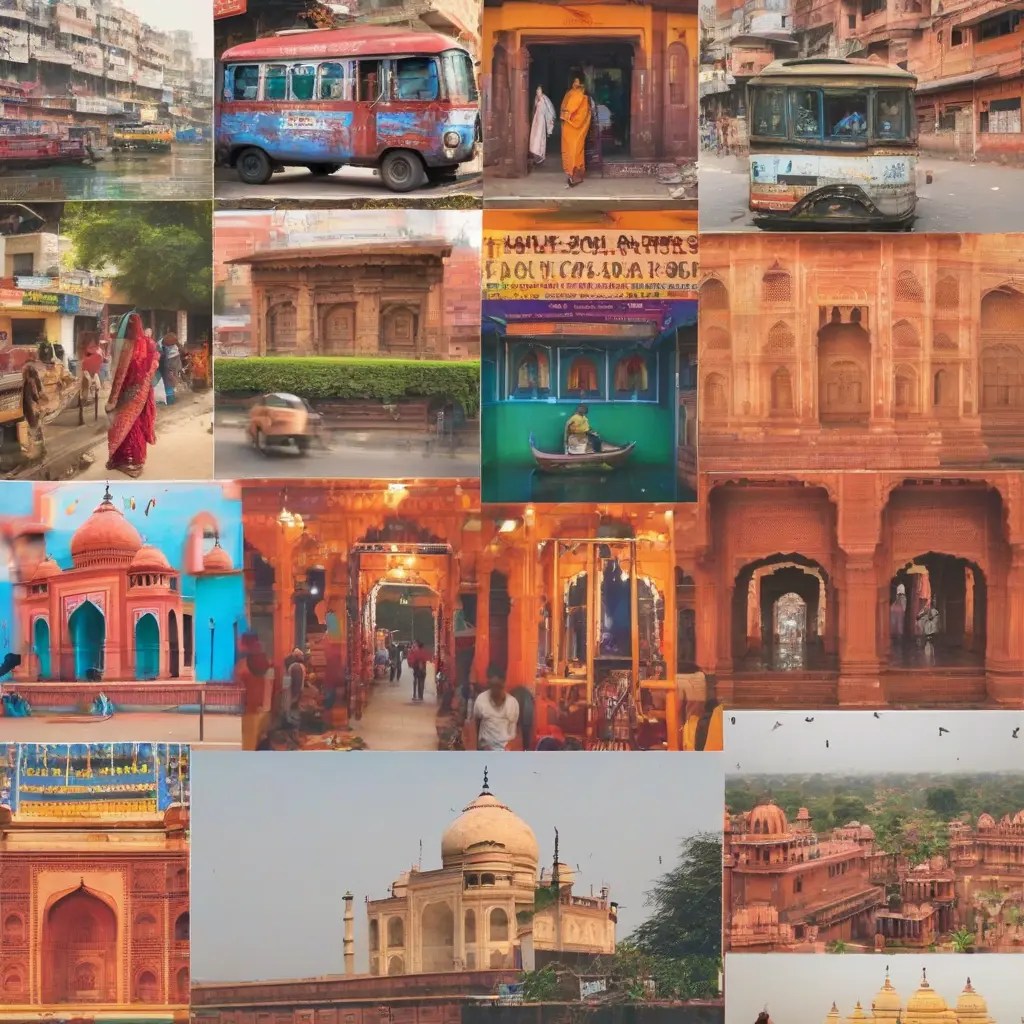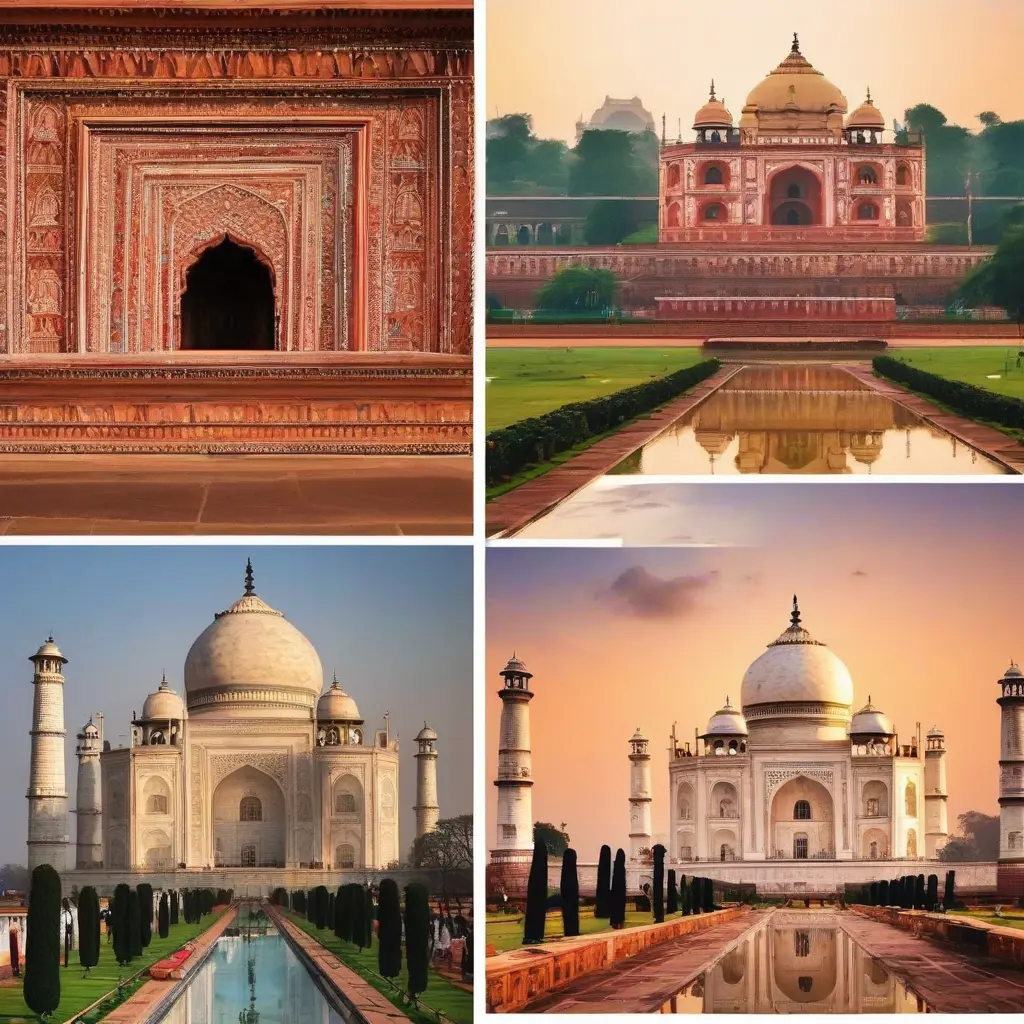
India is a land of diverse cultures, landscapes, and histories, making it an incredible destination for travelers. From vibrant cities steeped in ancient traditions to modern urban centers, each location offers unique experiences. This complete travel guide explores 15 iconic cities across India, providing insights into their attractions, history, and cultural significance. Whether you are a history buff, a foodie, or an adventure seeker, this guide will help you discover the best of what these remarkable cities have to offer.
1. Delhi: The Capital City
Delhi, India’s capital, is a bustling metropolis that boasts a mix of history and modernity. Visitors can explore the Red Fort, a UNESCO World Heritage site, and the grandeur of India Gate. The vibrant markets of Chandni Chowk offer an authentic shopping experience, while the Qutub Minar showcases impressive Islamic architecture. Additionally, the city is home to numerous parks and gardens, such as Lodhi Gardens, perfect for relaxation. Delhi’s rich culinary scene, with street food and upscale dining, adds to its allure, making it an essential stop on any Indian itinerary.
2. Mumbai: The City of Dreams
Mumbai, often referred to as the City of Dreams, is the financial capital of India and a hub for entertainment and culture. This vibrant city is known for its iconic landmarks like the Gateway of India and the Taj Mahal Palace hotel. Colaba’s bustling streets offer a glimpse into local life, while Marine Drive provides stunning views of the Arabian Sea. Cultural institutions, such as the National Gallery of Modern Art and Chhatrapati Shivaji Maharaj Terminus, reflect Mumbai’s rich history. Don’t forget to savor the city’s famous street food, particularly vada pav and pav bhaji.
3. Bengaluru: The Silicon Valley of India
Bengaluru, also known as Bangalore, is India’s technological hub and boasts a vibrant atmosphere filled with parks and gardens. The city is famous for its historic sites, such as Bangalore Palace and Tipu Sultan’s Summer Palace, which showcase its royal heritage. Additionally, Cubbon Park and Lalbagh Botanical Garden provide green spaces where visitors can escape the urban hustle. Bengaluru’s thriving startup culture has led to a diverse culinary scene, offering everything from traditional South Indian eateries to international cuisine. Its lively nightlife and culture make it a must-visit destination.
4. Jaipur: The Pink City
Jaipur, popularly known as the Pink City, is renowned for its stunning architecture and rich history. The City Palace, Hawa Mahal, and Amer Fort reflect the grandeur of Rajasthan’s royal past. Amber Fort, perched majestically on a hill, offers visitors panoramic views of the surrounding landscape. Exploring the local bazaars, such as Johari Bazaar and Bapu Bazaar, allows travelers to shop for handicrafts and textiles unique to the region. Jaipur also hosts vibrant cultural festivals, providing a glimpse into Rajasthani customs and traditions. This city is a treasure trove for history enthusiasts.
5. Agra: Home of the Taj Mahal
Agra, famous for the breathtaking Taj Mahal, is a city rich in Mughal history. The Taj Mahal, a UNESCO World Heritage site, attracts millions of visitors annually with its stunning white marble structure and intricate carvings. Apart from the Taj, the Agra Fort and Fatehpur Sikri offer insight into Mughal architecture and history. The city’s bustling markets provide opportunities to shop for local handicrafts, particularly marble inlay work. Food lovers can indulge in Agra’s famous petha (candied winter melon) and experience the city’s vibrant street food scene. Agra is a must-visit for anyone exploring India.
6. Varanasi: The Spiritual Capital
Varanasi, one of the oldest living cities in the world, holds immense spiritual significance in Hindu culture. The ghats along the Ganges River provide a serene and sacred setting for prayer and rituals. Witnessing the evening Ganga Aarti at Dashashwamedh Ghat is a mesmerizing experience that draws both locals and tourists. The city is also famous for its narrow winding streets and bustling markets, where visitors can shop for silk products and traditional Indian wear. Exploring the ancient temples and learning about the city’s religious customs offers a profound insight into Indian spirituality.
7. Kerala: God’s Own Country
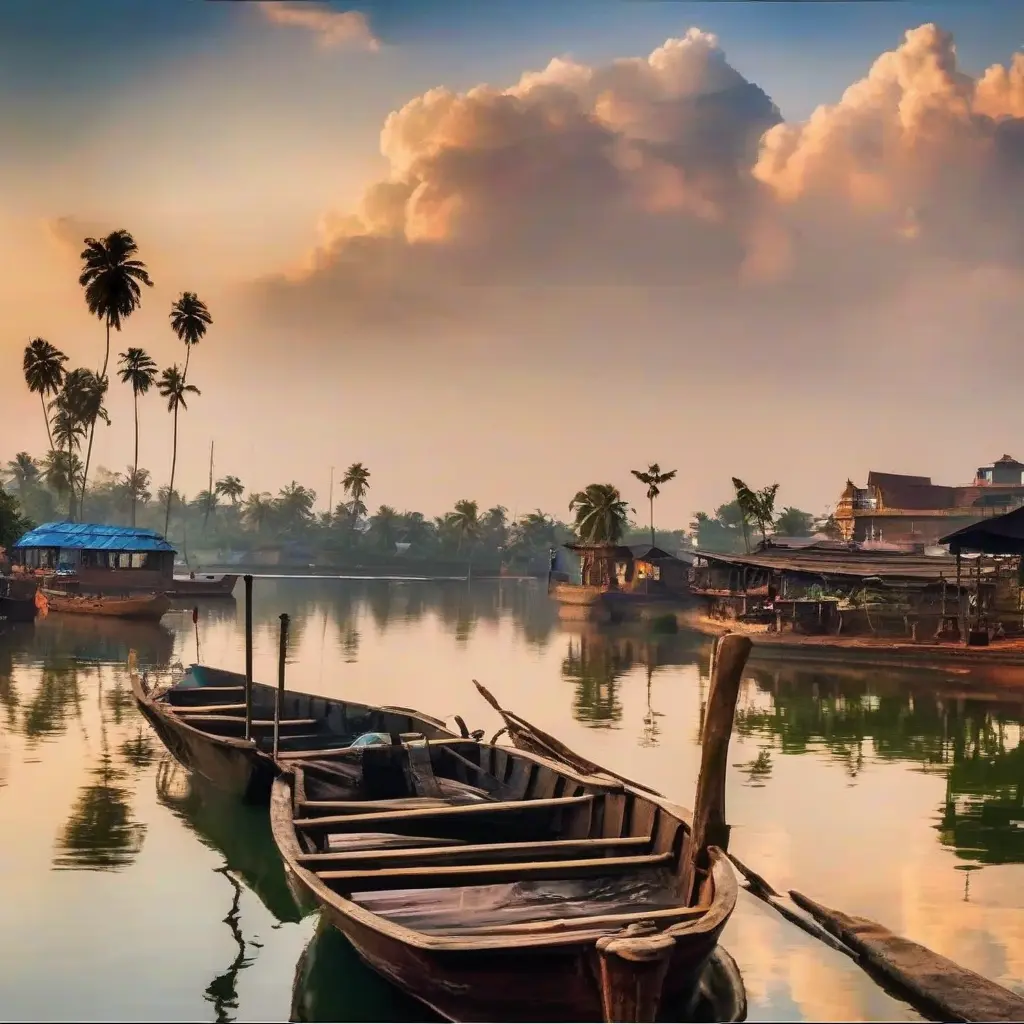
Kerala, often referred to as God’s Own Country, is known for its stunning backwaters, lush greenery, and serene beaches. Cities like Kochi combine historical influences with modern attractions, boasting sites like the Chinese Fishing Nets and Mattancherry Palace. The backwaters of Alleppey offer unique houseboat experiences, providing a peaceful retreat amidst nature. Kerala’s rich cultural heritage is celebrated through traditional dance forms like Kathakali and its diverse culinary offerings, particularly seafood and spice-laden dishes. Travelers can also explore wildlife sanctuaries to spot elephants and exotic birds in their natural habitat.
8. Chandigarh: The Planned City
Chandigarh, designed by architect Le Corbusier, is known for its modern architecture and urban planning. The city is a blend of greenery and urban life, featuring well-maintained gardens, parks, and wide boulevards. The Rock Garden and Sukhna Lake are popular spots for both locals and tourists, offering serene environments for relaxation. Chandigarh is also a cultural hub, with numerous galleries and art installations. Its diverse gastronomic scene showcases North Indian delicacies, making it a delightful stop for food enthusiasts. Chandigarh represents a unique aspect of Indian urban life and planning.
9. Udaipur: The City of Lakes
Udaipur, often referred to as the City of Lakes, is famous for its enchanting water bodies and royal palaces. The City Palace offers a glimpse into the opulent lifestyle of the Mewar rulers, while Lake Pichola provides picturesque views of the surrounding hills. Visitors can also take a boat ride on the lake to experience the sunset over the water. The city’s cultural offerings, from folk music performances to traditional handicrafts, add to its charm. Udaipur’s serene ambiance and a relaxed pace make it an ideal destination for those seeking beauty and tranquility.
10. Pune: The Cultural Capital of Maharashtra
Pune is known for its rich cultural heritage and educational institutions, making it a vibrant city in Maharashtra. Historical sites like the Aga Khan Palace and Shaniwar Wada provide insight into Pune’s significant past. The city is also known for its dynamic arts scene, with various galleries, theaters, and music festivals throughout the year. Additionally, Pune’s proximity to the Western Ghats offers opportunities for trekking and exploring nature. The local cuisine, featuring specialities like chaat and misal pav, adds to the city’s culinary diversity, inviting food lovers to explore unique flavors.
11. Nashik: The Wine Capital
Nashik, often referred to as the Wine Capital of India, is famous for its vineyards and wineries. This city, situated in Maharashtra, is rapidly becoming a popular destination for wine enthusiasts with numerous tastings and tours available to visitors. The nearby hills and scenic landscapes enhance the experience of exploring the vineyards. Aside from wine, Nashik is known for its religious significance, especially during the Kumbh Mela, attracting thousands of pilgrims annually. Visitors can also explore ancient temples and enjoy traditional Marathi cuisine, enriching their cultural experience in Nashik.
12. Kolkata: The City of Joy
Kolkata, known as the City of Joy, is a cultural hub with a colonial charm and rich arts scene. The city is famous for historical landmarks like the Victoria Memorial and the Howrah Bridge, illustrating its blend of traditional and contemporary influences. Kolkata’s vibrant street food scene, including snacks like puchar and mishti doi, delights foodies. Furthermore, it is home to numerous festivals, such as Durga Puja, which showcases the city’s cultural vibrancy. Explorers can wander through its colorful markets and discover the warmth of its people, creating unforgettable memories. Kolkata truly embodies the spirit of India.
13. Mysore: The City of Palaces
Mysore, often hailed as the City of Palaces, is famous for its rich heritage and royal history. The Mysore Palace is an architectural marvel that attracts visitors from all over the world. This opulent palace hosts an elaborate lighting display each Sunday, providing a mesmerizing experience. Mysore is also known for its vibrant silk industry and the famous Mysore Dasara festival, showcasing elaborate processions and cultural performances. The city’s serene gardens, such as Lalitha Mahal, along with the nearby Chamundi Hill, where the Chamundeshwari Temple resides, offer a perfect blend of spirituality and nature.
14. Ahmedabad: The Manchester of India
Ahmedabad, often referred to as the Manchester of India, boasts a rich textile heritage and impressive architecture. The city’s historical sites like Sabarmati Ashram, associated with Mahatma Gandhi, highlight its significant role in India’s freedom movement. Ahmedabad’s blend of cultures is reflected in its vibrant food scene, known for dishes like dhokla and khaman. The city is also home to modern architectural marvels, such as the Sabarmati Riverfront. With various museums and art galleries, Ahmedabad serves as a center for culture and education, making it an intriguing city to explore.
15. Rishikesh: The Yoga Capital
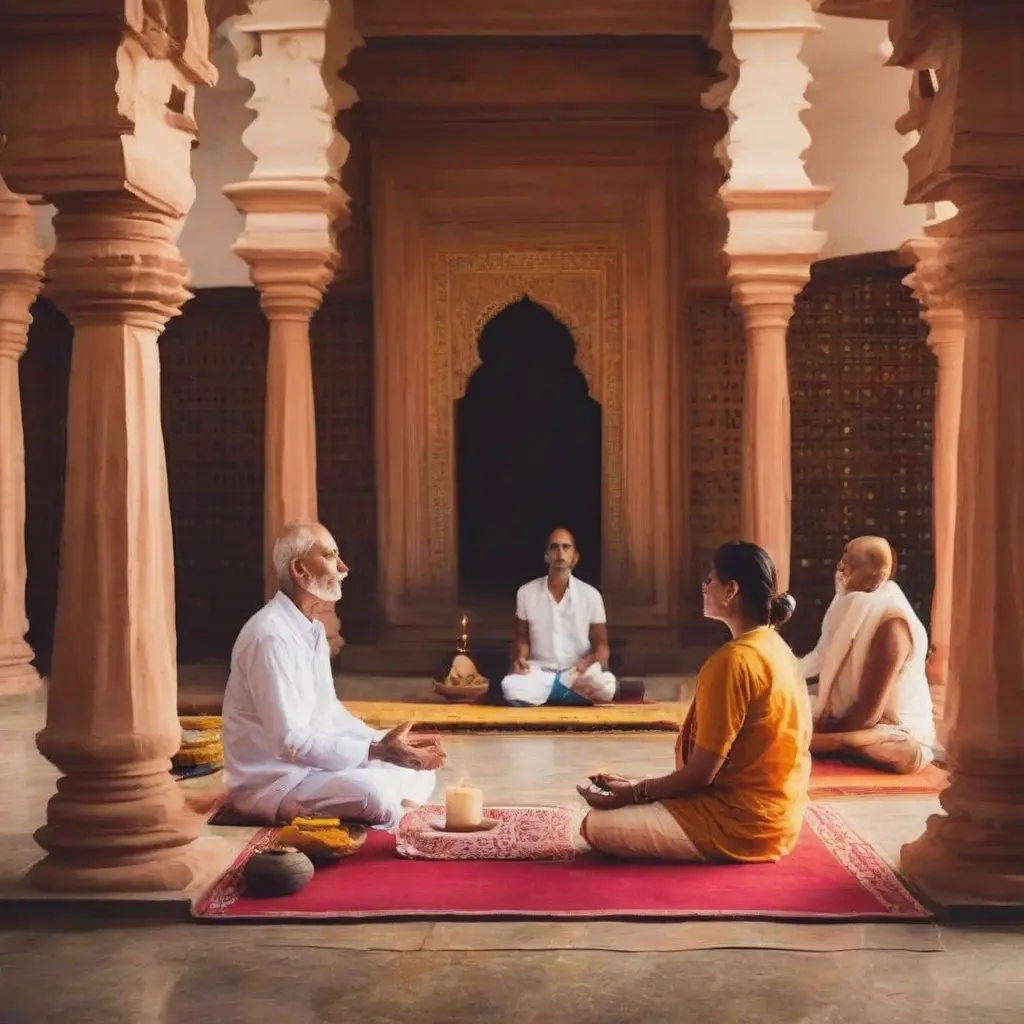
Rishikesh, nestled in the foothills of the Himalayas, is internationally recognized as the Yoga Capital of the World. The serene banks of the Ganges River offer spiritual seekers, adventure enthusiasts, and wellness travelers a tranquil environment. Visitors can attend yoga and meditation retreats, learning ancient practices alongside experts. Rishikesh also serves as a gateway for adventure sports like white-water rafting and trekking in the nearby mountains. The vibrant streets filled with cafes and shops cater to diverse tastes, creating a unique cultural experience. Rishikesh’s spiritual ambiance profoundly impacts all who visit.
Conclusion
India’s 15 iconic cities each offer a unique glimpse into the country’s rich heritage, culture, and diversity. From the historical wonders of Agra and Jaipur to the spiritual tranquility of Varanasi and Rishikesh, every location promises a memorable experience. Travelers can embark on culinary adventures, discover historical monuments, and experience the vibrancy of local festivals. Together, these cities reflect the incredible tapestry of life in India, making them essential stops on any travel itinerary. Exploring these destinations will not only enhance your understanding of Indian culture but also leave you with lasting memories.