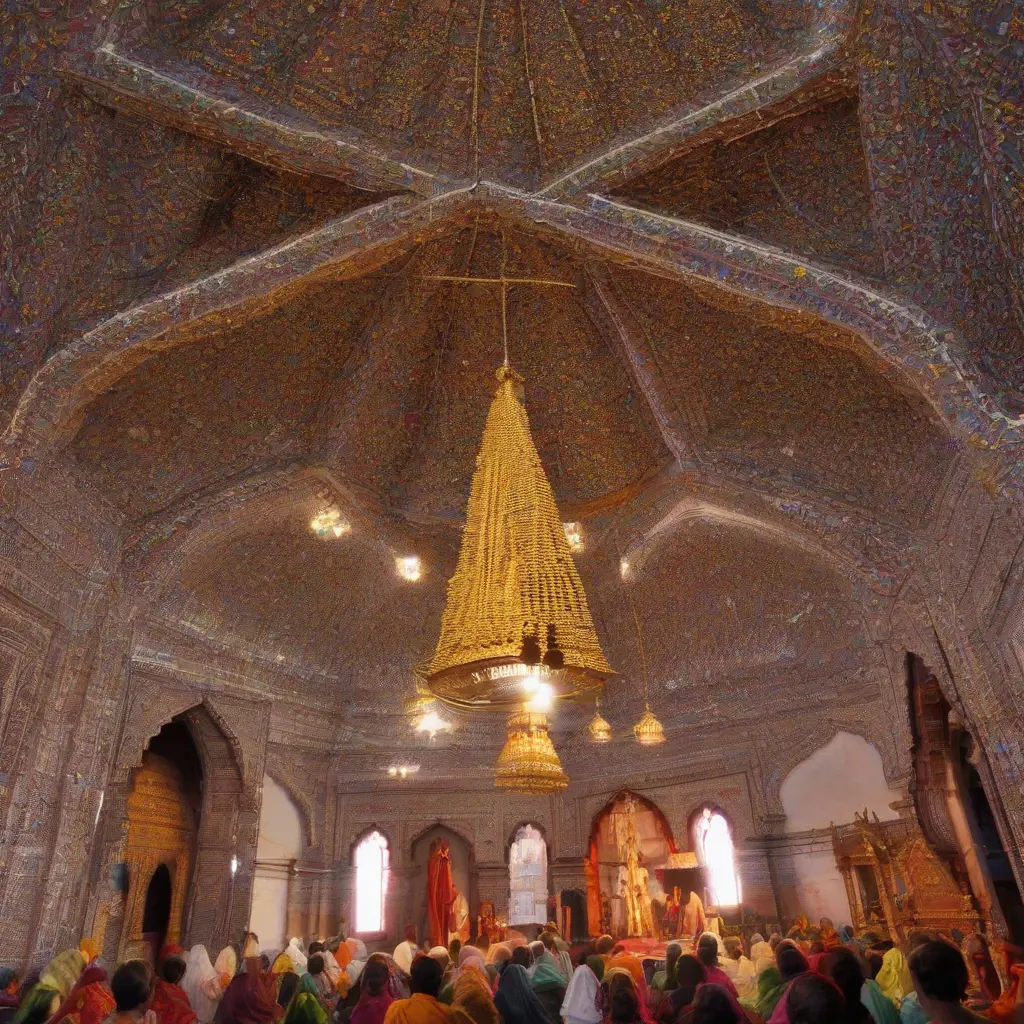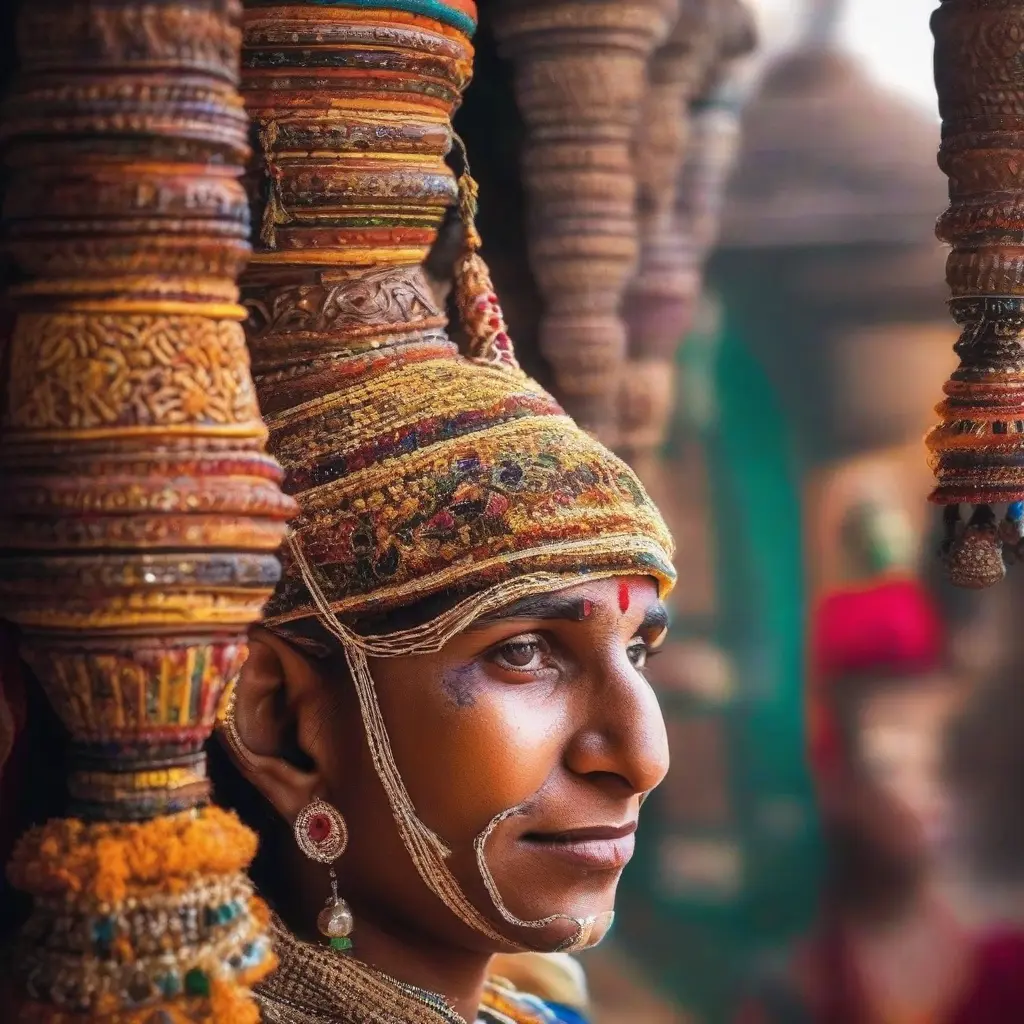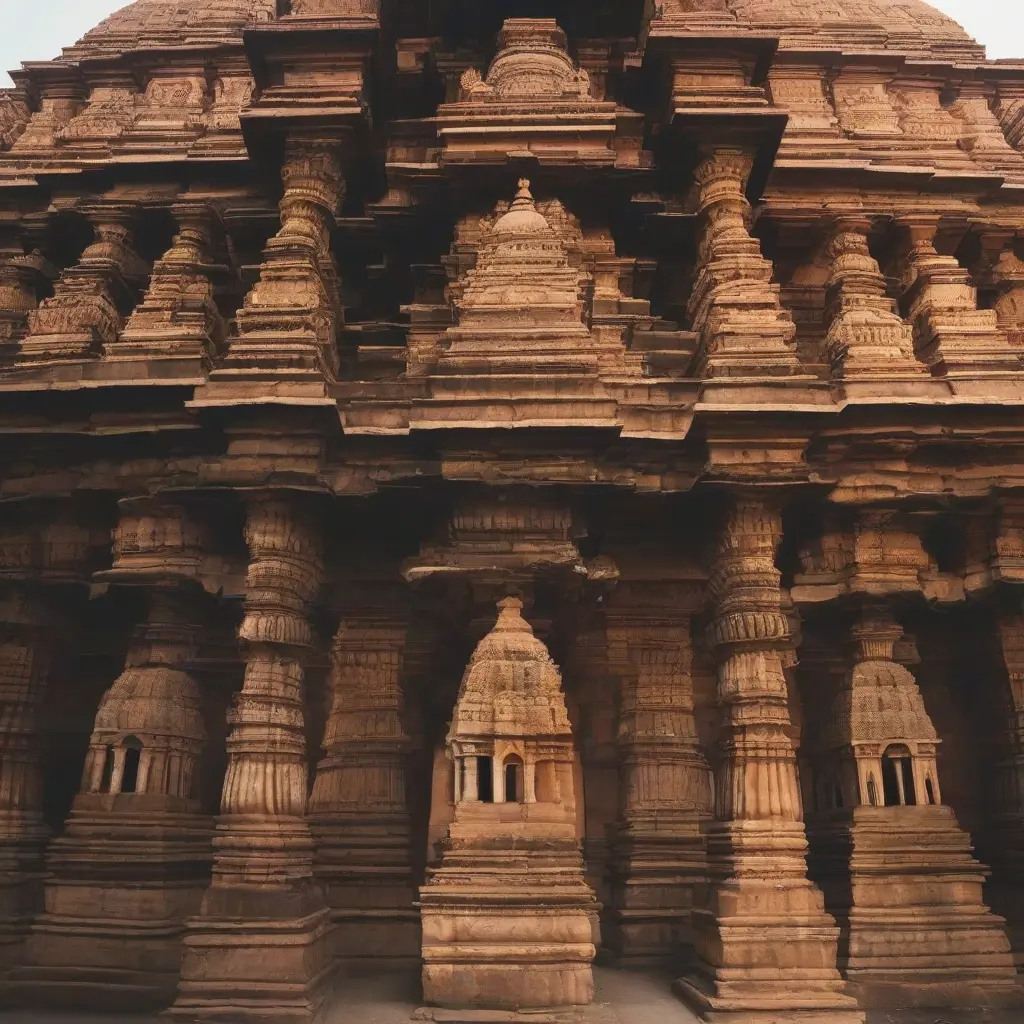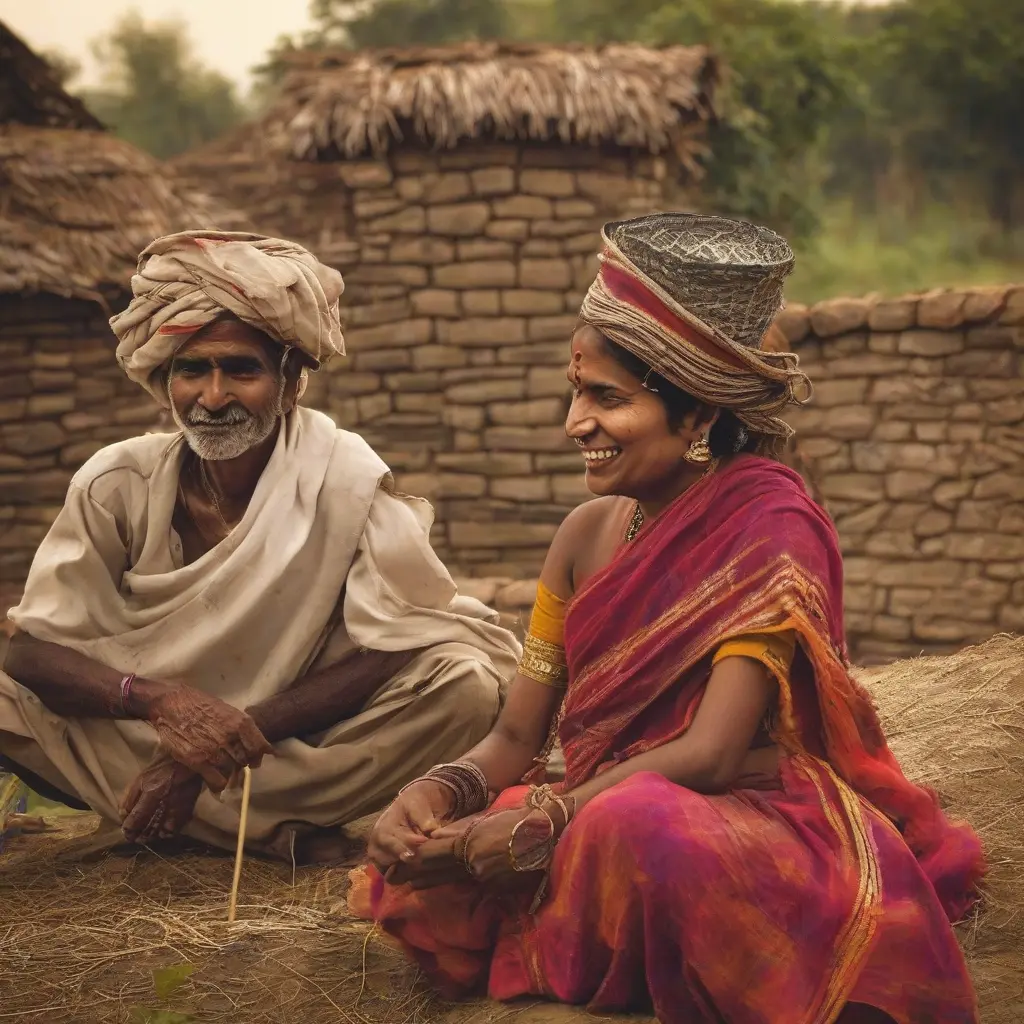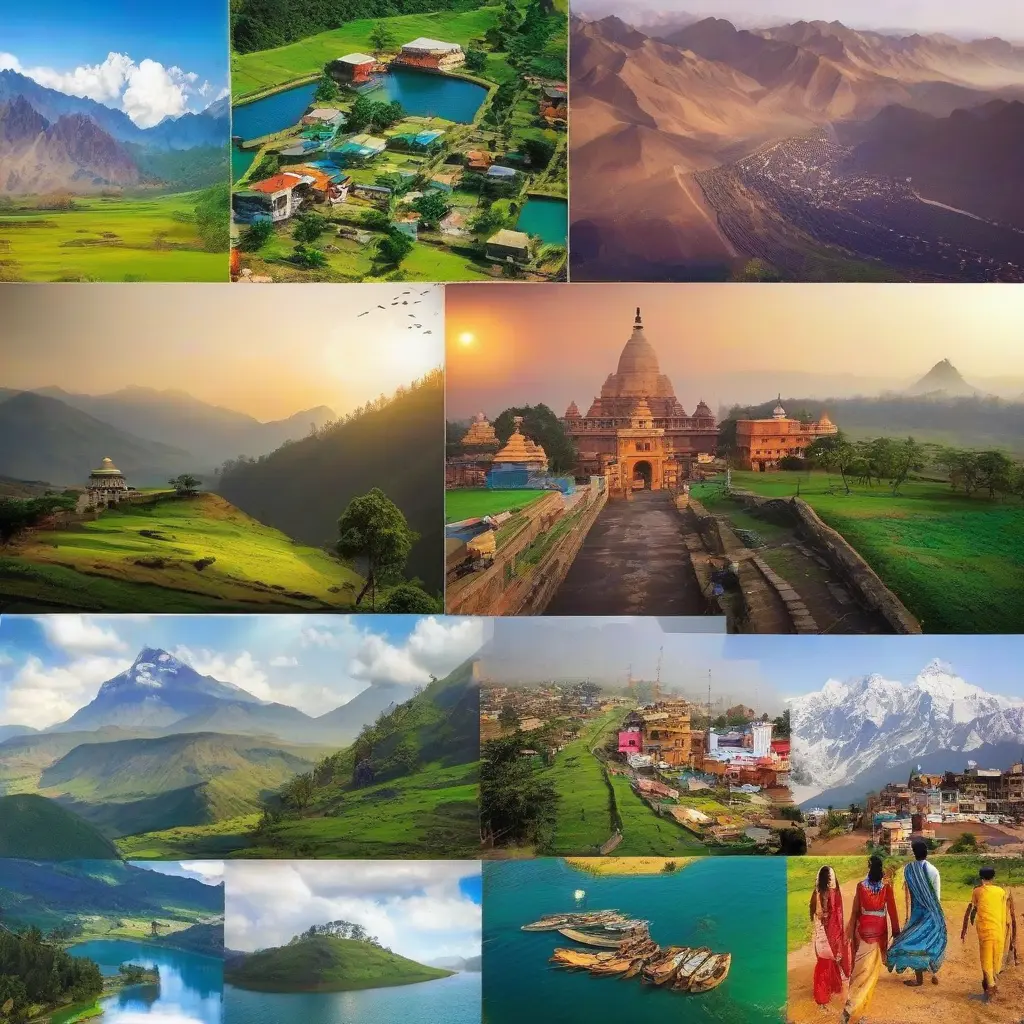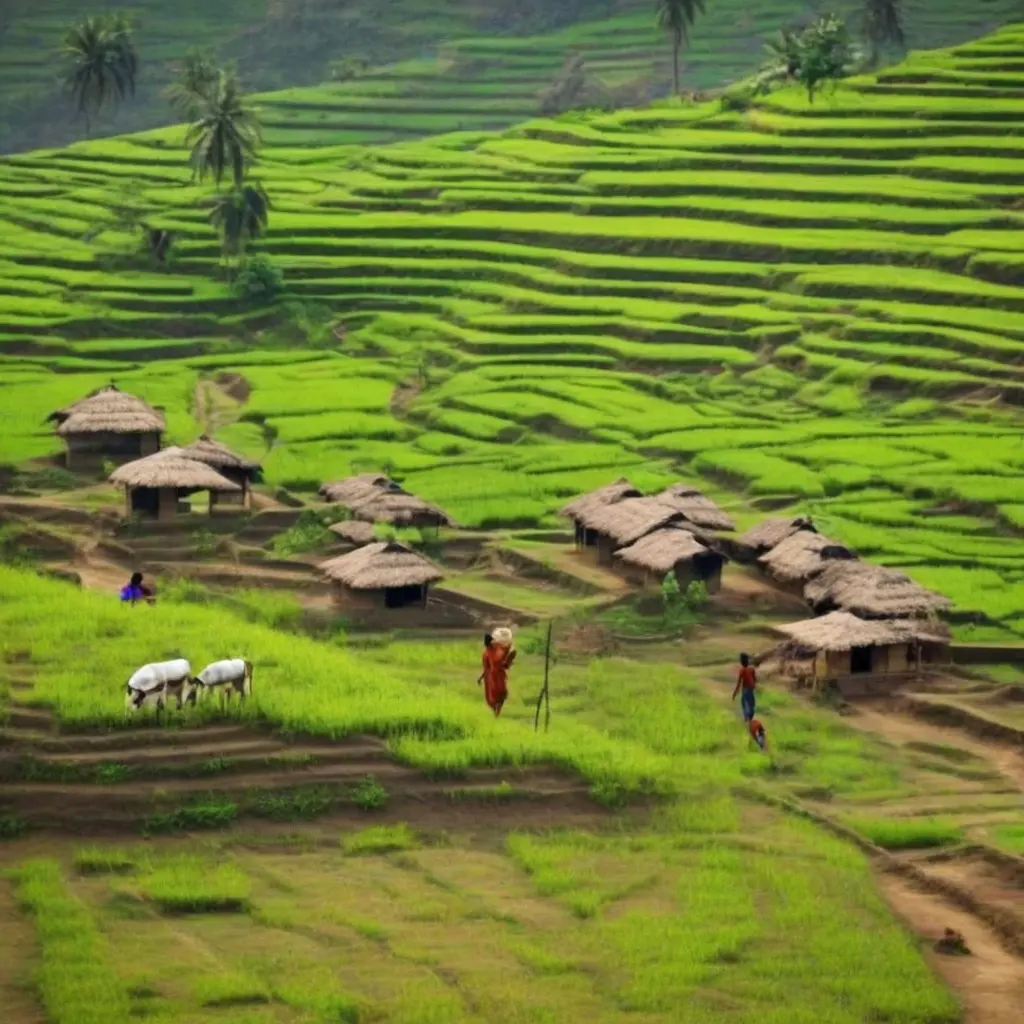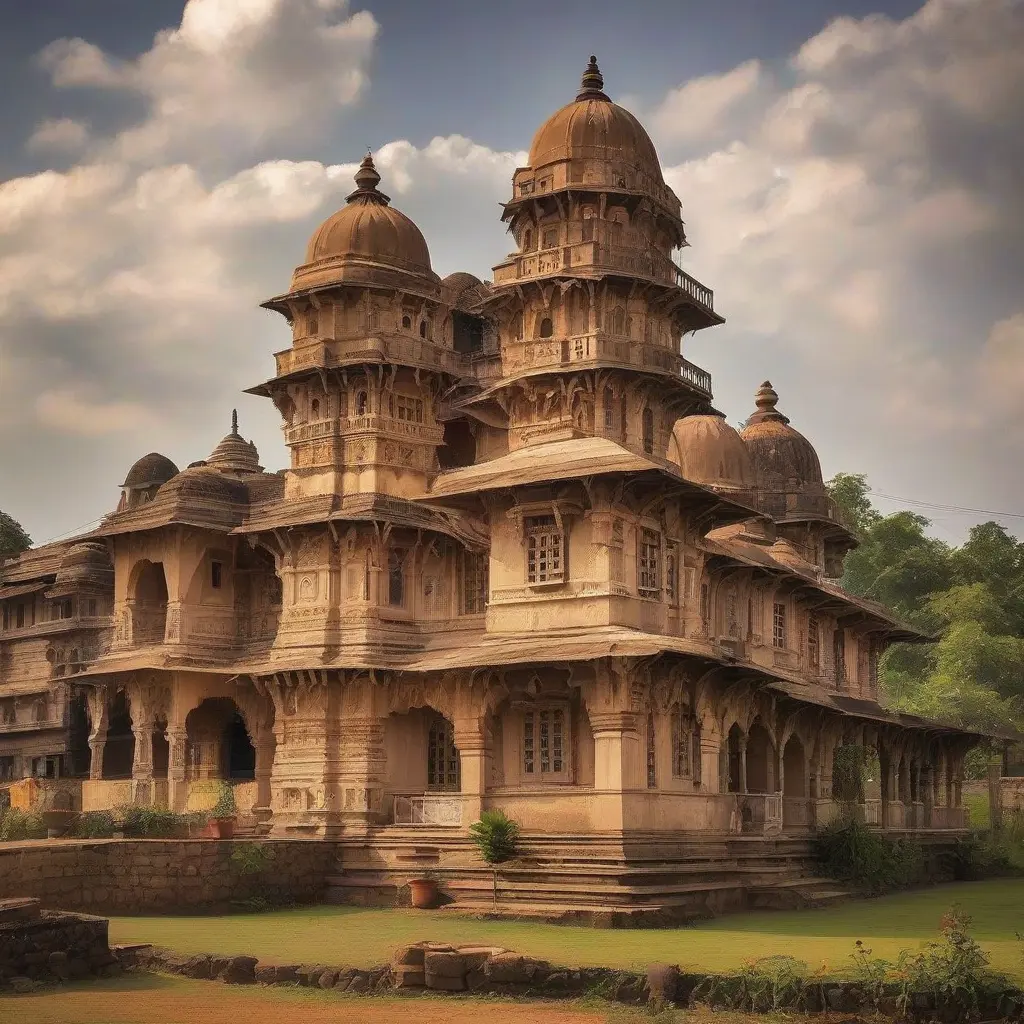
India, a land rich in history and tradition, boasts numerous heritage villages that transport visitors back in time. These villages are not just destinations but cultural artifacts that showcase the country’s diversity, lifestyle, and architectural brilliance. From ancient temples to artisanal crafts, each village has its own story to tell. In this article, we will explore 25 heritage villages across India that are must-visit spots for anyone seeking to immerse themselves in India’s cultural legacy.
Kumarakom, Kerala: A Backwater Paradise
Kumarakom, situated on the banks of Vembanad Lake in Kerala, is a picturesque village known for its serene backwaters. The village’s houseboat experiences offer a unique way to explore the lush green surroundings and diverse wildlife. Visitors can also venture to the Kumarakom Bird Sanctuary to witness migratory birds in their natural habitat. The blend of natural beauty and cultural experiences, including local cuisine and traditional fishing methods, make Kumarakom an essential stop for heritage tourism.
Kumbhalgarh, Rajasthan: A Fortified Heritage
Kumbhalgarh, nestled in the Aravalli Hills of Rajasthan, is renowned for its magnificent fort, which is a UNESCO World Heritage Site. The fort’s walls, stretching over 36 kilometers, make it one of the longest in the world. Visitors can explore its many temples, palaces, and beautiful gardens, all while soaking in the landscape’s panoramic views. Kumbhalgarh’s vibrant culture and rich history, marked by the legacy of the Rajput rulers, provide travelers with an immersive experience into Rajasthan’s royal past.
Hampi, Karnataka: A UNESCO Wonder
Hampi, once the capital of the Vijayanagara Empire, is a treasure trove of ancient ruins and stunning architectural masterpieces. The landscape, dotted with boulders and lush greenery, enhances the beauty of this historic site. Iconic structures like the Virupaksha Temple and Vittala Temple showcase intricate carvings and remarkable craftsmanship. Hampi’s vibrant cultural heritage and ongoing festivals make it a compelling destination for those interested in history and spirituality.
Khajuraho, Madhya Pradesh: Temples of Love
Khajuraho is world-famous for its group of Hindu and Jain temples adorned with intricate erotic sculptures. These temples date back to the Chandela dynasty, reflecting the artistic glory of medieval India. Visitors can explore the Western, Eastern, and Southern groups of temples, each showcasing unique architectural styles and narratives. The annual Khajuraho Dance Festival celebrates the cultural richness of the region through classical dance performances, making it a significant spot for cultural travel.
Raghurajpur, Odisha: A Craftsman’s Village
Raghurajpur, a small heritage village in Odisha, is famous for its Pattachitra painting and other handicrafts. This artisan village not only preserves ancient crafts but also serves as a living gallery where visitors can observe artisans at work. The vibrant atmosphere, filled with artistic expression, offers a unique opportunity to learn about traditional Indian art forms. Raghurajpur’s community-centric tourism encourages engagement and appreciation for the region’s rich cultural heritage.
Majuli, Assam: The River Island
Majuli is the world’s largest river island, nestled in the Brahmaputra River. This lush landscape is home to numerous Satras, or monasteries, that promote the Vaishnavism faith. Visitors can immerse themselves in the island’s vibrant culture, explore its rich biodiversity, and enjoy traditional Assamese dance and music. Majuli’s unique blend of natural beauty and spiritual heritage showcases the importance of preserving indigenous cultures and communities in India.
Sundarbans, West Bengal: A Natural Heritage
The Sundarbans, a UNESCO World Heritage Site, is the largest mangrove forest in the world, renowned for its unique biodiversity, including the Royal Bengal tiger. The tribal villages nestled within this area offer insights into the harmonious coexistence of humans and nature. Traditional fishing practices and the rich folklore of the local communities provide an engaging perspective on life in this enchanting landscape. Visiting the Sundarbans ensures travelers leave with a deeper understanding of ecological conservation.
Chandni Chowk, Delhi: A Historical Market
Chandni Chowk, one of Delhi’s oldest markets, is a vibrant tapestry of history and culture. This area dates back to the Mughal era and remains bustling with shops selling textiles, spices, and street foods. The intricate architecture and narrow lanes echo the rich history of the region. Exploring Chandni Chowk provides a delightful sensory experience as visitors navigate through alleys that have witnessed centuries of commerce and community life.
Katyayani Village, Haryana: The Artisan’s Hub
Katyayani Village, known for its skilled artisans, specializes in traditional crafts, especially pottery and weaving. Visitors can participate in workshops to learn these ancient crafts from the artisans themselves. The village’s commitment to preserving its cultural identity while adapting to modern demands highlights its significance in heritage tourism. Katyayani offers a rare opportunity to engage with the local community and appreciate the skills passed down through generations.
Kanha National Park, Madhya Pradesh: A Wildlife Haven
Kanha National Park is not only a natural wonder but also a heritage site that reflects the efforts in wildlife conservation in India. The park is home to a diverse array of flora and fauna, including the majestic Bengal tiger and the Indian barasingha. Guided eco-tours allow visitors to explore the rich biodiversity while learning about the local tribal communities that have coexisted with wildlife for centuries. Kanha reinforces the significance of preserving ecological and cultural heritage.
Chikhaldara, Maharashtra: Hill Station with Heritage
Chikhaldara, a serene hill station in Maharashtra, is rich in natural beauty and historical significance. This village is known for its coffee plantations and tranquil surroundings, which attract nature lovers. Visitors can explore the ancient temples and tribal villages that preserve regional traditions. Chikhaldara’s remoteness offers a peaceful retreat, making it an ideal destination for those looking to experience India’s diverse cultural tapestry away from the bustling cities.
Patan, Gujarat: A Heritage of Weaving
Patan is known for its rich heritage of traditional Patola weaving, an intricate craft that dates back centuries. The village showcases vibrant patterns and meticulous techniques used by skilled artisans. Visitors can explore local workshops, learning about the history of Patola and the weaving process. Patan’s historic sites, including Rani ki Vav, a stepwell that is also a UNESCO World Heritage Site, further enhance the cultural significance of this enchanting village.
Nashik, Maharashtra: Wine and Spirituality
Nashik, often referred to as the ‘Wine Capital of India,’ is a blend of spiritual and cultural heritage. The village is dotted with sacred temples and hosts the famous Kumbh Mela. Additionally, Nashik’s vineyards offer wine-tasting tours that reflect the area’s emerging wine culture. This combination of spirituality and modern agrarian practices provides a unique glimpse into the adaptability of Indian traditions and the evolving cultural landscape.
Lying on the Ancient Silk Route: Leh, Ladakh
Leh, a historical town in Ladakh, lies along the ancient Silk Route and is known for its Buddhist monasteries and breathtaking landscapes. The region’s rich cultural diversity is reflected in its festivals and traditional architecture. Visitors can explore iconic sites like the Leh Palace and Shanti Stupa, providing insights into the region’s storied past. Leh’s fusion of ancient traditions and stunning natural beauty makes it a captivating destination for travelers seeking cultural enrichment.
Pochampally, Telangana: The Weaving Village
Pochampally is celebrated for its rich textile heritage, particularly its Ikat weaving technique. Visitors can witness master weavers at work and learn about the intricate process of creating these stunning fabrics. The village is a model of sustainable tourism, where the local economy thrives on preserving traditional skills. Pochampally’s vibrant patterns not only represent the artistic talent of the artisans but also showcase the cultural identity of Telangana.
Darjeeling, West Bengal: The Queen of Hills
Darjeeling, perched in the Himalayas, is renowned for its tea gardens and stunning views of the Kanchenjunga peak. The village’s colonial history is evident in its architecture, which attracts both nature and history enthusiasts. Travelers can take scenic train rides on the Darjeeling Himalayan Railway, a UNESCO World Heritage Site, while enjoying the breathtaking landscape. The intertwining of local culture, traditional tea production, and stunning mountain scenery make Darjeeling a timeless travel destination.
Ranthambore, Rajasthan: Tigers and Forts
Ranthambore is famous for its national park, home to the iconic Bengal tiger, and the impressive Ranthambore Fort. The village combines rich wildlife experiences with historical exploration. Guided safaris offer an opportunity to spot various wildlife species, while the fort provides insights into the area’s heritage. Visitors can enjoy the seamless blend of nature and history, making Ranthambore a fascinating destination for wildlife and cultural enthusiasts alike.
Ziro Valley, Arunachal Pradesh: Cultural Melange
Ziro Valley, known for its lush landscapes and vibrant Apatani culture, is an offbeat destination that offers a glimpse into India’s indigenous heritage. The valley hosts several traditional festivals that celebrate local customs and agricultural practices. Visitors can engage with the community, experience their unique lifestyle, and savor local delicacies. Ziro’s commitment to preserving indigenous traditions while promoting sustainable tourism makes it a compelling choice for cultural travel.
Jaisalmer, Rajasthan: The Golden City
Jaisalmer, often referred to as the ‘Golden City,’ is renowned for its ancient fort and stunning sandstone architecture. The village itself is a UNESCO World Heritage Site and offers an enchanting blend of history and culture. Visitors can explore the Jaisalmer Fort and its havelis, each rich in artistic detailing. The magnificent desert landscapes surrounding Jaisalmer add to the allure, providing opportunities for camel rides and desert safaris that offer unique cultural insights.
Bundi, Rajasthan: A Hidden Gem
Bundi is a small, often overlooked village in Rajasthan, characterized by its stunning palaces and forts. The Bundi Palace, adorned with intricate murals, reflects the architectural brilliance of the era. The village’s beautiful baoris (step wells) and tranquil surroundings allow visitors to explore its heritage at a leisurely pace. Bundi’s rich history combined with its serene environment makes it an idyllic destination for heritage tourism.
Chikmagalur, Karnataka: Coffee Legacy
Chikmagalur, set in the Western Ghats, is known for its coffee plantations that reflect the region’s agricultural heritage. The village’s lush hills and estates provide a tranquil retreat, where visitors can tour coffee farms and learn about the coffee-making process. Cultural experiences, such as exploring ancient temples and engaging with local communities, allow travelers to appreciate the richness of Karnataka’s rural culture. Chikmagalur perfectly combines nature, history, and culinary delight.
Conclusion
India’s diverse heritage villages offer travelers an exceptional opportunity to connect with the country’s rich past and vibrant cultures. Each location presents a unique story, allowing visitors to delve deep into local traditions, arts, and lifestyles. By exploring these villages, one not only appreciates the beauty of Indian heritage but also supports the preservation of these invaluable cultures for future generations. Traveling to these heritage villages is not merely a journey; it’s a timeless experience filled with discovery and learning.