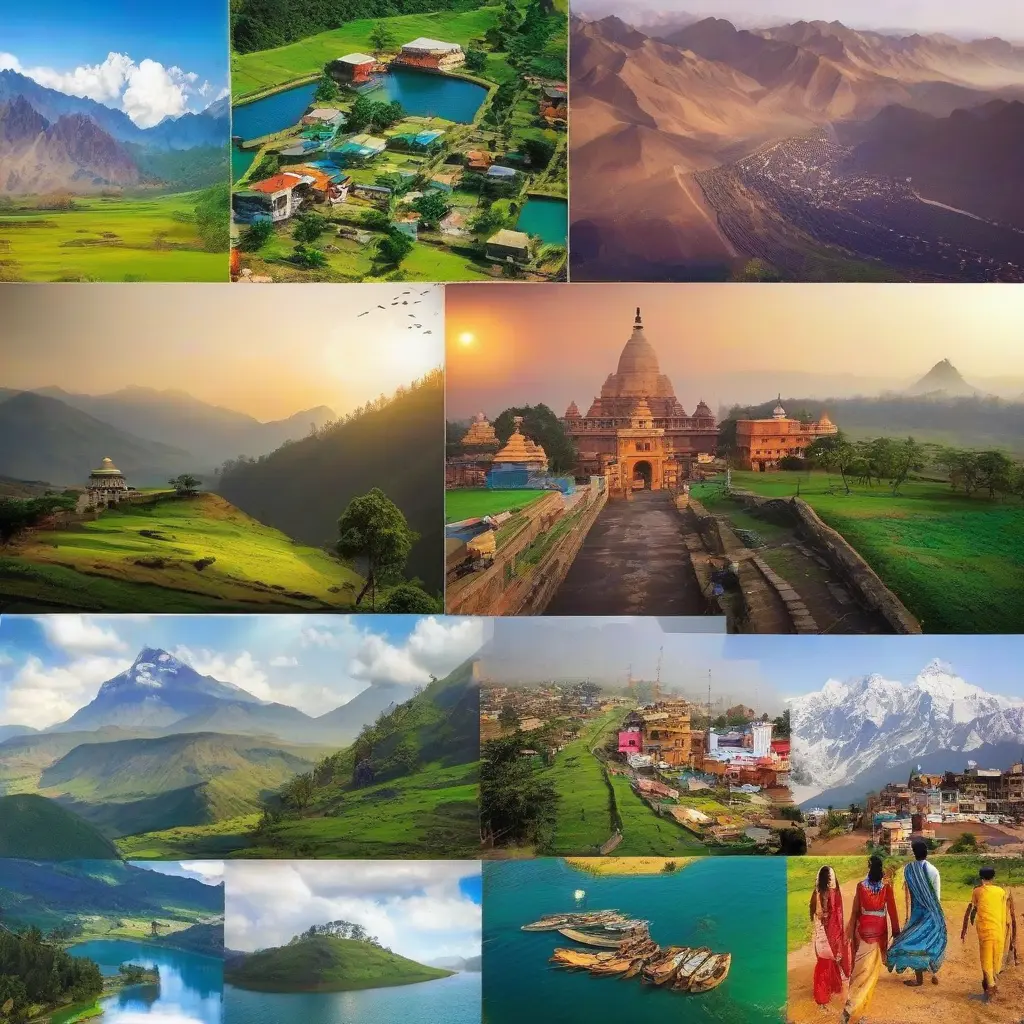
India is a land steeped in history, boasting centuries-old traditions, magnificent structures, and rich cultural narratives. For history enthusiasts, the country offers a plethora of travel destinations that bring the past to life. From ancient forts and palaces to mesmerizing temples and archaeological sites, each spot tells a unique story of India’s diverse heritage. In this article, we explore the top ten cultural travel destinations in India that cater to those eager to delve into the country’s rich historical tapestry.
1. Agra: The City of the Taj Mahal
Agra is perhaps best known for the iconic Taj Mahal, a UNESCO World Heritage site and one of the Seven Wonders of the World. Built by Mughal Emperor Shah Jahan in memory of his wife Mumtaz Mahal, this mausoleum epitomizes the pinnacle of Mughal architecture. Visitors can also explore Agra Fort, another UNESCO site that showcases the grandeur of Mughal royalty. The bustling local markets offer an array of handicrafts, providing insight into the area’s artistic heritage.
2. Jaipur: The Pink City
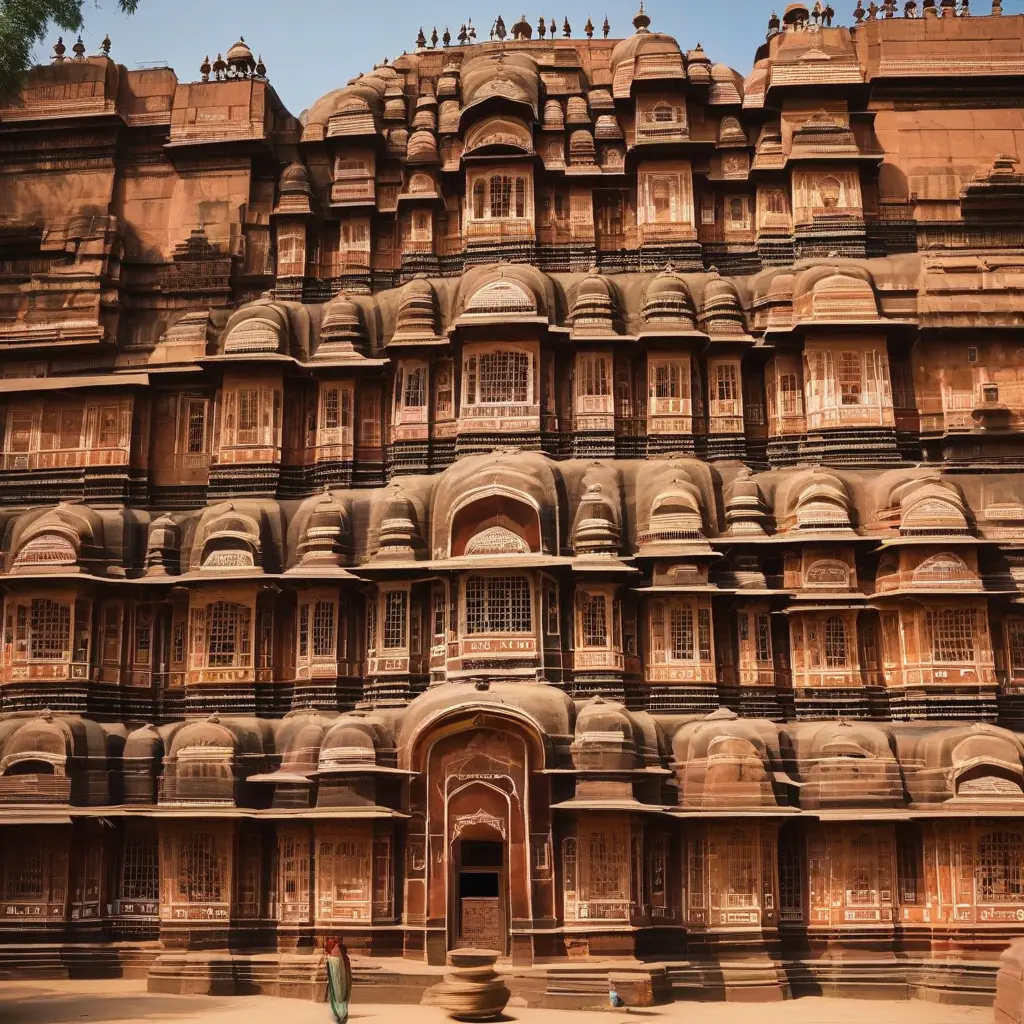
Jaipur, the capital of Rajasthan, is a vibrant city known for its majestic forts and palaces. The Hawa Mahal, with its intricate façade, is a must-see along with the grand Amer Fort, which offers breathtaking views of the surrounding landscape. Jaipur is also famous for its rich handicraft traditions and vibrant bazaars where visitors can purchase local arts and textiles. The city’s fusion of history and culture makes it a sought-after destination for history buffs.
3. Varanasi: The Spiritual Heart of India
Varanasi, one of the world’s oldest continuously inhabited cities, is a significant cultural and spiritual hub in India. Located on the banks of the Ganges River, it is renowned for its ghats, where pilgrims perform rituals and ceremonies. The city’s ancient temples and narrow alleyways resonate with historical significance. A boat ride on the Ganges at sunrise offers a unique perspective of its cultural richness, making it an essential stop for history enthusiasts.
4. Delhi: A Historical Melange
Delhi, the capital city, is a melting pot of historical events and diverse cultures. The Red Fort, India Gate, and Humayun’s Tomb are just a few historical landmarks that provide insight into the Mughal Empire and colonial history. The Qutub Minar, showcasing Indo-Islamic architecture, also holds UNESCO World Heritage status. Walking through its bustling streets allows visitors to experience the remnants of history juxtaposed with modern life.
5. Hampi: The Ruins of an Ancient Empire
Hampi, a UNESCO World Heritage site in Karnataka, was once the thriving capital of the Vijayanagara Empire. The ruins of temples, palaces, and market streets scatter across this ancient landscape, reflecting its historical significance. Key sites like the Virupaksha Temple and Vittala Temple, with their intricate carvings, showcase stunning architecture and artistry. Hampi offers an immersive journey into a bygone era, making it a popular destination for those interested in history.
6. Kerala: The Land of Backwaters and History
Kerala, known for its lush landscapes and tranquil backwaters, is also rich in history and cultural heritage. The state houses many historical monuments like the ancient Bekal Fort and the Padmanabhapuram Palace. Additionally, the various temples throughout the region tell stories of a blend between ancient traditions and modern culture. The vibrant festivals celebrated in Kerala reflect its rich history and provide a unique experience for visitors.
7. Udaipur: The City of Lakes
Udaipur, often referred to as the City of Lakes, is famed for its royal palaces and serene water bodies. The City Palace, which exhibits intricate peacock mosaics and a stunning reflection on Lake Pichola, is a highlight for history lovers. The Jag Mandir and Saheliyon-ki-Bari offer glimpses into the royal lifestyle and architectural brilliance of the Rajputs. This romantic city combines history with breathtaking views, attracting travelers from all over.
8. Mysore: The City of Palaces
Mysore is renowned for its majestic palaces, especially the Mysore Palace, a remarkable example of Indo-Saracenic architecture. Visitors can explore the intricate carvings and beautiful gardens surrounding the palace. The city’s rich history is further highlighted during the Dasara festival, when the palace is illuminated, and cultural performances take center stage. Mysore’s blend of historical significance and artistic expression makes it an attractive destination for history enthusiasts.
9. Khajuraho: Temples of Love
Khajuraho is famous for its exquisite temples adorned with intricate erotic sculptures depicting various aspects of life and love. These UNESCO World Heritage sites reflect the artistry of ancient India and are a testament to the socio-cultural ethos of the time. The temples, built during the Chandela dynasty, exhibit intricate carvings and architectural brilliance that continue to fascinate visitors. A trip to Khajuraho is an exploration of both art and history, offering a unique cultural experience.
10. Pune: The Land of Historical Forts
Pune is a city that blends modernity with rich historical heritage. The Aga Khan Palace, a site of national importance, and the historic Sinhagad Fort showcase the city’s significant role in India’s freedom struggle. Additionally, visitors can explore the various museums that illustrate the region’s historical narrative. Pune’s cultural landscape is complemented by vibrant arts and educational institutions, making it an appealing destination for history lovers.
Conclusion
India is a treasure trove of cultural and historical destinations, each offering a unique glimpse into its rich past. From the majestic Taj Mahal in Agra to the ancient temples of Khajuraho, these locations capture the essence of India’s heritage. Whether one is exploring palaces, forts, or spiritual sites, the experiences are bound to resonate with history enthusiasts. Embracing the stories and traditions found in these destinations allows travelers to appreciate India’s vibrant and diverse history.