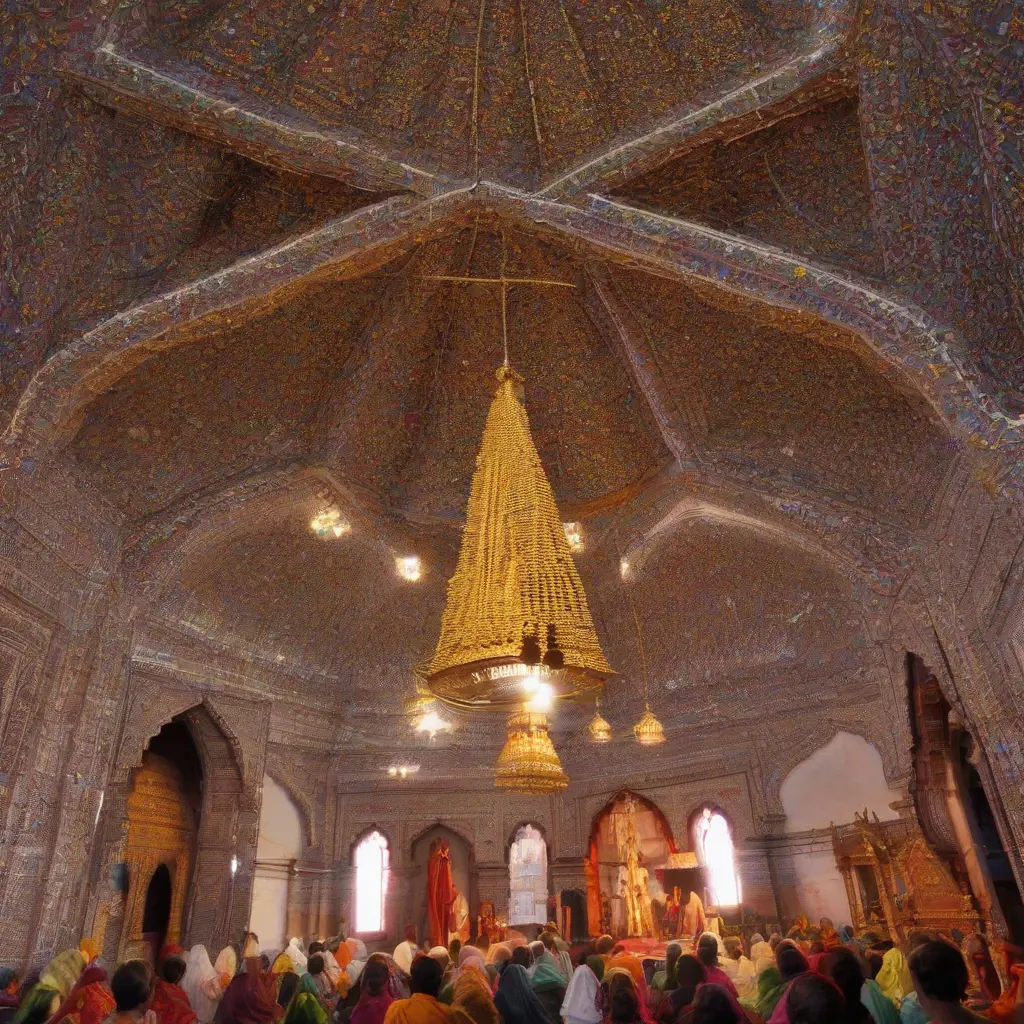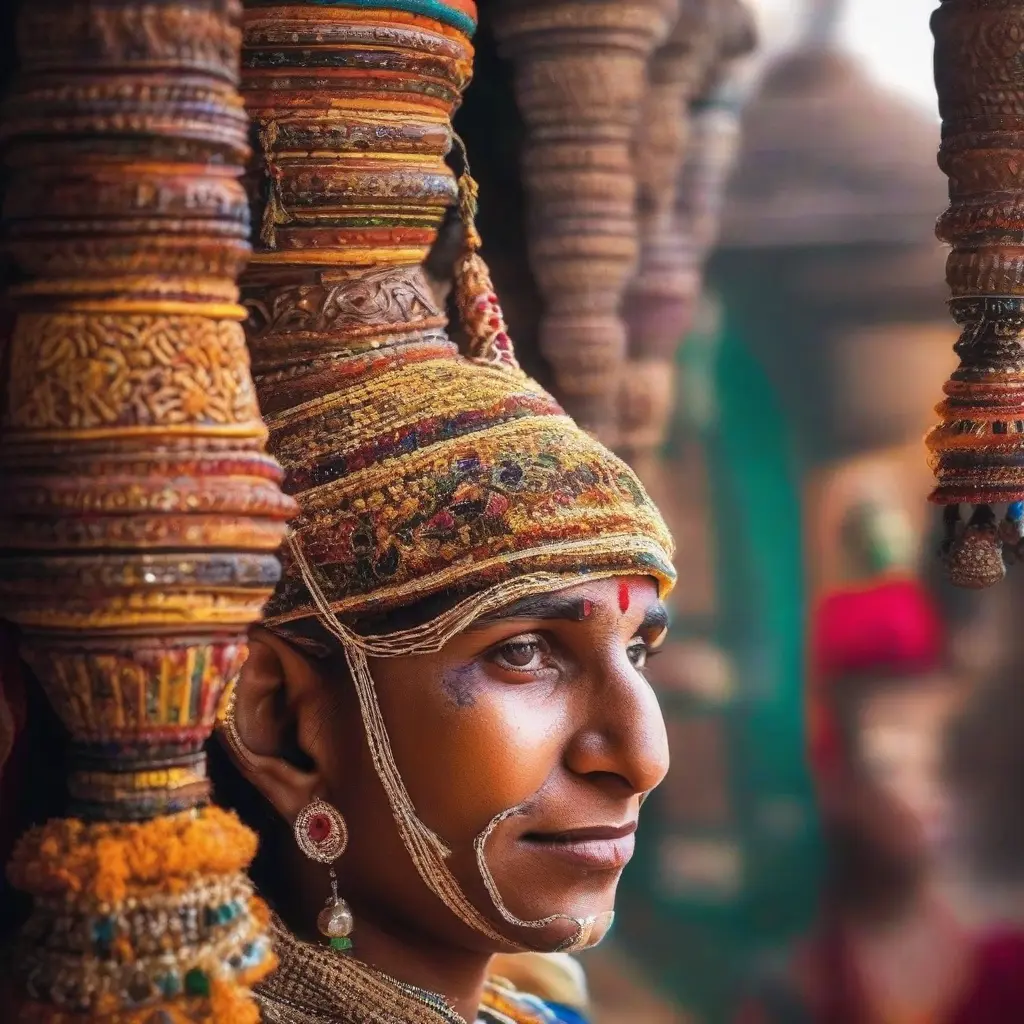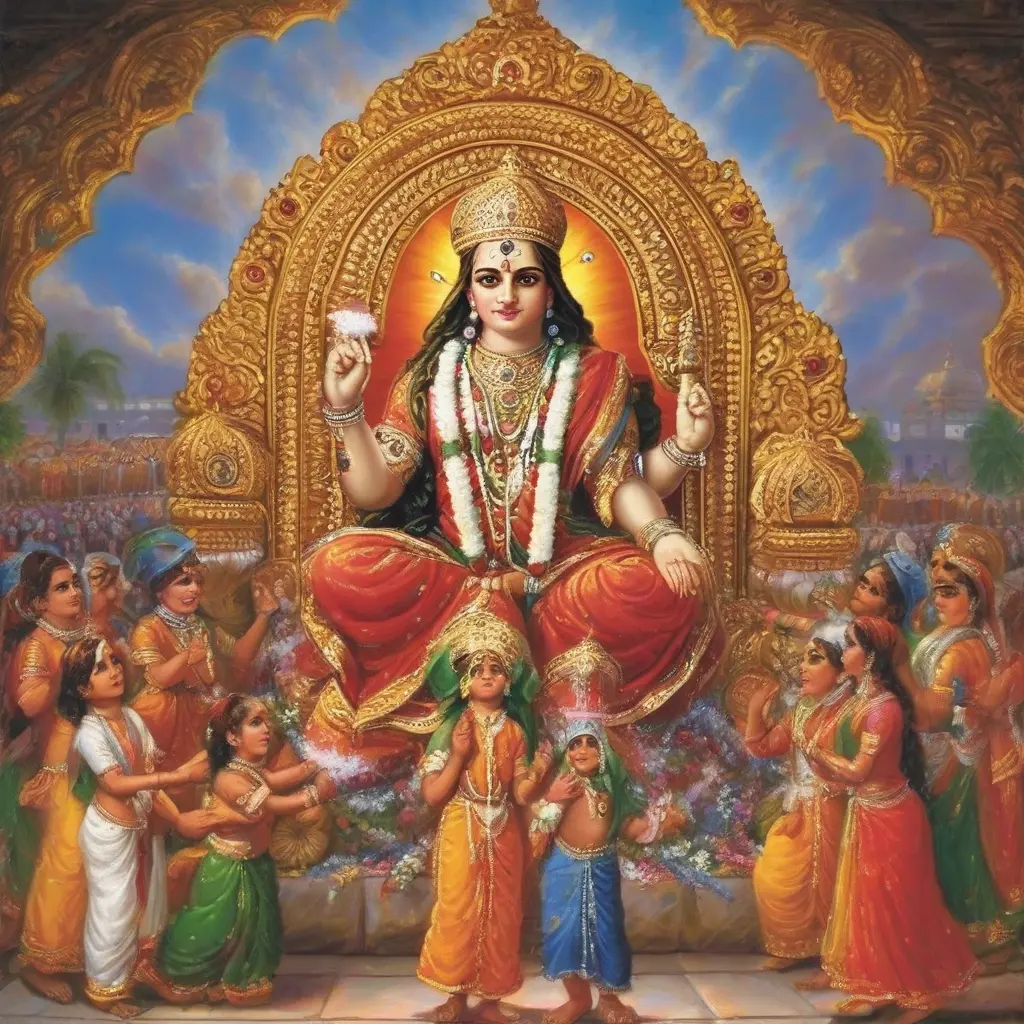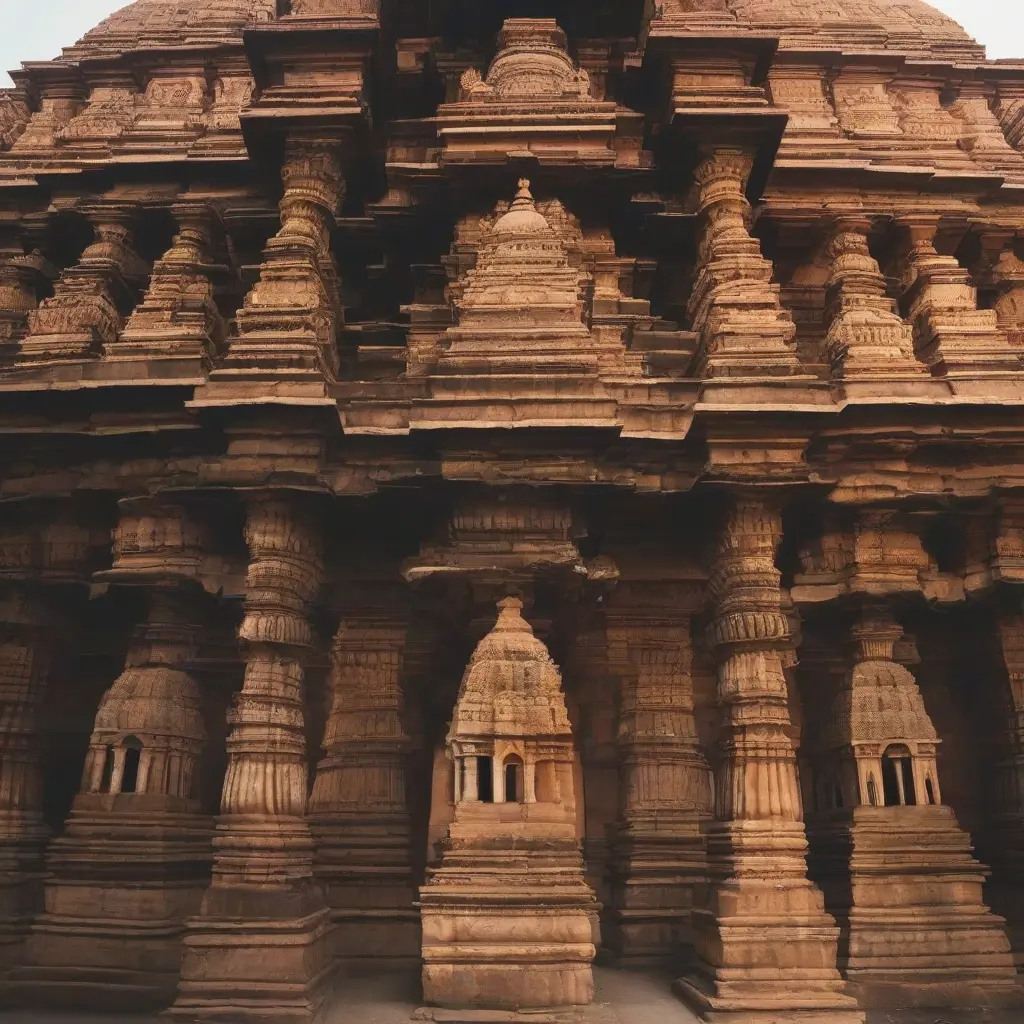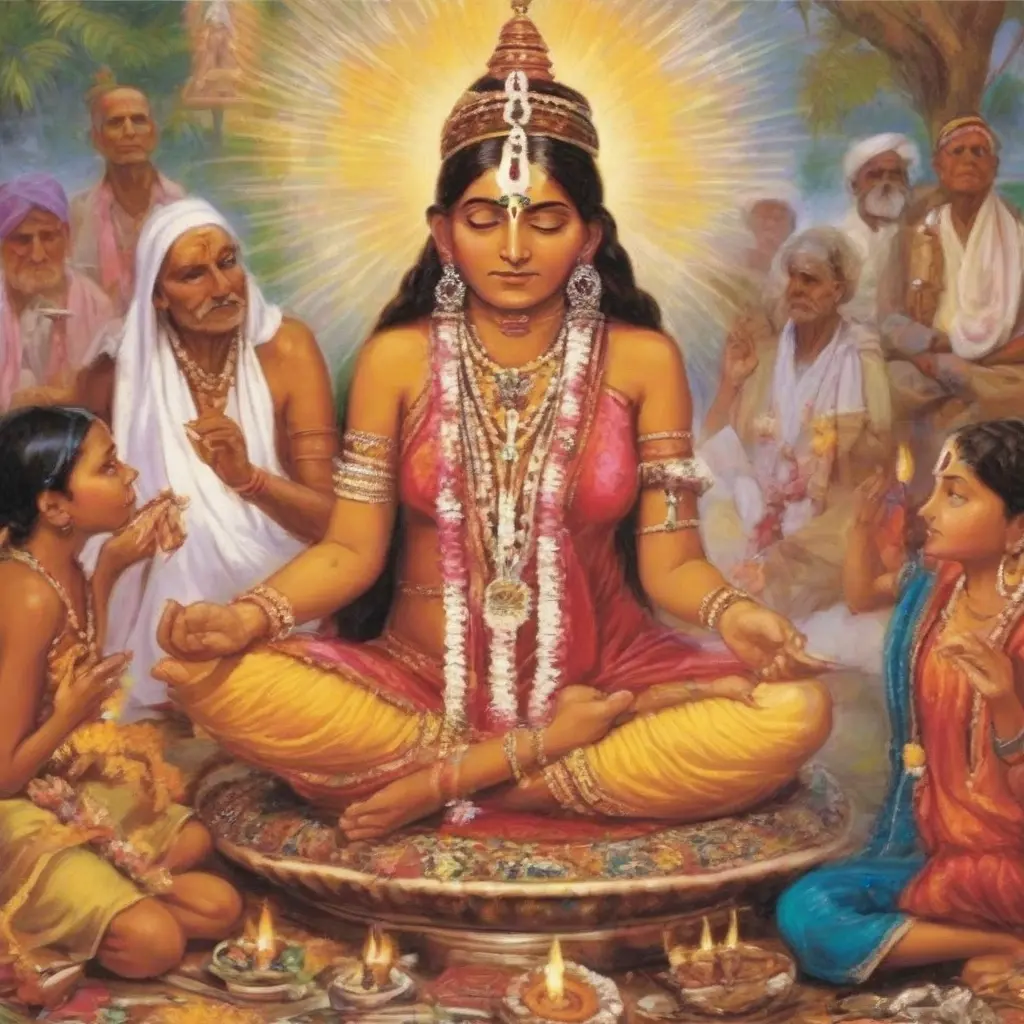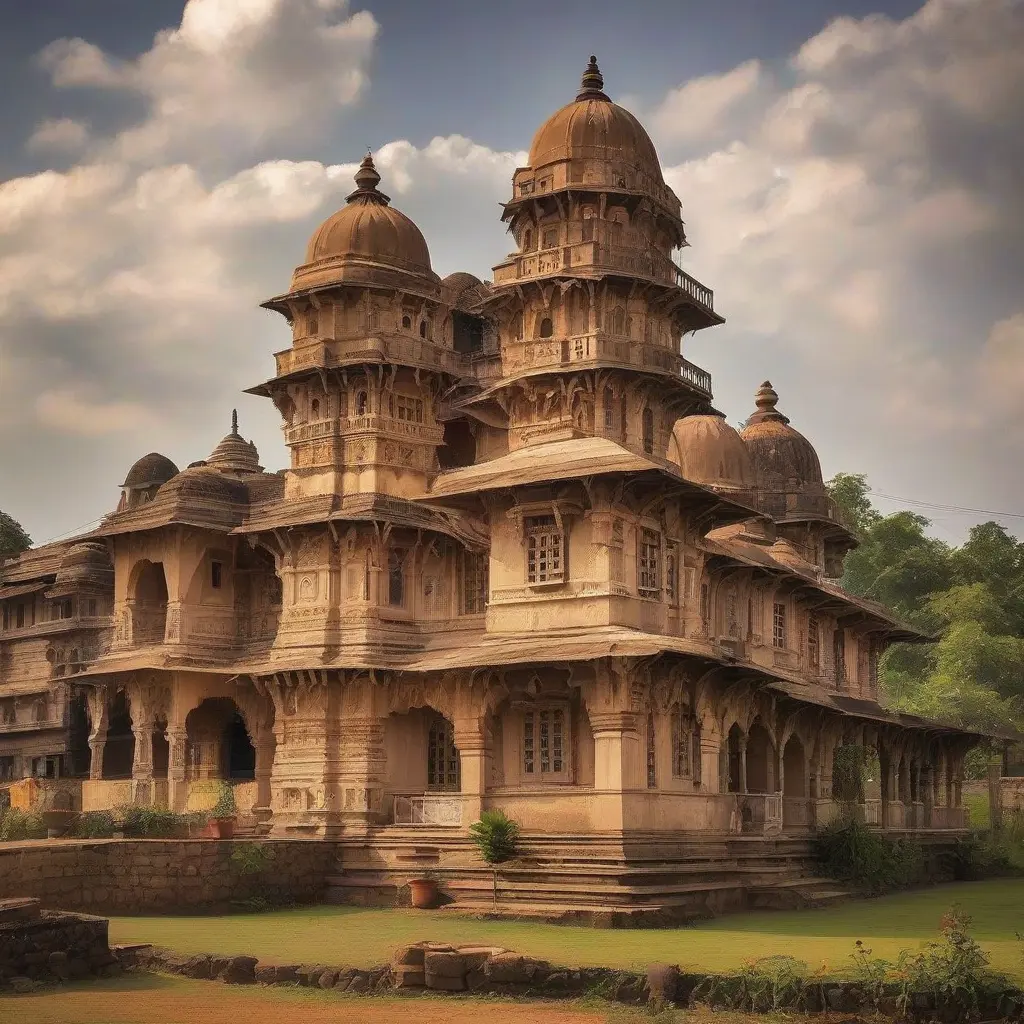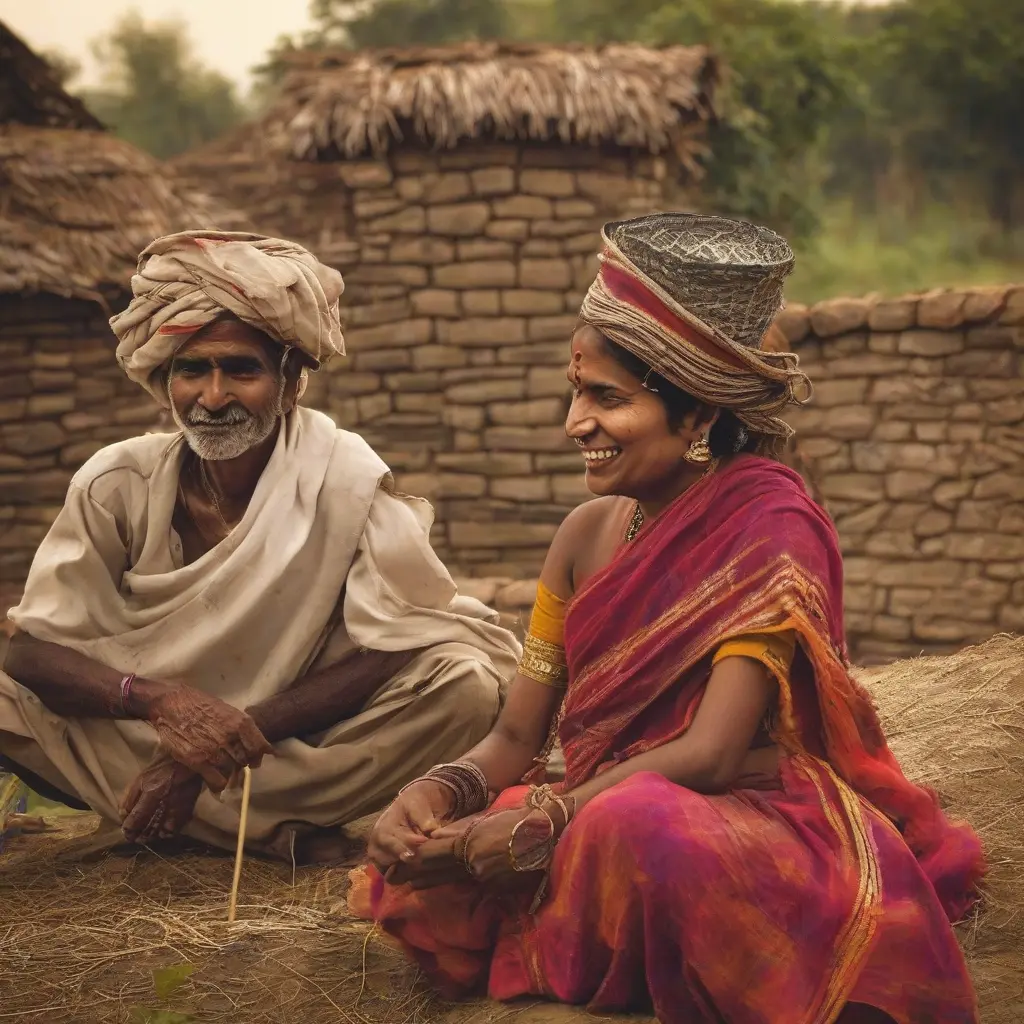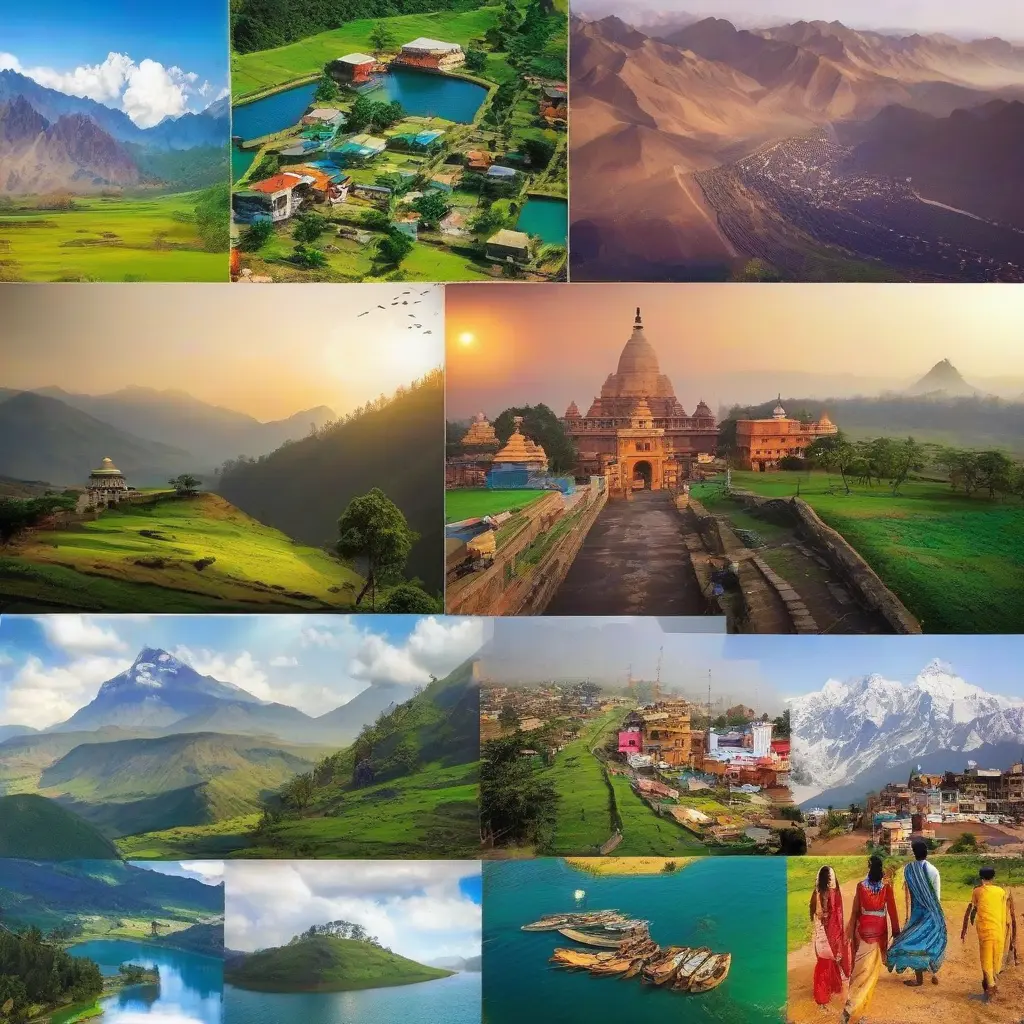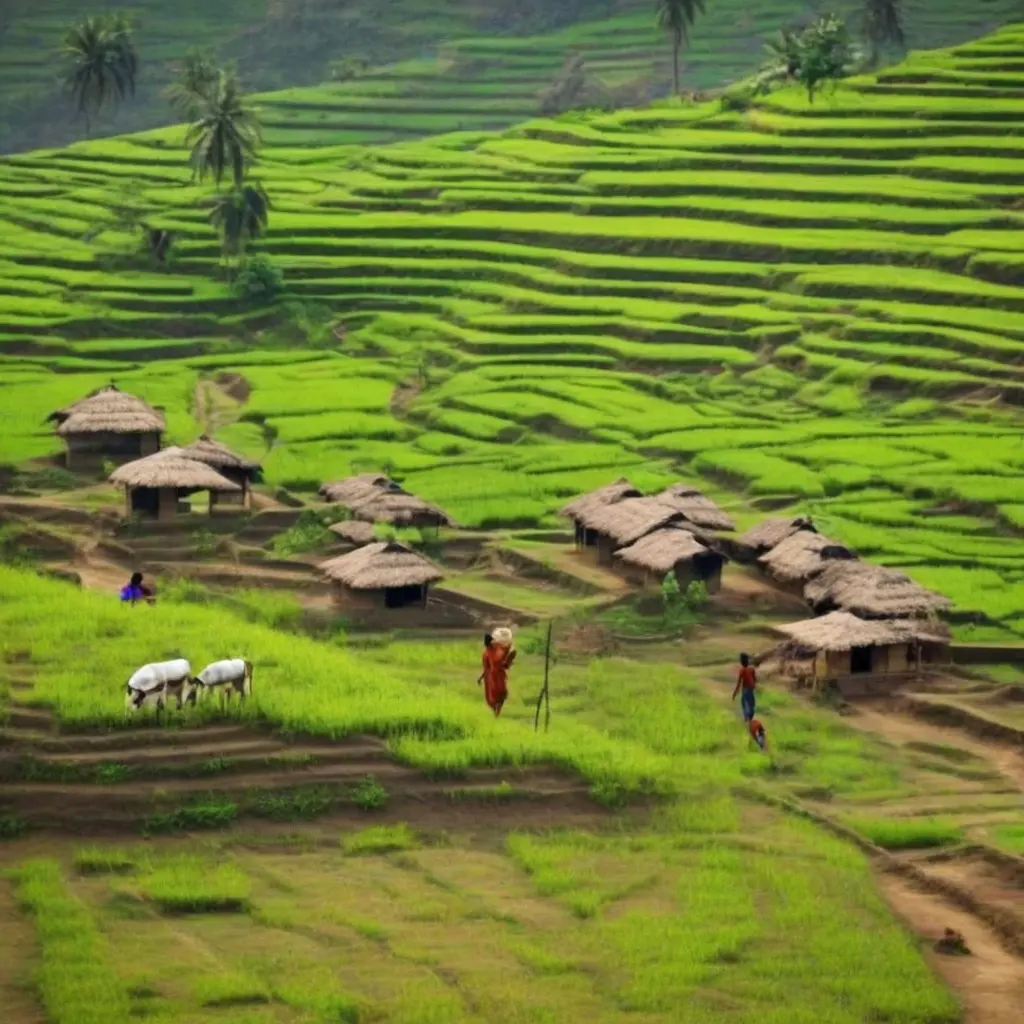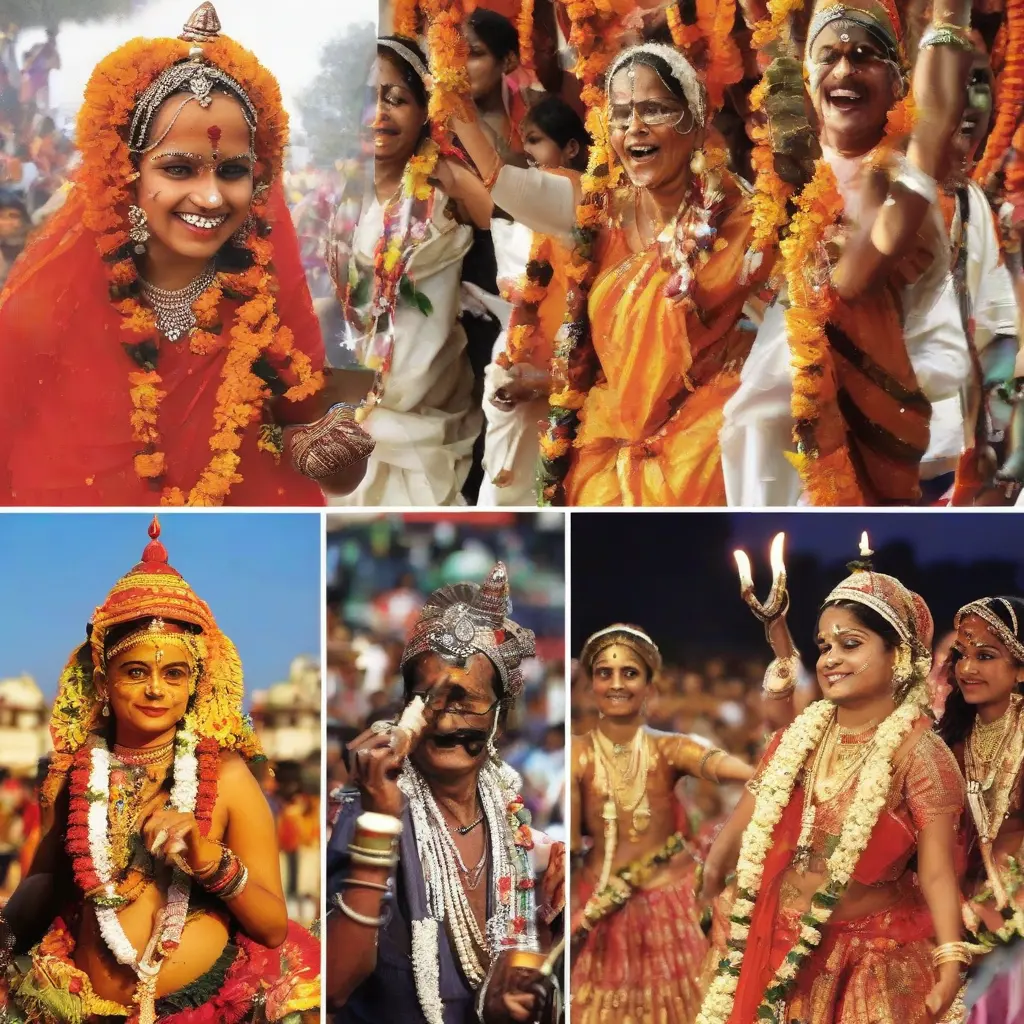
India is a land of diverse cultures, traditions, and festivals that reflect its rich heritage. With various regions celebrating unique events throughout the year, each festival offers a glimpse into the historical and social significance of the communities involved. This guide explores 25 cultural festivals across India, highlighting the vibrancy and flavor they bring to the local landscape. From religious ceremonies to vibrant fairs, these festivals not only denote what the people believe but also serve as a platform for unity, joy, and the showcasing of age-old customs.
Holi: The Festival of Colors
Holi, celebrated in March, is one of India’s most popular festivals known for its exuberant spirit. This festival signifies the arrival of spring and the triumph of good over evil, with people engaging in throwing colored powders and water at each other. Originating from Hindu mythology, Holi has transcended religious boundaries, becoming a celebration of love and joy. Events often include music, dance, and traditional sweets, pulling together people of all ages in a spirited communal environment that emphasizes friendship and forgiveness.
Diwali: The Festival of Lights
Diwali, often referred to as the Festival of Lights, is celebrated across India in October or November. This festival symbolizes the victory of light over darkness and knowledge over ignorance. Homes are adorned with oil lamps called diyas, and families gather to perform puja (prayers) to Goddess Lakshmi, seeking prosperity and health. The vibrant fireworks light up the night sky, while festivities go hand in hand with exchanging gifts and sharing festive meals. The spirit of Diwali fosters familial bonds and reaffirms community connections.
Navratri: Nine Nights of Worship
Navratri is a nine-night celebration dedicated to the worship of the Goddess Durga, usually occurring in September or October. Each night is dedicated to a different form of the Goddess, with festivities varying by region. In states like Gujarat, energetic Garba dances enliven the evenings, while in West Bengal, the immersion of idol processions marks the culmination of the festivities. This festival reflects deep-seated cultural traditions and offers a remarkable opportunity to observe devotional practices intertwined with the joy of communal participation.
Pongal: A Harvest Festival
Pongal is a major harvest festival celebrated predominantly in the southern state of Tamil Nadu in mid-January. The festival is named after the traditional dish made from newly harvested rice, symbolizing abundance and thankfulness. Families cook Pongal in earthen pots outside their homes, adorned with colorful kolams (rice flour designs). The festival usually lasts four days, encompassing various rituals that celebrate agriculture and the sun god, Surya. Numerous cultural activities, including folk songs and dances, further enrich the festive atmosphere.
Onam: The Harvest Festival of Kerala
Onam, celebrated in Kerala during August or September, is a harvest festival with strong mythological significance. It marks the homecoming of the legendary King Mahabali, during which people prepare elaborate feasts known as Onam Sadhya. Festivities include traditional boat races, cultural dance performances, and the famous flower arrangement called Pookalam. The vibrant cultural expressions reflect the rich traditions of Kerala. This festival not only conveys gratitude for nature’s bounty but also embodies community spirit and hospitality.
Baisakhi: Punjabi New Year
Baisakhi, celebrated primarily in Punjab in mid-April, marks the onset of the harvest season and the Punjabi New Year. This festival holds significant religious importance as it commemorates the formation of the Khalsa in 1699 by Guru Gobind Singh Ji. Communities come together to partake in Bhangra and Gidda dances, showcasing the rich cultural fabric of the region. Traditional foods, prayers at Gurudwaras, and vibrant displays of farming celebrate the cultural heritage and agricultural spirit of Punjab, reflecting its dedication to joy and community.
Eid-ul-Fitr: The Festival of Breaking the Fast
Eid-ul-Fitr is a prominent Islamic festival celebrated at the end of Ramadan, the holy month of fasting. It involves communal prayers, feasting, and sharing blessings, symbolizing gratitude and compassion. Families come together to prepare sumptuous meals, and special sweet dishes are prepared to mark the occasion. The festival underscores the importance of community, charity, and the spirit of giving. Observances may vary by region but maintain an underlying theme of uniting families and communities, fostering deeper social connections.
Durga Puja: A Celebration of the Goddess
Durga Puja is a significant festival in West Bengal, celebrating the goddess Durga’s victory over the buffalo demon Mahishasura. Usually held in September or October, the festival features elaborate rituals, artistic idol installations, and vibrant processions. The days leading up to the festivities are marked by cultural performances, fashion shows, and community feasts. The immersion of idols signifies the cyclical nature of life, wrapping the celebrations in themes of renewal and devotion, drawing crowds from around the world to experience its splendor.
Makar Sankranti: Sun God Celebration
Makar Sankranti, a harvest festival celebrated in January, marks the transition of the sun into the zodiac sign of Capricorn. This festival has different names and rituals across India, including Lohri in Punjab and Pongal in Tamil Nadu. Common activities include kite flying, bonfires, and feasting on traditional delicacies made from jaggery and sesame. The festival signifies the end of winter and the commencement of the harvest season, fostering a vibrant atmosphere filled with activities that strengthen community bonds and encourage joyous celebrations.
Gudi Padwa: Marathi New Year
Gudi Padwa, celebrated in Maharashtra, marks the onset of the Marathi New Year and the arrival of spring, usually in March. The festival is marked by the erection of Gudi, a decorated pole symbolizing victory and happiness. Families dress in new clothes, prepare traditional dishes, and engage in festive activities such as dance and music. The rituals associated with Gudi Padwa embody the cultural richness of Maharashtra, promoting unity among communities and it serves as a reminder of the region’s historical significance in agriculture and culture.
Lohri: The Punjab Harvest Festival
Lohri is a festival celebrated primarily in Punjab in January and marks the end of winter and the harvest of sugarcane. The festival involves lighting bonfires around which people sing traditional songs and dance the Bhangra and Gidda. Lohri festivities include feasting on foods like sarson da saag and makki di roti. Families gather around the fire, exchanging sweets and sharing joy, reflecting the community spirit intrinsic to Punjabi culture. The celebration not only signifies agricultural abundance but also reinforces family bonds and traditional values.
Janmashtami: Celebration of Lord Krishna
Janmashtami celebrates the birth of Lord Krishna, observed predominantly by Hindus in August. Devotees observe fasts, sing praises, and reenact episodes from Krishna’s life. Temples are adorned, and night vigils are held, culminating in midnight celebrations, symbolizing the moment of Krishna’s birth. Many regions organize competitive activities like Dahi Handi, where teams try to break clay pots suspended high above, reflecting the joy and exuberance of the festival. Janmashtami is more than just a religious observance; it encapsulates community spirit and cultural expression, uniting people in devotion.
Chhath Puja: A Festival for the Sun God
Chhath Puja is an ancient festival primarily celebrated in Bihar and Uttar Pradesh, dedicated to the Sun God, Surya, usually conducted in October or November. This festival is marked by rigorous rituals, including fasting and offering prayers at riverbanks during sunrise and sunset. Devotees prepare traditional offerings, including sweets and fruits, and immerse themselves in the cleansing waters. It promotes environmental sustainability and underscores gratitude towards nature. The festival also enhances community bonding, bringing together families and friends in a display of devotion and respect for traditions.
Karva Chauth: A Day of Fasting for Married Women
Karva Chauth is a festival observed by married Hindu women, primarily in northern India, usually in October or November. Women fast from sunrise until the moonrise for their husband’s long life and well-being. The day commences with rituals that include sargi, a pre-dawn meal, and culminates with evening prayers and offerings to the moon. The traditions surrounding Karva Chauth emphasize the commitment and love between spouses, leading to festive celebrations filled with outfits, jewelry, and beautifully arranged feasts. This festival reinforces marital bonds and provides a sense of cultural identity.
Buddha Purnima: Celebration of Buddha’s Birth
Buddha Purnima celebrates the birth, enlightenment, and death of Lord Buddha and is widely observed by Buddhists across India in April or May. This day is marked by attending prayers, meditation, and offering flowers and incense at Buddhist shrines. Many people perform noble deeds, including providing food for monks and the needy. The teachings of Buddha promote peace, compassion, and mindfulness, making this an important spiritual milestone for followers. The festival is a reminder of the enduring values of enlightenment and encourages a deeper understanding of Buddhist philosophy.
Maha Shivaratri: Night of Lord Shiva
Maha Shivaratri, celebrated in February or March, is a significant festival dedicated to Lord Shiva, marked by all-night vigils and fasting. Devotees visit temples, offer prayers, and perform rituals such as bathing Shiva Lingams and lighting lamps. Many observe complete fasts, seeking blessings for spiritual growth and prosperity. The festival embodies a quest for inner consciousness and connection with the divine, encouraging devotees to reflect on their spiritual journey. The vibrant atmosphere of chanting and singing praises of Lord Shiva further elevates the spiritual experience, making it a unique celebration.
Rath Yatra: The Chariot Festival
Rath Yatra is primarily celebrated in Puri, Odisha, and attracts millions of devotees during the event, usually occurring in June or July. It commemorates the journey of Lord Jagannath, a form of Lord Krishna, from his temple to the sea. Enormous chariots carry the deities through the streets, allowing devotees to pull them along in a communal expression of faith and devotion. The festival highlights vibrant processions, traditional music, and local delicacies, uniting locals and tourists alike in a massive celebration of spirituality and culture.
Maha Kumbh Mela: A Pilgrimage of Faith
The Maha Kumbh Mela is one of the largest religious gatherings in the world, held every 12 years at four pilgrimage sites in India. It symbolizes the convergence of spirituality and community, where millions of devotees gather to take a sacred dip in the holy rivers. The festival features rituals, prayers, and discourses from spiritual leaders, fostering a sense of unity among participants. It serves as a significant occasion for spiritual awakening and renewal. The sheer scale and diversity of the Maha Kumbh Mela reflect India’s vibrant religious fabric and offer a unique experiential journey.
Bihu: Assamese New Year Celebration
Bihu is the most important festival in Assam, celebrated with great fervor during April, marking the Assamese New Year and the beginning of the agricultural season. The festival is characterized by traditional Bihu dances, music, and feasting on regional delicacies. Communities gather to celebrate the harvest and honor the earth’s bounties. Bihu promotes cultural pride while reflecting values of hard work and dedication among the farming community. The joyous atmosphere fosters unity and inclusiveness, allowing people of various backgrounds to partake in the festivities.
Hemis Festival: Ladakh’s Spiritual Carnival
The Hemis Festival is celebrated in the Hemis Monastery in Ladakh, usually in June or July, honoring Guru Padmasambhava. Vibrant masks and traditional costumes fill the streets during this two-day event, with monks performing ceremonial dances. This festival is significant for the local Buddhist community, promoting cultural preservation and spiritual devotion. Visitors enjoy the lively atmosphere, with local crafts and foods, highlighting the unique heritage of Ladakh. The Hemis Festival encapsulates a profound sense of identity and reverence while embracing the rich cultural tapestry of the region.
Puri Beach Festival: Surreal Coastal Celebration
The Puri Beach Festival takes place in November on the pristine beaches of Puri, celebrating art, culture, and cuisine. It attracts artists, craftsmen, and tourists, showcasing various cultural performances and handicrafts. Activities like beach games, food stalls, and music performances create a lively ambiance, drawing visitors to experience the coastal charm of Odisha. The festival emphasizes the blend of cultural exchanges and the vibrant spirit of the local community, illustrating India’s diverse artistic heritage while offering a platform for showcasing local talent.
Vaisakhi: A Spectacle of Sikh Faith
Vaisakhi is celebrated on April 13 or 14 and holds immense significance for the Sikh community, marking the formation of the Khalsa in 1699. The festival is an occasion for Sikhs to express their faith through prayers, community gatherings, and processions. Devotees visit Gurudwaras, engage in merriment, and partake in community feasts known as Langar. Cultural programs and performances showcase the rich heritage and promote unity. Vaisakhi not only celebrates the agricultural harvest but also reinforces the values of brotherhood and cooperation within the Sikh community.
Conclusion
India’s cultural festivals encapsulate the rich tapestry of its traditions, beliefs, and community life. Each festival, whether rooted in spirituality or celebrating seasonal milestones, offers visitors a unique opportunity to experience the vibrant culture and heritage of the country. From the exuberant colors of Holi to the spiritual depth of Kumbh Mela, these festivals are profound expressions of India’s collective soul, inviting everyone to share in the joy, community, and connection to the past. Exploring these events is not just a visit; it is a journey into the heart of India’s diverse culture.