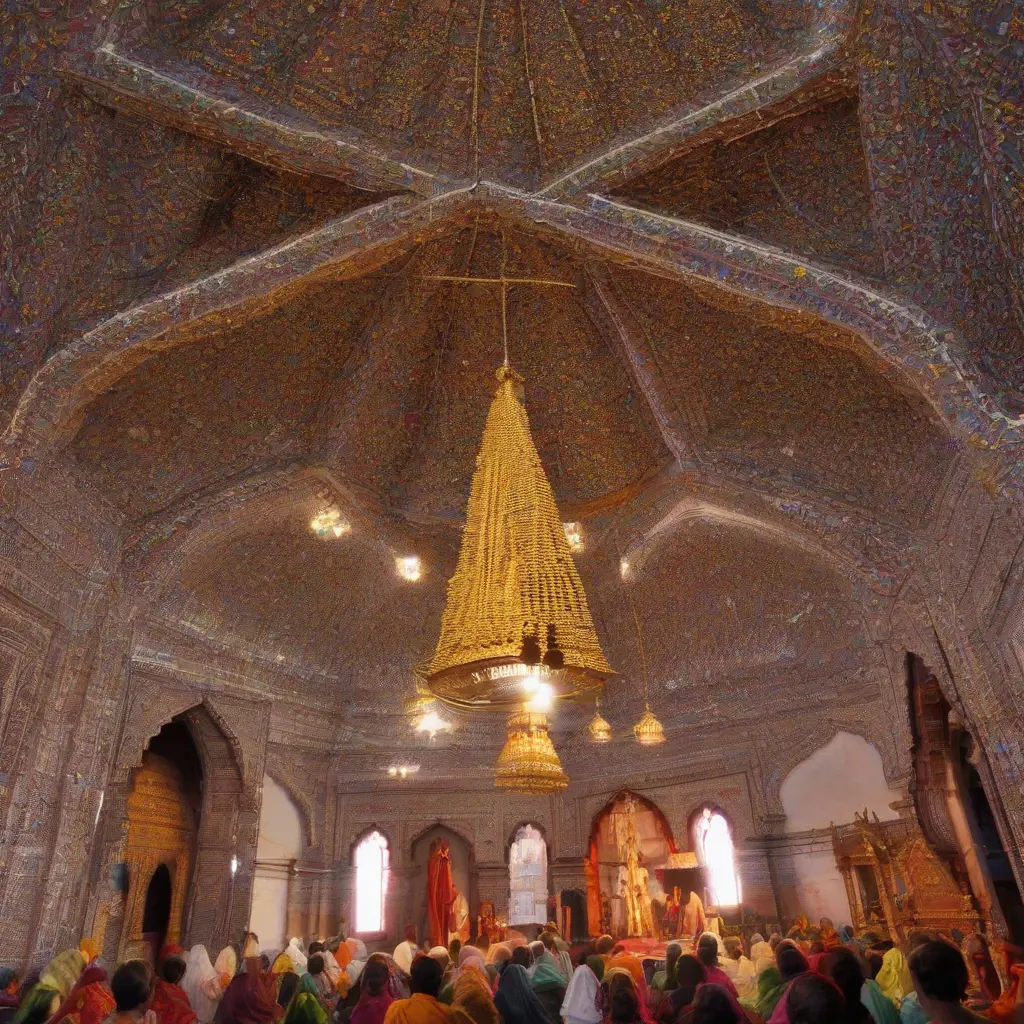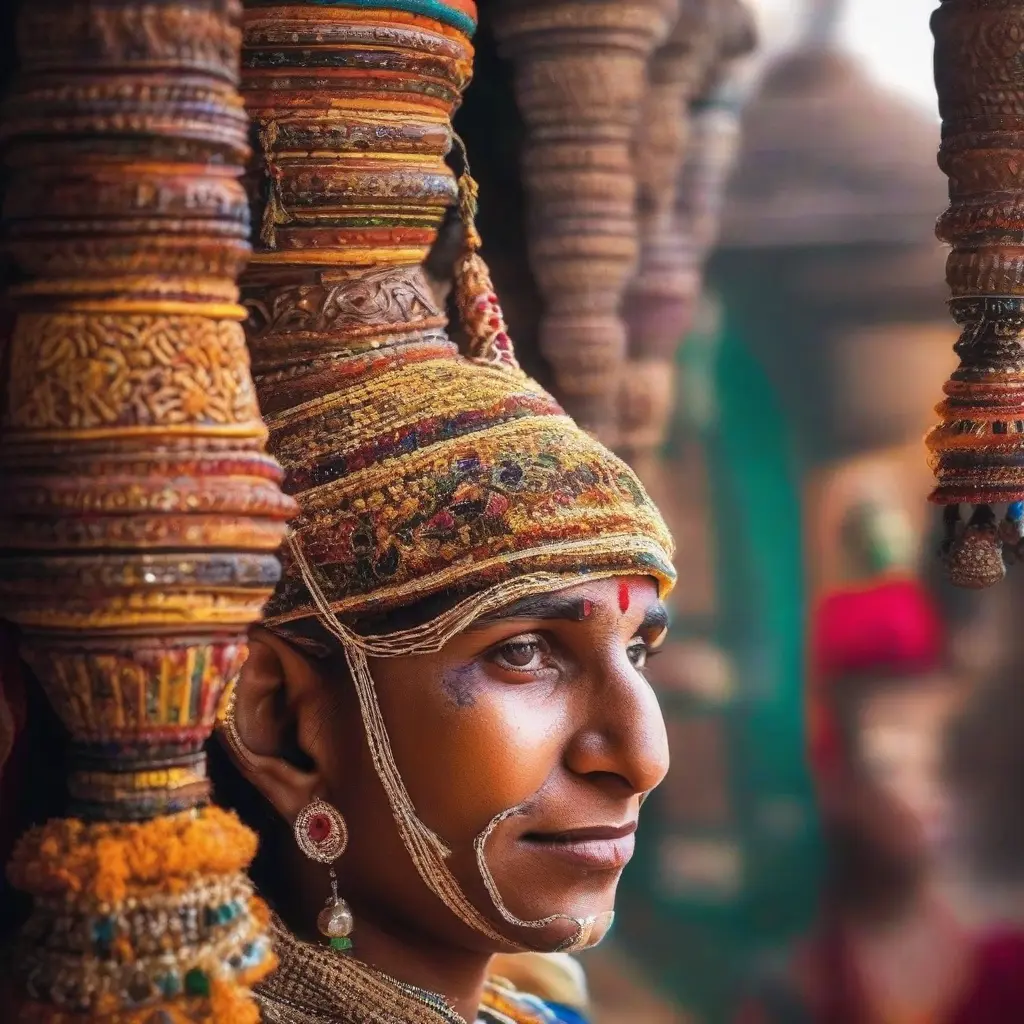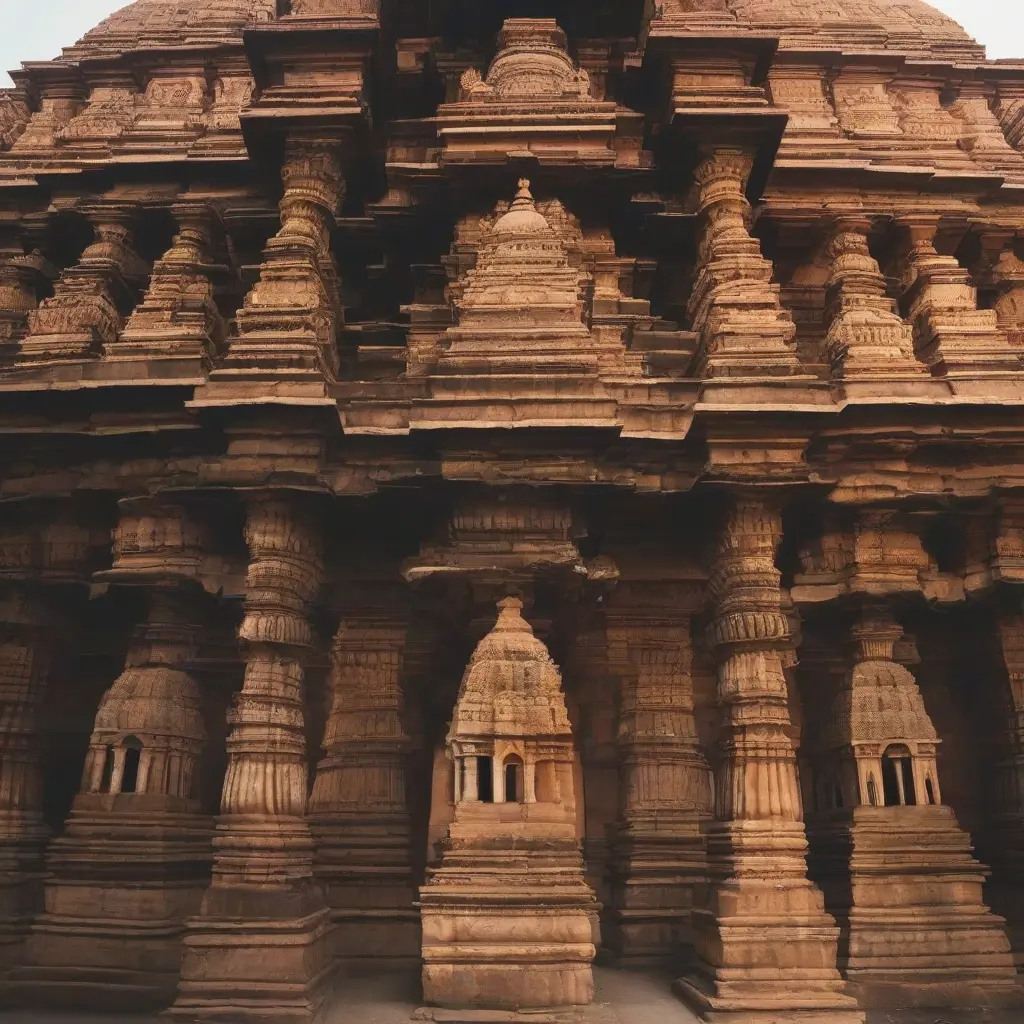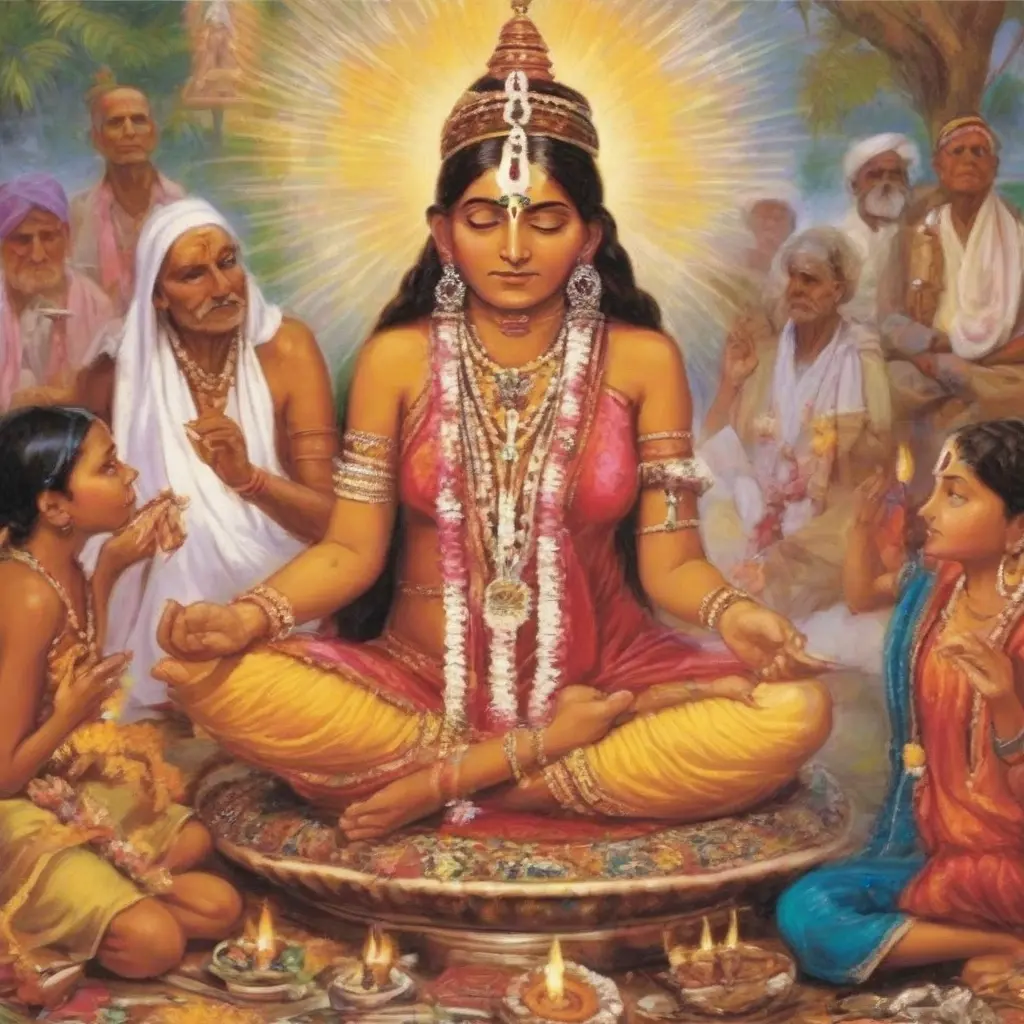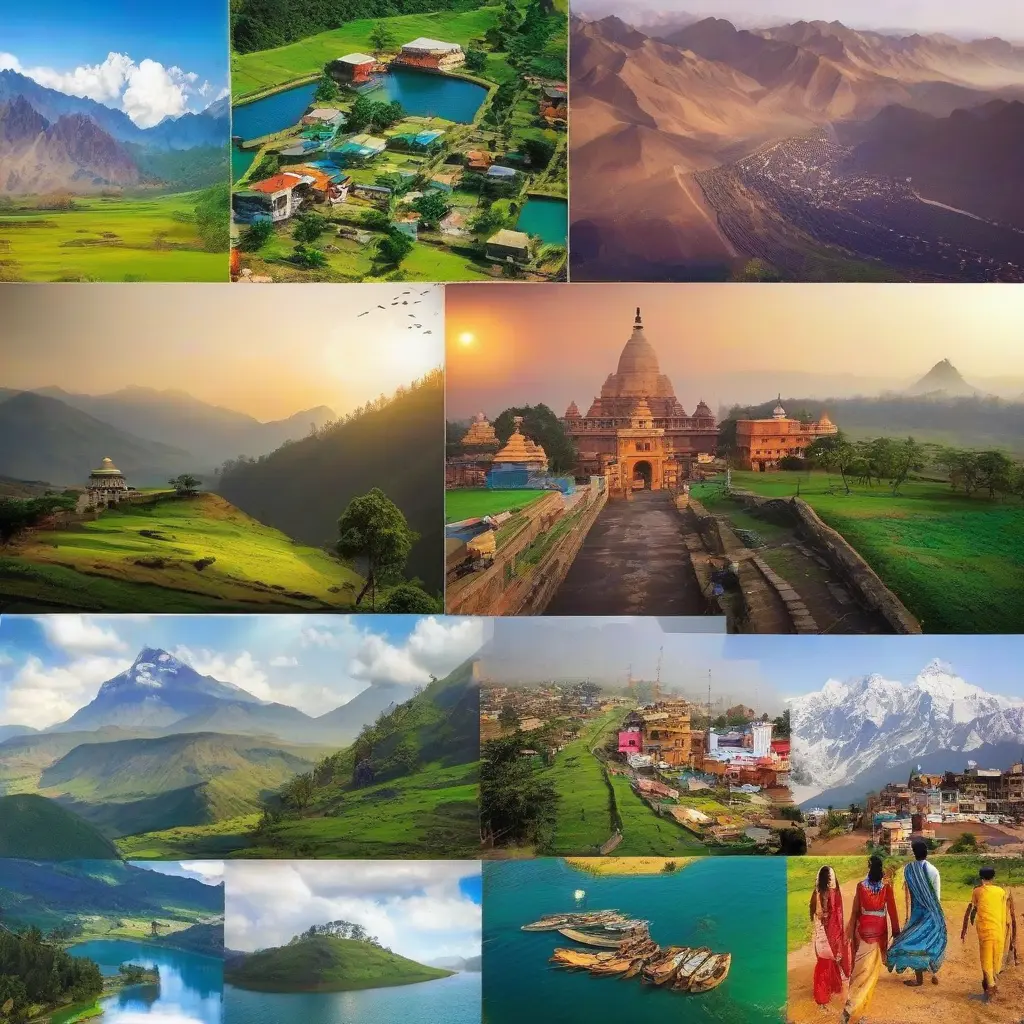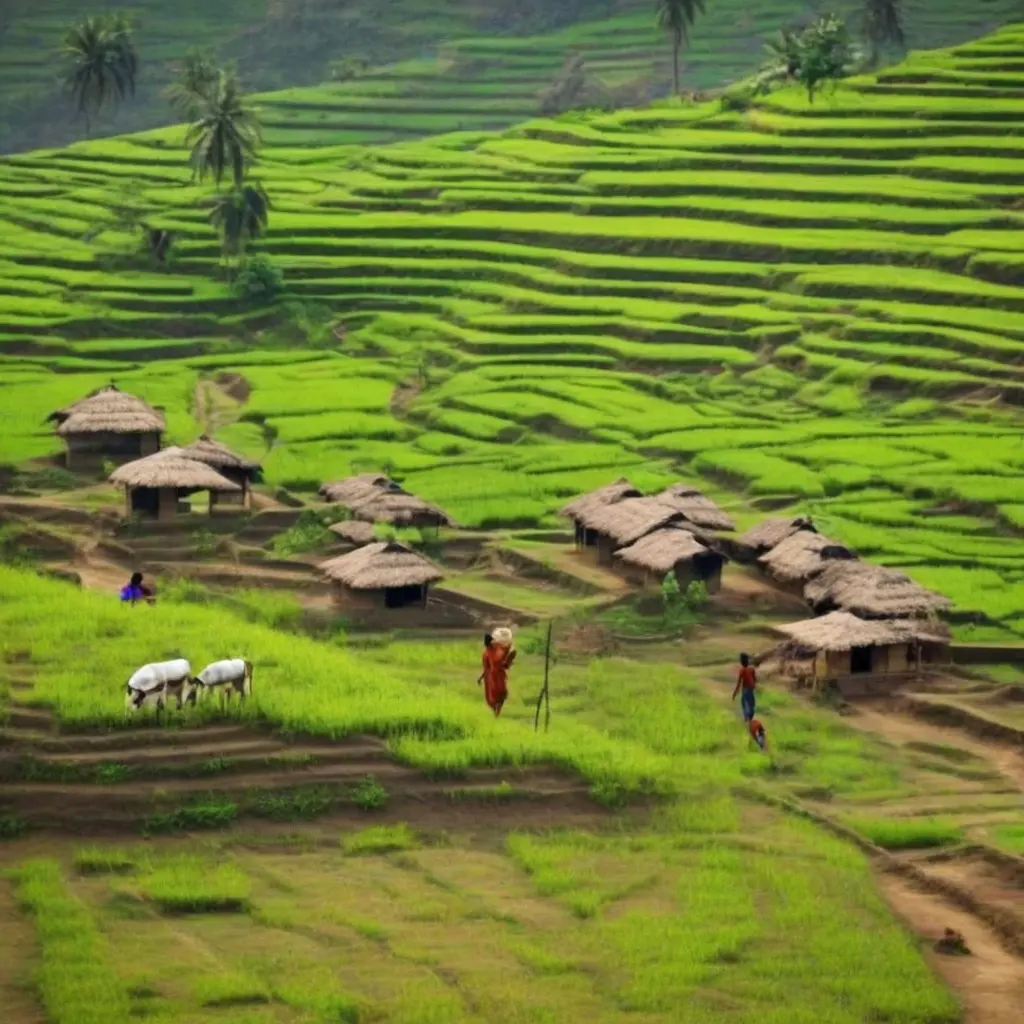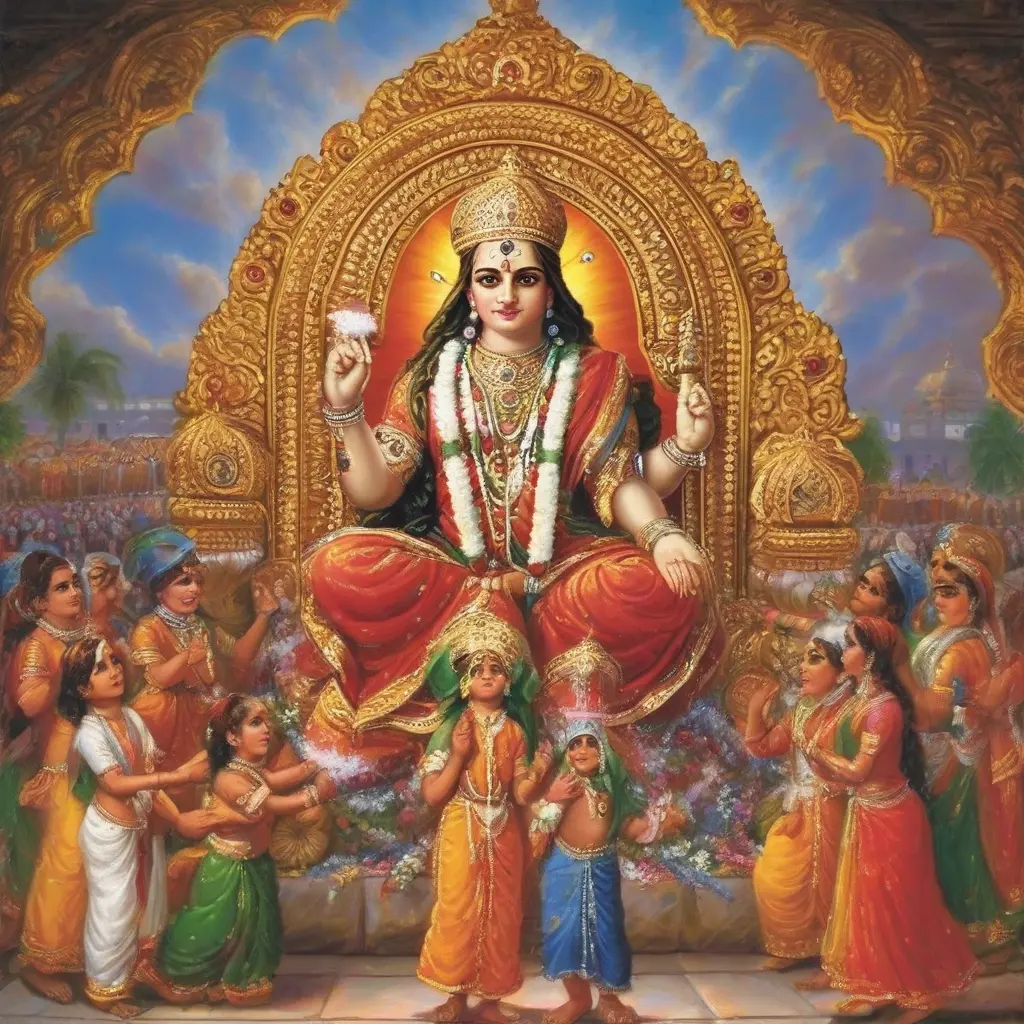
India is a vibrant tapestry of cultures and religions, where various festivals offer profound insights into the diverse spiritual beliefs of its people. Each festival reflects the ethos, history, and traditions that have shaped Indian society over millennia. From the colorful celebrations of Diwali to the solemn observances during Ramadan, these festivals provide a unique opportunity to witness the richness of India’s spiritual landscape. This article explores 25 of the most important religious festivals in India, offering a glimpse into the faiths, rituals, and practices that bring communities together across the country.
Diwali: The Festival of Lights
Diwali, also known as Deepavali, is one of the most widely celebrated festivals in India. It symbolizes the victory of light over darkness and good over evil. Typically celebrated in October or November, families adorn their homes with oil lamps, colorful rangoli, and vibrant decorations. The festival culminates with dazzling fireworks that light up the night sky. Offerings to Lakshmi, the goddess of wealth, are made during this auspicious time, and sweets are shared among friends and family. Diwali beautifully blends spirituality with community celebration, making it a cherished time in Indian households.
Holi: The Festival of Colors
Holi, celebrated in March, is a joyous festival that marks the arrival of spring. Known as the Festival of Colors, it is characterized by the playful throwing of colored powders and water among friends and family. The celebration signifies love, the triumph of good over evil, and the end of winter. Streets are filled with laughter and music as people engage in festive activities. Traditional foods like gujiya are prepared, and bonfires are lit to signify purification. Holi transcends social barriers, encouraging unity and harmony among diverse communities.
Eid al-Fitr: Celebrating the End of Ramadan
Eid al-Fitr is a significant Islamic festival that marks the end of Ramadan, a month of fasting and prayer. It is celebrated with communal prayers, feasting, and giving of alms, known as Zakat al-Fitr, to the less fortunate. The festival is an expression of gratitude to Allah for the strength shown during Ramadan and is observed with family gatherings and shared meals. Special dishes are prepared, and new clothes are often worn to mark the occasion. Eid promotes values of compassion and charity, reinforcing the unity within the Muslim community.
Navratri: Nine Nights of Worship
Navratri is a nine-night festival honoring the goddess Durga, celebrated with great fervor in various parts of India. Typically occurring in September or October, each night symbolizes different attributes of the goddess. Devotees engage in fasting, prayers, and vibrant dance forms like Garba and Dandiya. Temples are beautifully decorated, and cultural programs are organized for community participation. The festival culminates in Dussehra, celebrating Durga’s victory over the buffalo demon Mahishasura. Navratri showcases Indian culture, spirituality, and the power of feminine energy.
Pongal: Harvest Festival of Tamil Nadu
Pongal is a major harvest festival celebrated primarily in Tamil Nadu during mid-January. It is dedicated to the Sun God and marks the end of the harvest season, symbolizing prosperity and gratitude. Families prepare a special dish called Pongal, made from freshly harvested rice and jaggery, which is cooked in the open to offer to deities. Colorful kolams are drawn at doorsteps to welcome prosperity, and the festivities extend over four days featuring various rituals and traditional games. Pongal reflects agrarian culture and the community’s deep connection to nature.
Ganesh Chaturthi: Honoring Lord Ganesh
Ganesh Chaturthi is a festive occasion that celebrates the birth of Lord Ganesh, the elephant-headed deity symbolizing wisdom and prosperity. It falls in August or September and is particularly popular in Maharashtra. Idols of Ganesh are installed in homes and public spaces, accompanied by prayers, music, and cultural performances. The festival lasts for ten days, culminating in the immersion of Ganesh idols in water bodies, symbolizing the cycle of creation and dissolution. Ganesh Chaturthi fosters community spirit, creativity, and devotion among participants.
Christmas: Celebrating the Birth of Jesus Christ
Christmas is celebrated on December 25th to commemorate the birth of Jesus Christ, marking a significant occasion for Christians across India. Families engage in various traditions, including decorating Christmas trees, exchanging gifts, and attending midnight masses. Special meals featuring traditional dishes are prepared, and carols are sung to spread joy and cheer. In some regions, local customs blend with the celebration, creating a unique Indian flavor. Christmas emphasizes themes of love, forgiveness, and community, bridging cultural divides while celebrating faith.
Vaisakhi: Sikh New Year and Harvest Festival
Vaisakhi is a significant festival for Sikhs, celebrated on April 13 or 14, coinciding with the harvest season and the Punjabi New Year. It commemorates the formation of the Khalsa in 1699, which represents the unity and strength of the Sikh community. The day is marked by prayers at Gurdwaras, processions, and community feasts known as langar. The festival emphasizes the values of equality, service, and perseverance. Vaisakhi serves as a reminder of Sikh heritage and the community’s commitment to justice and equality.
Onam: Harvest Festival of Kerala
Onam, celebrated in Kerala, is a harvest festival usually held in August or September. It honors the return of the legendary King Mahabali and marks the onset of the agricultural season. The festival spans ten days, featuring traditional dances, floral decorations, and a grand feast known as Onam Sadhya. Various events like boat races and tug-of-war take place, emphasizing communal harmony. Onam embodies the spirit of togetherness, showing the rich cultural heritage of Kerala and its agricultural roots.
Maha Shivaratri: Night of Lord Shiva
Maha Shivaratri is a prominent Hindu festival dedicated to Lord Shiva, celebrated annually, usually in February or March. Devotees observe a night of fasting and night-long vigils, chanting prayers and mantras. Temples are adorned, and offerings of fruits and flowers are made to Shiva Lingams. The festival symbolizes overcoming ignorance and darkness, promoting spiritual renewal. Many believe that devotion during this night brings blessings and peace. Maha Shivaratri showcases the depth of Hindu spirituality and reverence for deities.
Baisakhi: Celebrating Agriculture and the New Year
Baisakhi is a joyous Punjabi festival celebrated in April, marking the harvest of crops and the new year in the Punjabi calendar. This festival holds religious significance in Sikhism, commemorating the creation of Khalsa by Guru Gobind Singh. Rural communities celebrate with traditional folk music, dancing, and feasting. Processions called Nagar Kirtan take place, where hymns are sung, reflecting community spirit and cultural pride. Baisakhi highlights the agrarian lifestyle of Punjabis, fostering a sense of togetherness and gratitude.
Karva Chauth: A Day of Fasting for Marital Bliss
Karva Chauth is a significant festival observed by married Hindu women, primarily in North India, usually falling in October or November. Women fast from sunrise to moonrise, praying for the well-being and longevity of their husbands. The day involves intricate rituals, including mehendi application and wearing traditional attire. Once the moon is sighted, women perform aarti and break their fast with water and food offered by their husbands. Karva Chauth symbolizes love, devotion, and the strength of marital bonds, showcasing cultural traditions around relationships.
Buddha Purnima: Celebrating the Birth of Gautama Buddha
Buddha Purnima, celebrated on the full moon day in April or May, marks the birth, enlightenment, and death of Lord Gautama Buddha. It holds significant importance for Buddhists and is observed through meditation, prayers, and visiting temples. Devotees reflect on Buddha’s teachings of compassion, peace, and mindfulness. Various cultural programs are organized to promote awareness about Buddhism and its values. The day encourages spiritual growth and understanding, forming connections across different communities.
Chhath Puja: A Festival of Gratitude to the Sun
Chhath Puja, celebrated mainly in Bihar and Uttar Pradesh, is a festival dedicated to the Sun God, observed over four days. The festival focuses on thanksgiving for the bountiful harvest and seeks blessings for health and prosperity. Devotees perform rituals by rivers or ponds, including fasting and offering prayers at sunrise and sunset. Traditional songs are sung during the rituals, enhancing the communal spirit. Chhath Puja symbolizes reverence for nature and highlights the significance of traditional agricultural lifestyles in Indian culture.
Makar Sankranti: Celebrating the Harvest Season
Makar Sankranti marks the transition of the Sun into the zodiac sign of Capricorn and is celebrated across India each January. This harvest festival signifies the end of winter and the beginning of the agricultural season. Different regions observe unique traditions, such as kite flying in Gujarat and the famous Pongal in Tamil Nadu. Traditional sweets made from jaggery and sesame seeds are specially prepared. Makar Sankranti reinforces agricultural practices, symbolizing gratitude and community togetherness across diverse cultures.
Janmashtami: Celebrating the Birth of Lord Krishna
Janmashtami celebrates the birth of Lord Krishna and is observed with great enthusiasm, especially in the states of Uttar Pradesh and Maharashtra. Typically falling in August, the day involves fasting, prayers, and nighttime festivities known as Raas Leela, which depict the life of Krishna. Temples are decorated, and community events are organized, allowing devotees to express their devotion. The festival signifies the triumph of good over evil, instilling hope and joy among followers. Janmashtami serves as a reminder of divine love and the importance of dharma.
Gudi Padwa: Marathi New Year Celebration
Gudi Padwa, celebrated in Maharashtra, marks the beginning of the Marathi New Year, usually in March or April. It signifies the arrival of spring and is observed through various rituals, including erecting a Gudi, an emblem of victory. Families prepare traditional Maharashtrian dishes, and homes are adorned with floral decorations. The day encourages community gatherings, folk dances, and cultural events that reflect local traditions. Gudi Padwa symbolizes new beginnings and the rich cultural heritage of Maharashtra, uniting families and friends.
Ram Navami: Birth of Lord Rama
Ram Navami is a significant Hindu festival that celebrates the birth of Lord Rama, usually observed in March or April. The day involves ceremonial worship, recitations from the Ramayana, and community gatherings. Temples are festooned, and devotees engage in chanting prayers to honor Lord Rama’s ideals of righteousness and virtue. Various cultural programs showcase dramas depicting incidents from Rama’s life. Ram Navami emphasizes the importance of dharma and virtue in daily life, promoting unity and devotion among communities.
Bhagavad Gita Jayanti: Celebration of the Gita
Bhagavad Gita Jayanti marks the day the Bhagavad Gita was revealed to Arjuna during the Kurukshetra War. Celebrated on the Shukla Ekadashi in Hindu months, it highlights the Gita’s teachings on duty, righteousness, and knowledge. Observances include recitations, discussions, and devotional activities. Temples and households come together to reflect on the philosophical insights provided in the Gita. This festival serves as a call to practice the principles of mindfulness and duty in daily life, reinforcing cultural values and spirituality.
Diwali: The Festival of Lights and New Beginnings
Diwali, often referred to as the Festival of Lights, marks the victory of good over evil and is celebrated in October or November. Rituals involve lighting oil lamps, decorating homes with Rangoli, and bursting fireworks. The festival also includes the worship of Goddess Lakshmi and exchanges of sweets among friends and family. Communities come together, emphasizing a spirit of unity and shared celebration. Diwali fosters values of hope, new beginnings, and gratitude, making it a touching time of reflection and joy.
Conclusion
The festivals of faith in India encompass a wide array of cultural and religious observances that reflect the country’s rich spiritual heritage. Each festival, with its unique customs and meanings, provides an opportunity for communities to come together, celebrate diversity, and foster a sense of belonging. These religious festivals not only offer insights into the individual faiths but also showcase the beautiful tapestry of traditions and values that unite the people of India in harmony and joy.