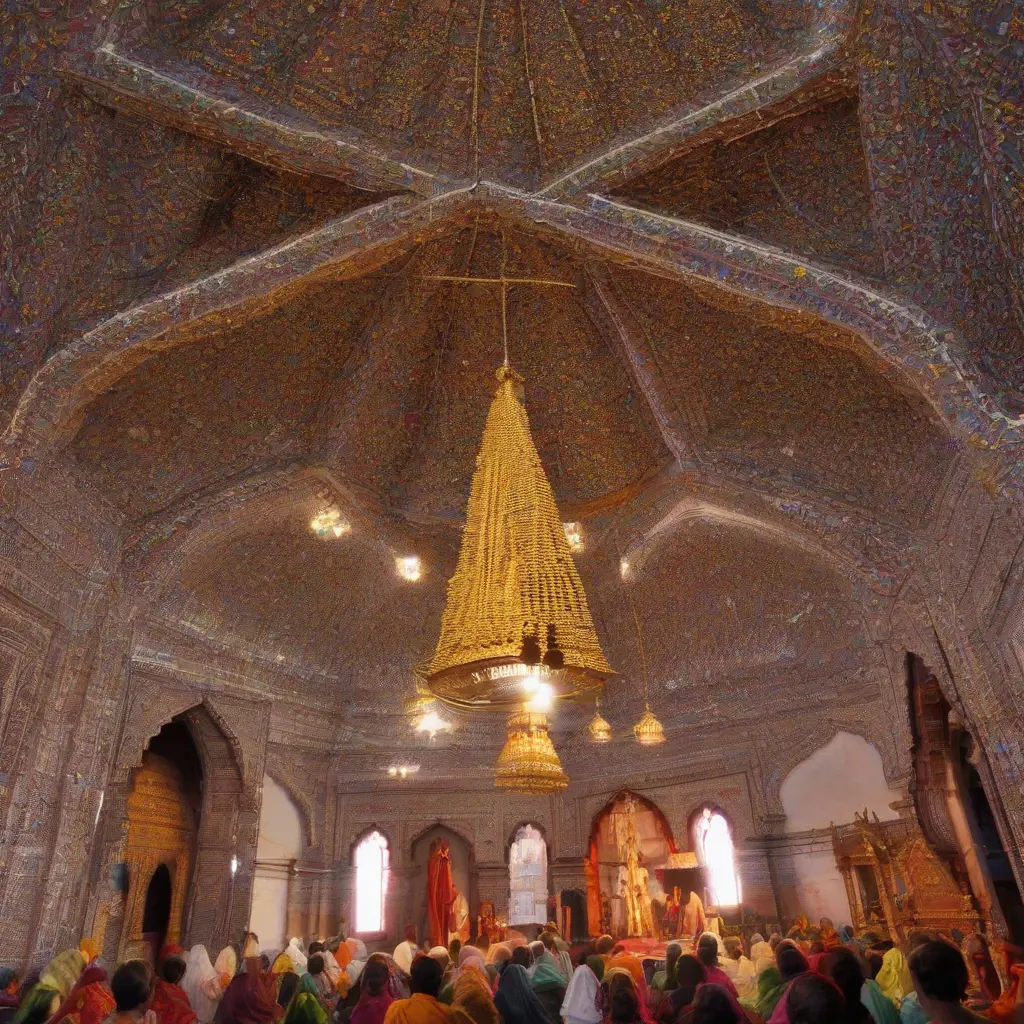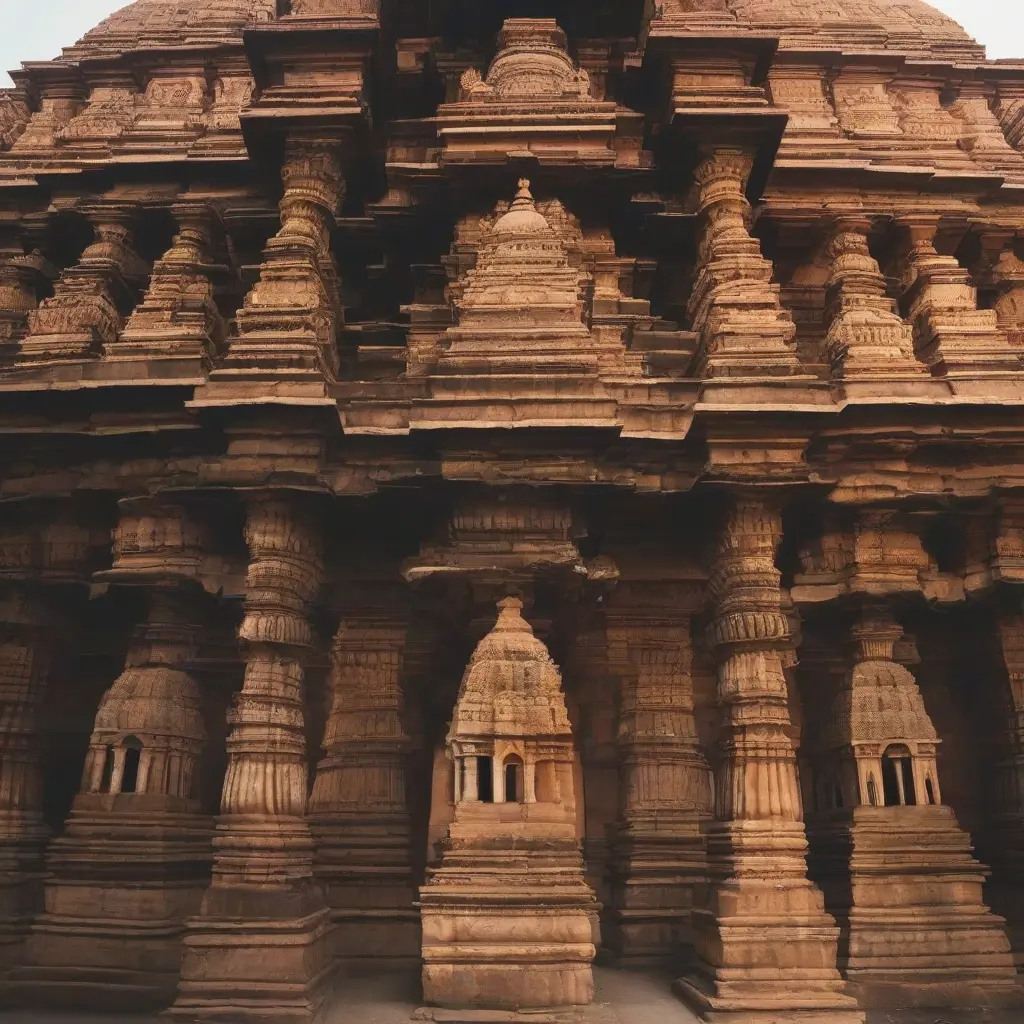
India, a land rich in history and culture, boasts numerous landmarks that signify its diverse heritage. From ancient forts to sacred temples, each site provides insight into the nation’s past and spiritual roots. This article explores 25 of India’s most significant historical and cultural landmarks, each offering unique experiences that showcase the balance of tradition and modernity. Whether you’re a pilgrim seeking spiritual solace or a traveler interested in cultural exploration, these landmarks serve as vital touchpoints on your journey through India.
Taj Mahal: The Symbol of Love
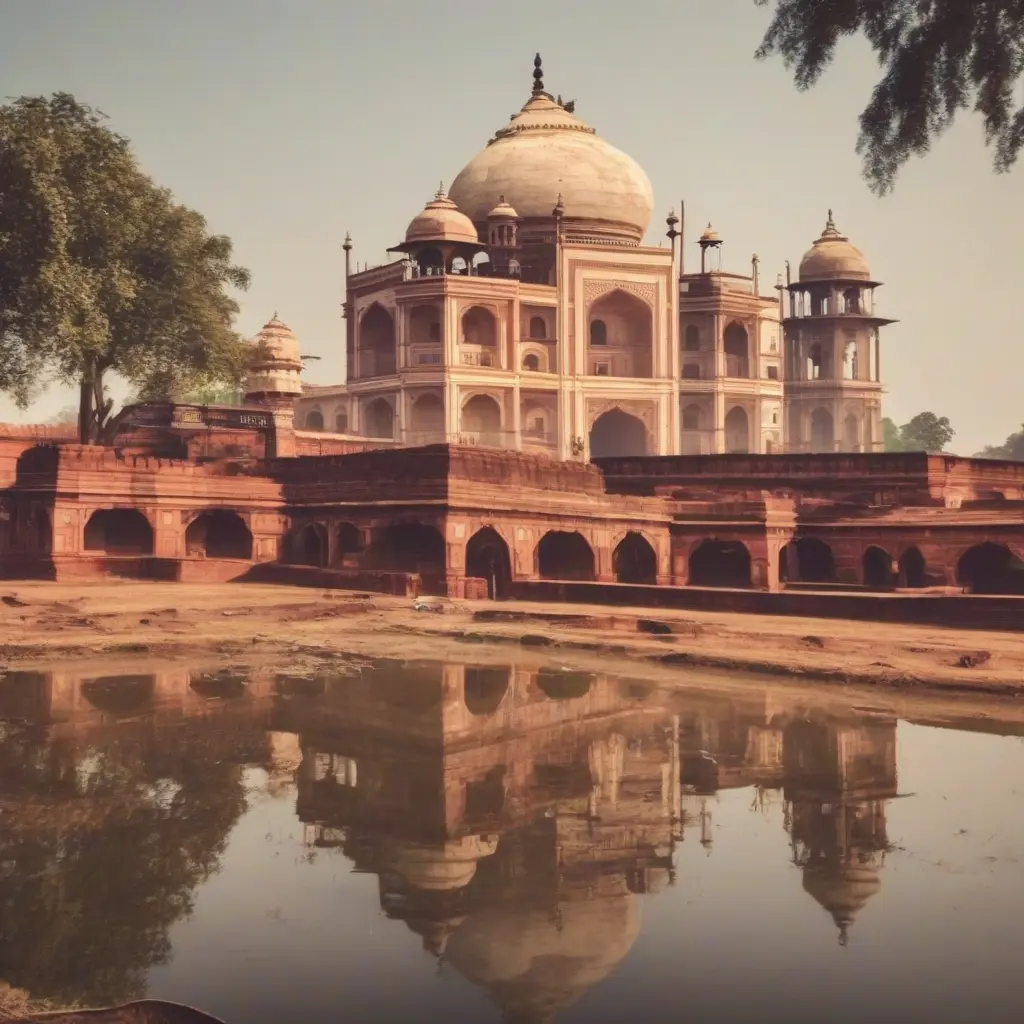
The Taj Mahal, located in Agra, is arguably the most iconic symbol of India. Built in the 17th century by Mughal Emperor Shah Jahan in memory of his beloved wife, Mumtaz Mahal, this UNESCO World Heritage Site is admired for its stunning white marble architecture and intricate carvings. The monument stands as a testament to eternal love and is surrounded by beautiful gardens, reflecting pools, and an impressive mosque, making it a must-visit for anyone interested in India’s rich cultural tapestry.
Varanasi: The Spiritual Heart of India
Varanasi, one of the oldest continuously inhabited cities in the world, is considered the spiritual capital of India. Located on the banks of the Ganges River, it holds immense significance in Hinduism, where pilgrims come to perform rituals and seek salvation. The ghats, or riverfront steps, are dotted with temples and offer mesmerizing views of the sunrise and Ganges ceremonies. The city represents the nexus of spirituality and culture, making it a pivotal landmark in India’s pilgrimage landscape.
Jaipur: The Pink City
Jaipur, known as the Pink City, is renowned for its stunning palaces, forts, and vibrant bazaars. Built in the 18th century, the city showcases remarkable architecture, with highlights including the Hawa Mahal and Amer Fort. The forts offer panoramic views of the city, while the local markets brim with traditional handicrafts and textiles. Jaipur serves as a lovely representation of Rajasthan’s royal history and is a focal point for cultural tourism.
Hampi: A UNESCO World Heritage Site
Hampi, a UNESCO World Heritage Site, features the ruins of the ancient Vijayanagara Empire. This historic city in Karnataka is famous for its captivating temples, royal enclosures, and monolithic sculptures. The landscape is dotted with boulders and breathtaking scenery, making it a favorite destination for history buffs and adventure enthusiasts alike. Exploring Hampi offers a glimpse into the grandeur of a bygone era, making it an essential stop for cultural travel in India.
Mysore Palace: Royal Heritage
The Mysore Palace, located in Karnataka, is a majestic structure that reflects the rich heritage of the Wodeyar dynasty. This architectural marvel showcases Indo-Saracenic design and is adorned with intricate carvings and stained glass. Illuminated at night, the palace radiates an enchanting atmosphere, drawing visitors from all over the globe. Its grandeur and historical significance make it a pivotal landmark for those exploring India’s royal past.
Khajuraho Temples: Art of Love
The Khajuraho Temples in Madhya Pradesh are famous for their exquisite sculptures and intricate carvings depicting various aspects of life, including love and spirituality. A UNESCO World Heritage Site, these temples were built during the Chandela dynasty between 950 and 1050 AD. The erotic sculptures have made Khajuraho a focal point of cultural tourism in India, offering a unique perspective on ancient Indian society and its values.
Golden Temple: A Spiritual Oasis
The Golden Temple, or Harmandir Sahib, located in Amritsar, is the holiest shrine in Sikhism. Its stunning golden architecture, surrounded by a peaceful man-made lake, invites visitors seeking spiritual solace. Pilgrims from diverse backgrounds come to pay their respects and partake in the community kitchen, or langar, that feeds thousands daily. The Golden Temple stands as a symbol of inclusivity and peace, luring travelers interested in spirituality and culture.
Ajanta and Ellora Caves: Ancient Wonders
The Ajanta and Ellora Caves in Maharashtra are remarkable archaeological sites featuring stunning rock-cut temples and monasteries. Ajanta is renowned for its exquisite frescoes and carvings that depict Buddhist themes, while Ellora showcases a blend of Buddhist, Hindu, and Jain architecture. These caves offer visitors profound insights into ancient Indian art and spirituality, making them essential destinations for those exploring India’s rich historical landscape.
Gateway of India: Historical Landmark
The Gateway of India in Mumbai is an iconic arch monument built during the British Raj in 1924. Overlooking the Arabian Sea, this landmark celebrates the arrival of King George V and Queen Mary to India. Today, it serves as a popular gathering place and an important historical site, symbolizing the rich colonial history of Mumbai and the resilience of its people. A visit to the Gateway offers both scenic beauty and a glimpse into India’s complex past.
Leh-Ladakh: High-altitude Beauty
Leh-Ladakh, located in the northernmost region of India, is known for its breathtaking landscapes and rich Buddhist heritage. Important monasteries such as Hemis and Thiksey are nestled among stunning mountains, offering visitors a unique spiritual experience. The region’s dramatic terrain and vibrant culture have made it a favorite destination for adventure seekers and cultural enthusiasts alike, highlighting the diverse experiences available within India’s immense geographical and cultural landscape.
Virupaksha Temple: Architectural Marvel
The Virupaksha Temple in Hampi is a striking example of Dravidian architecture and is dedicated to Lord Shiva. This sacred site features intricate sculptures and towering gopurams (temple towers), reflecting the artistry of the Vijayanagara Empire. Pilgrims and tourists alike are drawn to this temple for its spiritual ambiance and historical significance, making it a prominent landmark in Hampi and a key destination for exploring India’s temple architecture.
Qutub Minar: The Tallest Brick Minaret
The Qutub Minar in Delhi stands as the tallest brick minaret in the world, reaching a height of 73 meters. Built in the 12th century, this UNESCO World Heritage Site exemplifies Indo-Islamic architecture and showcases intricate carvings. The minaret is part of the larger Qutub complex, which includes several ancient structures of historical significance. The Qutub Minar attracts history lovers and tourists, representing the rich cultural amalgamation that defines India’s architectural legacy.
Konark Sun Temple: A Marvel of Engineering
The Konark Sun Temple in Odisha is renowned for its awe-inspiring architecture and intricate stone carvings depicting various deities and celestial beings. Built in the 13th century, this UNESCO World Heritage Site is designed to resemble a chariot of the sun god, Surya. The temple’s detailed craftsmanship highlights the artistic prowess of ancient Indian artisans and offers visitors a unique insight into India’s spiritual heritage and engineering marvels.
Rani Ki Vav: Stepwell of Queens
Rani Ki Vav, located in Patan, Gujarat, is a UNESCO World Heritage Site known for its remarkable stepwell architecture. Built in the 11th century, this intricately designed structure showcases stunning carvings of gods, goddesses, and mythological figures. Originally constructed as a water resource, it reflects the engineering brilliance of ancient Indian civilization. Rani Ki Vav is now a popular site for tourists seeking to understand India’s historical water management and architectural innovation.
Mysore Dasara: Festival of Lights
Mysore Dasara is a grand festival celebrated in Karnataka that showcases the culture and traditions of the region. Marking the victory of good over evil, this festival features vibrant processions, cultural performances, and traditional rituals. The Mysore Palace serves as a focal point during the celebrations, illuminated beautifully in the evenings. This festival attracts visitors from around the globe, offering an immersive experience of Indian cultural festivities and religious fervor.
Sanchi Stupa: Ancient Buddhist Legacy
The Sanchi Stupa in Madhya Pradesh is one of the oldest stone structures in India, dating back to the 3rd century BC. This UNESCO World Heritage Site is a significant pilgrimage site for Buddhists and features intricately carved gates depicting life events of Buddha. The stupa symbolizes enlightenment and is an architectural marvel of its time. Sanchi attracts cultural travelers interested in Buddhism and ancient history, making it a cornerstone of India’s religious landscape.
Ajmer Sharif Dargah: A Pilgrimage Site
Ajmer Sharif Dargah in Rajasthan is a revered shrine dedicated to the Sufi saint Khwaja Moinuddin Chishti. This pilgrimage site draws visitors from various faiths who come to pay their respects and seek blessings. The Dargah’s golden dome and intricate architecture symbolize spiritual harmony and deep-rooted cultural values. Ajmer Sharif serves as a focal point for communal unity, making it a significant landmark in India’s pilgrimage landscape.
Chhatrapati Shivaji Maharaj Terminus: A UNESCO World Heritage Site
Chhatrapati Shivaji Maharaj Terminus (CST) in Mumbai is an architectural gem and a UNESCO World Heritage Site. Designed in Victorian Gothic style, this railway station plays a crucial role in India’s rail transport history. The intricate details of its façade and the historical significance it holds make it an attraction for architecture enthusiasts and travelers alike. CST continues to be a bustling hub that reflects Mumbai’s rich history and diverse culture.
Ramnagar Fort: A Hidden Gem
Ramnagar Fort, situated near Varanasi, is a lesser-known yet striking landmark that offers a glimpse into the royal past of the region. Built in the 18th century, this fort houses a museum showcasing artifacts, vintage cars, and traditional Indian weapons. The fort’s scenic location along the Ganges River adds to its charm. Often overshadowed by more famous sites, Ramnagar Fort remains a hidden gem for those interested in exploring India’s lesser-known historical treasures.
Mahabalipuram: Shore Temples
Mahabalipuram, known for its ancient shore temples, is a UNESCO World Heritage Site located along the Coromandel Coast of Tamil Nadu. The intricate rock sculptures and temples date back to the 7th century and reflect the rich Dravidian architectural style. Key highlights include the Shore Temple and the Pancha Rathas, drawing both pilgrims and tourists interested in ancient art and architecture. Mahabalipuram exemplifies the artistic achievements of its time, making it a highlight on cultural travels.
Gangotri Temple: Source of the Ganges
Gangotri Temple, located in Uttarakhand, is a revered pilgrimage site dedicated to Goddess Ganga, considered the source of the holy Ganges River. Nestled in the Himalayas, the temple is surrounded by breathtaking landscapes that offer tranquility to pilgrims seeking spiritual rejuvenation. The annual pilgrimage season attracts thousands, highlighting its significance in Hindu culture. The temple’s serene setting and spiritual importance make it a key landmark in India’s religious cartography.
Great Living Chola Temples: Architectural Heritage
The Great Living Chola Temples, situated in Tamil Nadu, are remarkable examples of Dravidian architecture and a UNESCO World Heritage Site. Built during the Chola dynasty, these temples are famous for their grandeur and intricate craftsmanship. Highlights include Brihadeeswarar Temple, which showcases majestic gopurams and detailed carvings. These temples stand as a testament to the Chola dynasty’s artistic achievements and continue to attract both pilgrims and architecture enthusiasts.
Conclusion
India’s historical and cultural landmarks offer a plethora of experiences that reflect its rich heritage and spiritual depth. From the breathtaking Taj Mahal to the ancient caves of Ajanta and Ellora, each site tells a unique story. Travelers and pilgrims alike are drawn to these monuments, which invite exploration and reflection. By visiting these landmarks, one can gain profound insights into the diverse cultural tapestry that India proudly presents.