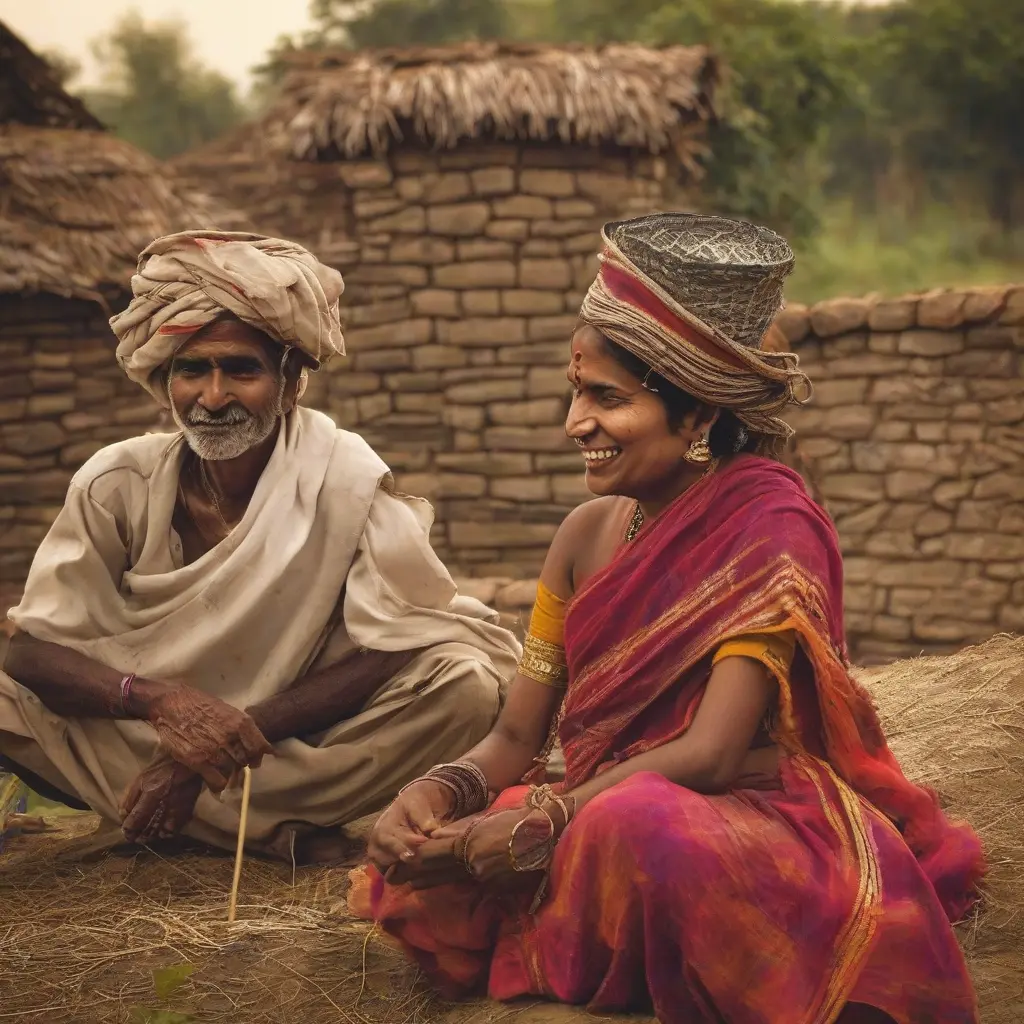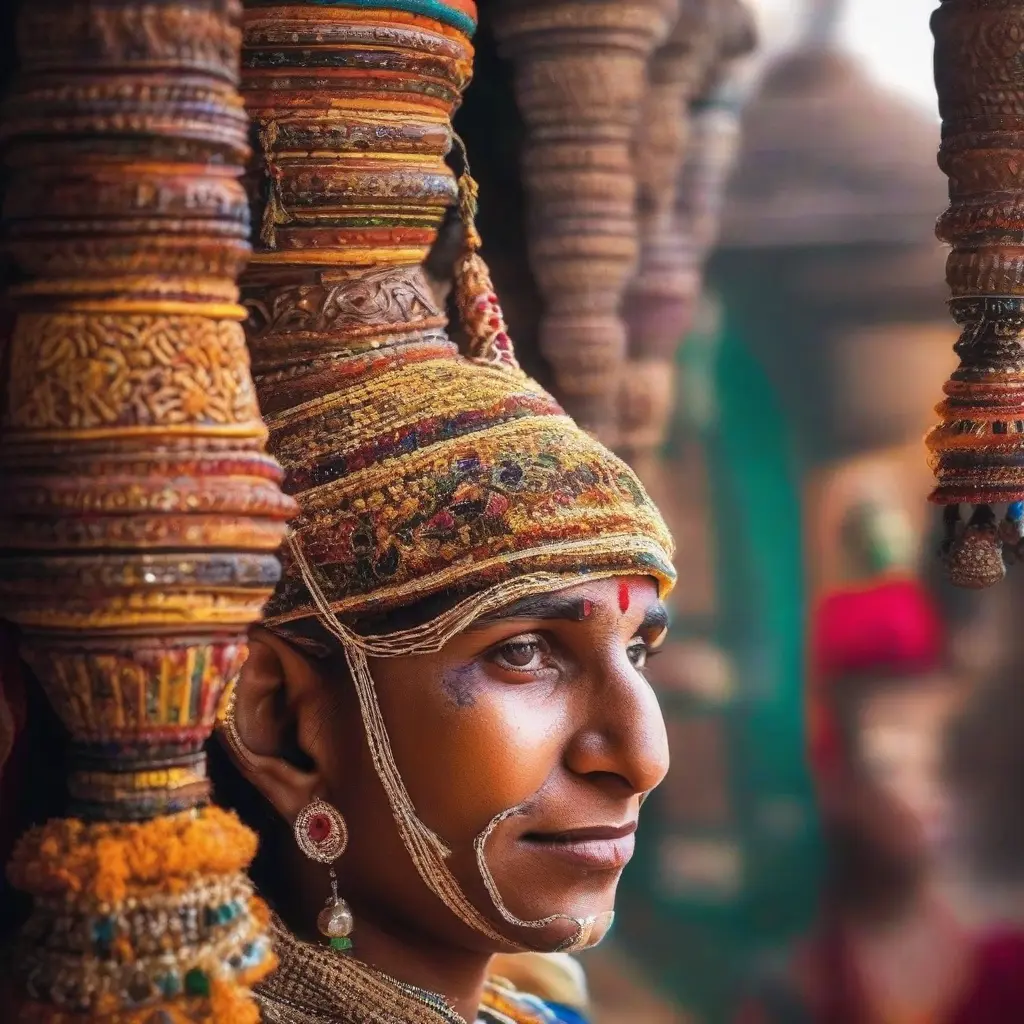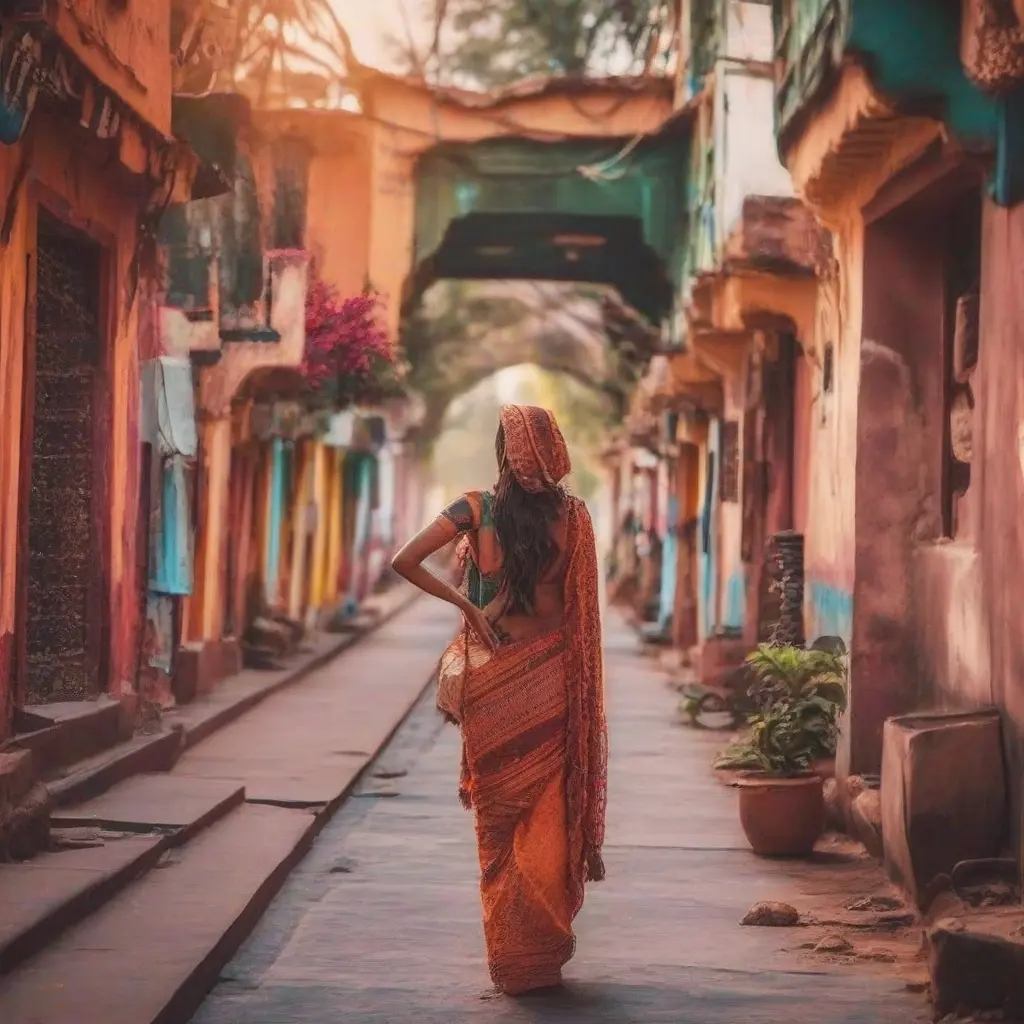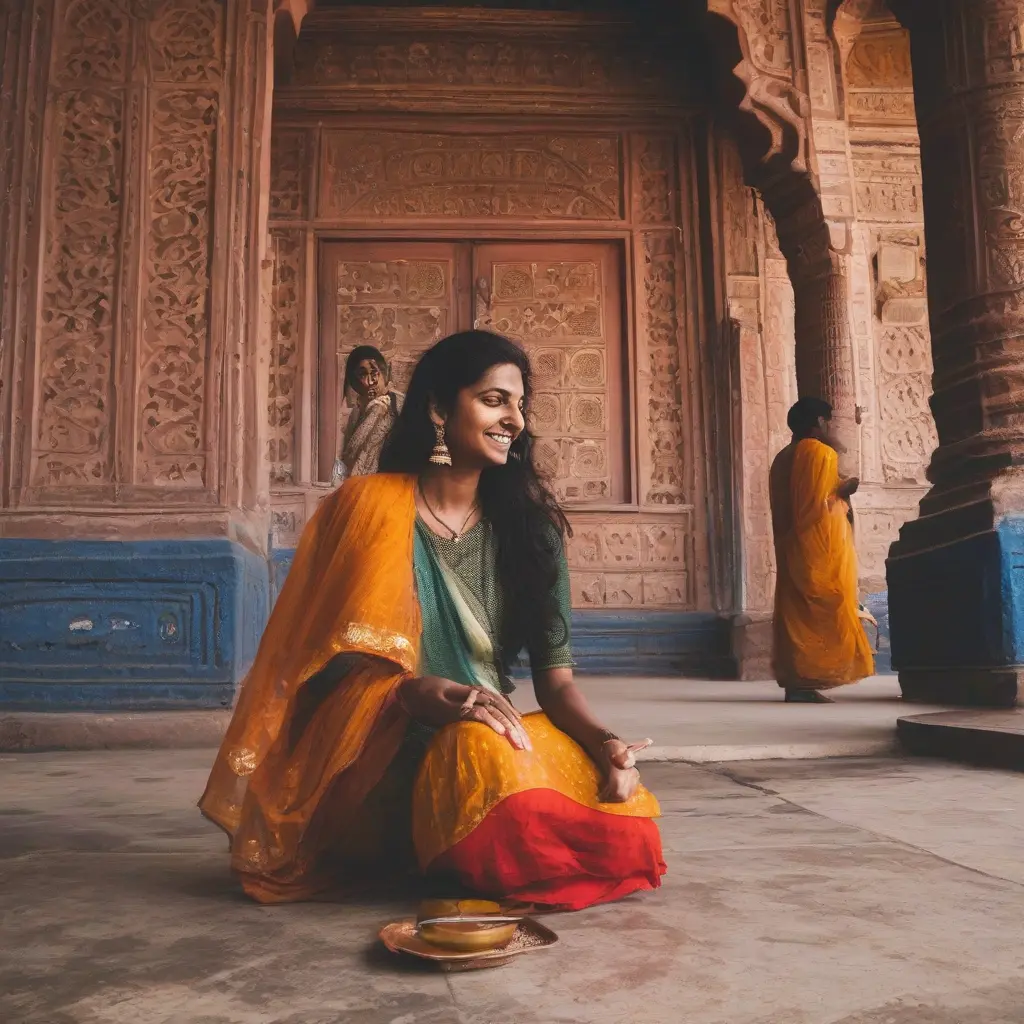
Traveling to India offers an exceptional opportunity to immerse oneself in a rich tapestry of cultures, traditions, and practices. However, understanding the local etiquette is crucial for fostering positive interactions and avoiding unintentional faux pas. This guide provides 25 essential tips for respectful travel in India, ensuring visitors appreciate the diverse cultural heritage while navigating social norms effectively.
Respect Religious Sensitivities
India is home to various religions, and understanding their significance can enhance your travels. When visiting places of worship, dress modestly and observe local customs, such as removing shoes before entering temples or covering heads in specific religious sites. These respectful actions demonstrate cultural sensitivity and appreciation toward local beliefs.
Use Appropriate Greetings
India has a rich variety of greeting customs depending on the region. The traditional ‘Namaste’ gesture, where palms are pressed together in front, is widely accepted. This form of greeting signifies respect and peace. Being aware of these nuances can help initiate friendly interactions with locals and enhance your travel experience.
Dress Modestly in Public Spaces
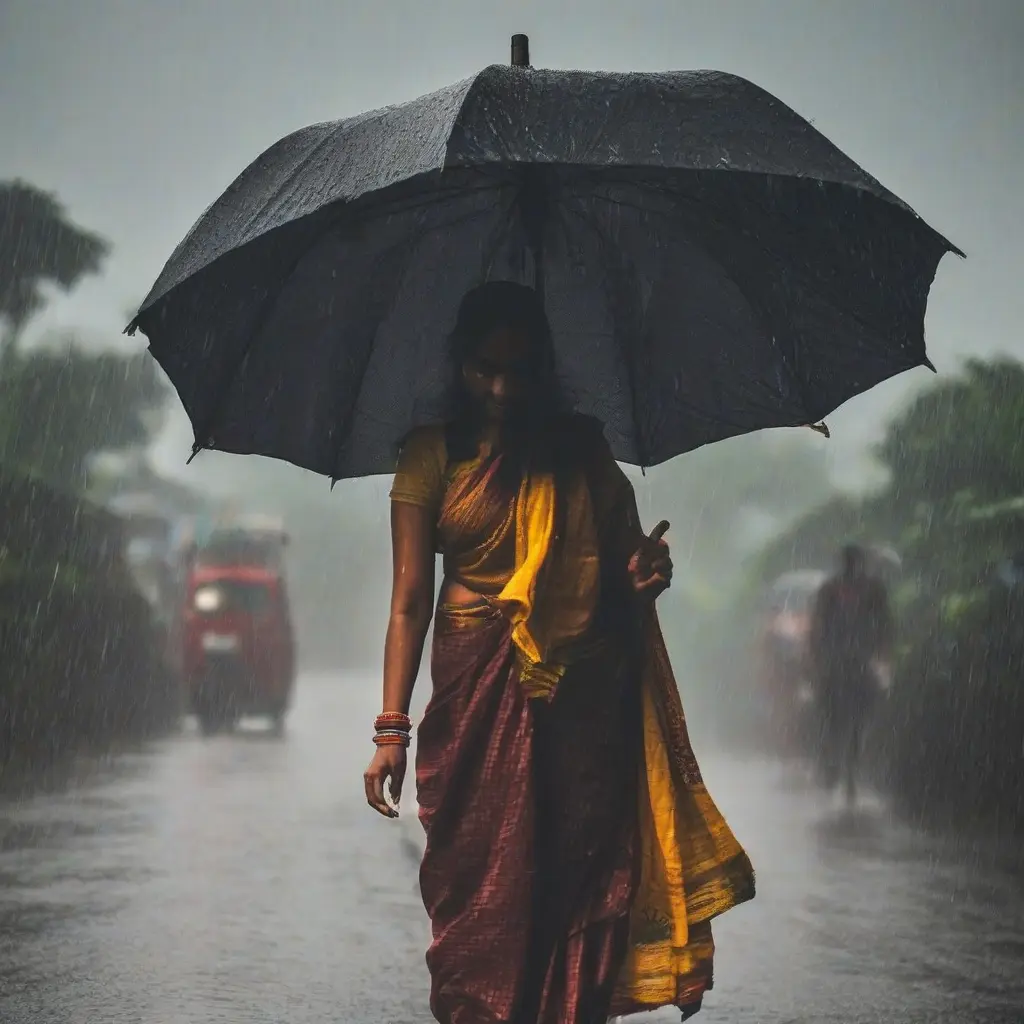
Wearing appropriate attire is crucial in India, especially in rural areas and religious sites. Opt for loose-fitting clothing that covers shoulders and knees to respect local customs. Modest dressing reflects consideration for regional values and can lead to positive engagements with the community.
Avoid Public Displays of Affection
In India, public displays of affection, such as hugging or kissing, are generally frowned upon, particularly in conservative areas. Being discreet in expressing affection is essential, especially when you’re in public spaces or around families. Respecting these social boundaries can foster mutual respect and understanding.
Practice the Right Hand Rule
In many parts of India, the right hand is considered clean and is used for eating and giving gifts, while the left hand is viewed as unclean. When interacting with locals or sharing food, always use your right hand to show respect. This small gesture can carry significant weight in local customs.
Be Mindful of Personal Space
The concept of personal space varies in India compared to Western countries. While locals may stand closer during conversations, be mindful of others’ comfort levels. Adjusting your proximity to match local norms can help in easing interactions and making others feel at ease.
Ask Before Taking Photos
Before photographing people, especially in rural areas, always ask for permission. Not everyone is comfortable being photographed and respecting their wishes is vital. Additionally, seek permission before photographing sacred sites, as many places have restrictions on photography.
Learn Basic Local Language Phrases
Making an effort to learn basic phrases in Hindi or the regional language can go a long way in building rapport. Simple greetings like ‘Hello’ (Namaste) or ‘Thank you’ (Dhanyavaad) can demonstrate your respect for the culture and your willingness to connect with locals.
Follow Dining Etiquette
Dining out in India often involves specific protocols. It is common to eat with your right hand, and many meals are enjoyed seated on the floor. Observing local dining practices, such as waiting for the host to start, enhances social interactions and shows respect for traditions.
Respect the Local Customs of Hospitality
Indians are known for their hospitality, and being a guest is treated with utmost respect. If invited to a local’s home, it is customary to bring a small gift. Additionally, be gracious and accept offerings of food and drink, even if declines are made out of politeness; this way, you show appreciation for their hospitality.
Avoid Sensitive Topics
When conversing with locals, steer clear of sensitive subjects such as politics, religion, or social issues. Respectful discussions about culture and traditions are appreciated, while avoiding controversial matters can help cultivate a more pleasant social atmosphere.
Be Prepared for Cultural Differences
Cultural norms in India can be quite different from those in Western countries. Be prepared for a variety of behaviors and practices that may seem unfamiliar, from communal living arrangements to traditional rituals. Embracing these differences with an open mind enhances your experience and deepens your understanding of the culture.
Respect Elders
Elders are held in high esteem in India, and showing respect to them is essential. When meeting an elder, it is appropriate to greet them with a slight bow or by touching their feet as a sign of respect. Acknowledging their status can endear you to the local community and foster respectful interactions.
Avoid Offending Dress Codes
In regions with deeply rooted cultural traditions, dress codes can be more strictly observed. Women should avoid wearing revealing outfits, while men should refrain from shorts in certain settings. By adhering to local dress codes, you demonstrate respect for cultural values and foster goodwill.
Customs Around Handshakes
While handshakes are common among men, it may not be appropriate for men and women to shake hands in many situations. Pay attention to cues and adopt greeting styles that align with local customs to ensure respectful interactions. Being observant can help navigate these social nuances effectively.
Participate in Local Festivals Respectfully
India is known for its vibrant festivals that reflect its cultural diversity. If you participate in local celebrations, be respectful of traditions and practices. Engaging in festivities with genuine enthusiasm while being mindful of local customs can enhance your experience and build connections with the community.
Travel in Modesty
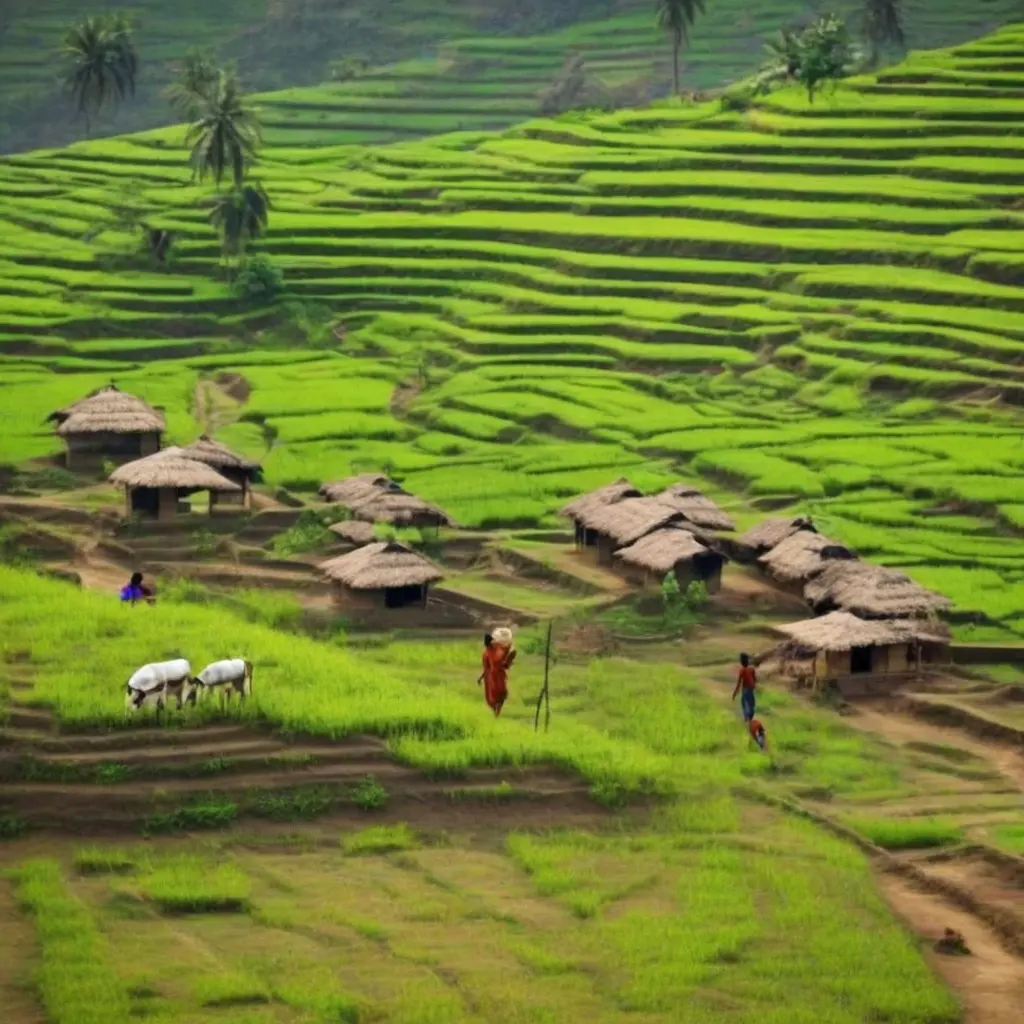
When traveling, especially to rural areas, practicing modesty in behavior and dressing can create a more welcoming atmosphere. Showing restraint can help avoid attracting undue attention and lead to more meaningful interactions with the locals.
Understand Public Transport Etiquette
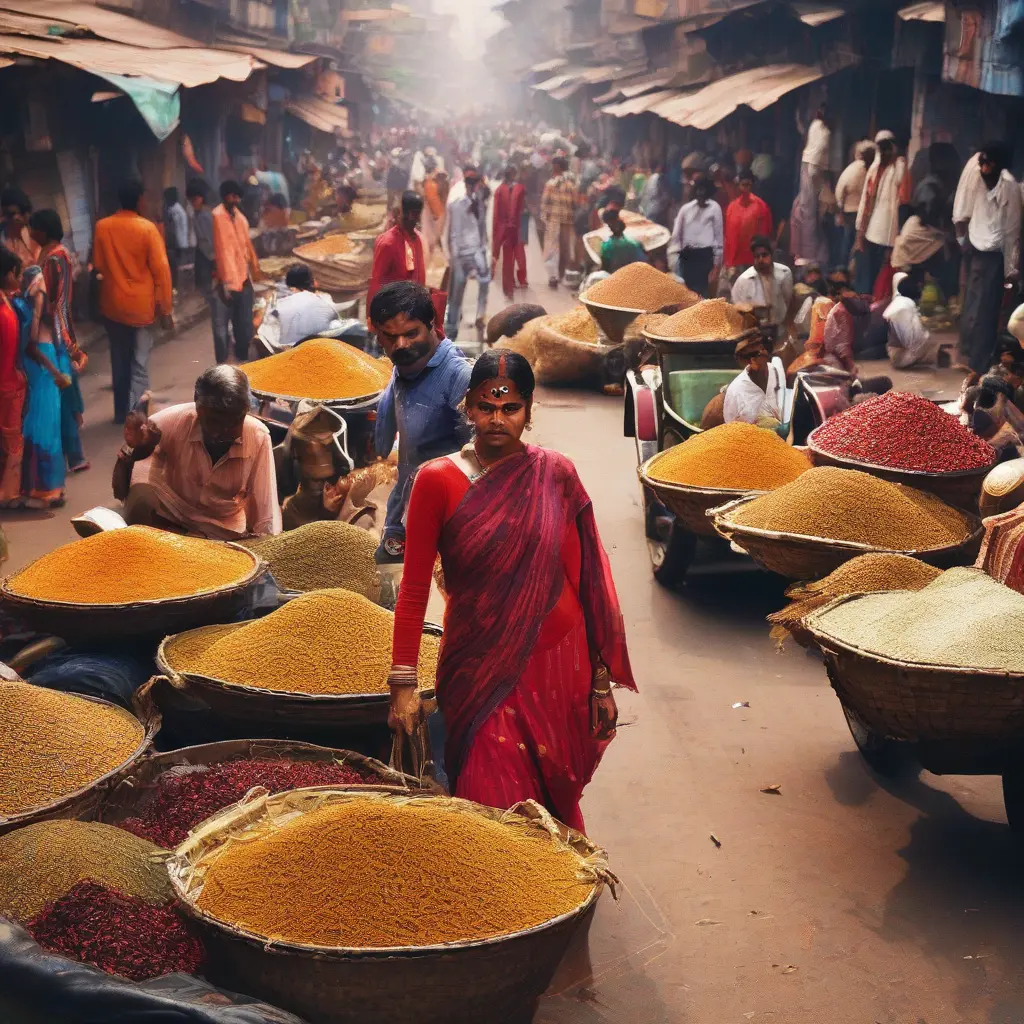
Public transportation in India can be crowded and chaotic. Ensuring you give up your seat for elderly or disabled individuals and maintaining patience during rush hours can be greatly appreciated. Following correct protocols will enhance your travel experience and promote a harmonious atmosphere.
Minimize Noise Levels
Being mindful of noise levels is an integral part of respecting local customs. Keeping conversations at a lower volume, especially in quieter settings like temples or restaurants, helps in fostering a respectful environment. This consideration reflects your understanding of community norms.
Use Local Transport Wisely
Utilizing local transport, such as auto-rickshaws or buses, provides an authentic experience, but understanding how to navigate these systems respectfully is crucial. Always negotiate fair prices before boarding and respect the driver’s regulations to ensure a smooth journey while interacting truly with locals.
Departure Etiquette
As your visit comes to an end, express gratitude for the experiences shared with local communities. A simple thank you or a gesture of appreciation can leave a lasting positive impression on the people you interact with. Departure etiquette strengthens cultural bonds and shows respect for the hospitality extended to you.
Conclusion
Understanding and practicing cultural etiquette is essential for respectful travel in India. By following these 25 tips, you can navigate interactions gracefully, foster positive connections, and enhance your overall travel experience, instilling a greater appreciation for the country’s rich cultural heritage.