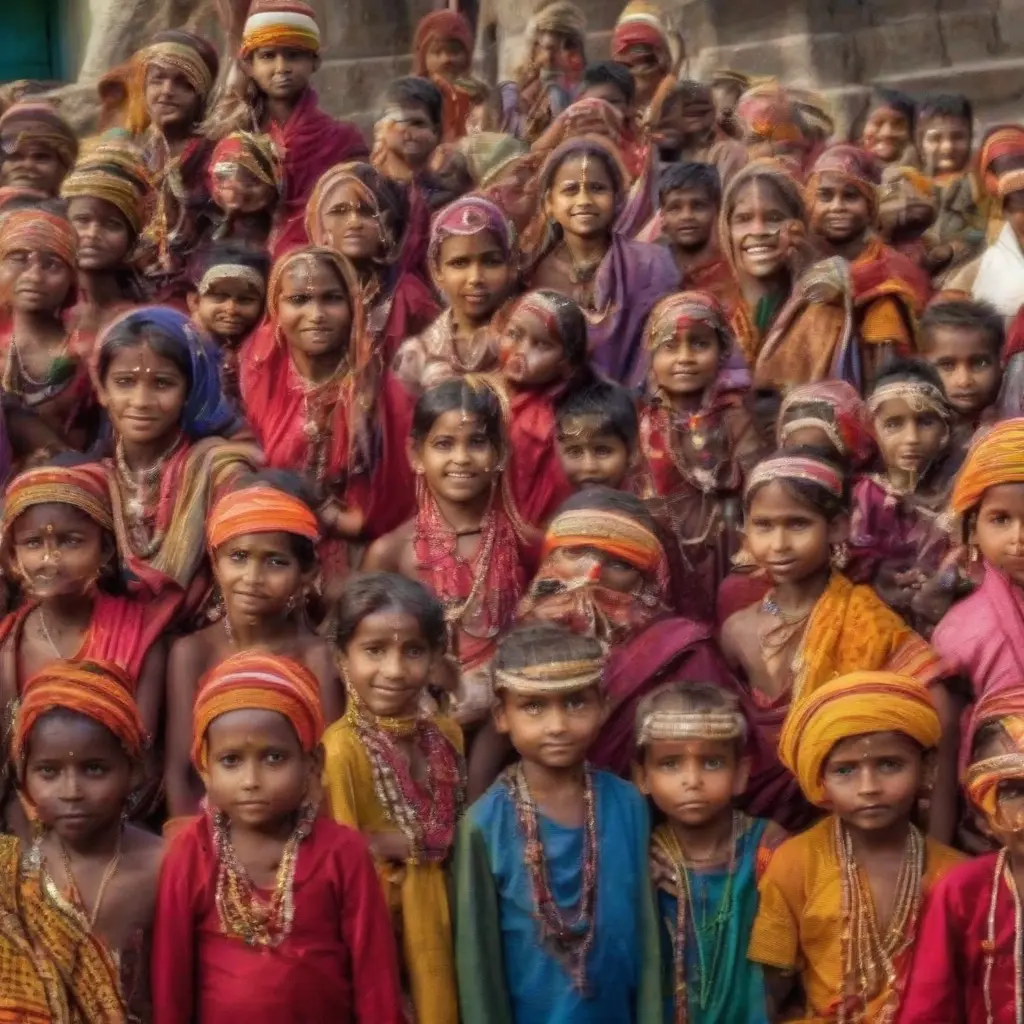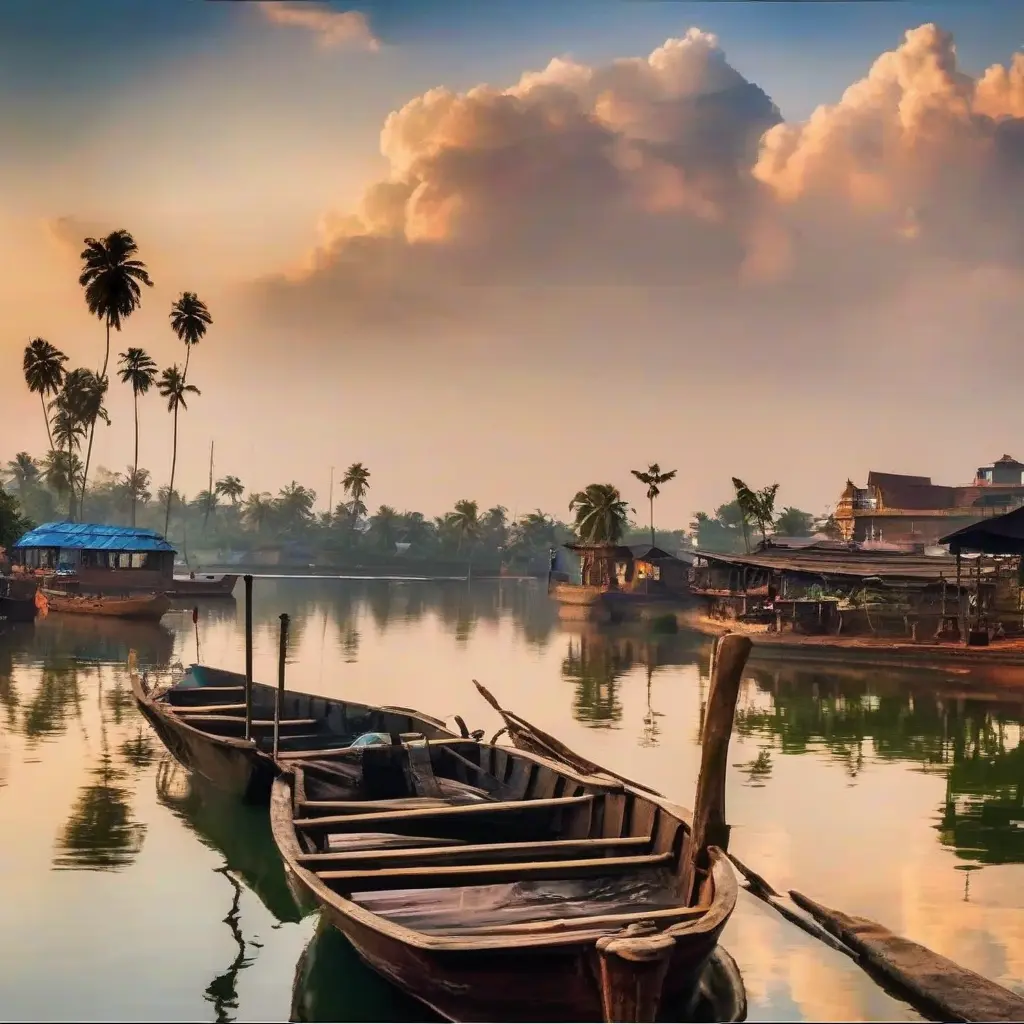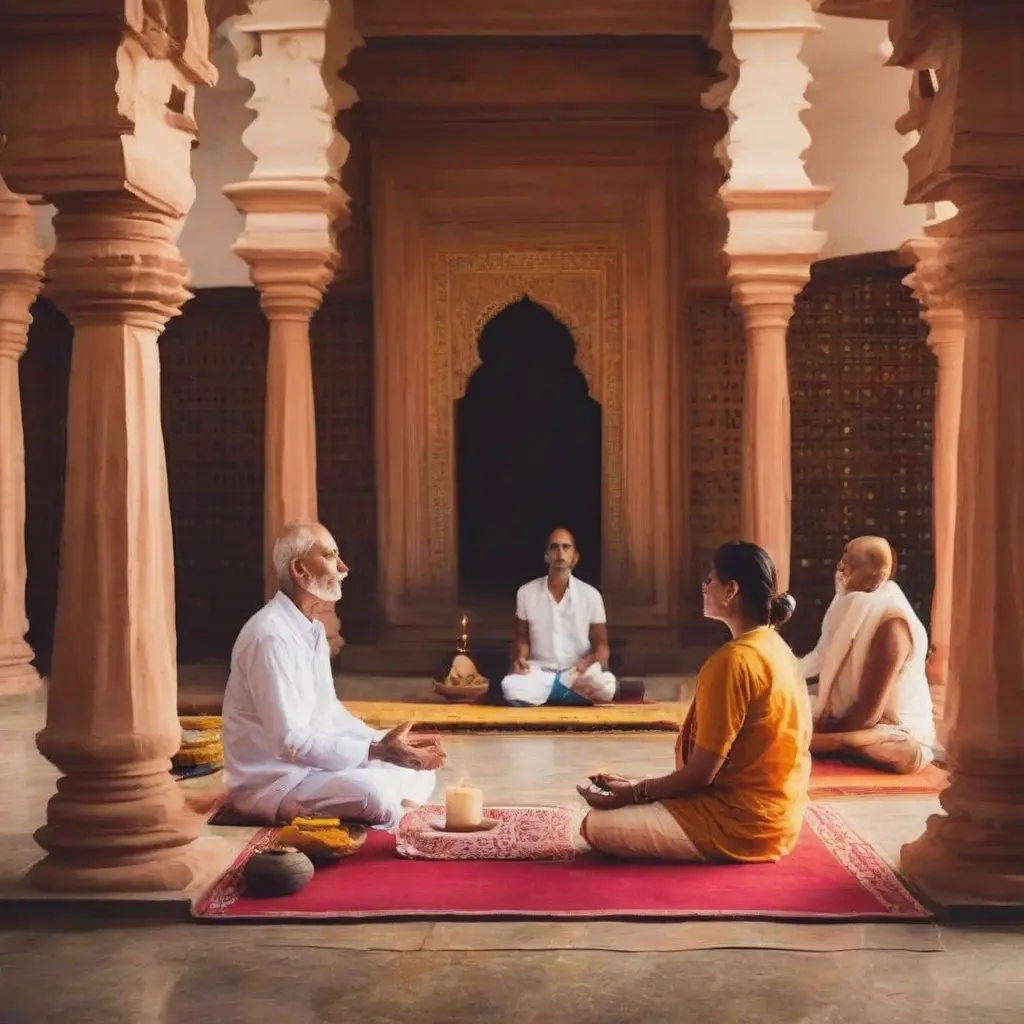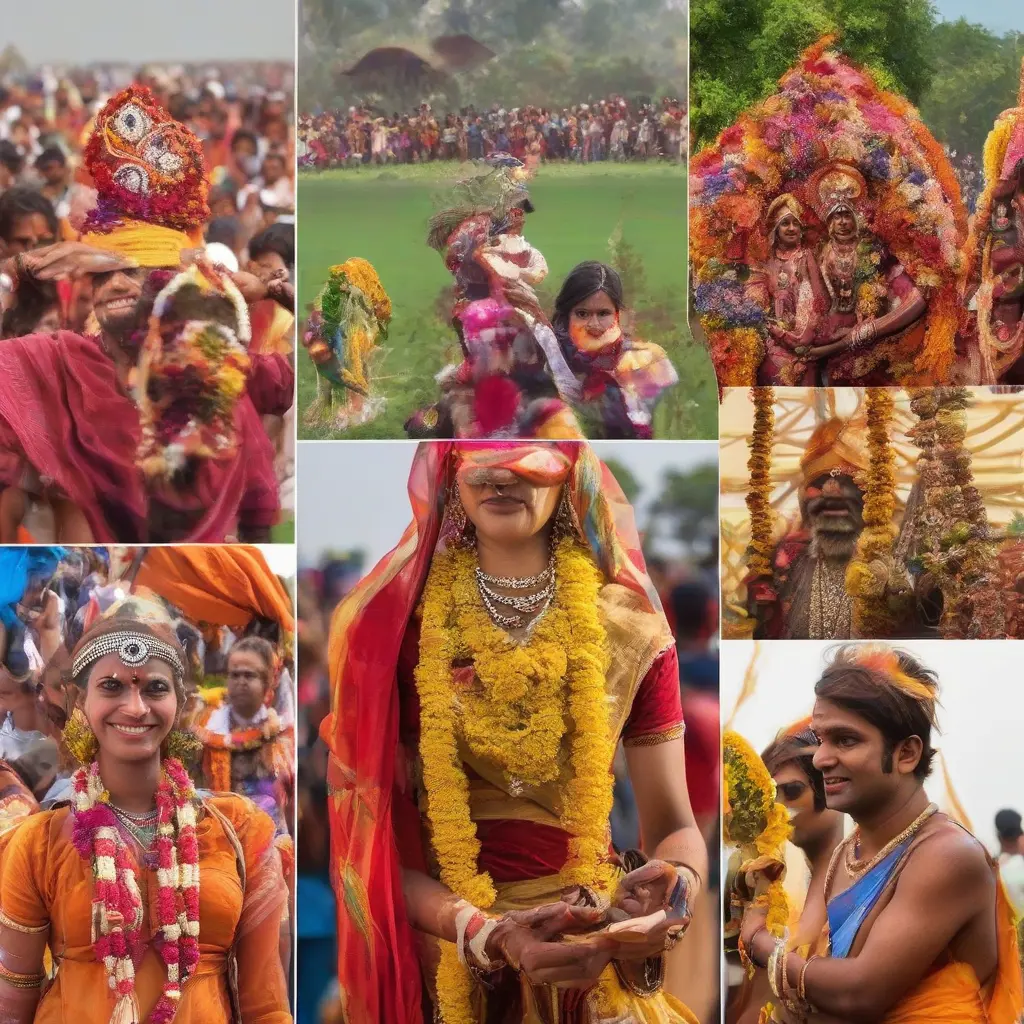
India is a land rich in culture, history, and diversity, and its festivals reflect this vibrant tapestry. With a multitude of regional celebrations, each festival in India offers a unique experience that showcases local traditions, cuisine, and art. From colorful processions to elaborate rituals, festivals provide a glimpse into the heart of Indian communities. This guide highlights 25 unique festivals celebrated across India, offering travelers insight into the significance, history, and festivities that make each event special. Whether you seek religious, cultural, or culinary experiences, these festivals are bursting with unforgettable moments.
Holi: The Festival of Colors
Holi, celebrated in March, is one of India’s most exuberant festivals, marking the arrival of spring. Participants throw colored powders and water at each other, creating a joyous vibrant atmosphere. This festival signifies the victory of good over evil and celebrates love and friendship. In regions like Mathura and Vrindavan, where it has deep religious significance, the celebrations are particularly lively. Travelers can immerse themselves in local traditions, enjoy festive foods, and witness the spirited dances that accompany this colorful event.
Diwali: The Festival of Lights
Diwali, celebrated in October or November, is one of the most important festivals in India, symbolizing the triumph of light over darkness. Homes and streets are illuminated with oil lamps and colorful rangoli designs, creating a magical atmosphere. The festival involves prayers, fireworks, and the exchange of sweets and gifts among families and friends. Cities like Jaipur and Udaipur offer grand celebrations with elaborate decorations, food stalls, and cultural performances. Travelers can experience the warmth of Diwali through local customs and hospitality.
Durga Puja: A Celebration of the Goddess
Durga Puja, particularly celebrated in West Bengal, honors the goddess Durga and her victory over the buffalo demon, Mahishasura. Taking place in September or October, this festival features intricately crafted idols, vibrant processions, and cultural performances. The atmosphere is rich with devotion, art, and community celebration. Travelers can explore the splendid pandals (temporary shrines) adorned with intricate designs and themes, savor local delicacies like puchka, and engage in traditional dances, making it an immersive cultural experience.
Navratri: Nine Nights of Celebration
Navratri is a nine-night festival dedicated to the worship of the goddess Durga, usually celebrated in September or October. Each night represents different aspects of the goddess and is accompanied by traditional dances such as Garba and Dandiya, particularly prominent in Gujarat. The festival culminates in Dussehra, marking the victory of Goddess Durga. Travelers can join the vibrant dance sessions, taste delicious regional food, and experience the fervor of devotion in various regions, each showcasing unique customs and celebrations.
Pongal: A Harvest Festival of South India
Pongal, celebrated in Tamil Nadu, is a four-day harvest festival occurring in mid-January. The festival begins with the preparation of Pongal rice and is celebrated with family gatherings, traditional music, and kite flying. Each day of the festival has its own significance, highlighting gratitude for nature and the harvest. Local communities come together to share food and engage in various cultural activities, making it a perfect opportunity for travelers to witness authentic rural life and culinary traditions of South India.
Onam: The Harvest Festival of Kerala
Onam is Kerala’s most significant festival, celebrated in August or September to mark the homecoming of the mythical King Mahabali. The ten-day celebration is filled with vibrant activities such as traditional boat races, dance performances, and elaborate feasts known as Onam Sadhya. Colorful flower carpets called pookalam adorn homes and public spaces. Travelers can enjoy the rich cultural heritage of Kerala, participate in local festivities, and savor the sumptuous vegetarian feast that symbolizes abundance and community spirit.
Ganesh Chaturthi: Honoring Lord Ganesha
Ganesh Chaturthi, celebrated primarily in Maharashtra, is a ten-day festival honoring Lord Ganesha, the remover of obstacles. Taking place in late August or early September, devotees set up elaborate idols of Ganesha and offer prayers, sweets, and flowers. The festival concludes with a grand procession where the idols are immersed in water. Travelers can witness the vibrant processions, enjoy local delicacies like modaks, and take part in community festivities, offering a unique glimpse into Maharashtrian culture.
Bihu: The Assamese New Year
Bihu is a vibrant festival celebrated in Assam, marking the Assamese New Year and the arrival of spring. The three Bihu festivals—Bohag, Kongali, and Magh—feature traditional dance, music, and communal feasting. Bohag Bihu, celebrated in April, is especially lively, with communities engaging in song and dance. Travelers can enjoy traditional Bihu dance performances and elaborate feasts, understanding the essence of Assamese culture and the joy of welcoming a new year with family and friends.
Makar Sankranti: A Festival of Harvest and Kites
Makar Sankranti is a harvest festival celebrated across India, typically in January, marking the transition of the sun into the zodiac sign of Capricorn. The festival is known for kite flying, particularly in Gujarat and parts of Rajasthan. Families gather on rooftops to soar colorful kites, creating a festive atmosphere. Travelers can participate in local kite-flying events, taste traditional sweets like tilgul, and experience the communal spirit that defines this harvest celebration.
Baisakhi: The Punjabi New Year
Baisakhi, celebrated in April, marks the Punjabi New Year and the harvest season of rabi crops. The festival features lively folk dances like Bhangra and Gidda, accompanied by traditional music and joyous community celebrations. Sikh and Hindu communities celebrate the festival with prayers, feasts, and vibrant fairs. Travelers can immerse themselves in the spirited atmosphere of Punjab through traditional food, music, and dancing, experiencing the rich agricultural heritage and cultural vibrancy of the region.
Kite Festival: The Colorful Celebration of Rajasthani Culture
The Kite Festival, especially prominent in Jaipur, occurs every January during Makar Sankranti, celebrating the art of kite flying. Local and international kite enthusiasts gather to compete in colorful kite battles. Streets filled with vibrant kites and excited crowds create an electrifying atmosphere. Travelers can enjoy street food delicacies, participate in kite-making workshops, and engage with local artisans, providing an authentic experience of Rajasthan’s rich culture and community spirit.
Chhath Puja: A Festival of Sun Worship
Chhath Puja, celebrated mainly in Bihar, Jharkhand, and Uttar Pradesh, is a significant festival dedicated to the Sun God. Observed over four days, devotees offer prayers and perform rituals by riverbanks. The festival emphasizes purity and devotion, as families prepare traditional offerings and engage in community celebrations. Travelers can witness the unique rituals, enjoy traditional foods, and understand the cultural importance of this festival, which highlights the deep-rooted connection between nature and spirituality in Indian culture.
Eid: A Festival of Togetherness and Sharing
Eid is one of the most significant Islamic festivals celebrated across India. Eid al-Fitr marks the end of Ramadan, while Eid al-Adha commemorates the willingness of Ibrahim to sacrifice his son. Observed with prayers, community meals, and the exchange of gifts, this festival fosters togetherness and compassion. Travelers can participate in the festivities, savor traditional dishes like biryani and sweets, and engage in local customs, gaining insight into the rich tapestry of Indian Islamic culture.
Christmas: Celebrating with Joy and Festivity
Christmas, celebrated on December 25th, brings together people of various denominations in India. Festivities include decorating Christmas trees, attending church services, and exchanging gifts. In states like Goa and Kerala, Christmas is marked with vibrant celebrations and local traditions. Special feasts featuring cakes and traditional dishes bring families together. Travelers can experience the warmth of community celebrations, attend midnight masses, and indulge in regional delicacies, offering a unique perspective on how Christmas is celebrated in India.
Gudi Padwa: Maharashtrian New Year
Gudi Padwa is the Maharashtrian New Year, celebrated in March or April, marking the beginning of the spring season. The festival involves raising a Gudi (a decorated pole) symbolizing victory and prosperity. Traditional sweets, vibrant processions, and the performance of folk dances are integral to the celebrations. Travelers can engage in the festivities, enjoy regional delicacies, and experience the unique traditions of Maharashtra, highlighting the sense of community and joy that defines this festival.
Bihu: A Festival of Dance and Music
Bihu, celebrated in Assam, comprises three distinct festivals throughout the year, each representing the agricultural cycle. Bohag Bihu in April is especially vibrant, featuring traditional dances like the Bihu dance, showcasing the region’s rich cultural heritage. The festival celebrates the onset of the agricultural season with music, dance, and feasting. Travelers can witness the spectacular performances, delve into local traditions, and taste authentic Assamese cuisine, making it an unforgettable cultural immersion.
Vaisakhi: A Vibrant Punjabi Festival
Vaisakhi, celebrated primarily in Punjab, marks the beginning of the harvest season and the Punjabi New Year in April. The festival is characterized by lively Bhangra and Gidda dances, colorful processions, and traditional music. Sikh communities celebrate Vaisakhi with prayers and communal feasts, emphasizing sharing and togetherness. Travelers can experience the infectious energy of Punjabi culture, partake in local festivities, and savor traditional dishes, offering an engaging and joyful exploration of this vibrant festival.
Maha Shivratri: The Night of Lord Shiva
Maha Shivratri, observed in February or March, is a significant Hindu festival dedicated to Lord Shiva. Devotees fast, chant prayers, and engage in night-long vigils to honor the deity. The festival signifies overcoming darkness and ignorance, embodying the spiritual essence of Hindu beliefs. Major temples, especially in Varanasi and Ujjain, observe grand celebrations with elaborate rituals. Travelers can participate in the spiritual atmosphere, witness traditional ceremonies, and experience the profound faith that marks this important festival.
Losar: Celebrating Tibetan New Year
Losar is the Tibetan New Year, celebrated predominantly in Ladakh and among Tibetan communities in India. The festival typically occurs in February or March and is marked by family gatherings, prayers, and cultural performances. Rituals include offerings to deities and traditional feasts featuring local dishes. Travelers can experience the unique customs of Tibetan culture, enjoy vibrant dance performances, and gain insight into the rich heritage of the Tibetan people during this spectacular celebration.
Gudi Padwa: Welcoming the New Year in Maharashtra
Gudi Padwa marks the traditional New Year in Maharashtra, usually celebrated in March or April. Festivities include erecting a Gudi, symbolizing victory and prosperity, adorned with flowers and mango leaves. The day is filled with family gatherings, traditional sweets like puran poli, and cultural activities. Travelers visiting Maharashtra can engage with the local customs, participate in the joyous celebrations, and savor the culinary delights, offering an immersive experience into Maharashtrian culture.
Janmashtami: Birth of Lord Krishna
Janmashtami celebrates the birth of Lord Krishna, observed in August or September. The festival involves fasting, devotional singing, and reenactments of stories from Krishna’s life. In cities like Mathura and Vrindavan, elaborate celebrations and midnight processions bring communities together. Travelers can witness vibrant rituals, enjoy festive foods, and participate in local festivities, gaining a deeper understanding of Hindu traditions and the cultural significance of this joyous occasion.
Conclusion
India’s diverse festivals are a testament to its rich cultural fabric, offering travelers unique opportunities to engage with local traditions and communities. Each festival, from Holi to Diwali, presents its own narrative, steeped in history, rituals, and celebrations. By partaking in these events, travelers not only witness but also contribute to the living culture of India. Whether through colorful parades, traditional customs, or delicious regional cuisines, each festival enriches the travel experience and fosters a deeper connection to this vibrant land.