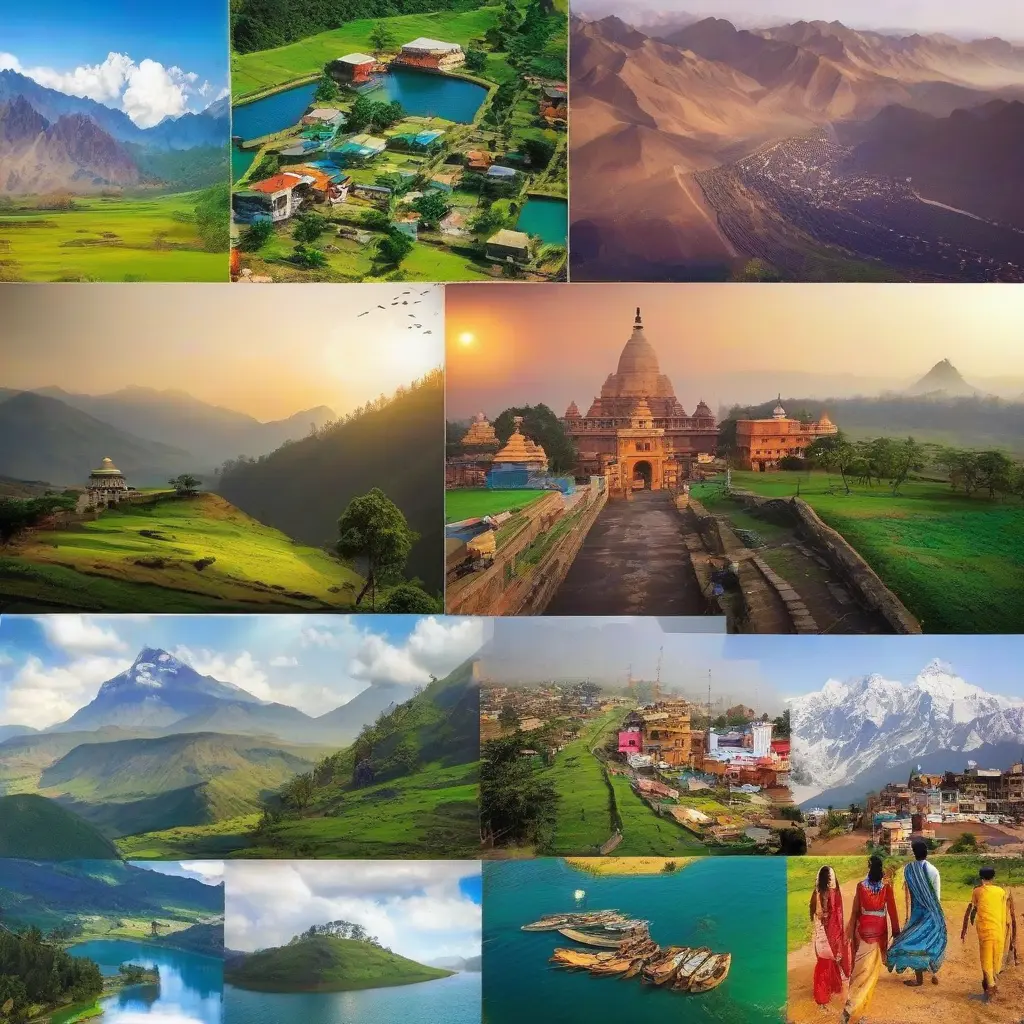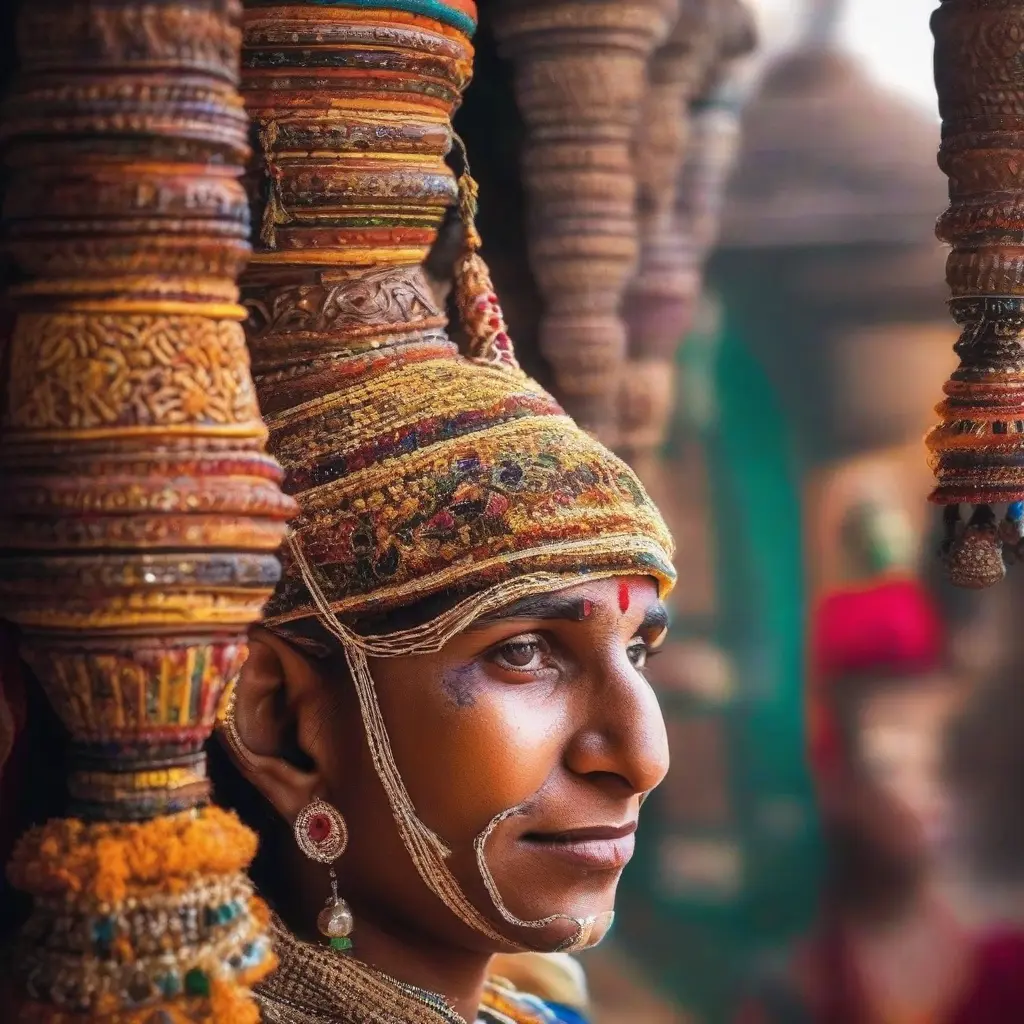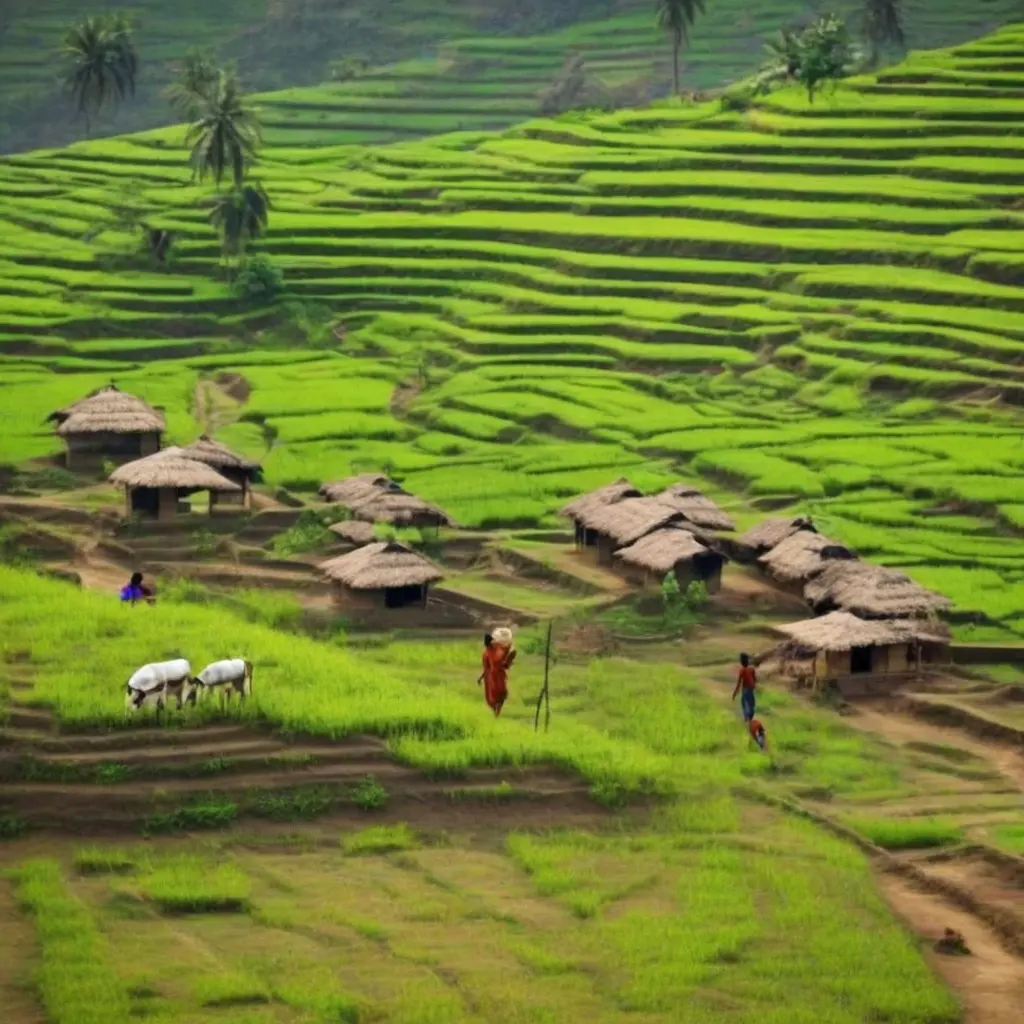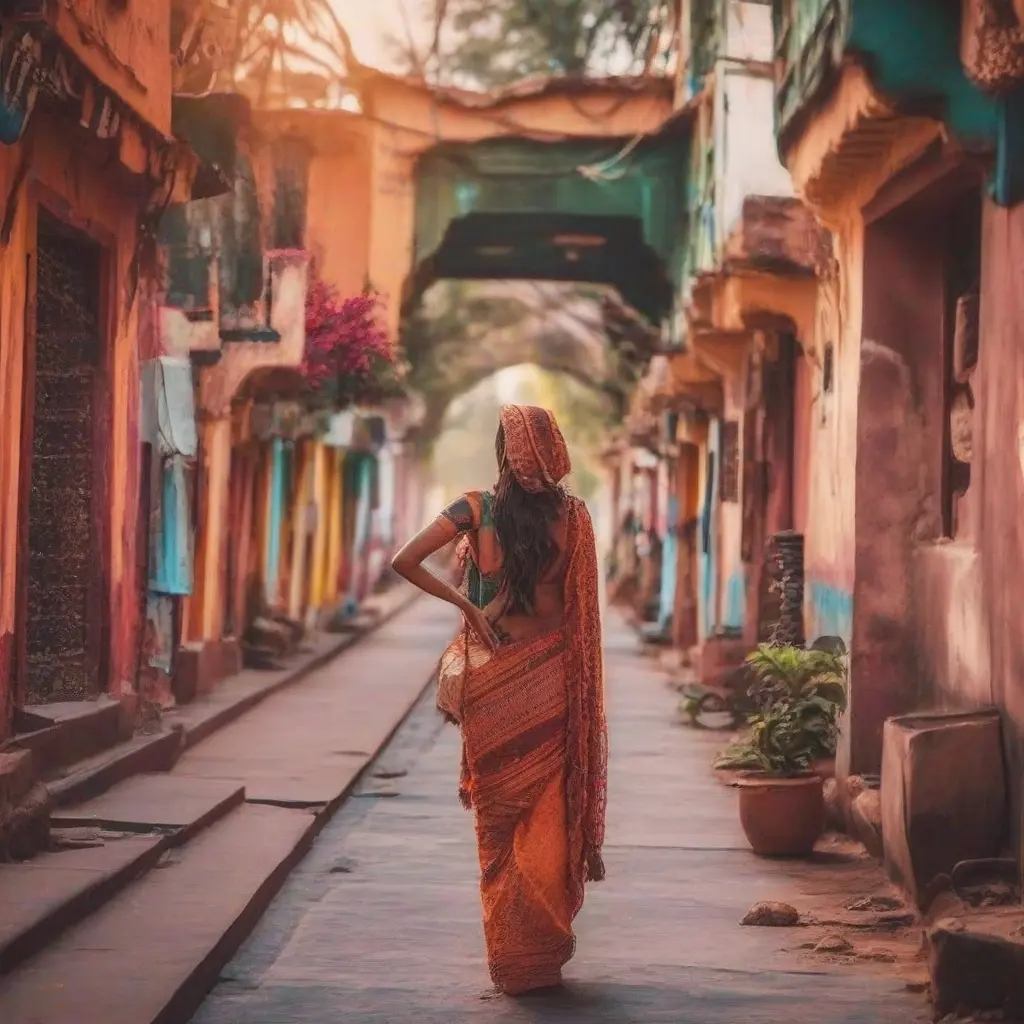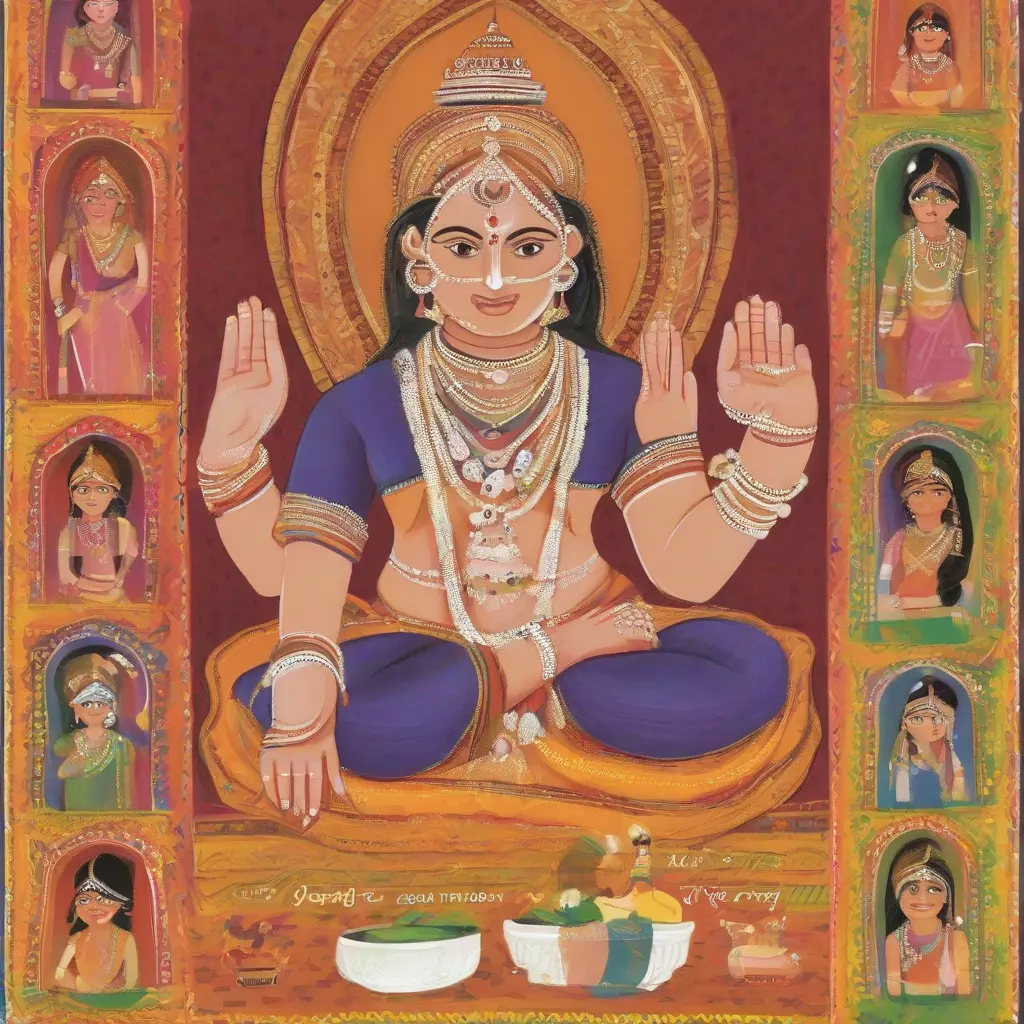
India is a tapestry of cultures, traditions, and histories that span thousands of years. Each region holds unique customs, art forms, and languages, making it essential for travelers to gauge the depth of this diversity. This article presents 25 cultural travel guides that will enhance your understanding of India’s vast heritage. From the intricate festivals of Rajasthan to the spiritual roots of Varanasi, these guides will equip you with insights that allow you to explore the mesmerizing facets of Indian culture thoughtfully and respectfully.
Exploring the Festivals of India
India is renowned for its vibrant festivals that reflect the country’s diverse cultures. Every state has its unique celebrations, such as Diwali, Holi, and Eid. Each festival presents an opportunity to experience community spirit, traditional music, and dance, as well as delicious cuisine. Understanding the significance of these festivals can enrich your travel experience by allowing you to engage authentically with local communities and partake in age-old traditions.
Architectural Marvels Across India
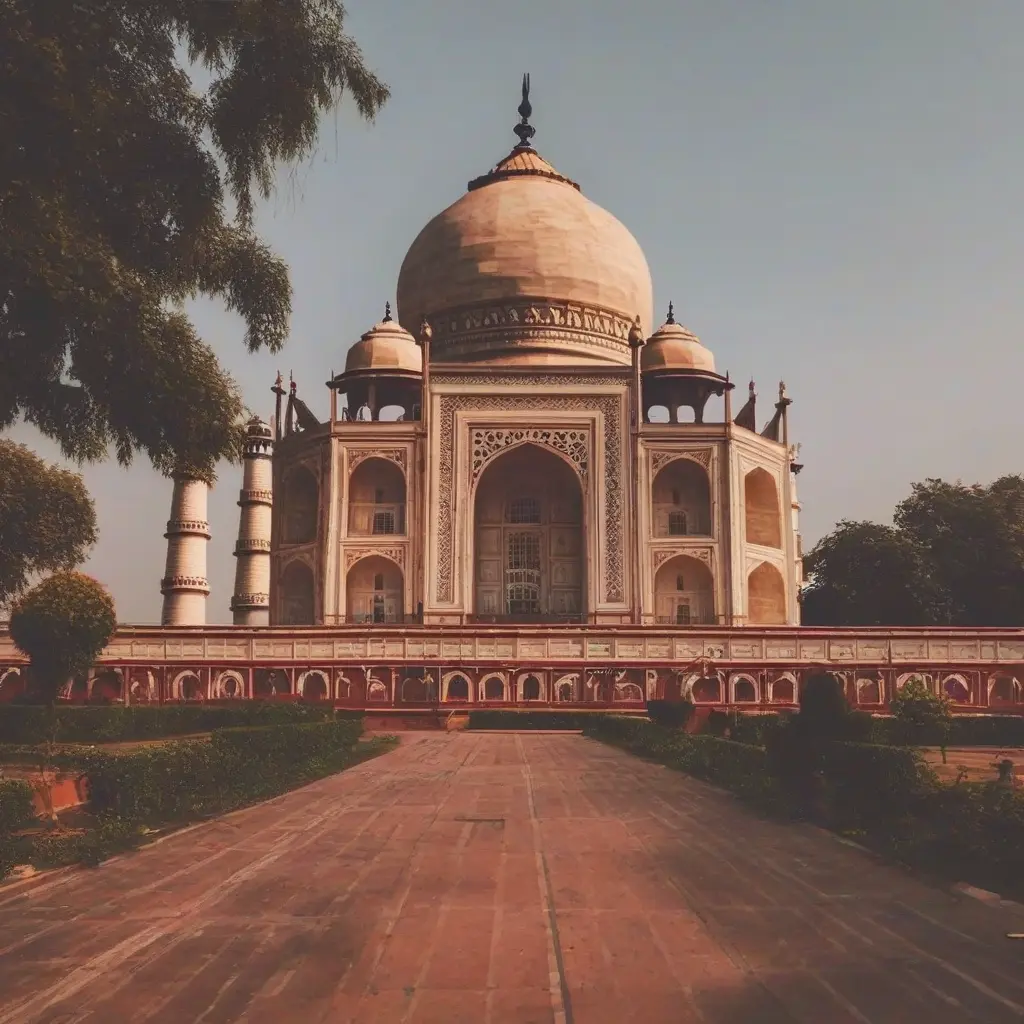
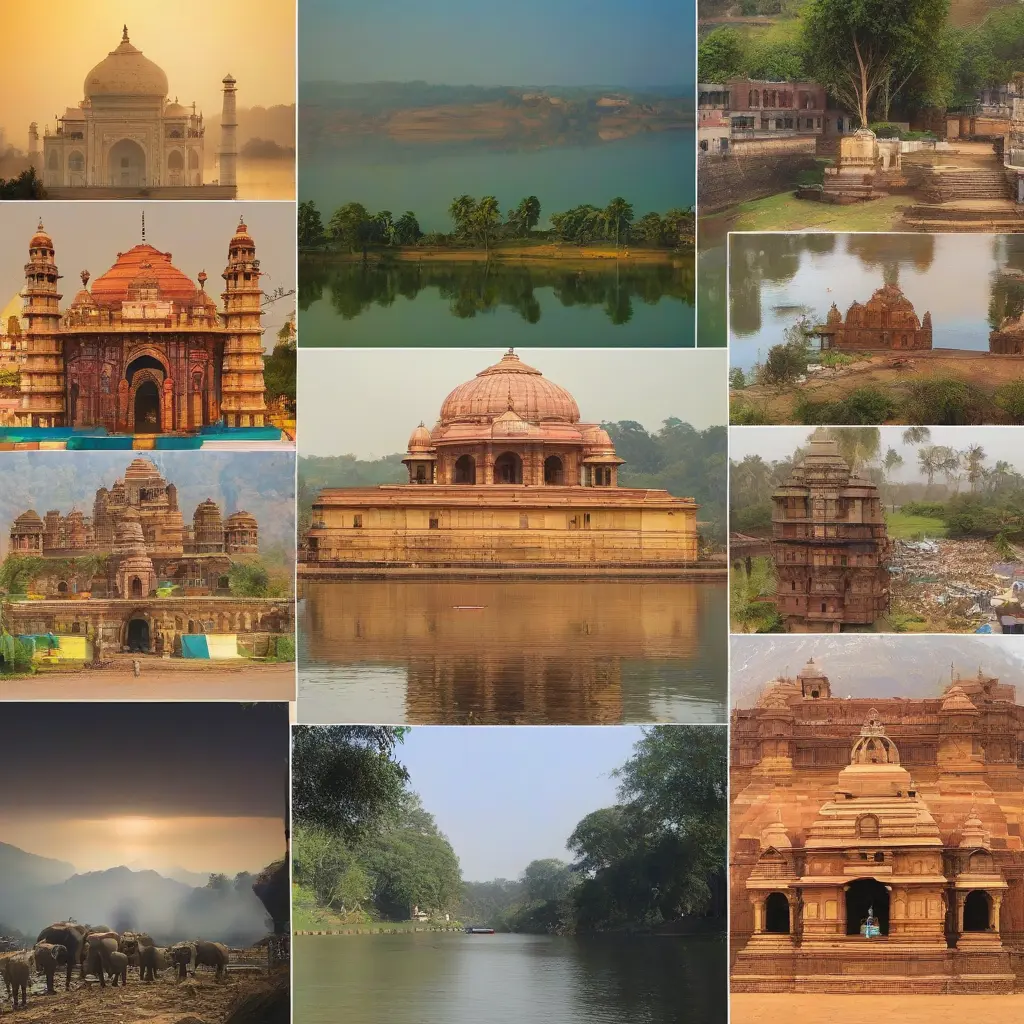
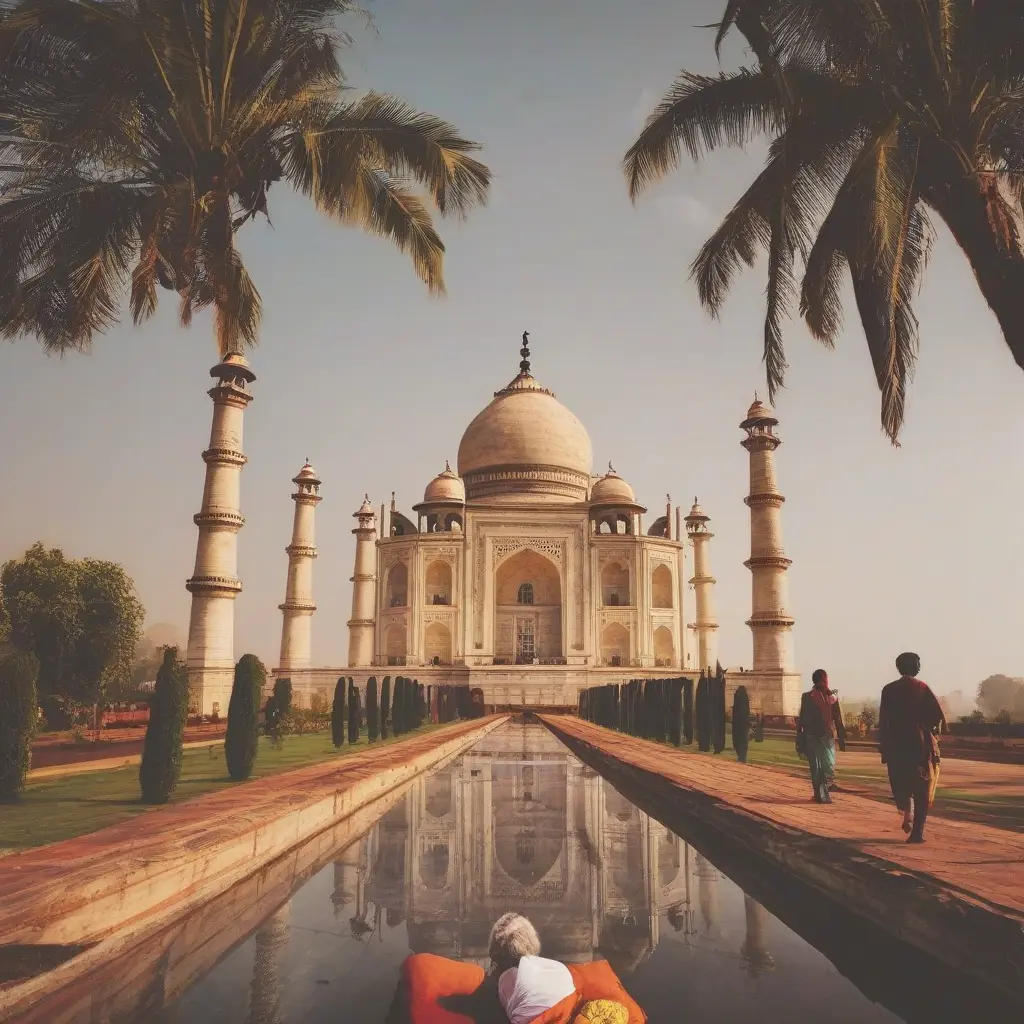
India’s architectural landscape showcases a blend of ancient and modern styles influenced by various cultures. Iconic structures like the Taj Mahal, Qutub Minar, and Hampi’s ruins highlight the country’s rich history. Apart from these famous monuments, lesser-known temples and colonial buildings also tell fascinating stories. By exploring these architectural wonders, travelers gain insights into the artistic and historical context that has shaped India over millennia.
Culinary Journey Through Regional Cuisines
Indian cuisine is incredibly diverse, with each region boasting its unique flavors, cooking styles, and traditional dishes. From the spicy curries of South India to the rich gravies of North India, the culinary experience is vast. Engaging with local chefs or taking cooking classes can deepen your understanding of Indian food culture. Exploring local markets and street food stalls also offers a delightful glimpse into the everyday lives of the people.
Bharatanatyam: The Dance of Tamil Nadu
Bharatanatyam is one of the oldest classical dance forms in India, originating from Tamil Nadu. This intricate dance form combines expressive gestures, rhythmic footwork, and emotive storytelling. Delving into Bharatanatyam offers insights into the religious and cultural significance it holds in South Indian society. Participating in workshops or attending performances can enrich your understanding and appreciation of this cultural gem.
Ayurveda: Traditional Indian Medicine
Ayurveda is an ancient system of medicine that emphasizes balance in the body and mind through natural remedies and lifestyle practices. Exploring Ayurveda can provide travelers with holistic ways to maintain well-being during their journeys. Wellness retreats in Kerala or Rishikesh often offer authentic Ayurvedic treatments, educational workshops, and experiential learning, allowing travelers to connect with this integral aspect of Indian culture.
The Art of Indian Handicrafts
India’s handicrafts are a testament to its rich artistic traditions, ranging from textiles to pottery. Each region specializes in particular crafts, such as the intricate block printing of Rajasthan or the fine embroidery of Lucknow. Visiting local artisan workshops and rural markets not only supports the craft but also provides insight into the skills passed down through generations. Engaging with artisans can deepen your appreciation for their art and the cultural stories behind their work.
Spiritual Practices in Varanasi
Varanasi, one of the oldest continuously inhabited cities in the world, serves as a spiritual hub for Hindus. The city is renowned for its ghats along the Ganges River, where rituals and ceremonies unfold daily. Understanding these spiritual practices, such as aarti or the cremation ceremonies, can offer travelers profound insights into Hindu beliefs and values. A visit to Varanasi invites a deeper engagement with spirituality, history, and local life.
Exploring the Languages of India
India is a linguistic mosaic with more than 1,600 languages spoken across its diverse regions. Hindi and English serve as official languages, yet regional languages such as Bengali, Tamil, and Punjabi enrich the country’s cultural fabric. Learning a few phrases in the local dialect can greatly enhance interactions and portray respect for the local culture. Engaging with locals in their language fosters deeper connections and understanding during your travels.
The Rich Tapestry of Indian Literature
Indian literature spans centuries, encompassing a wealth of stories, poetry, and philosophical texts. From the ancient epics of the Mahabharata and Ramayana to contemporary authors like Arundhati Roy and Salman Rushdie, literature offers profound insights into Indian society. Engaging with local bookstores or literary festivals can deepen your appreciation for the cultural narratives that shape the nation. Reading Indian literature adds another layer to your travel experience.
The Diversity of Indian Clothing
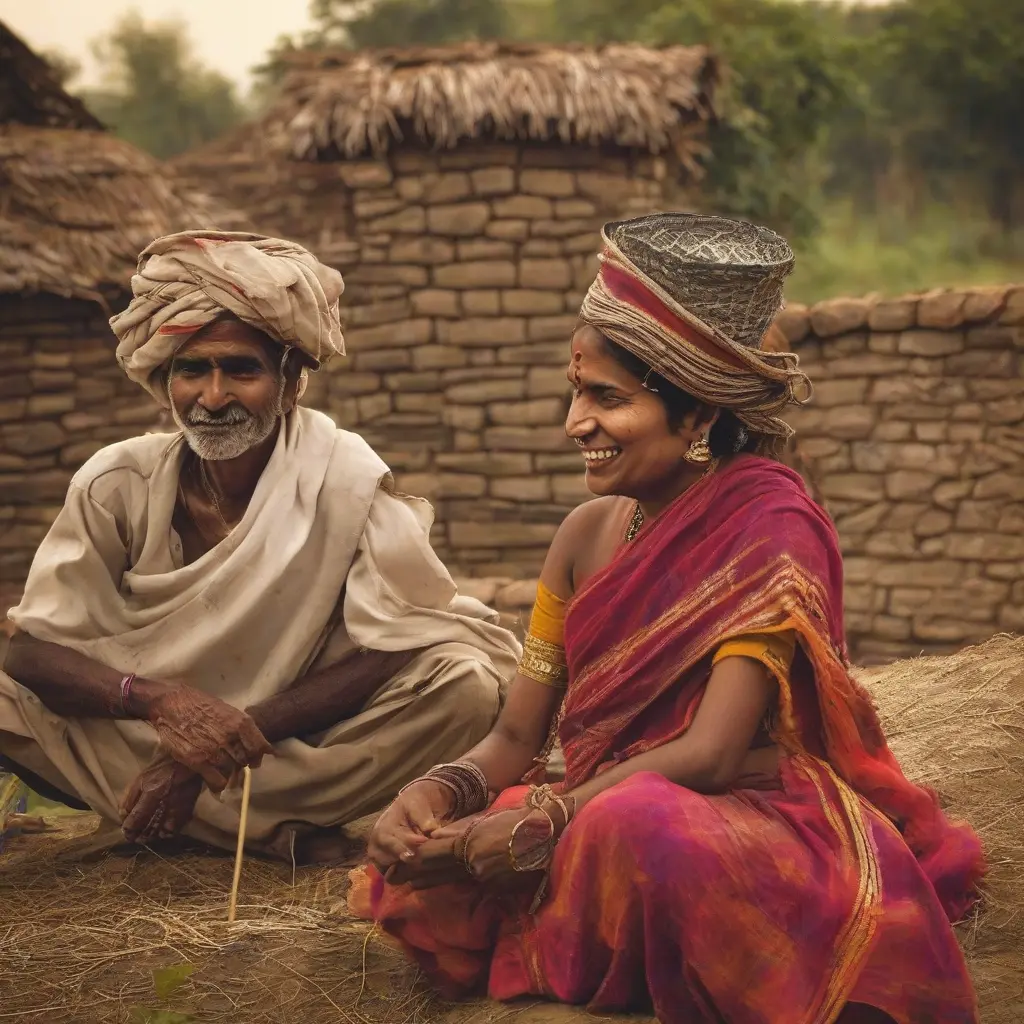
Clothing in India varies widely by region, reflecting the diverse cultural identities of its people. Traditional attire such as sarees, turbans, and dhotis often tells stories of the wearer’s background and beliefs. Exploring local textile markets and various traditional garments allows travelers to appreciate the craftsmanship and the significance of clothing in Indian culture. Additionally, understanding fashion trends and regional styles can enhance your awareness of contemporary societal norms.
Traditional Music of India
India’s musical heritage is deeply rooted in its culture, with classical music genres such as Hindustani and Carnatic showcasing complex structures and improvisation. Folk music varies widely across regions, corresponding to local traditions and celebrations. Attending live performances or music festivals can provide a rich auditory experience and insight into the role of music in Indian communities. Engaging with local musicians can reveal stories behind the melodies that reflect cultural sentiments.
Pilgrimage Sites Across India
India is home to numerous pilgrimage sites that hold religious significance for various faiths, including Hinduism, Buddhism, and Sikhism. Sites like the Golden Temple in Amritsar and Bodh Gaya draw millions of pilgrims each year. Understanding the historical and spiritual importance of these destinations enhances the travel experience, allowing visitors to appreciate the deep-rooted traditions that shape the beliefs and practices of millions.
The Influence of Bollywood in Culture
Bollywood, the Hindi-language film industry based in Mumbai, plays a significant role in shaping contemporary Indian culture. The vibrant narratives, music, and dance sequences often reflect societal values, loves, and struggles. Exploring the influence of Bollywood on daily life and fashion provides insights into modern cultural dynamics. Engaging with Bollywood movies and attending film screenings can deepen your understanding of India’s cultural evolution.
Sustainable Tourism in India
Sustainable tourism has gained momentum in India, promoting responsible travel while preserving local cultures and environments. Eco-friendly lodges, community-based tourism, and ethical wildlife experiences are increasingly available. Understanding these practices encourages travelers to engage with local communities positively. By promoting sustainability, visitors can enjoy the rich heritage while ensuring that they contribute to the conservation of local cultures and natural resources.
The Spirituality of Yoga and Meditation
Yoga and meditation originated in India and form a core part of its cultural identity. Many travelers visit to deepen their practice, attend retreats, or learn from experts in places like Rishikesh and Kerala. Different styles and philosophies coexist, offering diverse experiences. Understanding the historical roots and spiritual significance of these practices can profoundly impact personal growth and well-being during one’s travels in India.
Heritage Walks in Historical Cities
Heritage walks in cities like Jaipur, Delhi, and Kolkata offer unique opportunities to explore local history and architecture from a different perspective. Guided tours highlight significant landmarks and untold stories, providing deeper insights into the city’s evolution. Participants gain a better appreciation of the cultural and historical contexts while interacting with locals. These walks emphasize the importance of preserving cultural heritage while enhancing the travel experience.
Urban Culture in Indian Metropolises
India’s major cities, including Mumbai, Delhi, and Bengaluru, serve as melting pots of modernity and tradition. These urban areas showcase a blend of cultures through art, cuisine, and lifestyle. Exploring street art, trendy cafes, and contemporary theatrical performances provides a glimpse of how ancient traditions coexist with modern influences. Engaging with urban culture allows travelers to experience the dynamic changes shaping India’s future.
Importance of Community Involvement in Culture
Community involvement plays a crucial role in preserving and promoting India’s rich heritage. Local initiatives often encourage participation in cultural events, crafts, and festivals, fostering community spirit. Understanding the importance of grassroots movements enhances the travel experience, as travelers can actively contribute to and learn from local traditions. Engaging with community initiatives allows for more meaningful interactions and greater cultural appreciation.
Experiencing Rural Life in India
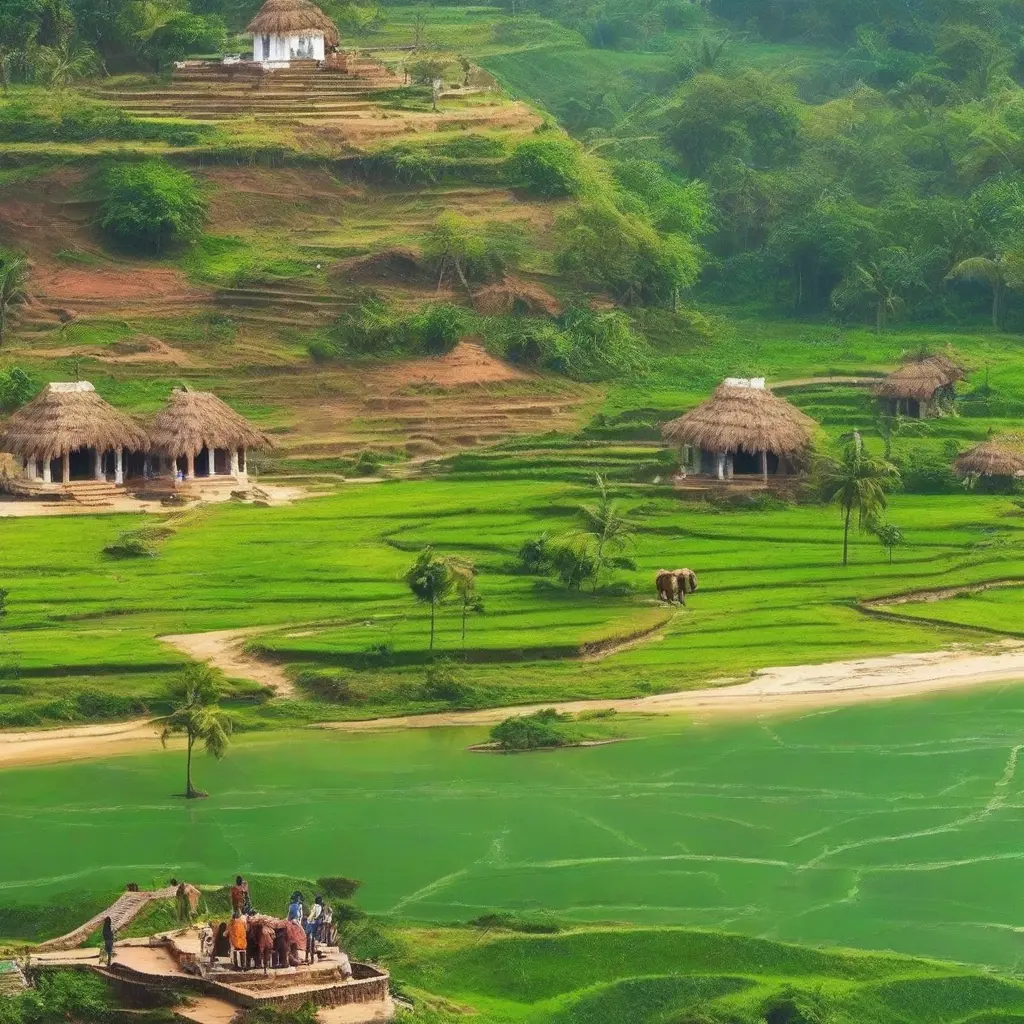
Rural India offers an entirely different perspective on the nation’s cultural fabric. Visiting villages allows travelers to engage with traditional lifestyles and practices, from agriculture to handicrafts. Experiencing rural life highlights the contrast between urban and agricultural societies and fosters a deeper appreciation for local traditions. Participating in village activities can create lasting memories and broaden one’s understanding of India’s diverse living cultures.
Indian Art Forms: Painting and Sculpture
Traditional Indian art forms range from intricate paintings like Madhubani and Warli to exquisite sculptures found in ancient temples. Each art form tells a unique story and often reflects religious or cultural themes. Exploring local galleries, taking art classes, or visiting workshops can provide insights into the techniques employed by artists. Understanding these art forms enriches a traveler’s experience, fostering appreciation for the cultural narratives they embody.
Environmental Consciousness in Traditional Practices
Many traditional practices in India emphasize a deep connection to nature, reflecting environmental consciousness. Craftspeople use sustainable materials, while local farming practices often favor biodiversity. Understanding these practices can inspire travelers to appreciate eco-friendly approaches within cultural contexts. By engaging with local customs, travelers not only learn about sustainability but also promote respect for the natural world, which is integral to many Indian communities.
Conclusion
Understanding India’s diverse heritage requires a multifaceted approach that encompasses its languages, arts, spirituality, and traditions. Engaging with the various cultural aspects enhances travelers’ experiences, fostering deeper connections with the local communities. By exploring the 25 cultural travel guides highlighted in this article, visitors can enrich their journey while contributing positively to India’s heritage. This exploration not only leads to personal growth but also celebrates the collective identity that defines India.