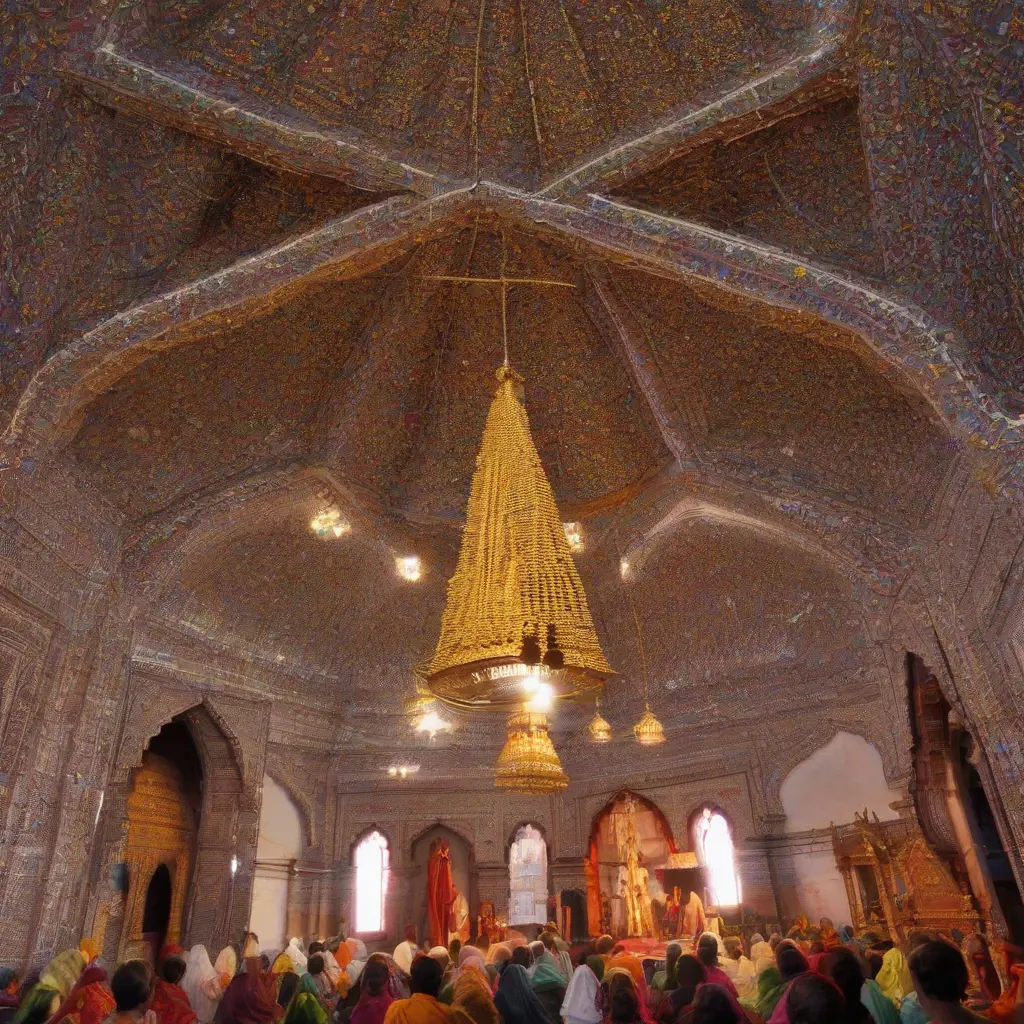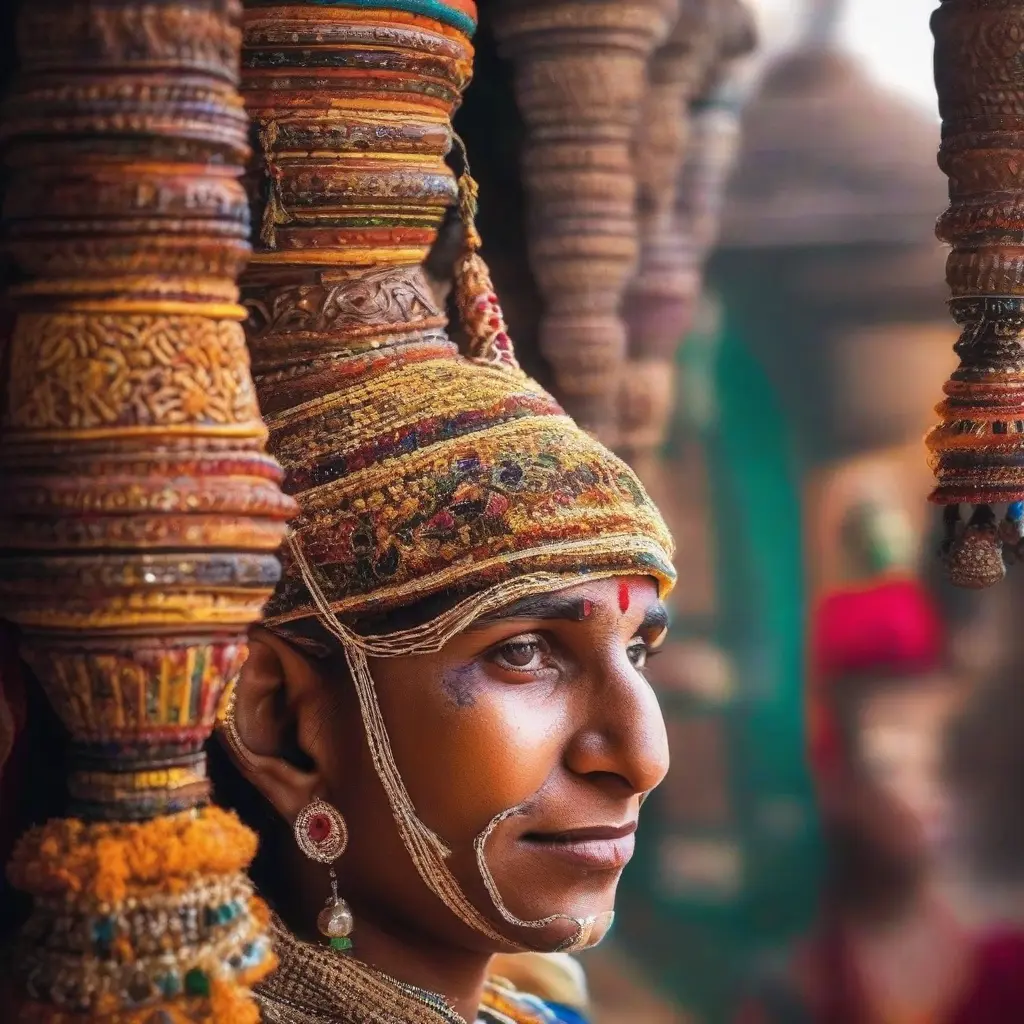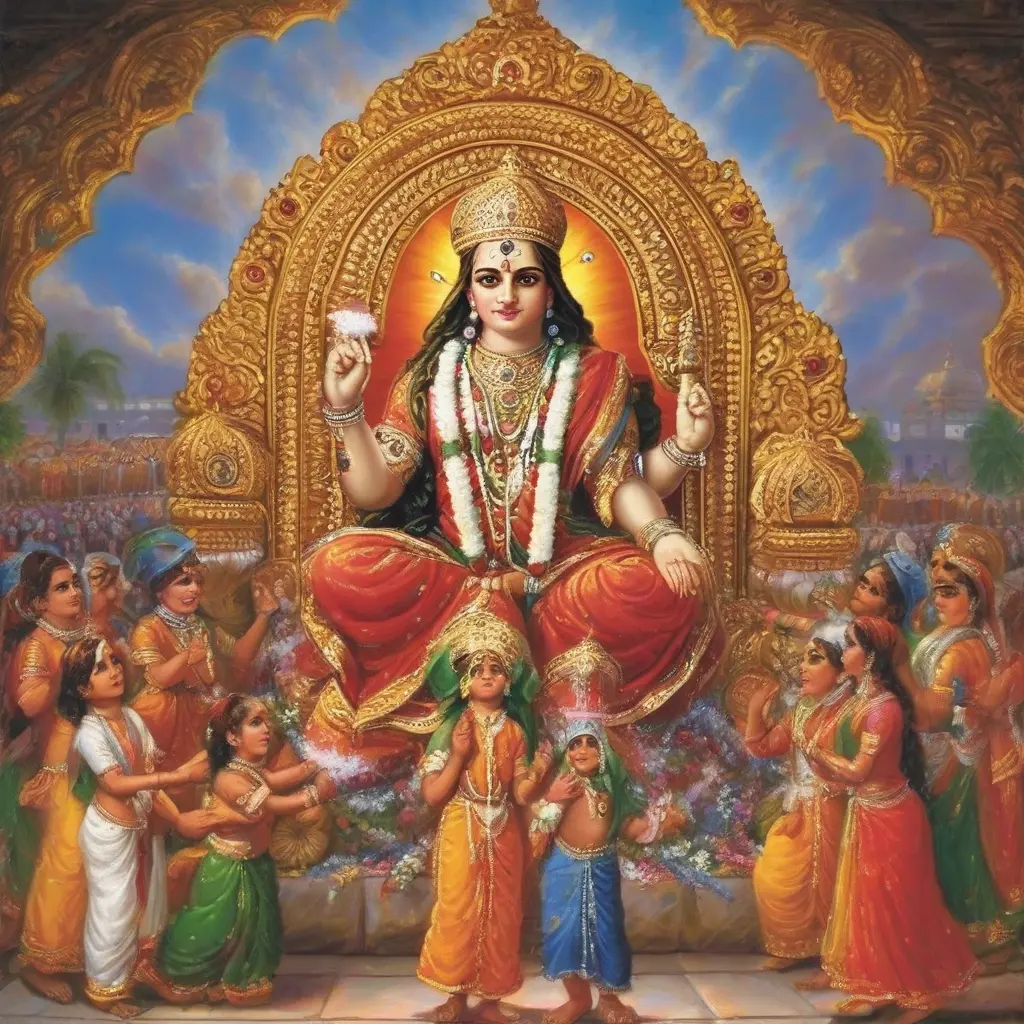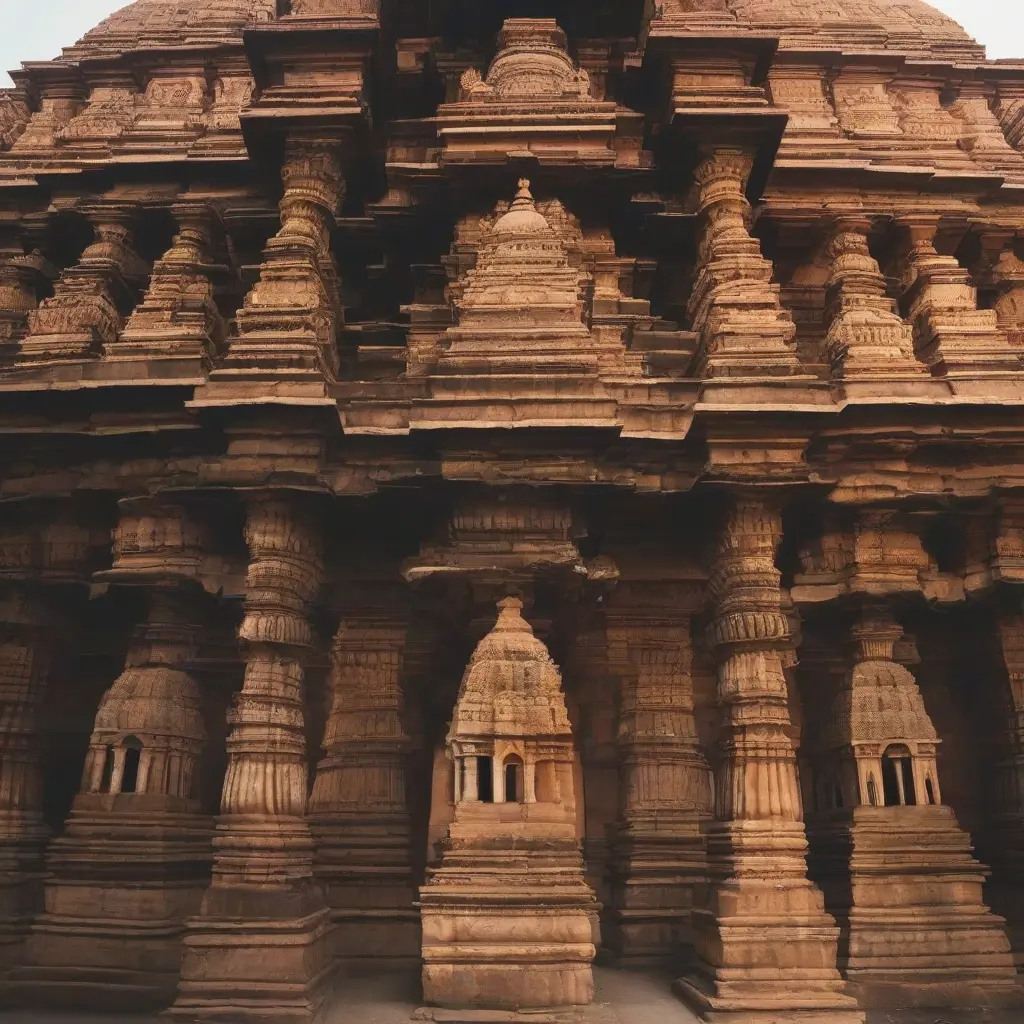
India, a land rich in spirituality and cultural heritage, offers numerous sacred temples that serve as places of worship and pilgrimage. From the majestic Himalayas to the serene coasts, the temples reflect the diverse traditions and beliefs of the Indian populace. This guide provides an insightful journey through 15 significant temples that promise not only spiritual enlightenment but also a deep connection to India’s rich history and culture. Each temple embodies unique architectural brilliance, rituals, and a sense of community, making them invaluable to both devotees and travelers.
1. Varanasi: Kashi Vishwanath Temple
Kashi Vishwanath Temple in Varanasi is one of the most revered Hindu shrines dedicated to Lord Shiva. Situated on the banks of the Ganges River, this temple attracts millions of pilgrims annually. Its history dates back to ancient times, with numerous renovations over centuries. The temple’s golden spire and intricate architecture signify the brilliance of Hindu artistry. Pilgrims visit the temple to seek blessings, especially during Mahashivratri, making it a focal point of spiritual activity and cultural traditions.
2. Ayodhya: Ram Janmabhoomi
Ayodhya is known as the birthplace of Lord Rama and hosts the Ram Janmabhoomi Temple, a site of immense religious significance. The temple, which is built at the exact location believed to be Lord Rama’s birthplace, symbolizes the ideals of dharma and righteousness. Its construction has brought together devotees from far and wide, making it a center for spirituality and activism. The ongoing developments around the temple also highlight the intertwining of faith, culture, and modern India.
3. Tirupati: Venkateswara Temple
The Venkateswara Temple in Tirupati is one of the richest and most visited pilgrimage sites in the world. Dedicated to Lord Venkateswara, an incarnation of Vishnu, this temple is famed for its elaborate rituals and the famous ‘darshan’ experience. The intricate wood carvings and golden roofs add to its magnificent appearance. Devotees often offer hair as a part of their gratitude, making it a unique cultural practice. The temple is surrounded by lush greenery, adding to its serene atmosphere and spiritual allure.
4. Rishikesh: Neelkanth Mahadev Temple
Neelkanth Mahadev Temple, located near Rishikesh, is dedicated to Lord Shiva and is situated amidst the breathtaking landscapes of the Himalayan foothills. This temple holds great significance, particularly for its association with the legend of the Samudra Manthan. Its tranquil surroundings and the belief that Shiva is the protector of devotees make it a sought-after destination for spiritual seekers. Visitors often engage in meditation and yoga at this serene location, further enhancing their spiritual experience.
5. Puri: Jagannath Temple
The Jagannath Temple in Puri is a prominent pilgrimage site for followers of Lord Jagannath, who is considered an incarnation of Lord Krishna. This temple is famous for its annual Rath Yatra, where chariots of the deities are paraded through the streets, attracting thousands of devotees. Its architecture is a brilliant example of Kalinga style, with intricately carved structures. The temple not only serves as a place of worship but also fosters a sense of community and devotion among its visitors.
6. Amritsar: Golden Temple
The Golden Temple, or Harmandir Sahib, is the holiest Gurdwara of Sikhism, located in Amritsar. Its magnificent golden façade and serene water pool reflect the ideals of equality and inclusivity. Millions visit this temple to experience spiritual solace and partake in the tradition of ‘Langar,’ where free meals are served to all, regardless of background. The temple’s architecture combines Indo-Islamic styles, making it a stunning example of cultural harmony. This sacred site serves as a reminder of compassion and unity.
7. Khajuraho: Kandariya Mahadev Temple
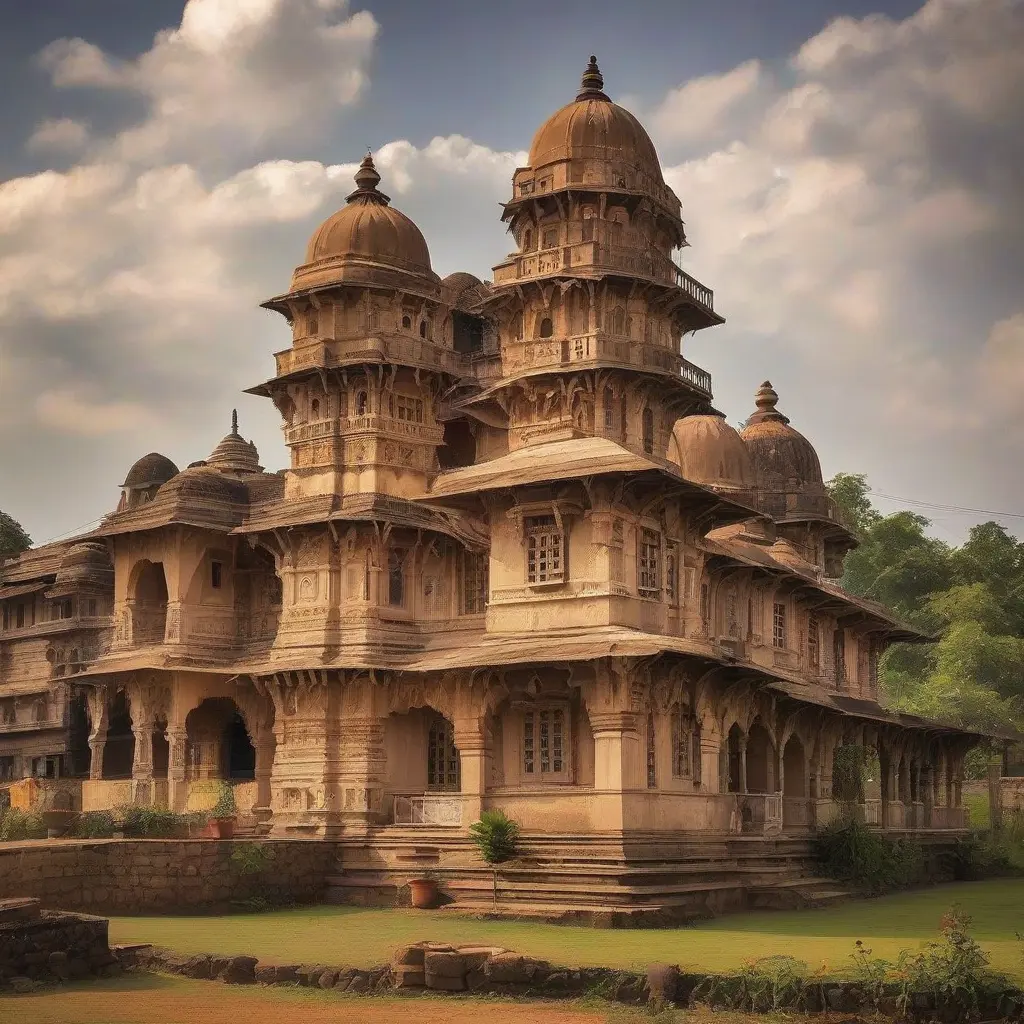
Kandariya Mahadev Temple, built during the Chandela dynasty, is known for its stunning sculptures and intricate carvings depicting various aspects of life. Located in Khajuraho, this UNESCO World Heritage Site is dedicated to Lord Shiva and showcases the artisanship of ancient India. The temple also highlights the importance of spirituality intertwined with human existence. Visitors marvel at the detailed artwork, which conveys stories and lessons about devotion, love, and togetherness.
8. Madurai: Meenakshi Amman Temple
Meenakshi Amman Temple in Madurai is a splendid example of Dravidian architecture, dedicated to Goddess Meenakshi and her consort, Sundareshwarar. The temple’s towering gopurams (gateway towers) and intricate sculptures draw thousands of pilgrims each year. The vibrant festivals celebrated here, especially Meenakshi Thirukalyanam, attract visitors who wish to be part of the lavish celebrations. This temple not only serves as a spiritual center but also as a cultural hub, showcasing Tamil traditions and artistry.
9. Haridwar: Har Ki Pauri
Har Ki Pauri, situated in Haridwar, is one of the most sacred ghats on the Ganges River. It is renowned for the Kumbh Mela, which occurs every 12 years, attracting millions of pilgrims. The site is believed to be the spot where Lord Vishnu left his footprint, adding to its spiritual significance. Visitors come here to witness the evening Ganga Aarti, a magnificent spectacle of devotion and ritual. This sacred site embodies the essence of river worship in Indian culture.
10. Udaipur: Jagdish Temple
Jagdish Temple in Udaipur, dedicated to Lord Vishnu, is an exemplary model of Indo-Aryan architecture. The temple features exquisite sculptures and carvings, representing the high level of craftsmanship during its construction in the 17th century. It serves as a focal point for the local community and attracts numerous tourists with its vibrant atmosphere. The charm of the temple lies not only in its structure but also in the serenity that surrounds it, making it a perfect spot for reflection and prayer.
11. Goa: Basilica of Bom Jesus
The Basilica of Bom Jesus, located in Goa, is a UNESCO World Heritage Site and a significant landmark for Christianity in India. This baroque-style church houses the mortal remains of St. Francis Xavier, making it an important pilgrimage destination. Visitors are captivated by its stunning architecture and tranquil ambiance. The church plays a vital role in the religious festivities celebrated in Goa, reflecting the rich tapestry of Indian history shaped by colonial influences. It stands as a testament to the spread of Christianity in the region.
12. Mathura: Krishna Janmabhoomi
Krishna Janmabhoomi in Mathura is believed to be the birthplace of Lord Krishna, making it one of the holiest places for Hindus. The temple complex is vibrant with devotees participating in various rituals and celebrations, especially during Janmashtami. The architecture combines traditional Hindu styles with contemporary designs. This site not only serves as a place for worship but also as a center for cultural gatherings, showcasing the rich stories and philosophies associated with Krishna’s life and teachings.
13. Kanyakumari: Kanyakumari Temple
Kanyakumari Temple, located at the southern tip of India, is dedicated to Goddess Kanyakumari, an avatar of Durga. It is known for its stunning views of the sunrise and sunset over the ocean. The temple attracts many pilgrims who seek the blessings of the goddess, especially during special festivals. The belief that the goddess protects travelers adds to the temple’s significance. Its scenic beauty combined with spiritual depth makes this temple a unique pilgrimage destination.
14. Nashik: Kumbh Mela & Panchavati Temple
Nashik is famous for the Kumbh Mela and its Panchavati Temple complex, which includes the sacred Kalaram Temple. The Kumbh Mela, one of the largest religious gatherings in the world, draws millions of pilgrims. The Panchavati area is steeped in mythology, especially in connection with the Ramayana. Devotees flock to this place to cleanse their sins in the Godavari River. Nashik’s temples reflect the cultural heritage of Maharashtra and offer a unique glimpse into the spiritual life of its people.
15. Delhi: Akshardham Temple
Akshardham Temple in Delhi is a modern marvel, showcasing intricate carvings and vast gardens. Dedicated to Bhagwan Swaminarayan, this temple portrays the essence of Indian culture and spirituality. The complex includes exhibitions that narrate India’s spiritual heritage, making it an educational experience. The nightly light and sound show further enhances its appeal, attracting visitors from all around the world. Akshardham stands as a testament to the enduring legacy of Indian art and devotion, offering spiritual enlightenment.
Conclusion
Exploring the sacred temples of India not only offers a glimpse into the country’s rich spiritual landscape but also enhances one’s understanding of diverse cultural practices. Each temple is a unique representation of faith, artistry, and community that resonates with pilgrims and travelers. Whether you seek spiritual awakening or wish to experience the rich heritage, these temples offer a fulfilling journey, making them essential visits for anyone interested in India’s sacred traditions.