India is a country steeped in history, where ancient traditions and modern influences coexist harmoniously. For the curious traveler, exploring India’s rich cultural heritage is a journey through time, with destinations that tell stories of empires, art, and festivals. From majestic forts and palaces to sacred temples and archaeological sites, these historical landmarks showcase India’s vibrant past and architectural brilliance. This guide highlights 15 must-visit historical travel destinations in India, ideal for anyone eager to delve into the country’s fascinating history and diverse cultural landscape.
1. Agra: Home of the Taj Mahal
Agra, the city of the iconic Taj Mahal, is a UNESCO World Heritage Site that draws millions of visitors annually. Built by Mughal Emperor Shah Jahan in memory of his wife Mumtaz Mahal, the Taj Mahal is renowned for its stunning white marble architecture and intricate craftsmanship. Beyond the Taj, Agra boasts other historical gems such as the Agra Fort and the Tomb of Itimad-ud-Daulah. The rich Mughal heritage reflected in its monuments captivates history enthusiasts, making Agra a top destination for curious travelers.
2. Jaipur: The Pink City
Jaipur, often referred to as the Pink City, is the capital of Rajasthan and a brilliant showcase of Rajput architecture. Highlights include the majestic Amber Fort, Hawa Mahal with its intricate lattice work, and the City Palace that reflects the royal heritage of the area. Jaipur’s vibrant markets further enrich the experience, offering crafts, textiles, and traditional jewelry. The fusion of history, culture, and craftsmanship creates an inviting atmosphere for travelers seeking to explore India’s royal past.
3. Delhi: The Heart of India
Delhi, the capital city, is a harmonious blend of ancient history and modern evolution. Notable landmarks include the Red Fort, India Gate, and the Qutub Minar, each telling a unique story of India’s multifaceted heritage. As the seat of numerous empires, the city is a reflection of India’s diverse culture and architecture. Its vibrant street life, culinary delights, and rich history make Delhi a must-visit for travelers keen on experiencing India’s historical narrative.
4. Varanasi: The Spiritual Hub
Varanasi, one of the oldest continually inhabited cities in the world, holds immense spiritual significance for Hindus. Known for its ghats along the Ganges, such as Dashashwamedh Ghat, visitors can witness mesmerizing rituals and a vibrant cultural atmosphere. The city is also home to an array of temples, including the Kashi Vishwanath Temple. Varanasi’s rich religious traditions and timeless charm make it an unparalleled destination for travelers seeking spiritual enlightenment and historical insight.
5. Khajuraho: The Temple of Love
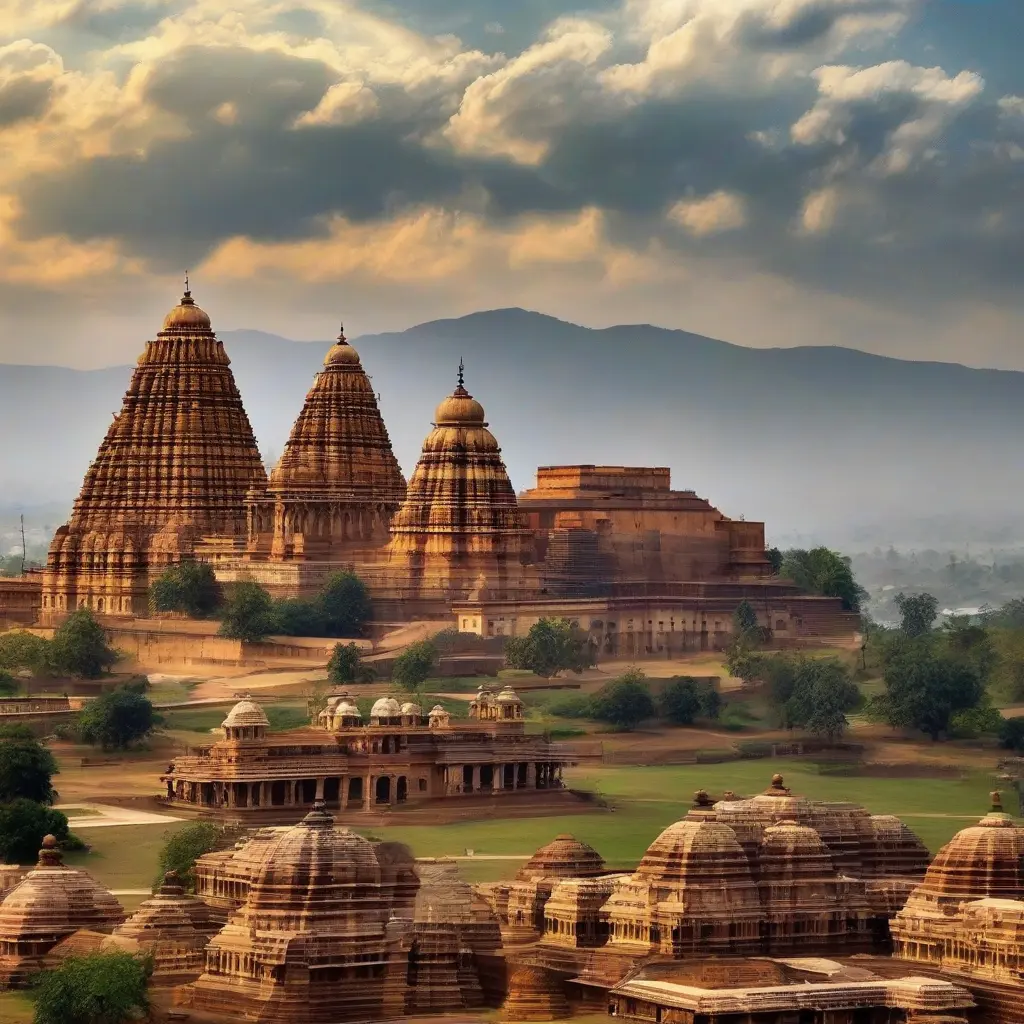
Khajuraho, a UNESCO World Heritage Site, is famous for its stunning group of Hindu and Jain temples adorned with intricate erotic sculptures. These temples, built during the Chandela dynasty in the 10th century, showcase remarkable artistry and craftsmanship. The unique representations of love and intimacy reflect the cultural ethos of their time. For travelers interested in art, architecture, and sexuality in history, Khajuraho presents an intriguing exploration of India’s past.
6. Hampi: The Ruins of Vijayanagara
Hampi, a UNESCO World Heritage Site, was once the capital of the Vijayanagara Empire, and today it stands as a remarkable expanse of ruins. The landscape is dotted with temples, palaces, and market streets, encapsulating the grandeur of ancient Indian architecture. Sites like the Vitrapala Temple and Vittala Temple with its chariot-shaped structure highlight the artistic brilliance of the period. Hampi offers a captivating glimpse into the grandeur and glory of a lost empire for curious explorers.
7. Udaipur: The City of Lakes
Udaipur, known as the City of Lakes, is renowned for its stunning palaces and serene waters. The City Palace, with its intricate peacock mosaics, and the romantic Lake Pichola, offering picturesque views, make Udaipur a romantic getaway. The blend of royal heritage and natural beauty enhances its allure. Udaipur’s rich history as the capital of the Mewar Kingdom provides ample opportunities for interested travelers to explore India’s royal narratives against a backdrop of breathtaking landscapes.
8. Mysore: The City of Palaces
Mysore, famed for its royal heritage, is home to the majestic Mysore Palace, a stunning example of Indo-Saracenic architecture. The palace’s vibrant colors and intricate carvings attract numerous visitors, especially during the Dussehra festival, when it is illuminated spectacularly. Other attractions include the Chamundi Hill and the enchanting St. Philomena’s Church. Mysore offers a rich tapestry of history and cultural experience, making it an essential stop for travelers interested in India’s royal past.
9. Fort Kochi: A Blend of Cultures
Fort Kochi in Kerala showcases a fascinating blend of colonial and indigenous cultures. Visitors can explore the historic Chinese fishing nets, the St. Francis Church, and the Jewish Synagogue, reflecting the influence of various cultures over centuries. The atmospheric lanes and architecture embody a unique narrative of colonialism and trade. For travelers intrigued by the intersections of history, culture, and trade, Fort Kochi presents a captivating exploration into India’s coastal heritage.
10. Ajanta and Ellora: Caves of Wonders
The Ajanta and Ellora Caves, both UNESCO World Heritage Sites, feature impressive rock-cut sculptures and vibrant frescoes that date back to the 2nd century BCE. Ajanta is known for its stunning Buddhist caves, while Ellora exhibits incredible examples from Buddhism, Hinduism, and Jainism. The caves showcase exquisite artistry and architecture that offer insights into ancient Indian civilization’s religious and artistic expressions. These sites are ideal for travelers seeking an extraordinary glimpse into India’s rich spiritual and artistic heritage.
11. Rishikesh: The Gateway to the Himalayas
Rishikesh, often called the ‘Yoga Capital of the World,’ serves as a gateway to the Himalayas and is steeped in spiritual history. Its ancient temples and ashrams attract those seeking yoga and meditation experiences. The scenic Ganges River, along with activities like river rafting, enhances the destination’s appeal. With a rich blend of spirituality and adventure, Rishikesh offers a unique opportunity for travelers to explore the spiritual depth and natural beauty of India.
12. Aurangabad: The Land of Heritage
Aurangabad is home to several historical monuments, including the renowned Bibi Ka Maqbara, which resembles the Taj Mahal. The city also serves as a base for exploring the Ajanta and Ellora Caves. Aurangabad’s historical significance comes from its past as a capital of the Deccan Sultanate. Its blend of Mughal influence and local culture provides travelers with a comprehensive view of India’s diverse historical narratives. Exploring Aurangabad allows visitors to immerse themselves in the region’s rich heritage.
13. Leh-Ladakh: The Mystical North
Leh-Ladakh offers a unique blend of breathtaking landscapes and rich cultural heritage, marked by ancient monasteries and traditional Tibetan architecture. Sites like the Hemis Monastery and Thiksey Monastery offer spiritual insights and stunning vistas. The region’s historical significance as a trade route is underscored by its vibrant history and multi-religious landscapes. For travelers drawn to the serenity and mystique of the Himalayas, Leh-Ladakh offers an unparalleled exploration of history amidst breathtaking natural beauty.
14. Kolkata: The City of Joy
Kolkata, known as the City of Joy, has a rich colonial history reflected in its architecture and cultural institutions. Landmarks like the Victoria Memorial, Howrah Bridge, and the Indian Museum highlight the city’s historical grandeur. The vibrant arts scene and old markets adorned with colonial buildings provide a glimpse into the city’s eclectic past. Kolkata appeals to travelers interested in exploring the confluence of tradition and modernity in India’s cultural narrative.
15. Chandni Chowk: A Historic Market
Chandni Chowk in Delhi is one of the oldest and busiest markets in India, epitomizing the vibrant marketplace culture that has existed for centuries. Once a part of Shah Jahan’s grand plans for the city, it is dotted with historical buildings, including the Red Fort and the Jama Masjid. The market features an array of goods, from spices to textiles, reflecting the city’s deep-rooted history. For travelers, Chandni Chowk offers an authentic taste of bustling life and heritage in one of India’s most historic areas.
Conclusion
Traveling through these 15 historical destinations in India offers a profound insight into the country’s rich tapestry of history and culture. Each location presents its unique charm, inviting travelers to engage with India’s diverse heritage. From architectural marvels and spiritual sites to vibrant markets, these destinations cater to varied interests. Curious travelers can create memorable experiences while deepening their understanding of India’s historical grandeur and cultural richness.