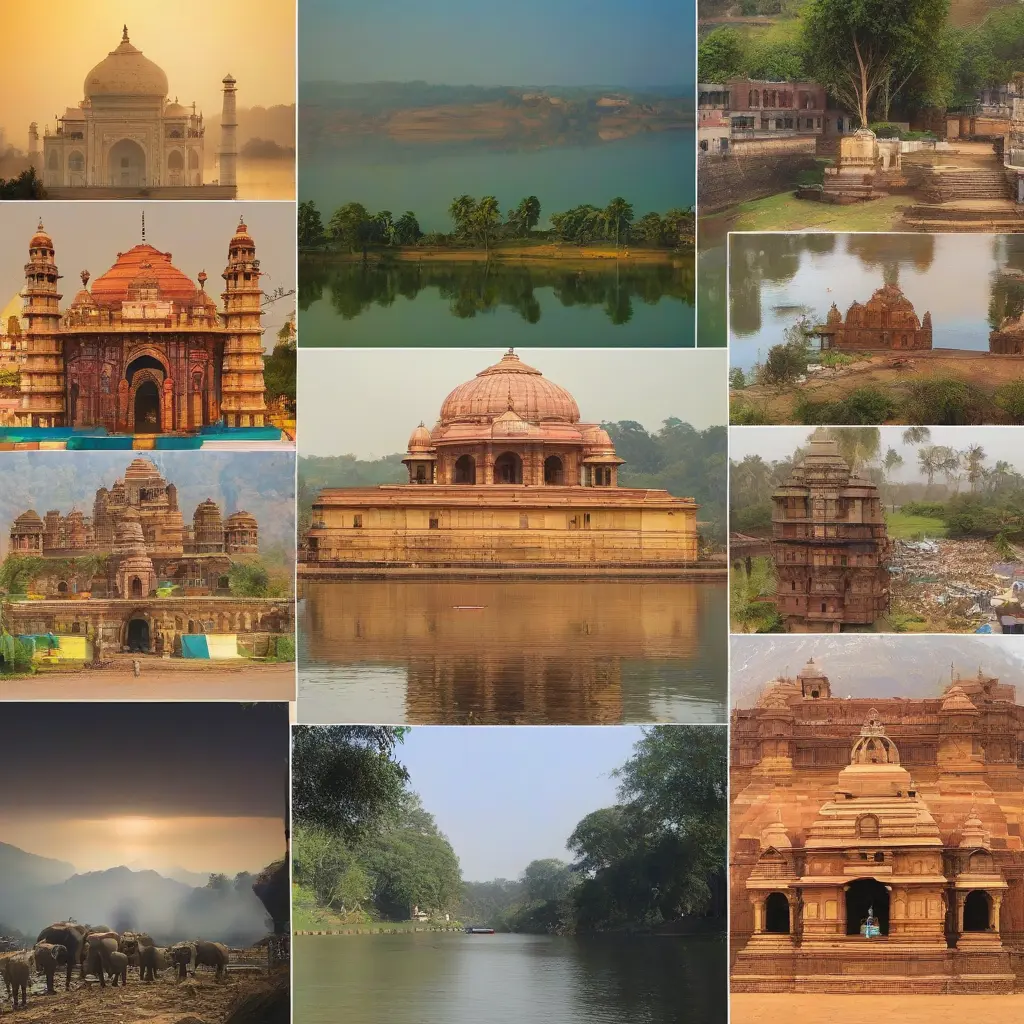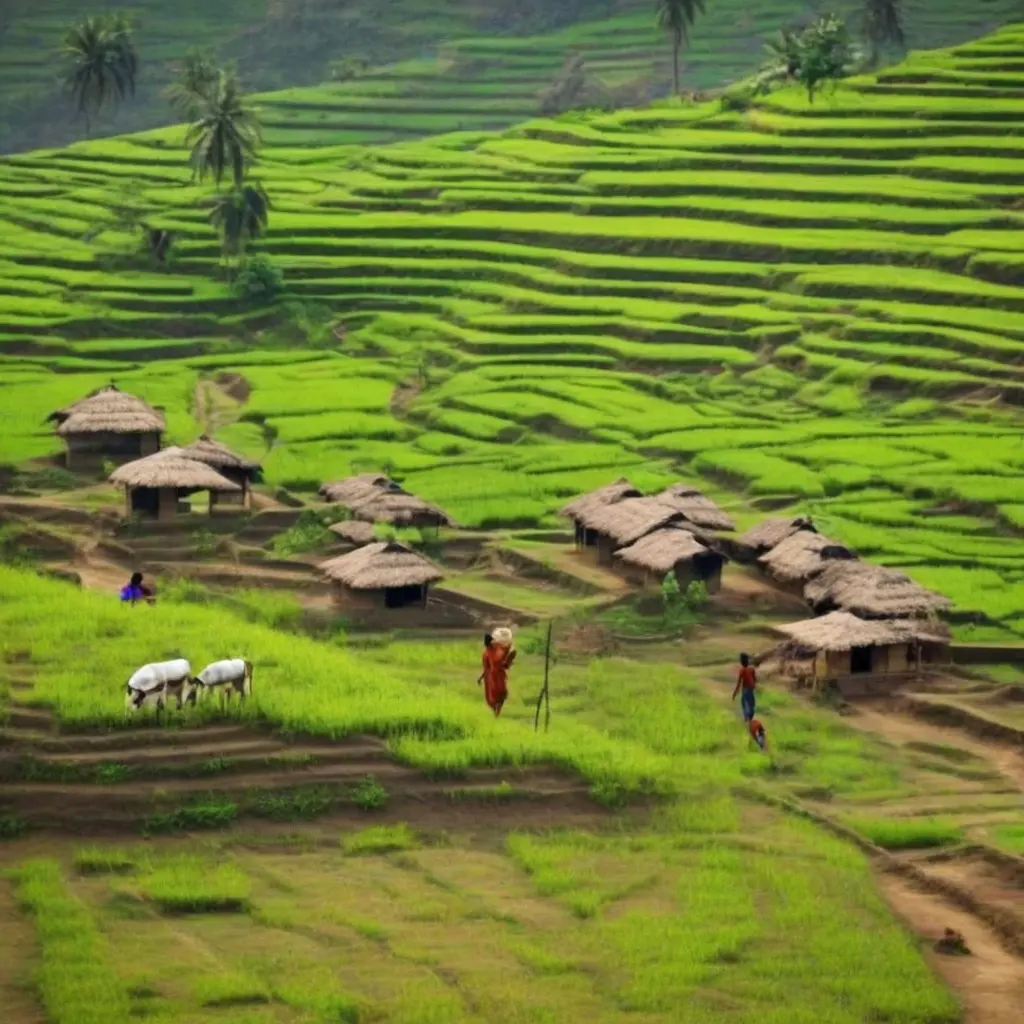
Traveling sustainably in India not only enriches your experience but also ensures that future generations can enjoy its diverse ecosystems and cultural heritage. This article presents 15 eco-friendly travel guides tailored for the conscientious traveler. By focusing on sustainable tourism practices and eco-friendly options, you can explore India while minimizing your impact on the environment. Whether visiting bustling cities or serene landscapes, these guides will help you to find responsible accommodations, ethical activities, and local communities to support, contributing actively to India’s sustainability efforts.
1. Kerala: The Backwaters of Sustainability
Kerala, often referred to as ‘God’s Own Country’, is an exemplary model of sustainable tourism with its enchanting backwaters and lush landscapes. Tourists can indulge in eco-friendly houseboat experiences that utilize solar energy and waste management systems. Additionally, local homestays promote responsible tourism and allow visitors to engage with the culture while supporting local economies. Eco-conscious tours also highlight conservation efforts for the unique biodiversity of the region, making it a prime destination for sustainable travel.
2. Uttarakhand: The Green Mountains
Uttarakhand offers an array of eco-friendly travel options, specifically aimed at adventure enthusiasts and nature lovers. The state’s serene hill stations, like Auli and Mukteshwar, invite visitors to explore responsibly through trekking and nature trails. Many local accommodations have adopted sustainable practices, such as solar power and organic farming. Wildlife safaris in Jim Corbett National Park are designed with a focus on conservation, ensuring that both the environment and indigenous species are protected as tourism expands.
3. Rajasthan: Responsible Desert Adventures
Rajasthan presents unique opportunities for sustainable tourism in its vast deserts and rich cultural heritage. Travelers can opt for eco-friendly desert camps that use renewable energy sources and emphasize sustainable practices. Local artisans often lead workshops, allowing tourists to learn about traditional crafts while supporting local economies. Ecotourism initiatives in rural areas encourage responsible wildlife viewing and community involvement, creating a balanced approach to tourism that benefits both visitors and local residents.
4. Sikkim: A Model for Ecotourism
Sikkim stands out as a pioneering state in ecotourism in India, showcasing a commitment to environmental preservation. The Sikkimese government has implemented policies that promote organic farming and sustainable practices among local communities. Eco-friendly treks, such as the Goecha La trek, not only offer breathtaking views but also contribute to the conservation of flora and fauna. Many accommodations follow eco-standards, making Sikkim a top pick for eco-conscious travelers looking to explore breathtaking landscapes while minimizing their footprint.
5. Goa: Sustainable Beach Tourism
Goa, known for its vibrant beaches, is increasingly emphasizing sustainable tourism initiatives. Local organizations offer eco-friendly beach clean-ups and responsible tourism awareness programs. Travelers can choose from eco-conscious resorts and guest houses that adhere to sustainable practices, avoiding plastic and using renewable energy. Additionally, engaging in local community activities and supporting small businesses contribute positively to the region, ensuring that tourism blossoming in Goa remains viable and respectful of its natural beauty.
6. Himachal Pradesh: Eco-Trekking Paradises
Himachal Pradesh offers breathtaking landscapes that attract eco-tourists and adventure seekers alike. The region is home to numerous eco-friendly treks, such as the Kheerganga Trek, where trekkers can experience nature while being mindful of their environmental impact. Many guesthouses and lodges emphasize sustainability by utilizing renewable resources and promoting low-impact tourism. The local government supports initiatives that educate tourists about flora, fauna, and responsible practices, ensuring that nature remains preserved for future generations.
7. Maharashtra: Coastal Conservation Efforts
Maharashtra’s coastal regions offer opportunities for sustainable tourism that prioritize nature conservation. Eco-friendly resorts and lodges utilize green building practices, boosting local employment and reducing their environmental impact. Initiatives such as the Elephant Conservation Project in Maharashtra educate visitors about wildlife conservation and provide an opportunity to engage heartily in responsible tourism. By participating in guided eco-tours, travelers can gain insight into the region’s delicate ecosystems while contributing to their preservation.
8. Uttarakhand: Responsible Wildlife Tourism
In Uttarakhand, responsible wildlife tourism is becoming increasingly popular. Tourists can participate in guided safari tours that focus on conservation while providing an opportunity to observe native wildlife in their natural habitats. Many lodges and accommodations adhere to eco-friendly practices, ensuring a minimal environmental footprint. Educational programs often accompany these tours, helping visitors understand the importance of biodiversity and wildlife protection within the state, fostering a deeper connection to nature.
9. Tamil Nadu: Cultural Heritage and Sustainability
Tamil Nadu brims with rich cultural heritage and sustainable tourism potential. Travelers can participate in community-based tourism initiatives that showcase traditional music, dance, and cuisine, allowing tourists to immerse themselves without damaging the local culture. Sustainable practices in accommodations focus on conserving resources while promoting local crafts and produce. Local organizations work tirelessly to enhance awareness about cultural preservation and the environment, making it a rich ground for responsible traveling.
10. Andaman and Nicobar Islands: Protecting Marine Ecosystems
The Andaman and Nicobar Islands offer stunning marine environments where sustainable tourism is essential in preserving delicate ecosystems. Responsible snorkeling and scuba diving operators prioritize environmental awareness and adherence to marine conservation regulations. Eco-friendly accommodations focus on reducing waste and protecting local wildlife, aligning tourism practices with marine conservation goals. Visitors can engage in community-led initiatives that emphasize the importance of preserving their unique biodiversity, from coral reefs to lush mangroves.
11. Kerala: Responsible Wildlife Sanctuaries
In Kerala, wildlife sanctuaries such as Periyar National Park offer eco-friendly experiences where visitors can explore the diverse habitats inhabited by various species. Guided nature walks and boat rides emphasize wildlife education and conservation efforts. Many accommodations are designed to minimize environmental impact while allowing guests to connect with nature. These initiatives help ensure that the region’s natural beauty and wildlife thrive alongside sustainable tourism development, enriching both visitor experiences and conservation efforts.
12. Ladakh: Experiencing High-Altitude Sustainability
Ladakh provides travelers with unique high-altitude experiences steeped in sustainable practices. The region promotes eco-friendly initiatives through community-based tourism, where local families welcome guests into their homes. Accommodations focus on using local resources and maintaining traditional building methods. Tourists can engage in responsible trekking and explore the stunning landscapes while respecting cultural norms. These approaches help preserve Ladakh’s unique lifestyle and environment while enriching the visitor experience.
13. Gujarat: Sustainable Wildlife Adventures
Gujarat offers several eco-friendly wildlife experiences, especially in the Gir National Park, home to the Asiatic lion. Tours emphasize responsible wildlife viewing practices, with trained guides ensuring minimal disturbances to the animals. Additionally, many lodges in the area focus on sustainable operations, reducing energy consumption while supporting local communities through employment. Participating in conservation initiatives allows travelers to play a direct role in preserving the biodiversity of this unique region.
14. Punjab: Eco-Friendly Rural Tourism
Punjab is increasingly embracing eco-friendly rural tourism, showcasing the vibrant rural culture while promoting sustainability. Visitors can experience local farming practices and traditional crafts through community-based initiatives, which also support local economies. Eco-conscious accommodations emphasize sustainable practices and provide immersive experiences. This approach not only benefits travelers but also fosters a sense of community among locals, showcasing how tourism can positively impact rural areas while preserving their unique cultural identity.
15. Delhi: Urban Sustainability Initiatives
Delhi is at the forefront of urban sustainability initiatives, emphasizing green spaces and eco-friendly tourism. Visitors can explore various parks, botanical gardens, and heritage walks that promote awareness of urban ecology. Many hotels and apartments are increasingly adopting sustainable practices such as energy conservation and waste management. Engaging in sustainable tourism activities, such as volunteer programs, allows travelers to actively participate in positive urban efforts, enhancing their experience while contributing to the city’s sustainability goals.
Conclusion
Exploring India through eco-friendly travel guides presents a unique opportunity to connect with its rich heritage and diverse ecosystems. By making sustainable choices, travelers not only enjoy memorable experiences but also contribute to the protection and preservation of these invaluable resources. Incorporating responsible practices into your travel plans ensures that tourism positively impacts the environment and local communities. Whether you are trekking in the mountains or relaxing on the beach, embracing sustainable tourism is a rewarding endeavor.