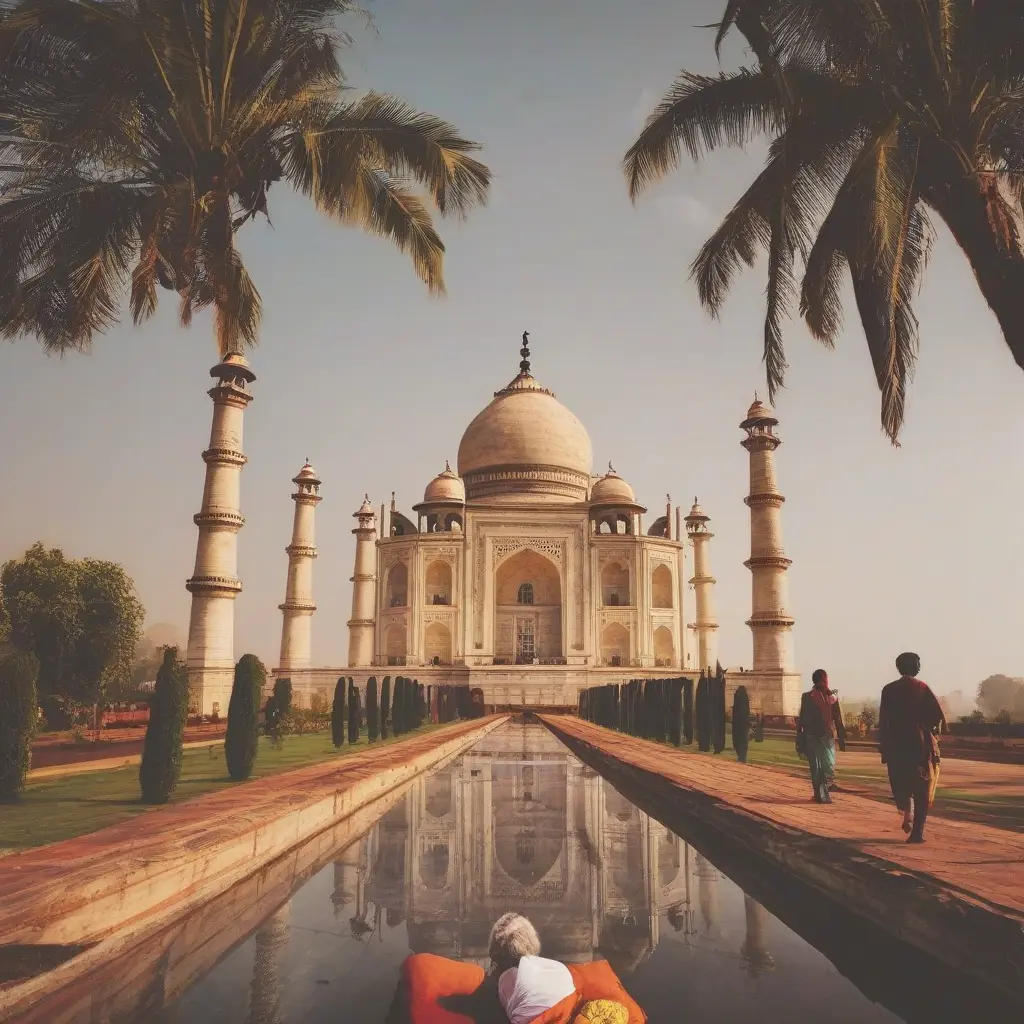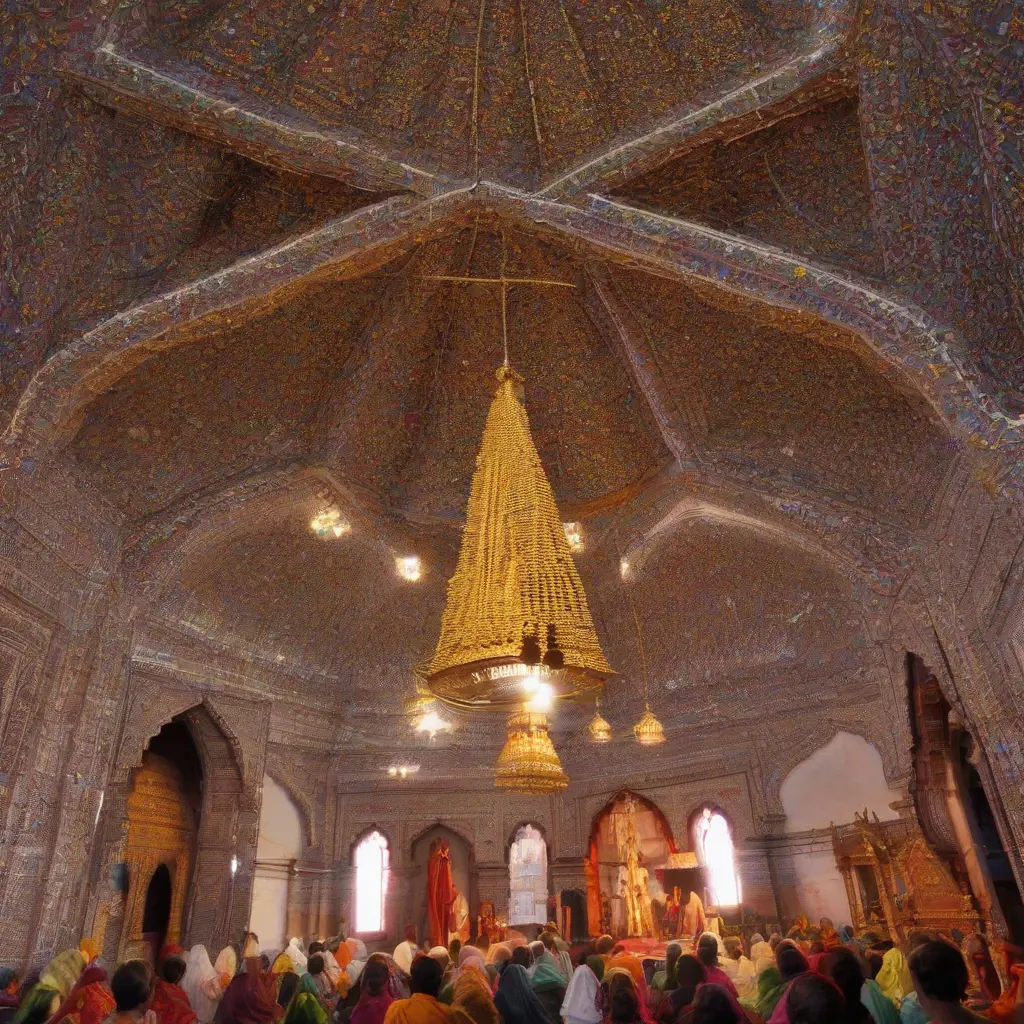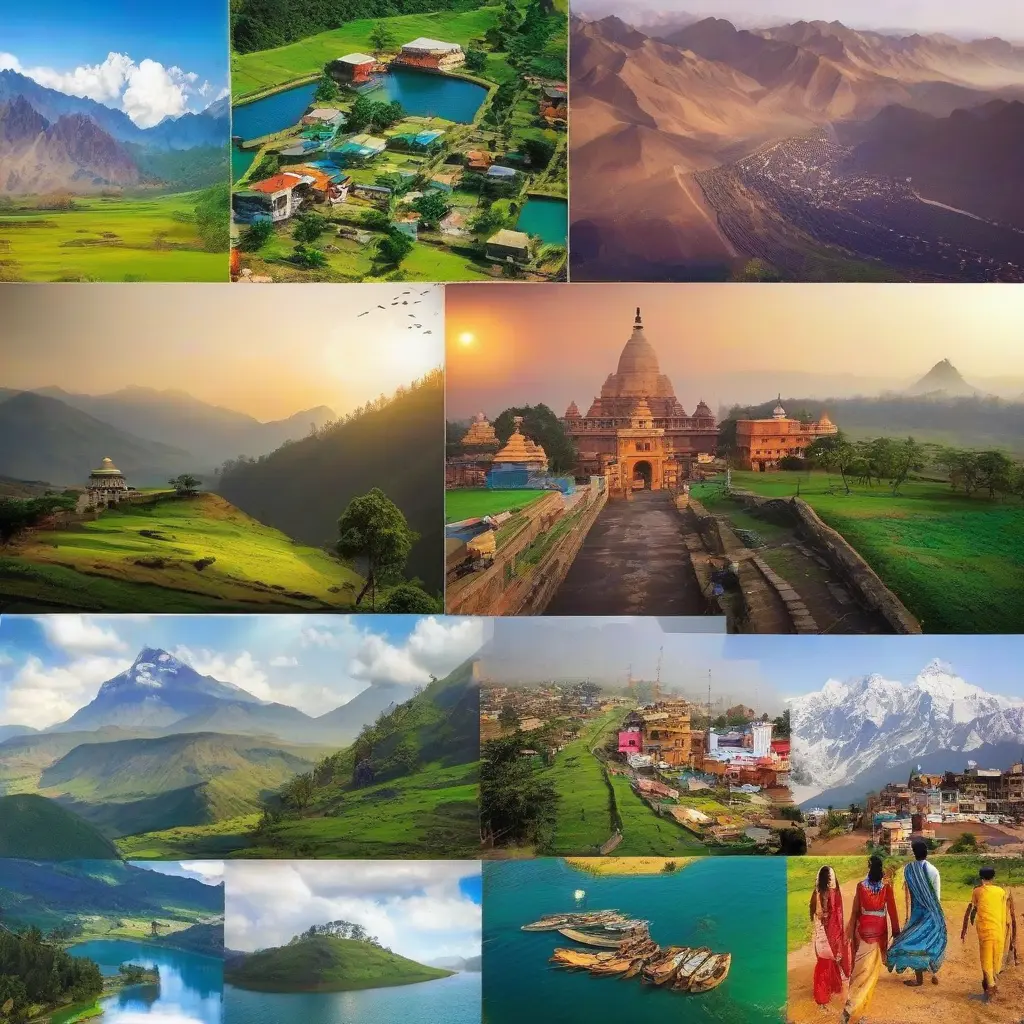
India is a land rich in spiritual heritage, drawing travelers seeking peace, culture, and divine experiences. With its diverse range of religions and beliefs, the country offers countless pilgrimage sites, each unique in its history and significance. This guide presents ten essential spiritual destinations that every traveler should consider. From ancient temples to serene monasteries, each site provides not only a glimpse into India’s spiritual fabric but also opportunities for reflection and rejuvenation. Whether you’re a devoted pilgrim or a curious traveler, exploring these destinations will enrich your journey through India.
1. Varanasi: The Spiritual Heart of India
Varanasi, one of the oldest living cities in the world, holds immense spiritual significance in Hinduism. Situated on the banks of the Ganges River, it is believed that bathing in the river’s sacred waters cleanses the soul and liberates one from the cycle of rebirth. The myriad ghats along the river are perfect for witnessing rituals, especially the evening Ganga Aarti, a mesmerizing ceremony that honors the river goddess. While here, visitors can explore ancient temples, stroll through vibrant markets, and absorb the city’s unique atmosphere, which blends spirituality and daily life.
2. Rishikesh: The Yoga Capital of the World
Rishikesh, nestled in the foothills of the Himalayas, is known as the Yoga Capital of the World. This serene town offers a tranquil environment for spiritual seekers and yoga enthusiasts alike. The banks of the Ganges are ideal for meditation, and numerous ashrams offer courses in yoga and spirituality. Adventure seekers can also enjoy activities such as river rafting and trekking. Rishikesh’s iconic Laxman Jhula and Ram Jhula are suspension bridges that provide wonderful views of the river and surrounding mountains, making it a hub of spiritual and natural beauty.
3. Bodh Gaya: The Birthplace of Buddhism
Bodh Gaya is one of the most revered pilgrimage sites for Buddhists, as it is where Siddhartha Gautama attained enlightenment under the Bodhi tree. The Mahabodhi Temple, a UNESCO World Heritage Site, serves as the focal point for many pilgrims and tourists. Visitors can meditate in the temple complex, visit the various monasteries, and explore the serene surroundings that invite inner peace. The annual observance of Buddha Purnima attracts thousands of devotees, making Bodh Gaya a significant destination for spiritual reflection and community.
4. Golden Temple, Amritsar: A Sikh Pilgrimage Must-See
The Golden Temple, or Harmandir Sahib, in Amritsar is one of the holiest shrines in Sikhism. The temple’s stunning gold facade, surrounded by a sacred pool, reflects the core values of equality and humility in Sikh teachings. Visitors are welcome to partake in the community kitchen, providing free meals to thousands daily, emphasizing the Sikh belief in selfless service. The tranquil atmosphere and spiritual chants create an inviting environment for all, regardless of faith. Exploring the Golden Temple enriches the traveler’s understanding of Sikh culture and its emphasis on community.
5. Tirupati: The Richest Temple in the World
Tirupati, home to the famous Venkateswara Temple, is one of India’s most visited and revered pilgrimage sites. Devotees come in droves to seek the blessings of Lord Venkateswara, believing that a visit here will fulfill their prayers. The temple is famed for its elaborate rituals, and the daily offerings make it one of the richest temples in the world. Eager travelers should prepare for long queues, but the unique experience of witnessing the devotion and fervor of thousands around them makes it worthwhile. The surrounding hills and lush landscape provide a serene backdrop for spiritual exploration.
6. Haridwar: Gateway to the Gods
Haridwar, meaning ‘Gateway to God,’ is another significant pilgrimage destination situated at the foothills of the Himalayas. The town holds its importance due to the Kumbh Mela, one of the largest religious gatherings globally. The Ganga Aarti at Har Ki Pauri is a captivating experience, with hundreds of lamps floating in the river at sunset. Pilgrims come to cleanse their sins by bathing in the Ganges, believed to be the most sacred river in Hinduism. The vibrant atmosphere, traditional rituals, and spiritual ambience offer a unique insight into India’s religious practices.
7. Auroville: A Universal City
Auroville is an experimental township in Tamil Nadu dedicated to human unity and peace. Founded by Mirra Alfassa, known as ‘The Mother’, Auroville encourages visitors from all backgrounds to experience a life of harmony. The Matrimandir, an architectural marvel, serves as the spiritual center of the community. Activities such as meditation, workshops, and sustainable living practices create a holistic experience for travelers. A visit to Auroville provides a unique perspective on spirituality that transcends traditional religious boundaries, making it an essential stop for spiritually inclined travelers.
8. Khajuraho: Temples of Love
Khajuraho is famous for its intricate temples adorned with stunning sculptures depicting various aspects of life, spirituality, and sensuality. The western group of temples is a UNESCO World Heritage Site, showcasing the artistry of medieval Indian architecture. While exploring these temples, travelers can ponder the deeper meanings behind the carvings that celebrate the divine connection between love, art, and spirituality. The annual dance festival held in Khajuraho adds to its allure, where classical dance forms bring the temples alive through art and devotion, offering a rich cultural experience.
9. Mount Abu: The Only Hill Station in Rajasthan
Mount Abu, the only hill station in Rajasthan, is known for its serene environment and the famous Dilwara Temples, which exemplify exquisite marble architecture. The Jain temples, dedicated to Tirthankaras, draw both spiritual seekers and architectural enthusiasts. The tranquil Nakki Lake provides a picturesque setting for relaxation and contemplation, and travelers can explore the cool climate and lush surroundings. The destination offers a blend of spirituality, nature, and history, making it an appealing getaway for those seeking solace in the hills.
10. Sarnath: Where Buddhism Began
Sarnath, near Varanasi, marks the location where Buddha delivered his first sermon after attaining enlightenment. The Deer Park is a peaceful site with the Dhamek Stupa, a major pilgrimage spot for Buddhists. Visitors can explore the archaeological museum showcasing ancient artifacts, reflecting the historical significance of the area. Sarnath’s serene atmosphere invites meditation and introspection. Travelers interested in Buddhism or simply seeking a tranquil environment will find Sarnath a profound experience, connecting deeply with the roots of Buddhist teachings.
Conclusion
Exploring the spiritual and pilgrimage sites in India provides travelers with a unique opportunity to connect with diverse cultures, traditions, and beliefs. Each destination offers its own blend of history, architecture, and spiritual significance, making them essential stops for those seeking enlightenment or a deeper understanding of Indian spirituality. Whether by contributing to community service or simply engaging in self-reflection, these sites serve as reminders of the profound connections we share as human beings in our spiritual journeys.