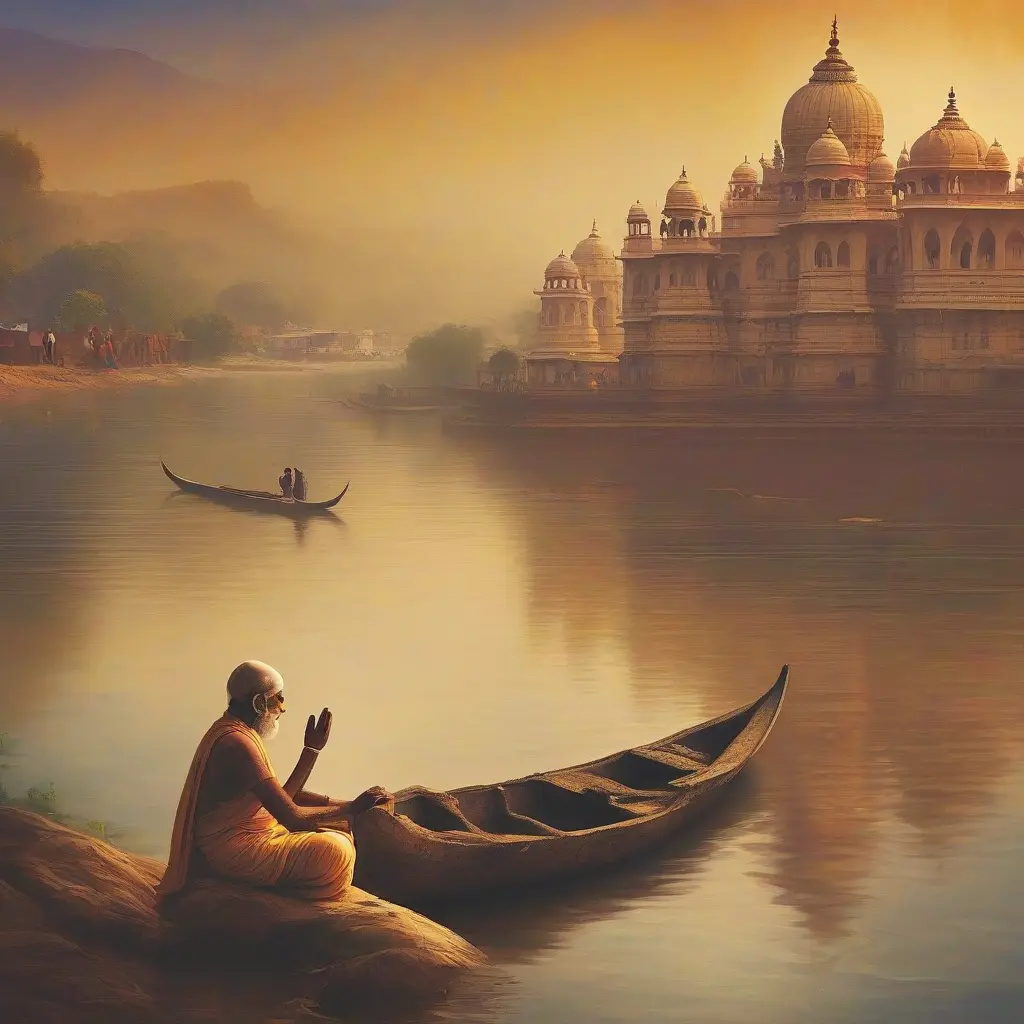
India is home to a wealth of sacred rivers that hold immense spiritual significance for millions of pilgrims. Each river serves as a vital source of life, energy, and reverence, shaping the country’s cultural and religious landscape. These waterways are not just physical entities; they embody ancient traditions, myths, and rituals that connect devotees with their faith. This guide explores ten of the most revered rivers in India, offering insight into their historical significance, spiritual meaning, and the various pilgrimage experiences they provide.
Ganges: The Holiest River
The Ganges River, also known as the Ganga, is perhaps the most revered river in India, flowing through northern parts and into the Bay of Bengal. It is considered the embodiment of divinity and purity, attracting millions of pilgrims who come to bathe in its waters. This ritual is believed to wash away sins and grant salvation. The Ganges flows through major religious sites such as Varanasi and Haridwar, where elaborate ceremonies, like the Ganga Aarti, take place. Pilgrims often visit during significant festivals such as Kumbh Mela, reinforcing its status as a sacred waterway.
Yamuna: River of Love
The Yamuna River, flowing alongside the city of Agra, is known for its rich connection to Lord Krishna. As the river is entwined with numerous legends and tales of love, it attracts pilgrims seeking spiritual fulfillment. Many visit the Yamuna to witness the breathtaking beauty of the Taj Mahal, which lies nearby. Rituals performed on its banks, like performing puja (worship) and the traditional act of bathing, are believed to bring devotees closer to divine love and affection symbolized by Krishna’s life and teachings.
Sarasvati: The Invisible River
Sarasvati is often referred to as the ‘invisible river’ due to its mythical origins, believed to flow underground in parts of India. Named after the goddess of wisdom and learning, this river is important for spiritual seekers and scholars alike. Pilgrimages to its supposed sites, such as the famous Sarasvati River confluence at Prayagraj (Allahabad), are common. Festivals like Magh Mela attract thousands to participate in sacred rituals, enhancing one’s knowledge and spirituality, making Sarasvati an integral part of Hindu pilgrimage.
Narmada: The River of Liberation
The Narmada River, one of the five holy rivers in India, is often associated with the quest for liberation (moksha). Flowing through the states of Madhya Pradesh, Gujarat, and Maharashtra, Narmada is unique for its south-to-north flow. Pilgrims visiting the river often walk the entire length, covering around 1,312 kilometers, completing rituals along its banks, particularly at sites like Amarkantak. Temples along its shore, such as the famous Maheshwar and Omkareshwar, attract those seeking spiritual enlightenment and connection with the divine.
Godavari: The Ganges of the South
The Godavari River, often referred to as the Ganges of the South, flows through Maharashtra and Andhra Pradesh. Infused with mythological importance, it is associated with numerous legends, including those of Lord Rama. Pilgrims flock to the river’s banks for the Godavari Pushkaralu festival, which occurs once every 12 years, marking a time for bathing in its sacred waters for purification and spiritual growth. With its cultural significance, Godavari offers a range of rituals to connect believers to their spiritual heritage.
Krishna: The River of Tradition
The Krishna River flows through states like Karnataka, Maharashtra, and Andhra Pradesh, and has strong ties to traditional rituals and cultural practices. Named after Lord Krishna, the river is a vital site for those engaging in various religious activities. Important festivals held along its banks, particularly during the Krishna Pushkaralu every 12 years, see large gatherings of pilgrims who partake in sacred baths, making offerings, and celebrating the life of Krishna, thus enhancing their spiritual experience through community involvement and shared beliefs.
Kaveri: The Sacred River of South India
The Kaveri River, flowing through Karnataka and Tamil Nadu, is revered for its spiritual and agricultural significance. Known as a lifeline for the southern states, it is closely woven into the fabric of Hindu rituals, especially in cities like Mysore and Tanjore. Festivals such as the Kaveri Sankramana attract pilgrims who come to pay homage by taking ritualistic baths in its waters. The river embodies the spirit of fertility and nourishment, making it a vital part of both religious and cultural festivities in the region.
Tapti: The River of Abundance
The Tapti River flows parallel to the Narmada and is situated in central India, ultimately merging with the Arabian Sea. This river is historically significant, having served as a trade route in ancient times. It is linked with various deities in Hinduism, and many visitors come to take part in religious rituals performed along its banks. Celebratory events and fairs held throughout the year offer pilgrims a chance to engage deeply with the local traditions that celebrate the river and its bountiful gifts, reinforcing its reputation as a sacred river.
Sindhu: The Ancient River
The Sindhu River, historically known as the Indus, is among the most significant rivers in human history, playing a central role in the Indus Valley Civilization. Though primarily associated with Pakistan, its cultural impact resonates deeply within India. The river is held in reverence due to its historical context, and pilgrimages are often made to sites along its banks that embody ancient wisdom and rituals. Festivals celebrating the river reinforce its significance, allowing pilgrims to connect with a rich historical legacy that shaped Indian culture and spirituality.
Conclusion
India’s sacred rivers not only serve as spiritual centers but also as vital components of its cultural heritage. Each river offers unique opportunities for introspection, purification, and connection with divine forces. From the Ganges to the Sindhu, these waterways embody centuries of faith, tradition, and communal practice. Visitors seeking to immerse themselves in the rich tapestry of Indian spirituality will find these rivers to be profound sources of insight and revelation, making them essential destinations for any pilgrim.