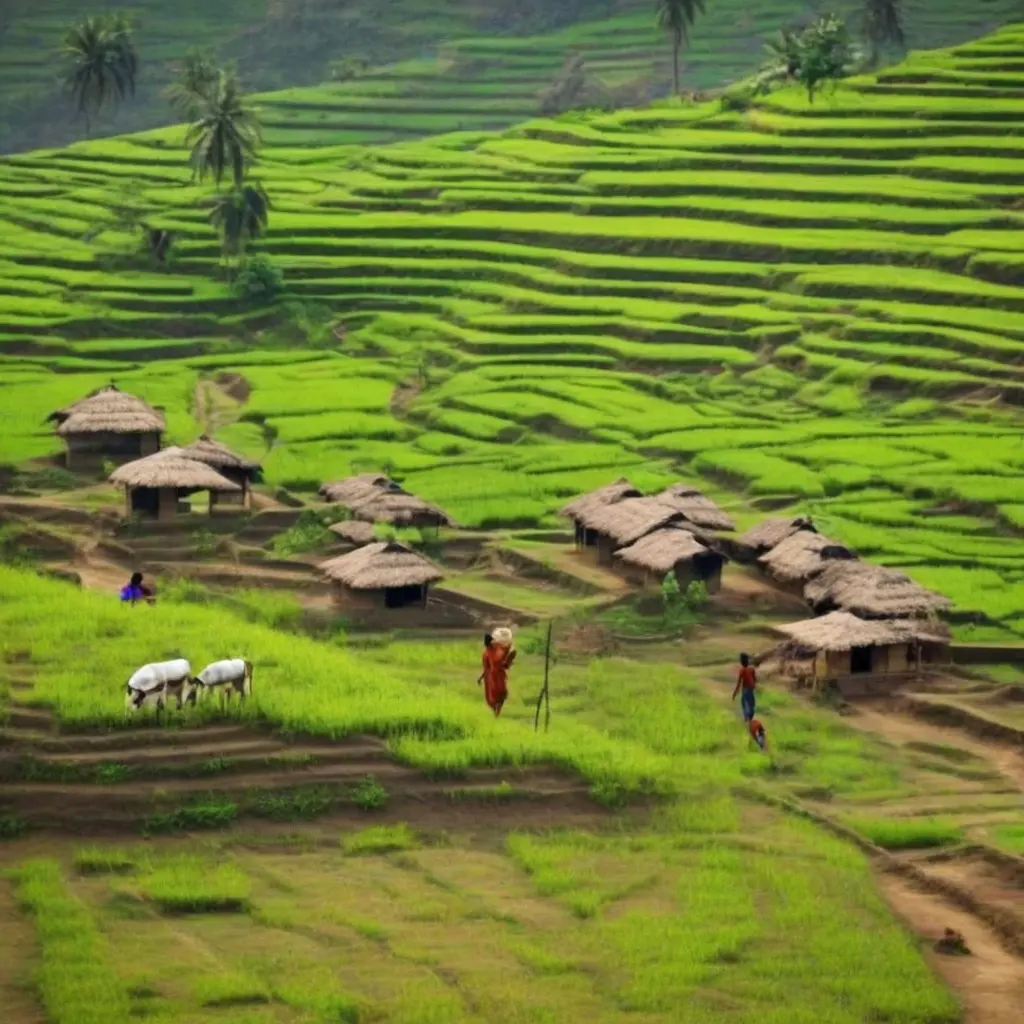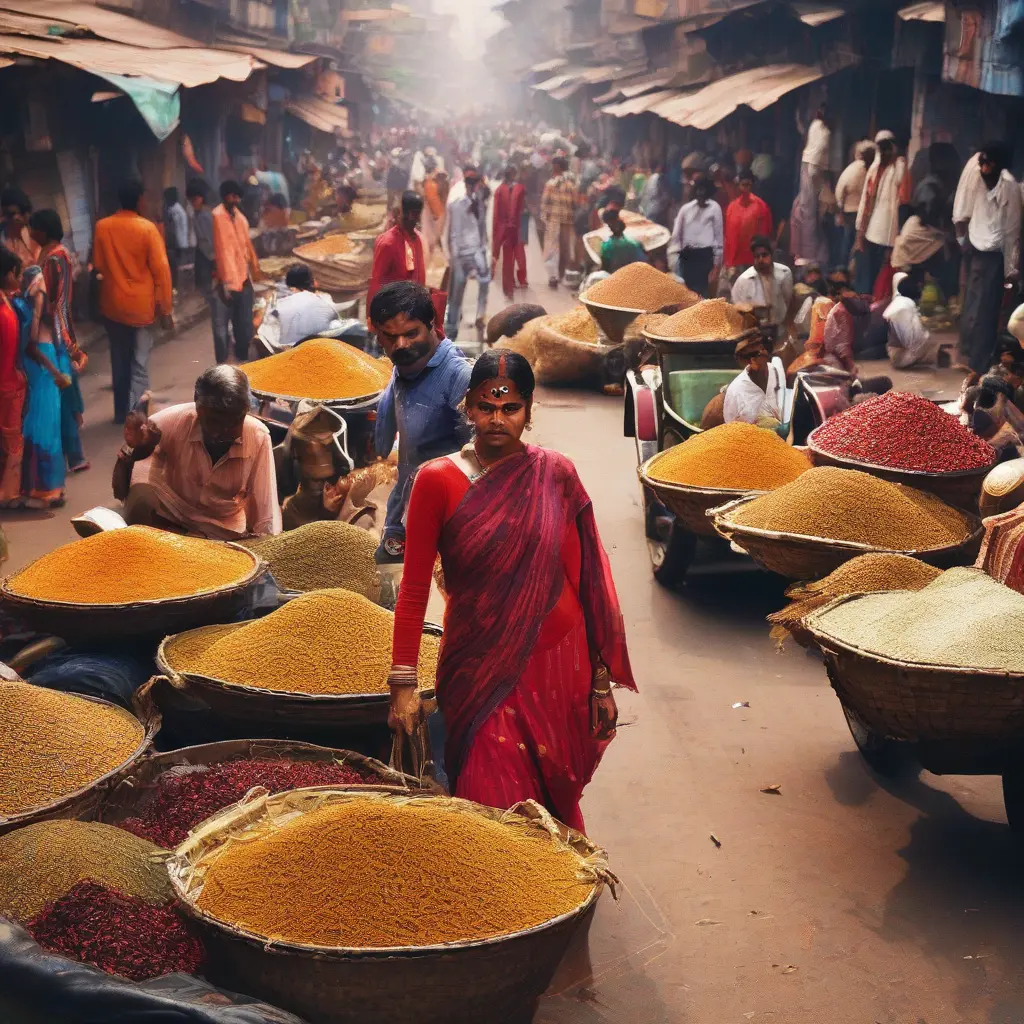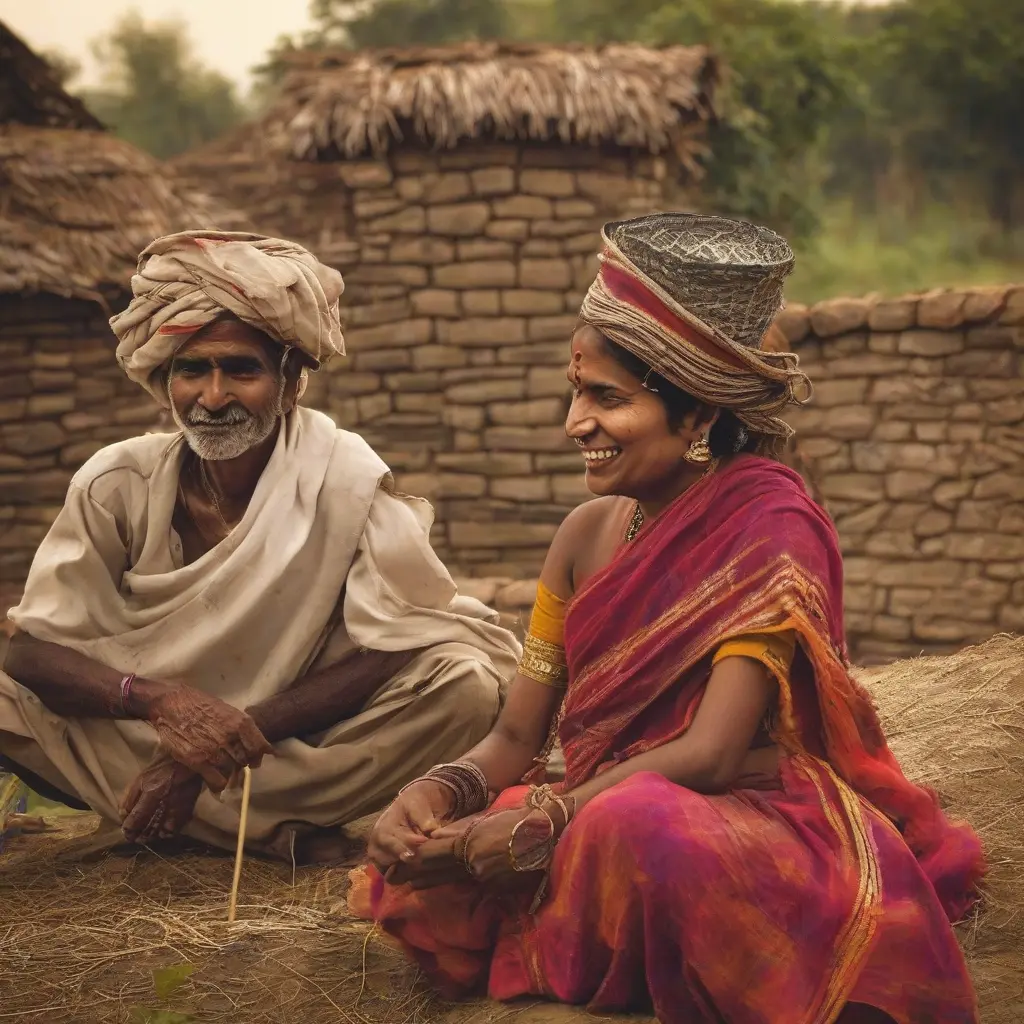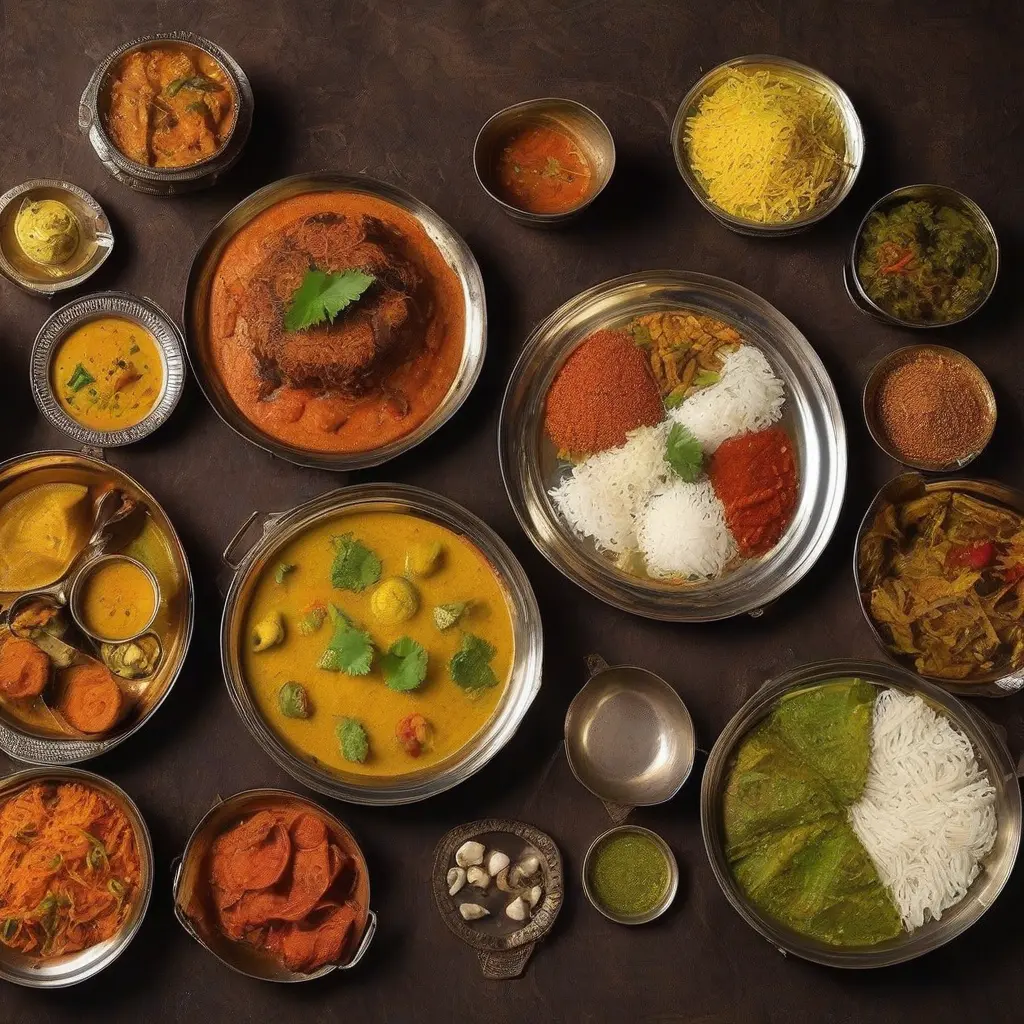
India’s culinary landscape is a vibrant tapestry woven with spices, regional flavors, and cultural heritage, making it a must-visit destination for food lovers. However, experiencing India’s diverse cuisine safely requires some careful planning and awareness. From hygiene practices to making informed choices about where to eat, these travel tips aim to guide you in enjoying the best culinary offerings without compromising your health. By following these tips, travelers can not only savor the delicious dishes but also explore the rich food culture India has to offer.
Understand Regional Variations in Cuisine
Indian cuisine varies dramatically from region to region, influenced by local ingredients, geography, and traditions. For example, North Indian food often features rich curries and flatbreads, while South Indian cuisine is known for its rice-based dishes and coconut flavors. Understanding these variations allows travelers to appreciate the diverse culinary landscape of the country. Engaging with locals about regional specialties can lead to memorable dining experiences. Always consider the weather and the freshest ingredients, as these factors can also play a crucial role in what dishes will be at their best.
Choose Your Dining Establishments Wisely
Selecting where to eat is crucial for ensuring a safe culinary journey in India. Opt for restaurants that are busy, which typically indicates quality and local patronage. Street food can be enticing, but it’s essential to research hygiene standards. Look for stalls that use fresh ingredients and have a high turnover, ensuring the food is freshly prepared. Online reviews and local recommendations can guide you to trustworthy spots. Remember that safe dining experiences can greatly enhance your overall enjoyment of India’s culinary offerings.
Monitor Food Hygiene Practices
Hygiene is a vital consideration when savoring Indian cuisine. Before dining, take a moment to observe the cleanliness of the restaurant or food stall. Check if the staff are wearing gloves while preparing food and ensure that cooking surfaces appear clean. Additionally, avoid restaurants with stagnant water or unwashed utensils. Trust your instincts; if a place seems unclean, it’s wise to continue your search for safer options. By prioritizing hygiene, travelers can enjoy the rich variety of dishes without compromise.
Stay Hydrated and Choose Beverages Carefully
Staying hydrated is particularly important while traveling in India, especially given the warm climate. However, choose beverages wisely to avoid potential health issues. Always prefer bottled water from reputable brands and ensure the seal is intact before opening. Avoid ice in drinks unless you are confident about its source. Fresh juices can be a refreshing choice, but be cautious about where you purchase them. Opt for established establishments that maintain good hygiene practices to enjoy beverages without worry.
Be Cautious with Street Food
Street food is a big part of India’s vibrant food culture, but it requires careful consideration. While it offers delicious and authentic flavors, street food can pose health risks if proper hygiene is not maintained. Start with stalls that are busy and have a high turnover of food to ensure freshness. Observing how the food is prepared can also give clues about hygiene standards. If you’re trying something new, it’s advisable to start with small portions to see how your stomach handles the food before indulging further.
Opt for Cooked Foods Over Raw Foods
When exploring Indian cuisine, it is generally safer to opt for cooked foods instead of raw dishes, especially for travelers with sensitive digestive systems. Cooking foods at high temperatures can eliminate harmful bacteria that may be present. Traditional foods like curries, dals, and breads are not just delicious but also safer choices. If you enjoy salads or fruits, consider peeling them yourself or ensure they are served fresh in reputable restaurants. Prioritizing cooked foods can make for a more enjoyable and worry-free culinary adventure.
Know Key Dietary Restrictions
India is known for its diverse dietary preferences, including vegetarianism and various food restrictions. Familiarize yourself with local customs and dietary laws that may affect your meal choices. In many areas, vegetarian options are abundant due to cultural and religious practices. Additionally, learn a few key phrases in Hindi or regional languages to communicate your preferences or restrictions. Understanding these aspects will not only help you in selecting meals but also deepen your cultural experience while enjoying India’s diverse cuisine.
Plan Your Meal Timing
Meal timing can significantly impact your culinary experience in India. Many locals eat their main meal at lunchtime, leading to fresher offerings. Dinner in restaurants may see a varied selection based on the time, and certain popular dishes may run out by evening. Timing your meals around local dining habits allows travelers to enjoy the most popular options while ensuring the freshness of the ingredients used. Early lunches or late dinners can provide additional choices and enhance your overall experience with Indian cuisine.
Experiment with Local Spices Gradually
Indian cuisine is renowned for its vibrant spices, but gradually experimenting with them is essential for comfort and enjoyment. If you’re unfamiliar with spicy dishes, start with milder options before trying hotter varieties. Many Indian meals allow for customization of spice levels, making it easier to tailor the experience to your preferences. Keep in mind that the use of spices can vary across regions and even individual restaurants. By paying attention to your spice limits, you can savor the rich flavors without overwhelming your palate.
Conclusion
Exploring India’s diverse cuisine can be one of the most rewarding parts of a journey through the country. By following these ten travel tips, you can experience the rich array of flavors in a safe and enjoyable manner. From understanding regional variations and practicing good hygiene to choosing reliable dining establishments, these insights will enhance your culinary adventure. As you embark on this delicious journey, remain open to trying new dishes while prioritizing your health, ensuring that your travel memories are both flavorful and positive.