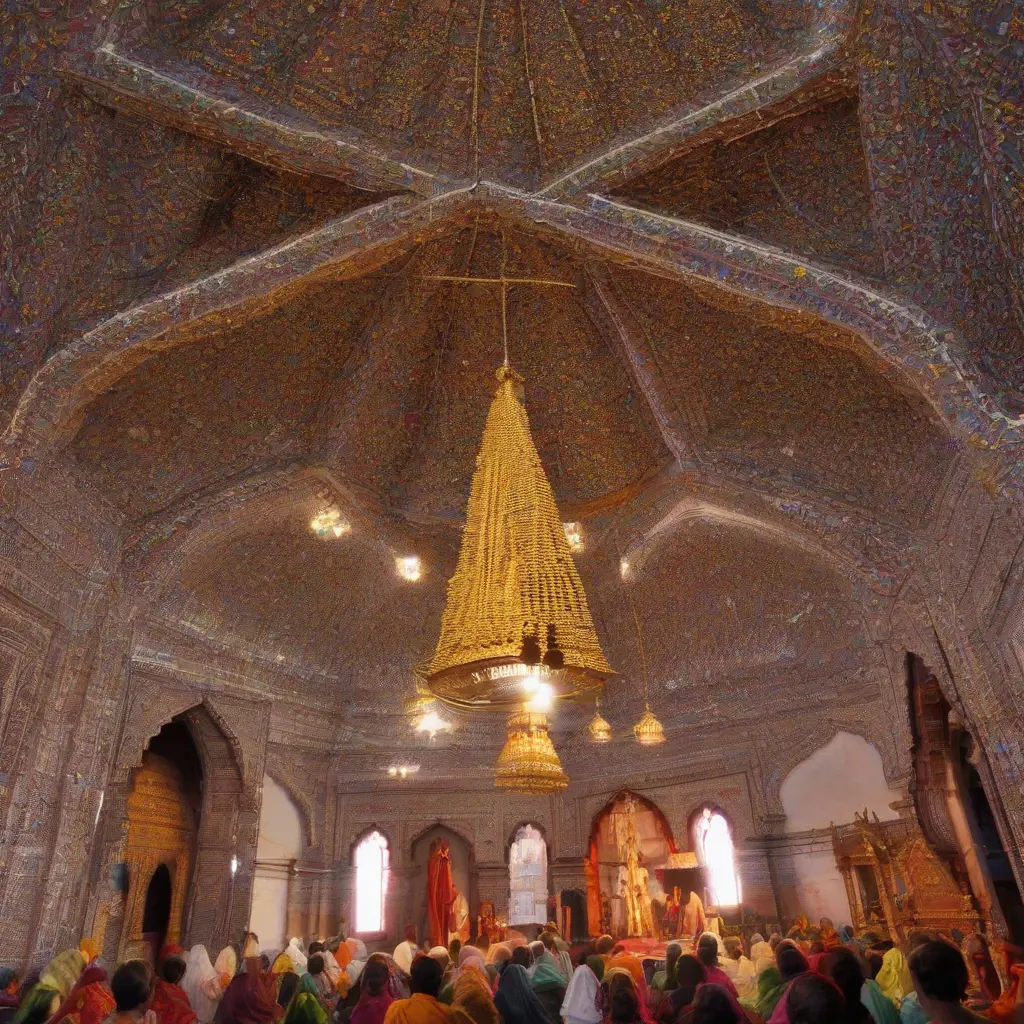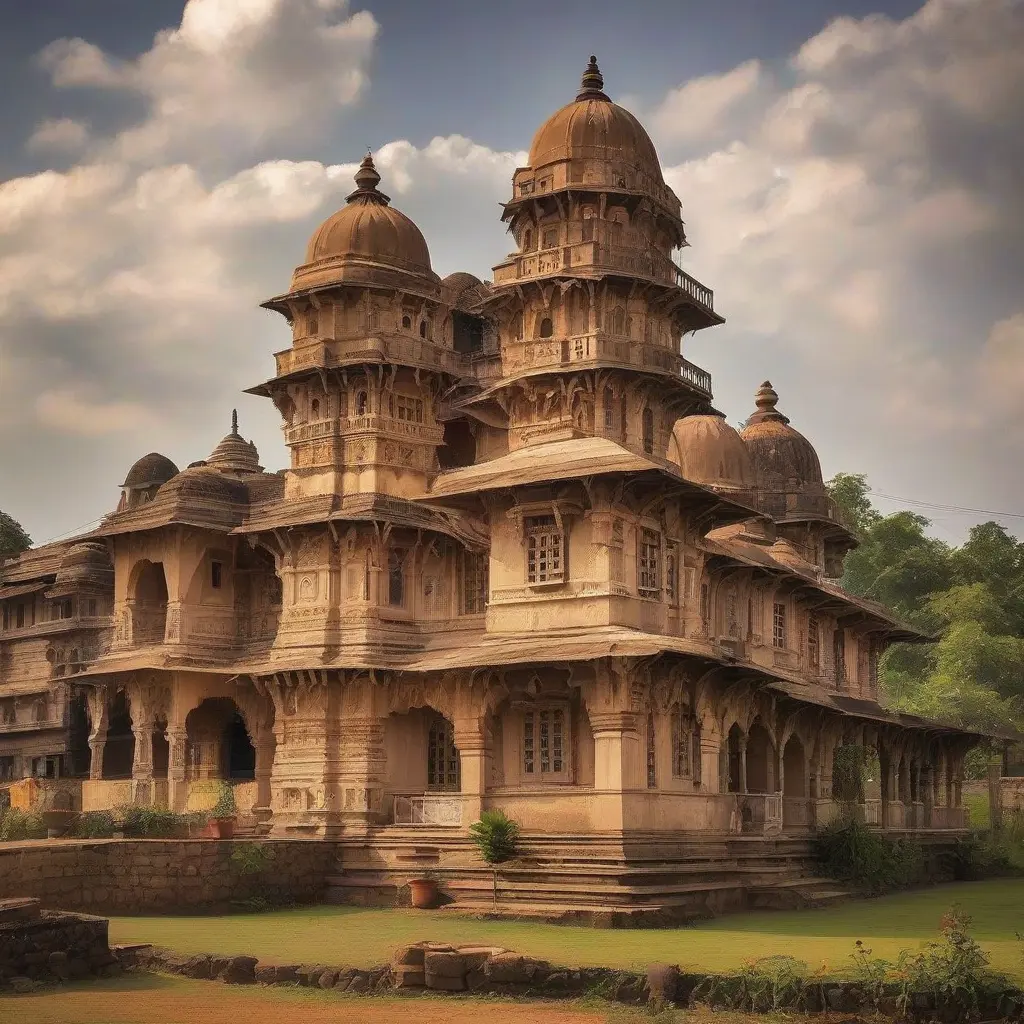
India is a land rich in history, culture, and spirituality, with ancient sites that tell stories of its diverse heritage. Exploring these remarkable locations allows travelers to connect with the essence of Indian civilization, where every stone and monument resonates with stories from the past. From magnificent temples to sacred pilgrimage sites, the following ten ancient sites stand as testaments to a rich cultural fabric woven over millennia. Each site not only showcases architectural brilliance but also offers insights into India’s spiritual traditions and values.
1. Varanasi – The Spiritual Capital
Varanasi, one of the oldest continuously inhabited cities in the world, holds immense significance in Hindu culture and spirituality. Located on the banks of the Ganges River, the city is known for its ghats where pilgrims perform rituals and take holy dips in the river. The Kashi Vishwanath Temple, dedicated to Lord Shiva, is a major attraction in Varanasi and draws thousands of devotees each year. The vibrant energy, philosophical discourses, and traditional music echo throughout the city, making it a prominent pilgrimage site that embodies the essence of ancient Indian spiritual practices.
2. Khajuraho – Temples of Love
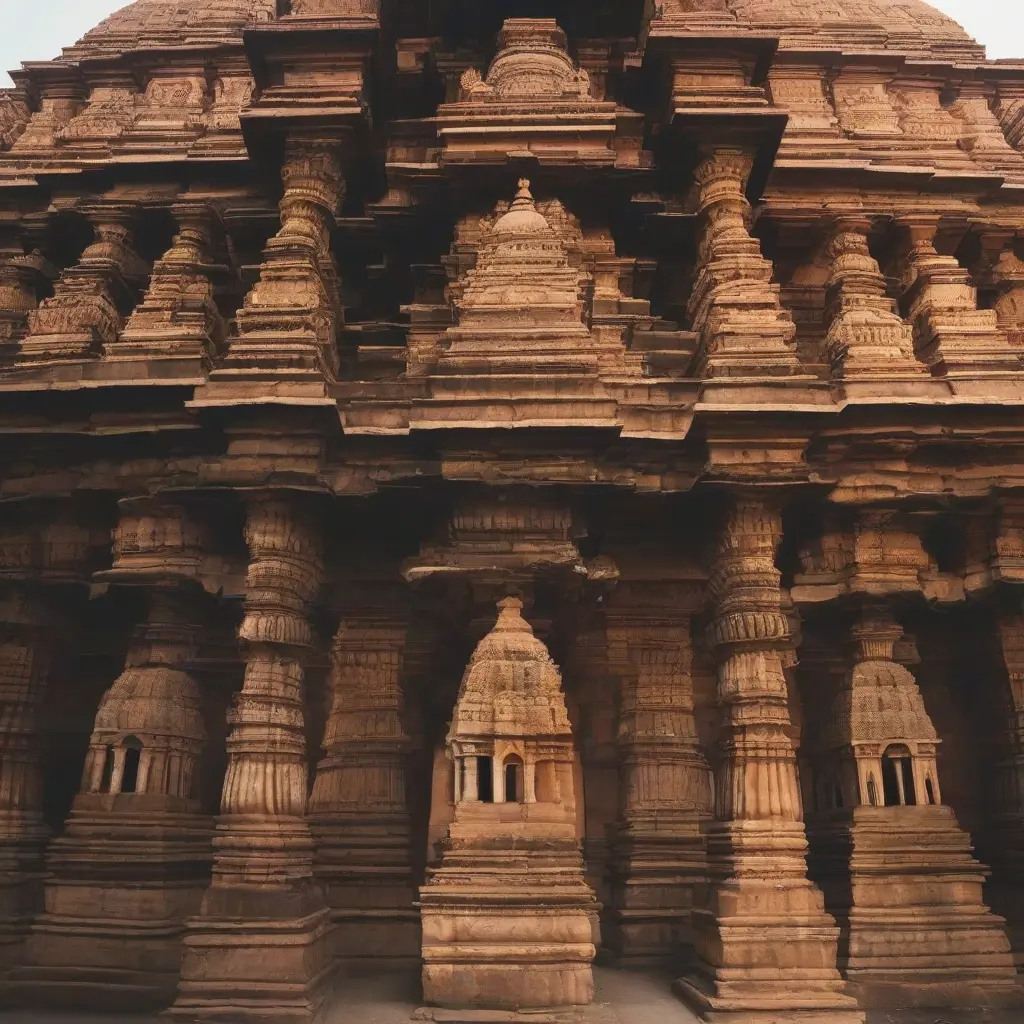
Renowned for their exquisite and intricate carvings, the Khajuraho temples are a unique testament to the artistic heritage of India. Built between 950 and 1050 AD, these temples depict various aspects of life, including love, spirituality, and daily activities, showcasing the erotic art for which they are famous. The Western group of temples, housing the Kandariya Mahadeva Temple, is particularly notable for its architectural grandeur. Visitors to Khajuraho can appreciate the fusion of artistic expression and spiritual significance that reflects the social values of the Chandela dynasty.
3. Hampi – The Enigmatic Ruins
Hampi, once the capital of the Vijayanagara Empire, is now a UNESCO World Heritage site that attracts history enthusiasts and spiritual seekers alike. The ruins of Hampi, scattered over a vast landscape, include stunning temples, palaces, and markets that were once vibrant centers of trade and culture. The Virupaksha Temple, dedicated to Lord Shiva, serves as the heart of Hampi, symbolizing the architectural brilliance of the period. The surreal boulder-strewn landscape combined with rich history makes Hampi a captivating destination for those intrigued by India’s ancient civilizations.
4. Bodh Gaya – The Enlightenment Site
Bodh Gaya is a sacred pilgrimage site for Buddhists, marked by the Mahabodhi Temple, which is believed to be the location where Siddhartha Gautama attained enlightenment under the Bodhi tree. The temple complex features the iconic Bodhi tree, attracting thousands of visitors seeking to connect with the teachings of Buddhism. Various monasteries from different countries reflect the global significance of Bodh Gaya and the teachings of Buddha. The tranquil atmosphere and rich spiritual heritage make it a pivotal center for meditation and introspection for pilgrims and tourists alike.
5. Mysore Palace – A Royal Heritage
Mysore Palace stands as a splendid example of Indo-Saracenic architecture and is one of the most visited monuments in India. Once the residence of the Wadiyar dynasty, the palace is an architectural marvel with intricate carvings, beautiful courtyards, and stunning stained glass windows. The grandeur of the palace is highlighted during the Dussehra festival, drawing millions of visitors who come to witness the breathtaking celebrations. A visit to Mysore Palace offers a glimpse into the royal history of Karnataka while showcasing the cultural richness that permeates the region.
6. Ajanta and Ellora Caves – Rock-cut Masterpieces
The Ajanta and Ellora Caves, another UNESCO World Heritage Site, are renowned for their stunning rock-cut architecture and intricate sculptures. These ancient caves date back to the 2nd century BCE and serve as valuable insights into India’s artistic and spiritual history. While Ajanta features exquisite Buddhist paintings and sculptures, Ellora showcases a harmonious blend of Hindu, Jain, and Buddhist traditions. The Kailasa Temple at Ellora, a magnificent monolithic structure, represents the peak of rock-cut architecture. Visitors marvel at the artistry and historical significance housed within these ancient caves.
7. Rishikesh – The Yoga Capital of the World
Rishikesh, nestled in the foothills of the Himalayas, is widely recognized as the Yoga Capital of the World. It attracts spiritual seekers and yoga practitioners from around the globe who come to experience its serene environment and holistic healing practices. The Ganges River flows through Rishikesh, providing a sacred atmosphere for meditation and spiritual growth. Numerous ashrams, yoga schools, and spiritual retreats offer classes and workshops, allowing visitors to immerse themselves in Indian traditions. The town’s vibrant culture, combined with its spiritual essence, makes Rishikesh a unique pilgrimage destination.
8. Amritsar – The Golden Temple
Amritsar is home to the Golden Temple, the holiest shrine for Sikhs, known for its magnificent architecture and spiritual significance. Surrounded by a shimmering pool, the temple attracts millions of visitors, regardless of their backgrounds. The langar, or community kitchen, serves free meals to thousands daily, embodying the Sikh principles of equality and service. The mesmerizing beauty of the temple, especially when illuminated at night, and the serene atmosphere of the compound offer a deep spiritual experience for pilgrims. The Golden Temple stands not only as a religious symbol but also as a beacon of peace and unity.
9. Rani ki Vav – The Queen’s Stepwell
Rani ki Vav, a UNESCO World Heritage Site, is an intricately constructed stepwell located in Patan, Gujarat. Built during the 11th century, this architectural marvel reflects the skilled craftsmanship of ancient artisans. The stepwell served as a vital water resource and a place for social gatherings, featuring beautifully carved sculptures and intricate relief panels. As visitors descend the steps, they can appreciate the engineering ingenuity and artistic expression that define this remarkable structure. Rani ki Vav is a testament to India’s heritage, showcasing the importance of water conservation and community life in ancient times.
10. Konark Sun Temple – A Marvel of Architecture
The Konark Sun Temple, a UNESCO World Heritage Site in Odisha, is an outstanding example of ancient Indian architecture, dedicated to the Sun God, Surya. Built in the 13th century, the temple is designed in the shape of a gigantic chariot, featuring intricately carved wheels and horses. The temple not only serves as a place of worship but also as a symbol of astronomical knowledge and artistic excellence. Visitors are captivated by the stunning sculptures that adorn its walls, depicting various deities and life scenes. The Konark Sun Temple remains a significant pilgrimage site that highlights India’s architectural innovation and spiritual depth.
Conclusion
India’s ancient sites are more than just historical landmarks; they are profound expressions of culture and spirituality that continue to inspire and attract millions. The blend of history, architecture, and spirituality in these locations provides a unique experience for travelers seeking understanding and enlightenment. Exploring these ten ancient sites offers not merely a glimpse into India’s past but an invitation to engage with its vibrant cultural tapestry that spans across centuries. Each site tells a story, enriching the journey of spiritual and cultural exploration in India.